
Christ Showing His Wounds — History & Facts
Few paintings by Gustave Van de Woestijne have provoked as much quiet speculation as Christ Showing His Wounds. The date and circumstances of its creation remain uncertain, yet the work stands out for its stark, almost confrontational presentation of Christ’s suffering—a theme that Van de Woestijne, a leading figure of Belgian Symbolism, returned to repeatedly throughout his career. The painting’s haunting directness has led some scholars to wonder whether it was intended for private devotion or as a response to the traumas of World War I, which deeply affected the artist and his contemporaries. At the heart of the image is the moment after Christ’s resurrection, when he reveals the wounds of his crucifixion to his followers—a gesture both of proof and of invitation.
Van de Woestijne chooses not the crowded scene of doubting Thomas, as Caravaggio famously did, but rather a solitary Christ, holding his robe aside to expose the wound in his side. The background is stripped of narrative detail, focusing all attention on Christ’s gaunt, elongated figure and the raw, almost corporeal realism of his wounds. The artist’s use of muted, earthy tones and sharp modeling recalls the Flemish Primitives, yet the psychological intensity is unmistakably modern, inviting the viewer into a deeply personal confrontation with suffering and faith. The physical history of Christ Showing His Wounds is as enigmatic as its subject.
No definitive record exists of its original patron or early provenance, and the painting’s medium—whether oil on canvas or panel—remains a matter of scholarly debate. Today, it is recognized as a key example of Van de Woestijne’s mature religious works, which often blend medieval iconography with the introspection of Symbolism. The painting’s current location is not widely publicized, but it continues to attract attention from collectors and historians interested in the spiritual currents of early twentieth-century Belgian art.
More Artworks by Gustave Van de Woestijne
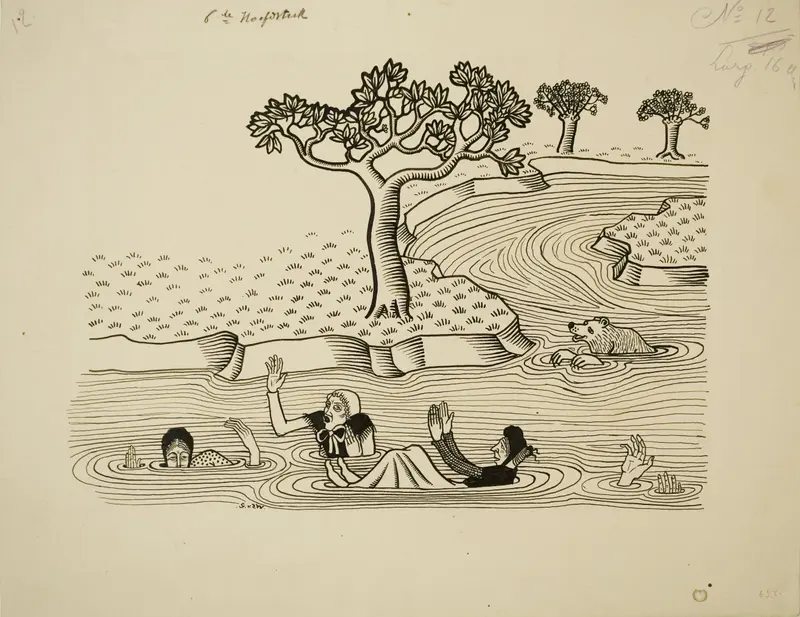
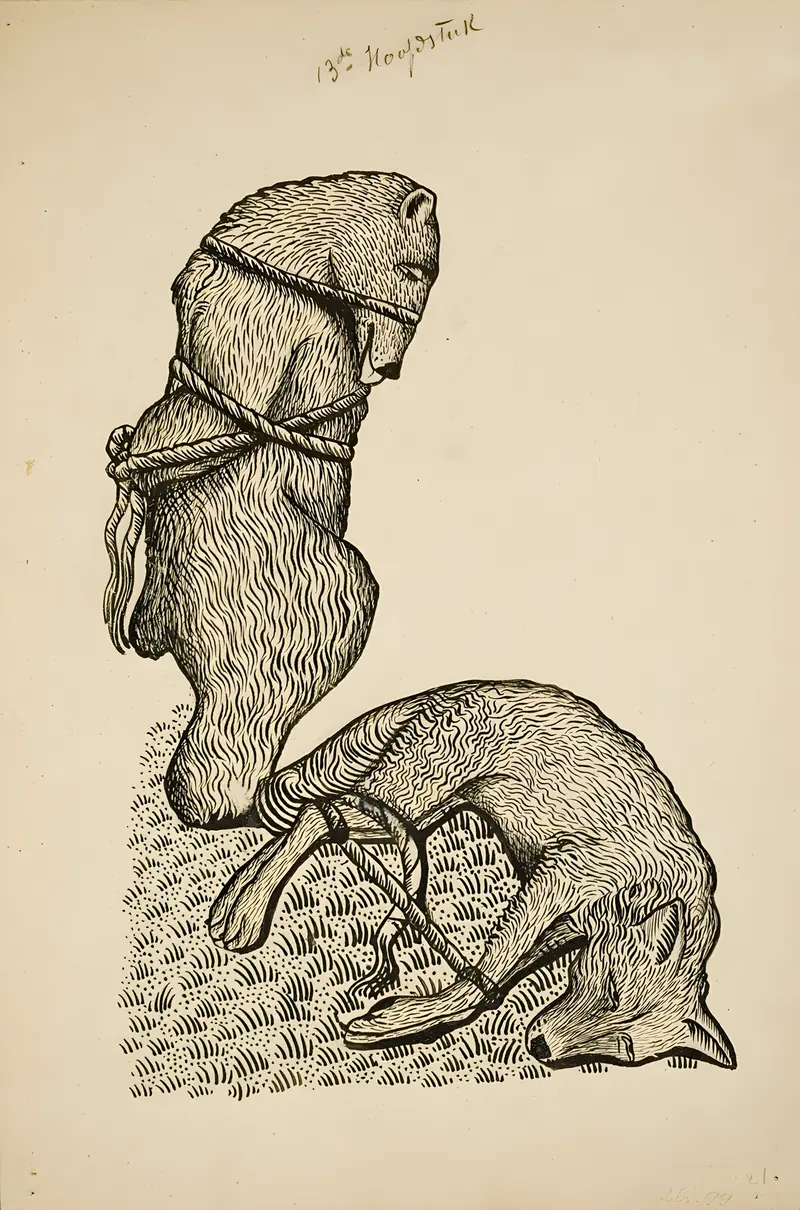
How Brown went out with Reynard where he thought he was eating honey and how he was caught by head and feet and suffered further misfortune
Gustave Van de Woestijne
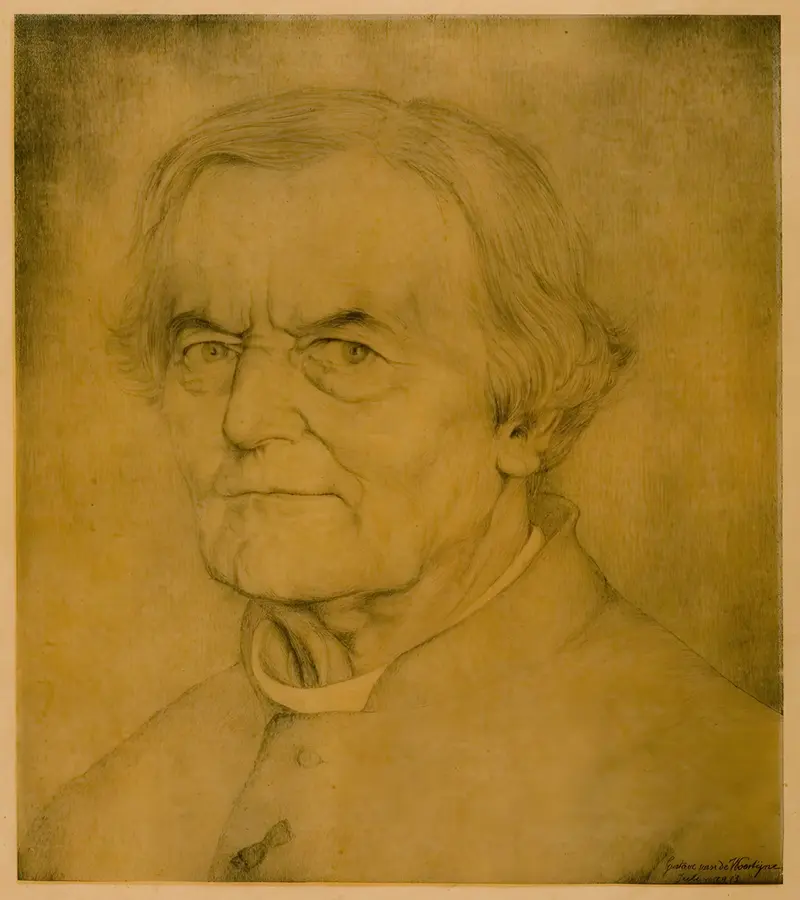
Portrait of Hugo Verriest
Gustave Van de Woestijne
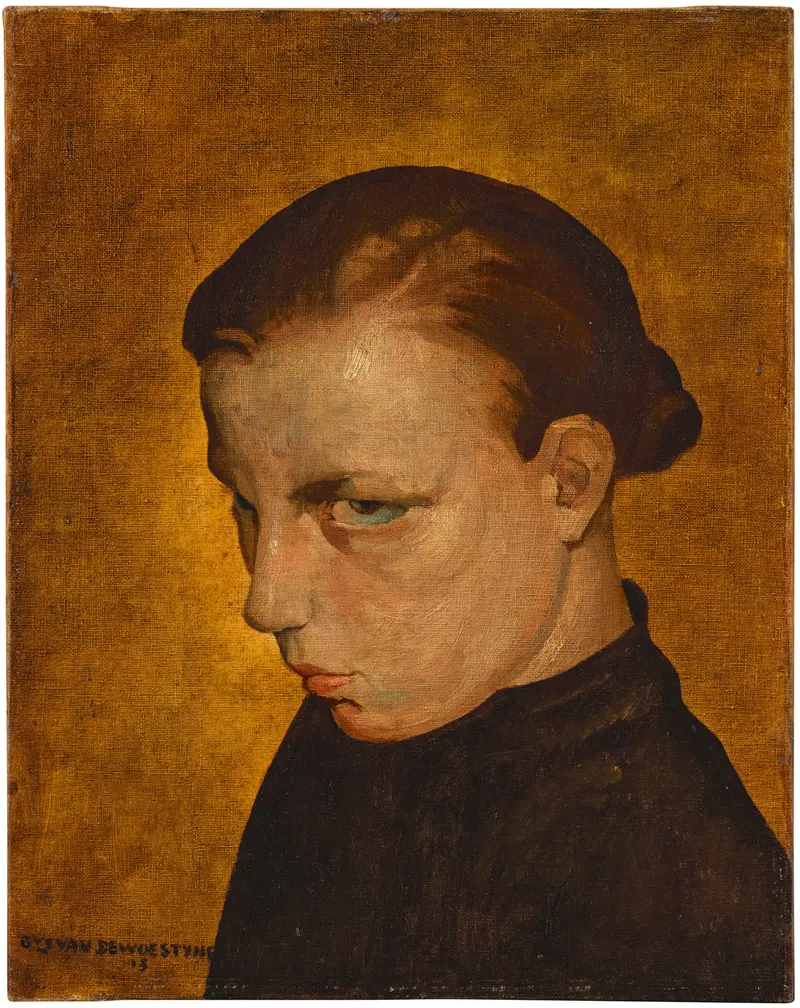
Angèle
Gustave Van de Woestijne
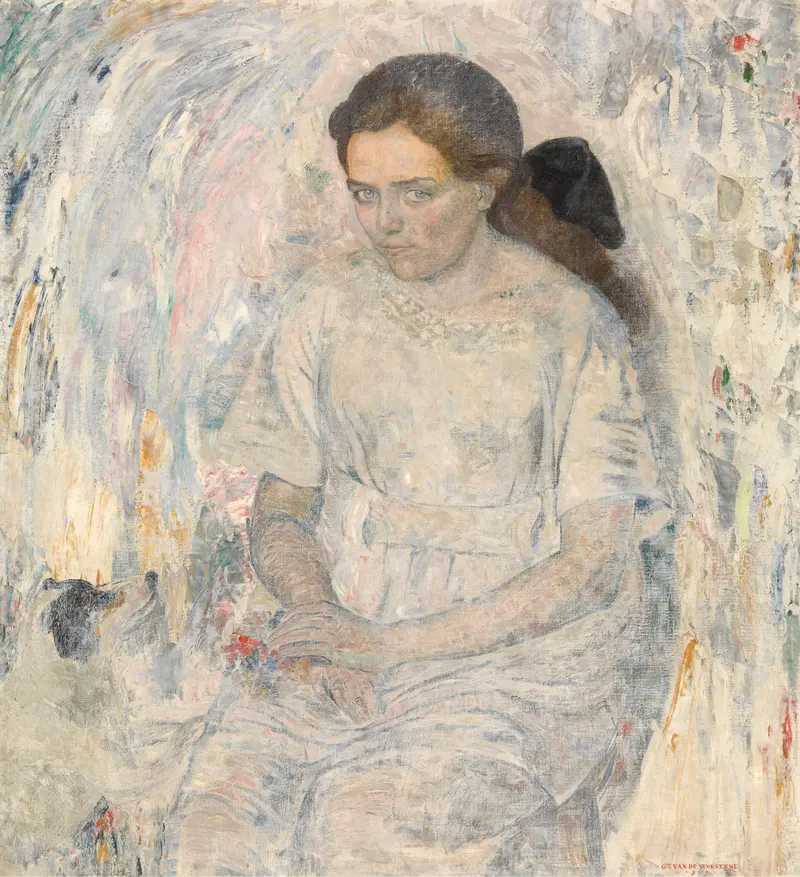
Adrienne
Gustave Van de Woestijne
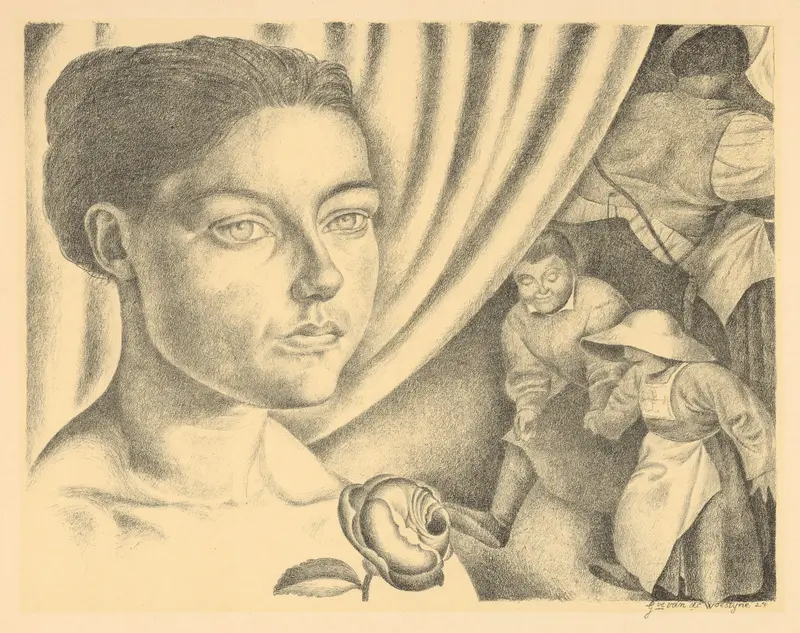
Jeune Femme
Gustave Van de Woestijne
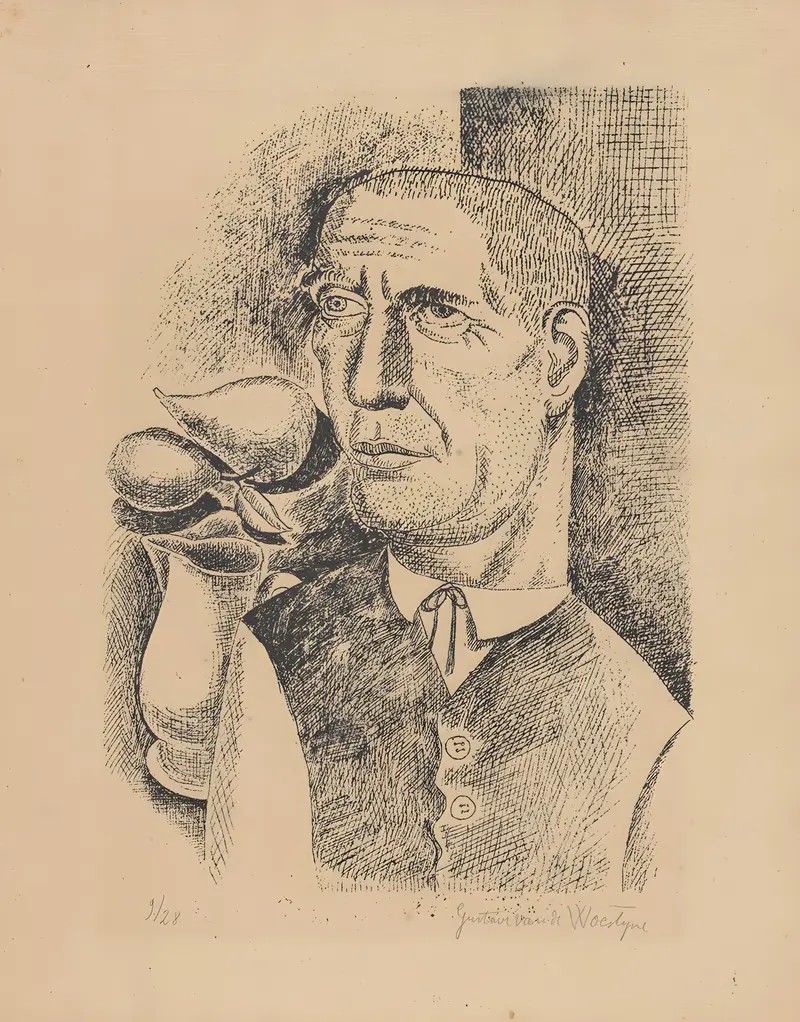
Boer op zijn zondags (Paysan endimanché)
Gustave Van de Woestijne
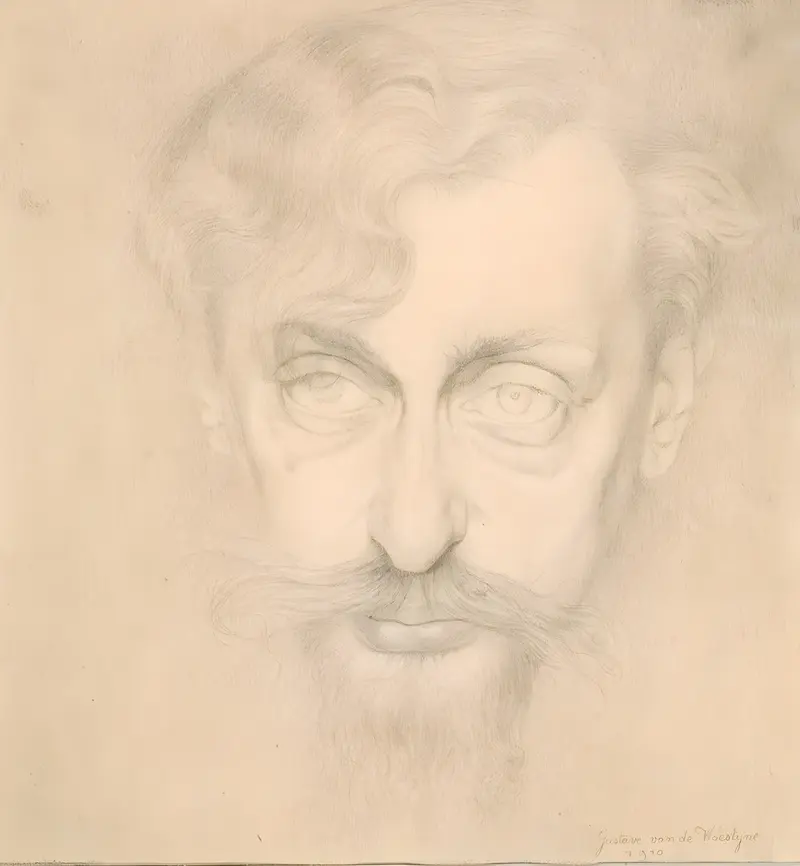
Portrait of the Writer Karel van de Woestijne
Gustave Van de Woestijne
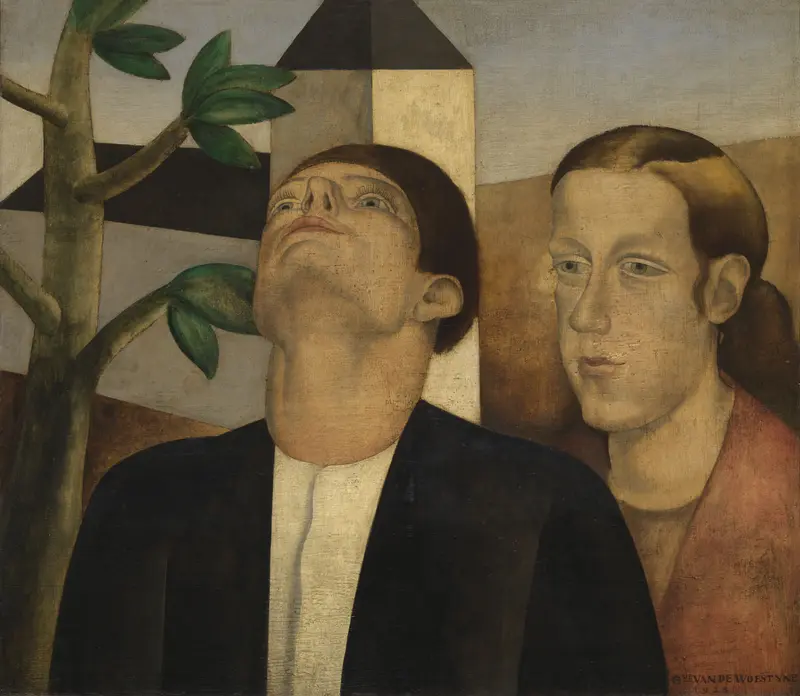
Azure
Gustave Van de Woestijne
How Reinaert devises a new trick to get free and exterminate his enemies
Gustave Van de Woestijne
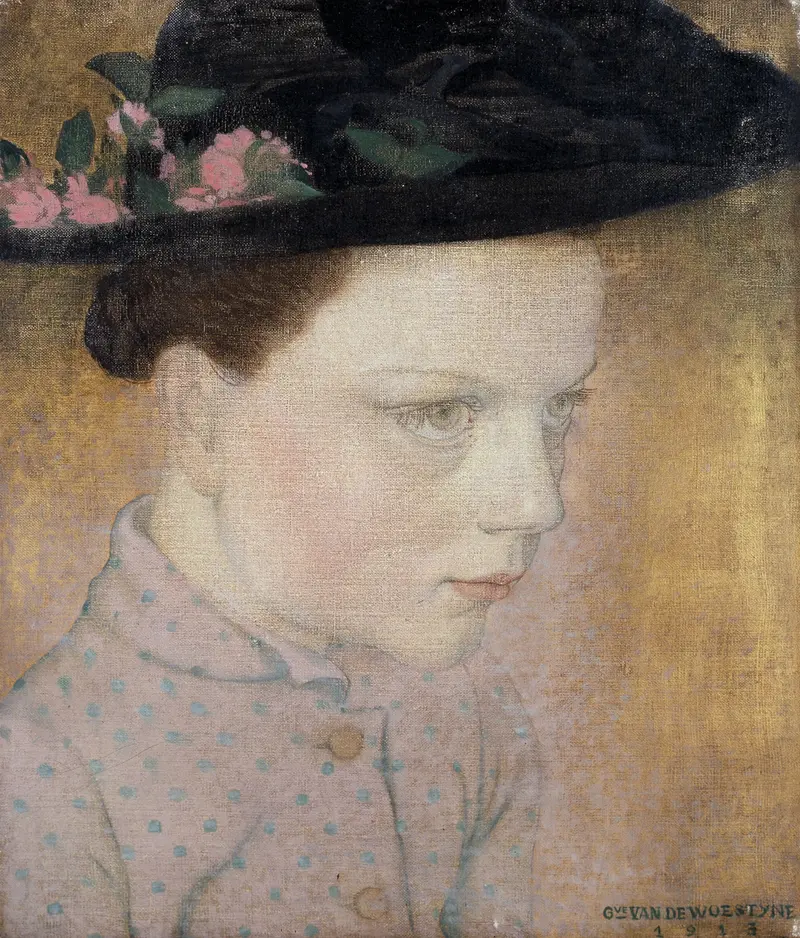
Country Girl
Gustave Van de Woestijne





