
Cleopatra discovered by her servants — History & Facts
Few artists have returned so often to the figure of Cleopatra as Artemisia Gentileschi, and yet each version reveals something new. In Cleopatra discovered by her servants, painted around 1635, Gentileschi tackled a subject that fascinated both her contemporaries and herself: the final, tragic moments of the Egyptian queen, whose death by asp was rumored, recounted, and reimagined across Europe. The painting is one of several by Gentileschi on Cleopatra’s suicide, but this version stands out for its focus on the aftermath—Cleopatra’s lifeless body just as her attendants stumble upon her, a scene rarely chosen by other artists of the Baroque. The drama unfolds in a shadowed chamber, where Cleopatra lies draped in rich fabrics, her head tilted back, lips parted, the asp still loosely coiled near her hand.
Her servants, caught in the moment of discovery, are frozen between horror and grief: one recoils, the other leans in, her hand reaching as if to confirm the queen’s fate. Gentileschi’s attention to the tactile—Cleopatra’s exposed skin, the heavy gold jewelry, the crumpled silks—draws the viewer into the physical reality of death. Unlike Guido Reni’s more idealized Cleopatra, Gentileschi’s version is unflinching, emphasizing the vulnerability of the queen and the emotional shock of her attendants.
The light falls harshly on Cleopatra’s body, isolating her in death and forcing the eye to confront the consequences of her final act. The exact origins of this painting remain uncertain; no direct documentation survives of its early ownership or commission. However, works of this type were often sought after by collectors eager for dramatic scenes from antiquity, and Gentileschi’s reputation in Naples and Rome during the 1630s would have made her a favored choice. Over time, attribution to Artemisia Gentileschi was debated, as with many of her works, but consensus now firmly credits her hand.
Today, Cleopatra discovered by her servants stands as a testament to Gentileschi’s bold approach to female subjects and her enduring fascination with stories of women’s agency and suffering.
More Artworks by Artemisia Gentileschi

Judith Beheading Holofernes
Artemisia Gentileschi
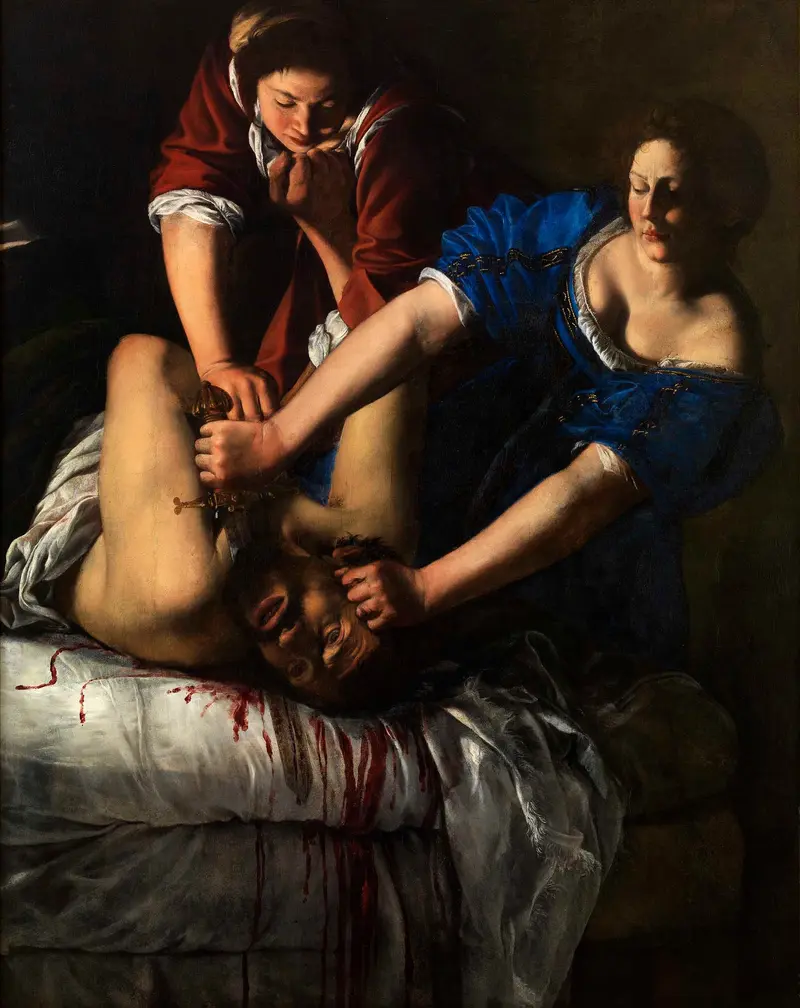
Judith Slaying Holofernes
Artemisia Gentileschi
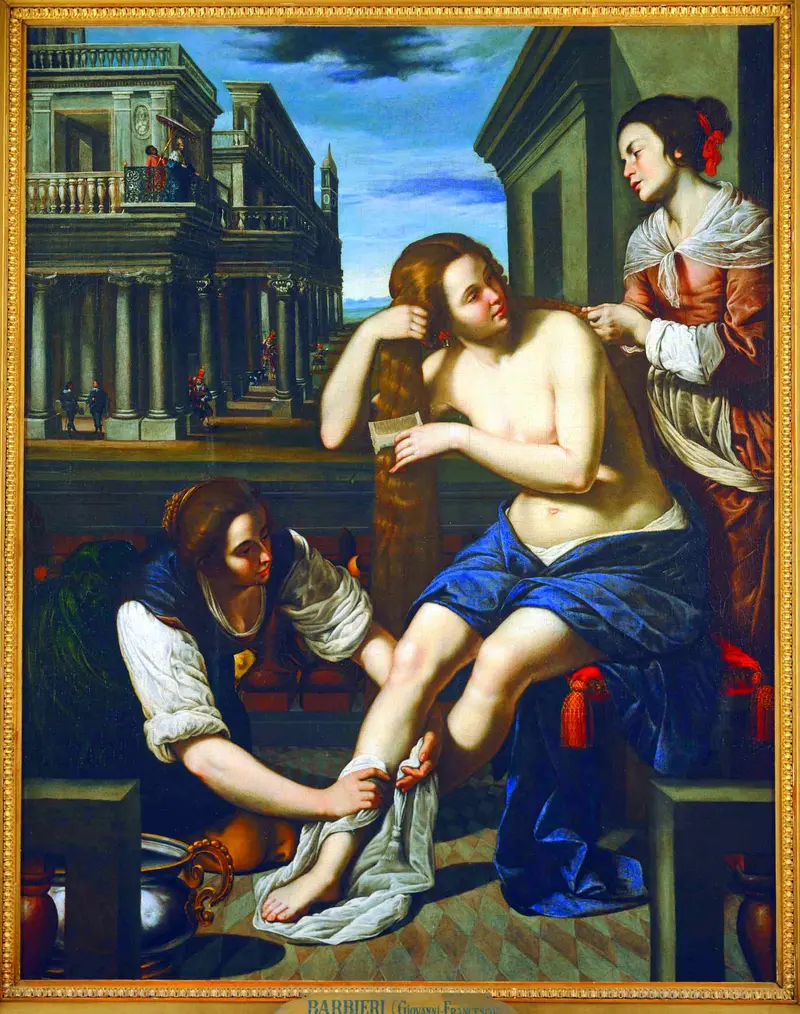
Bathsheba at Her Bath
Artemisia Gentileschi
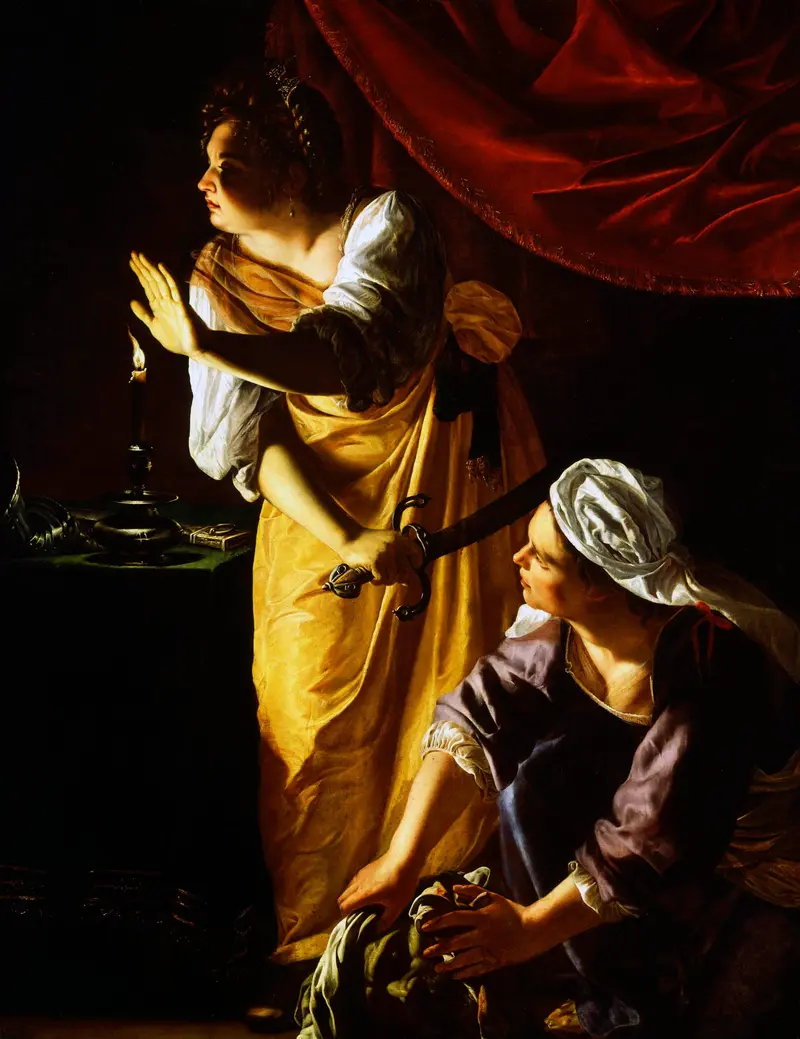
Judith and Maidservant with Head of Holofernes
Artemisia Gentileschi

Adoration of the Magi
Artemisia Gentileschi
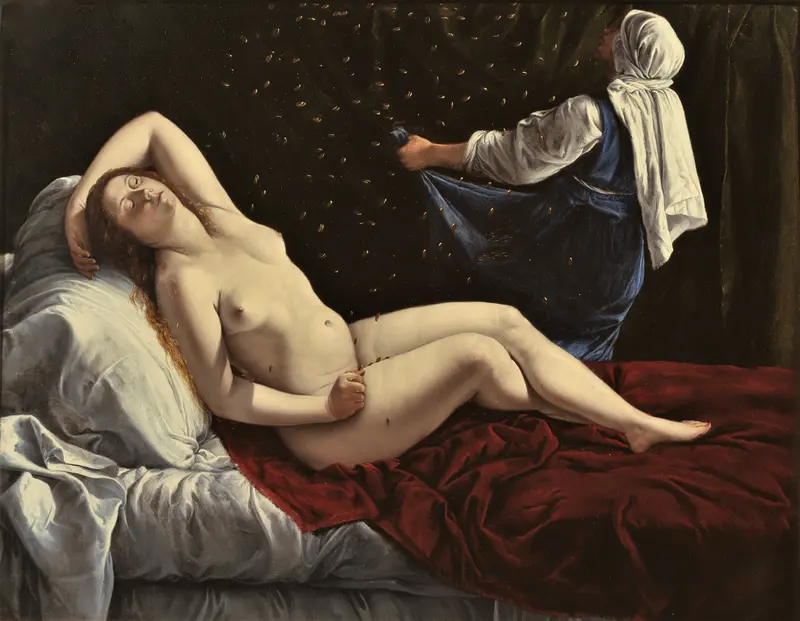
Danaë
Artemisia Gentileschi
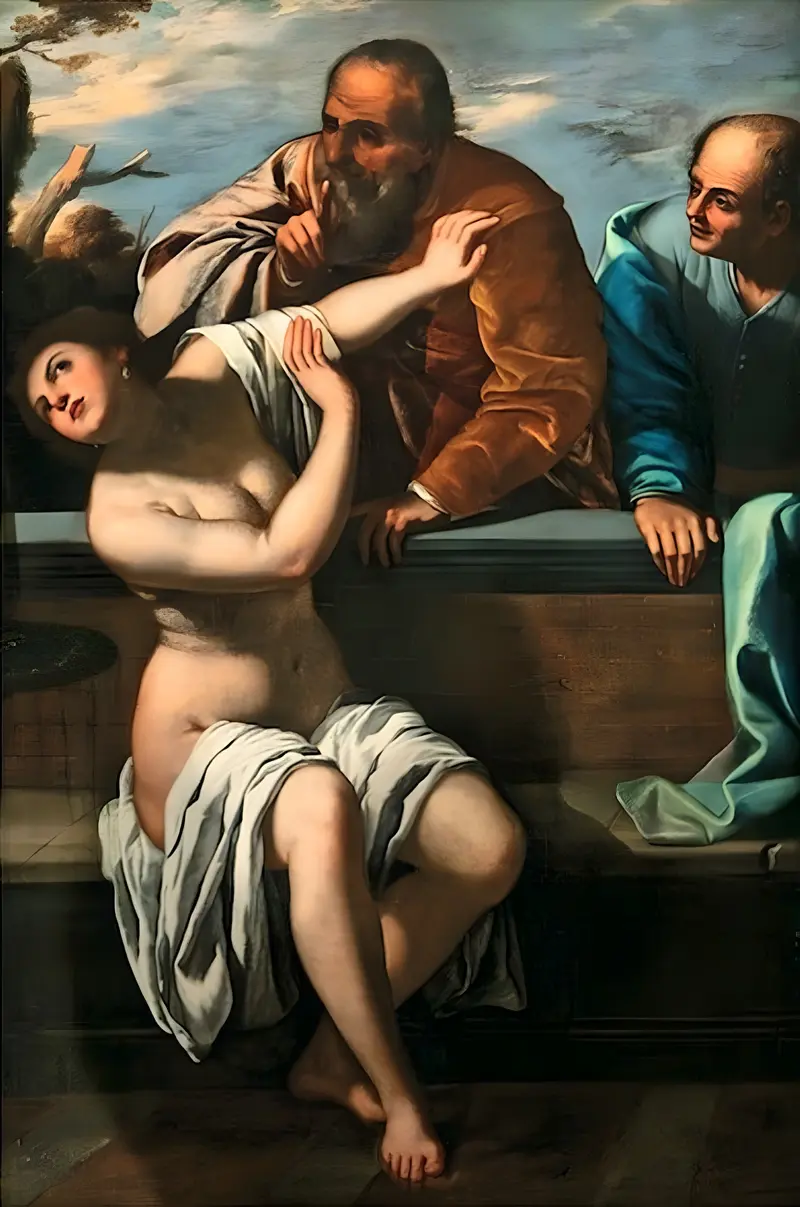
Susannah and the Elders
Artemisia Gentileschi

Judith and her Servant with the Head of Holofernes
Artemisia Gentileschi
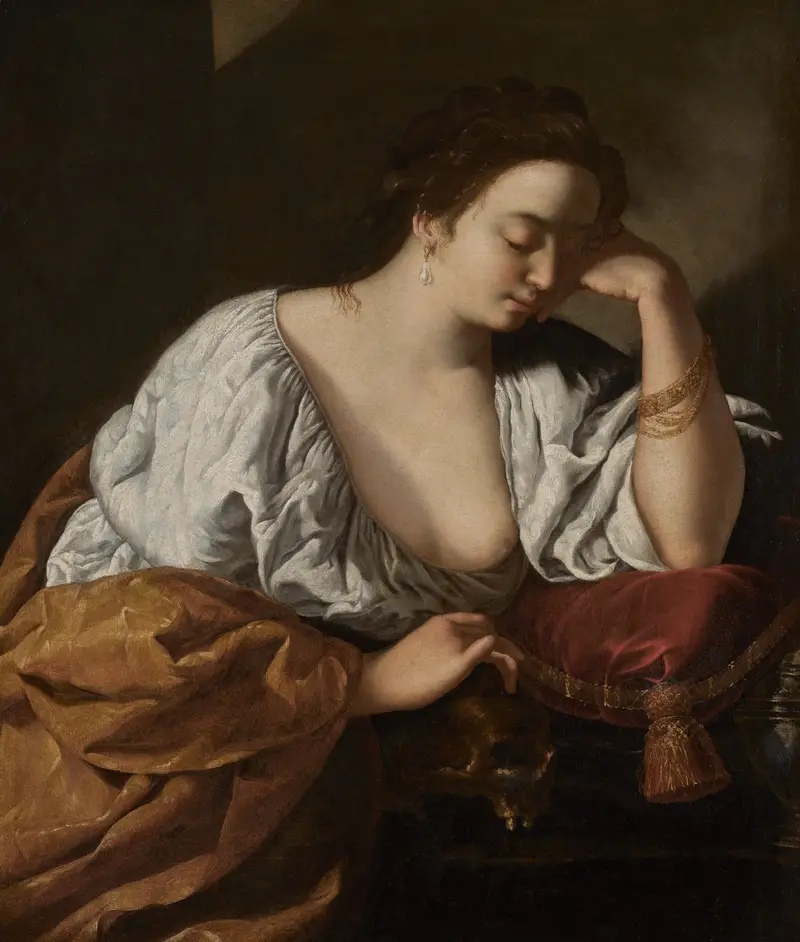
Madeleine pénitente, par
Artemisia Gentileschi

Portrait of a Gonfaloniere
Artemisia Gentileschi





