
Cleopatra Testing Poisons on Condemned Prisoners — History & Facts
In 1887, at the height of his fame, Alexandre Cabanel shocked Parisian audiences with a painting that dared to show Cleopatra not as a tragic beauty, but as a calculating ruler, experimenting with poisons on the bodies of the condemned. The subject, drawn from Plutarch’s Lives, had rarely been depicted with such clinical detachment. The painting’s debut at the Salon coincided with a renewed fascination for ancient Egypt in France, fueled by archaeological discoveries and the rise of Orientalism.
Critics were divided: some praised Cabanel’s cool precision, while others recoiled at the coldness of the queen’s gaze. Cabanel freezes the story at its most chilling instant. Cleopatra, draped in sumptuous fabrics, reclines on her throne, her face set in impassive concentration as a prisoner convulses at her feet. A tray of vials glints in the lamplight, while anxious attendants shrink from the unfolding horror.
The queen’s gesture—one hand raised, the other steadying a cup—signals both command and curiosity, as she observes the effects of each toxin. The marble columns and sphinxes evoke the grandeur of Ptolemaic Egypt, yet the mood is clinical, almost theatrical. Unlike Lawrence Alma-Tadema’s lush, sentimental visions of antiquity, Cabanel’s Cleopatra is a scientist and sovereign, her power measured in life and death. The precise commission for Cleopatra Testing Poisons on Condemned Prisoners is not recorded, but its scale and ambition suggest it was intended for a major public or private collection.
Cabanel, a leading figure of the Academic movement and a favorite of Napoleon III, was at the peak of his career, known for his ability to blend historical drama with technical finesse. The painting’s whereabouts have shifted over time; it has appeared in several exhibitions devoted to Orientalism and nineteenth-century history painting, but details of its early provenance remain unclear. Today, it stands as one of Cabanel’s most provocative works, a testament to the era’s fascination with both the glamour and the brutality of the ancient world.
More Artworks by Alexandre Cabanel
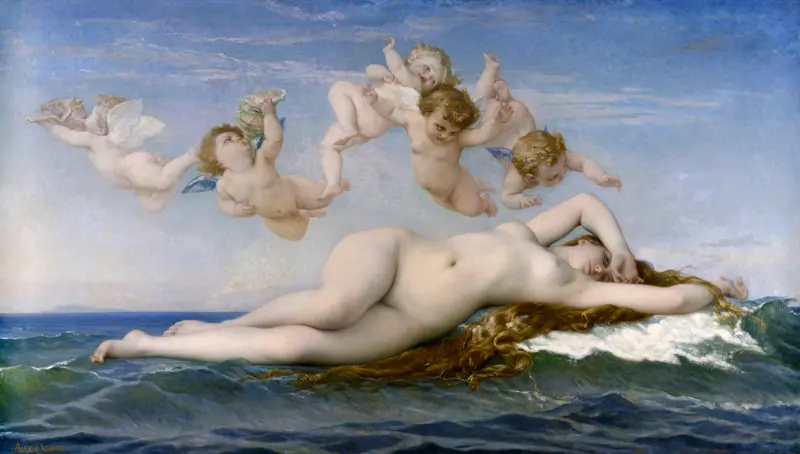
The Birth of Venus
Alexandre Cabanel
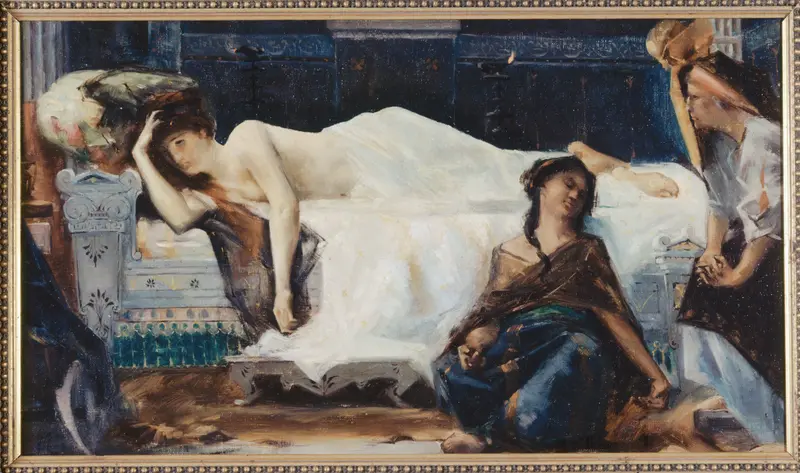
Phèdre
Alexandre Cabanel
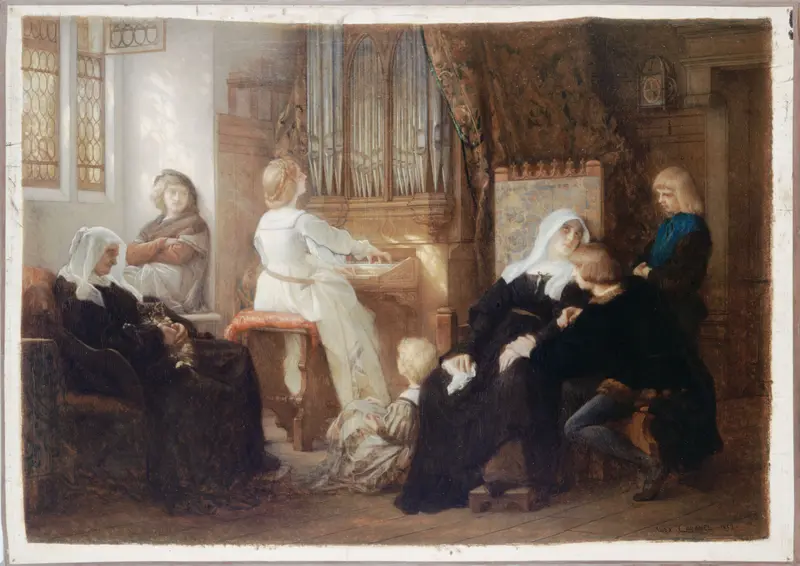
La veuve du maître de chapelle
Alexandre Cabanel
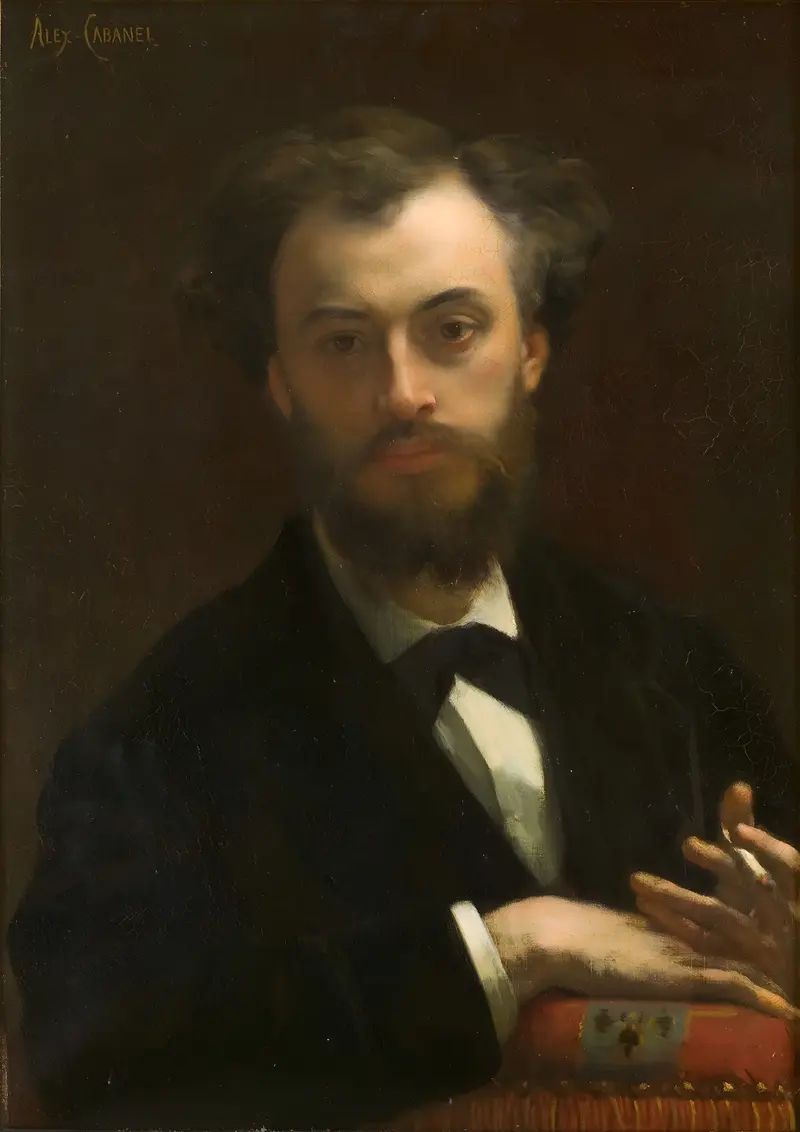
Portrait de M. Pierre Cabanel
Alexandre Cabanel
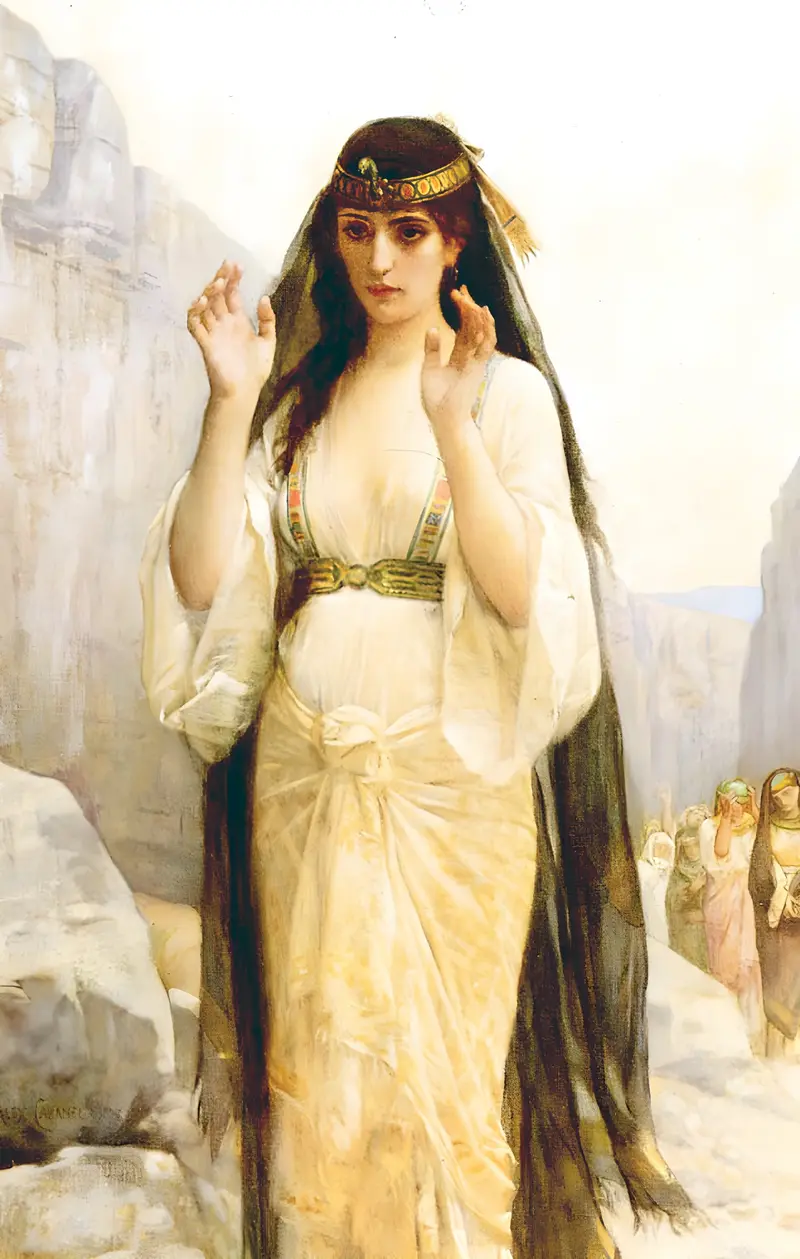
The Daughter of Jephthah
Alexandre Cabanel
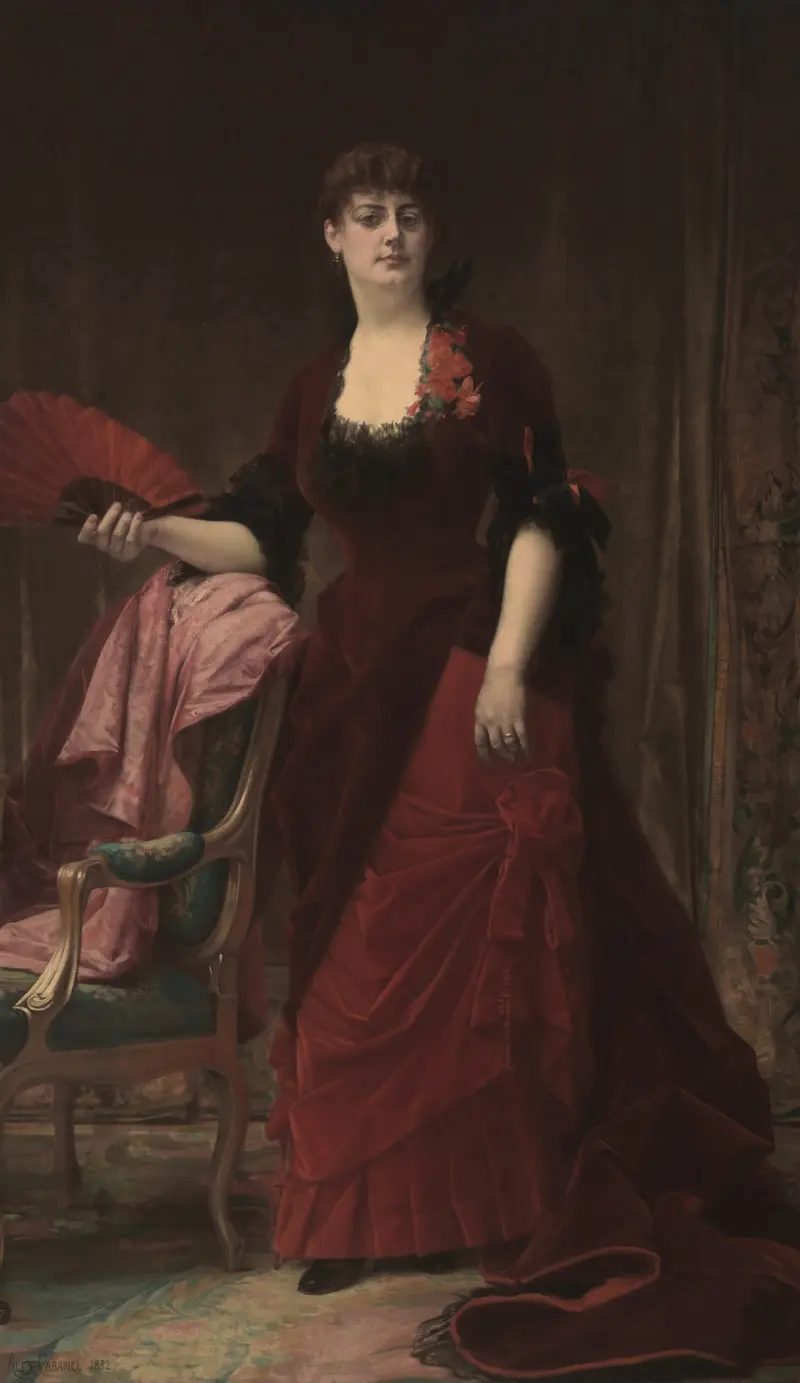
Portrait of Arabella Worsham (later Arabella Huntington)
Alexandre Cabanel
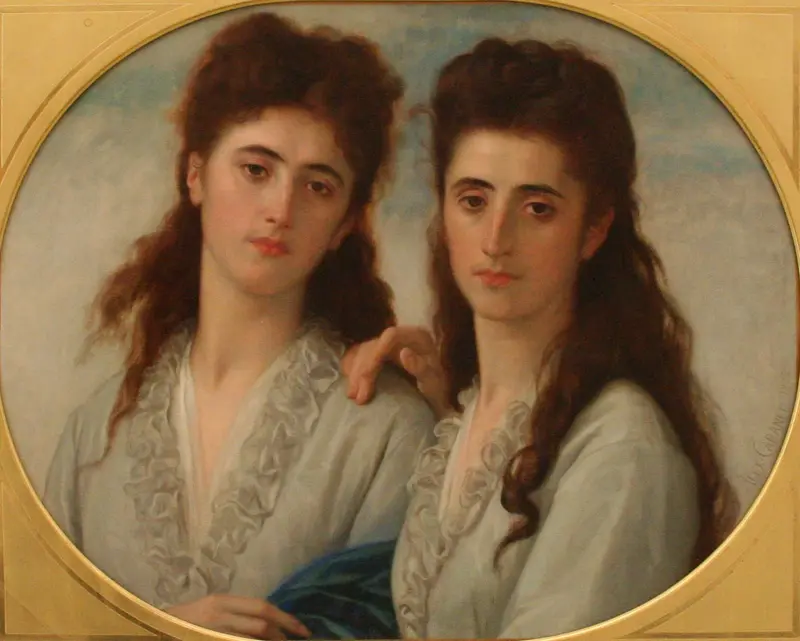
Portrait de mesdemoiselles Sophie et Berthe Cabanel
Alexandre Cabanel
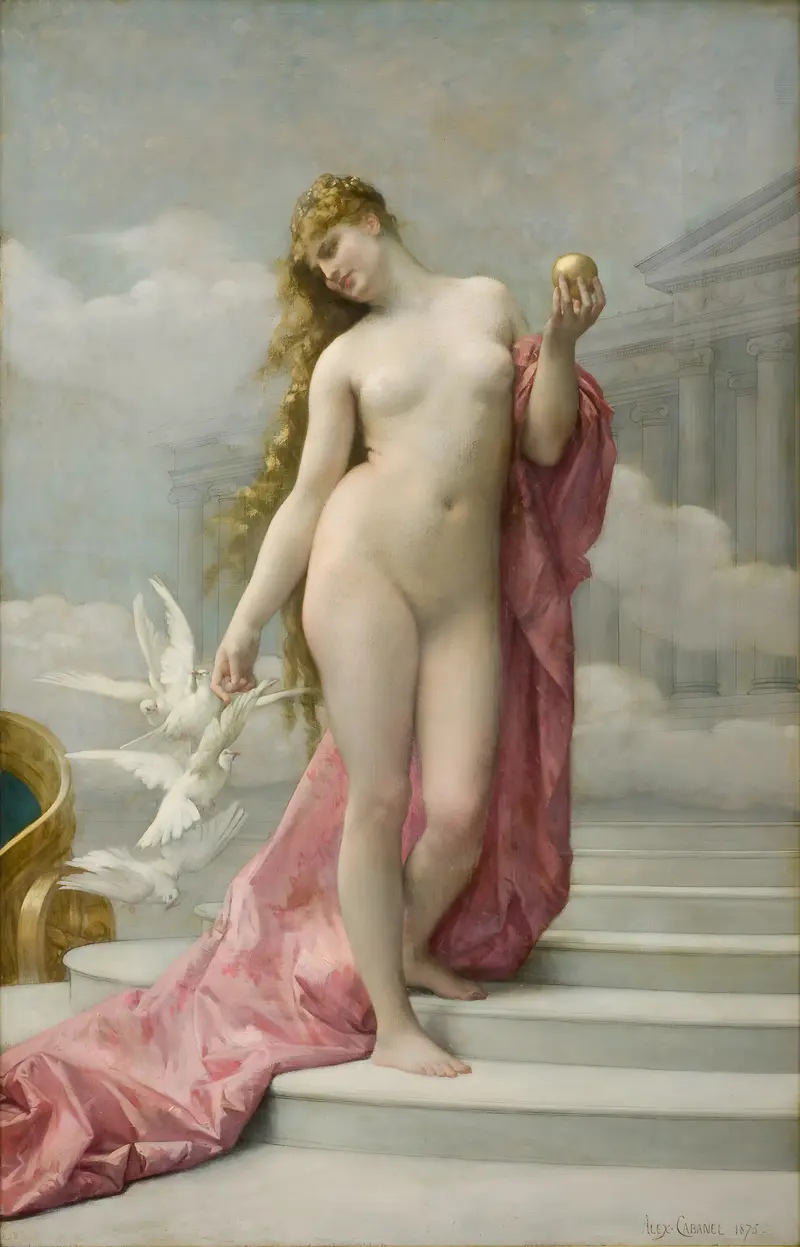
Vénus victorieuse
Alexandre Cabanel
Judith
Alexandre Cabanel
Catharine Lorillard Wolfe (1828–1887)
Alexandre Cabanel





