
Corisca and the Satyr — History & Facts
In 1630, Artemisia Gentileschi painted a scene rarely tackled by her contemporaries: the attempted assault of Corisca by a satyr, drawn from Giovanni Battista Guarini’s pastoral play Il Pastor Fido. What makes this work remarkable is not only its rarity—few artists, and even fewer women, dared to paint such a charged moment—but also the way Gentileschi transforms a literary episode into a vivid drama of agency and escape. While the subject was familiar to Italian audiences through the stage, Gentileschi’s interpretation stands out for its psychological tension and the assertiveness of its heroine. At the heart of the painting, Corisca twists away from the grasp of a grotesque satyr, her body caught mid-flight, her face alive with cunning rather than fear.
In Guarini’s play, Corisca tricks the satyr by luring him with her garland, then escapes as he is distracted. Gentileschi captures this exact moment: Corisca’s hand still outstretched, the satyr’s greedy gaze fixed on the bait, his animal limbs coiled in anticipation. The contrast between Corisca’s bright, flowing dress and the satyr’s coarse, shadowed form underlines their opposition—innocence and wit against brute desire.
Unlike Titian’s mythological nymphs, who often appear passive, Gentileschi’s heroine is alert, resourceful, and in command of her fate. The painting’s early history remains obscure, with no surviving records of its original commission or patron. It is likely that Gentileschi painted Corisca and the Satyr during her years in Naples, a period marked by both creative freedom and the search for new patrons. Over time, the work passed through private collections, and for many years its attribution was uncertain, sometimes misidentified as the work of a male contemporary.
Today, the painting is recognized as a significant example of Gentileschi’s mature style—her bold handling of myth, her empathy for female protagonists, and her technical command of drama and light. Its current location is not widely publicized, but it remains a touchstone for understanding both Gentileschi’s artistry and the broader ambitions of women painters in the Baroque era.
More Artworks by Artemisia Gentileschi

Judith Beheading Holofernes
Artemisia Gentileschi
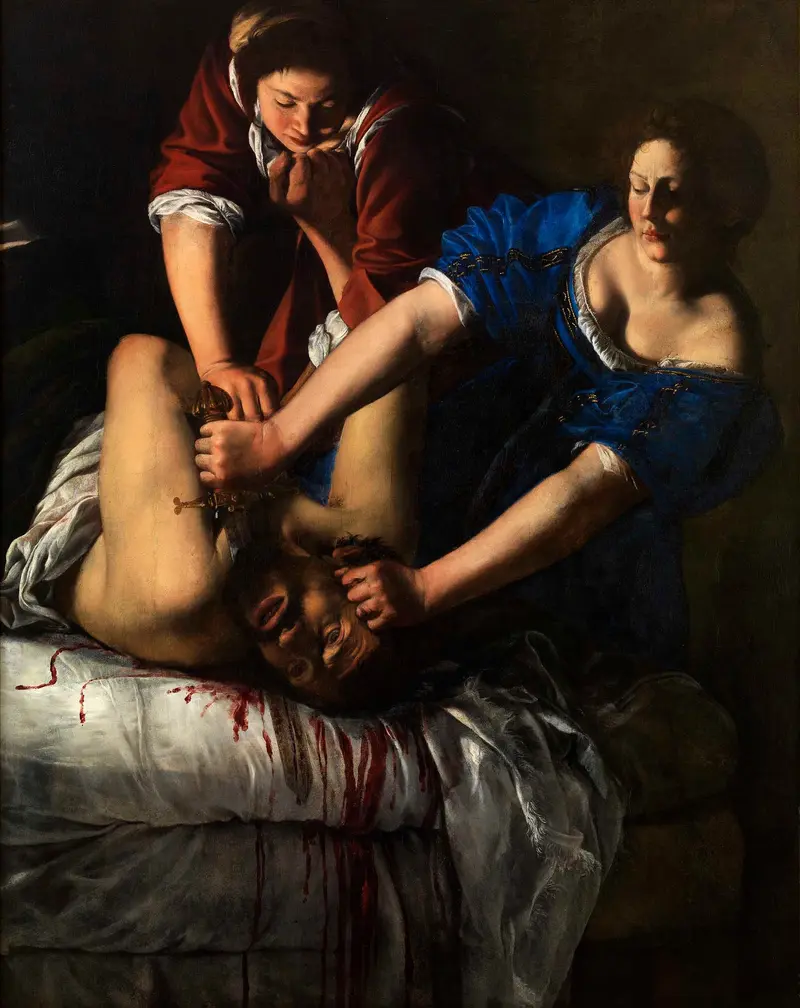
Judith Slaying Holofernes
Artemisia Gentileschi
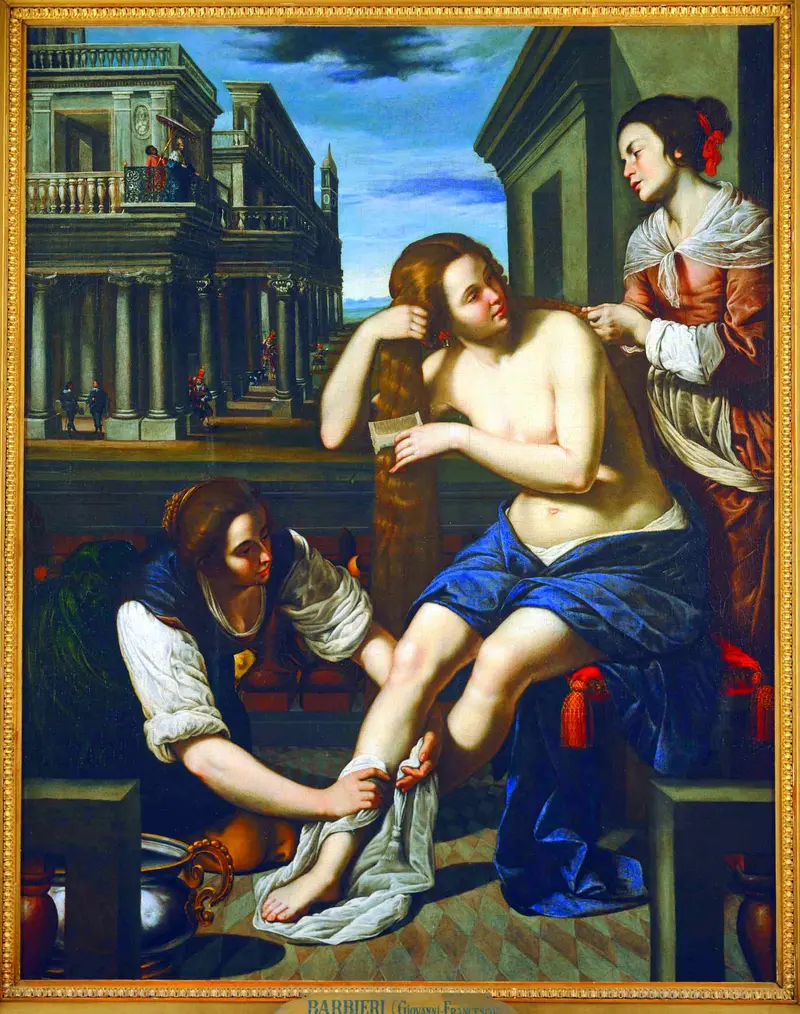
Bathsheba at Her Bath
Artemisia Gentileschi
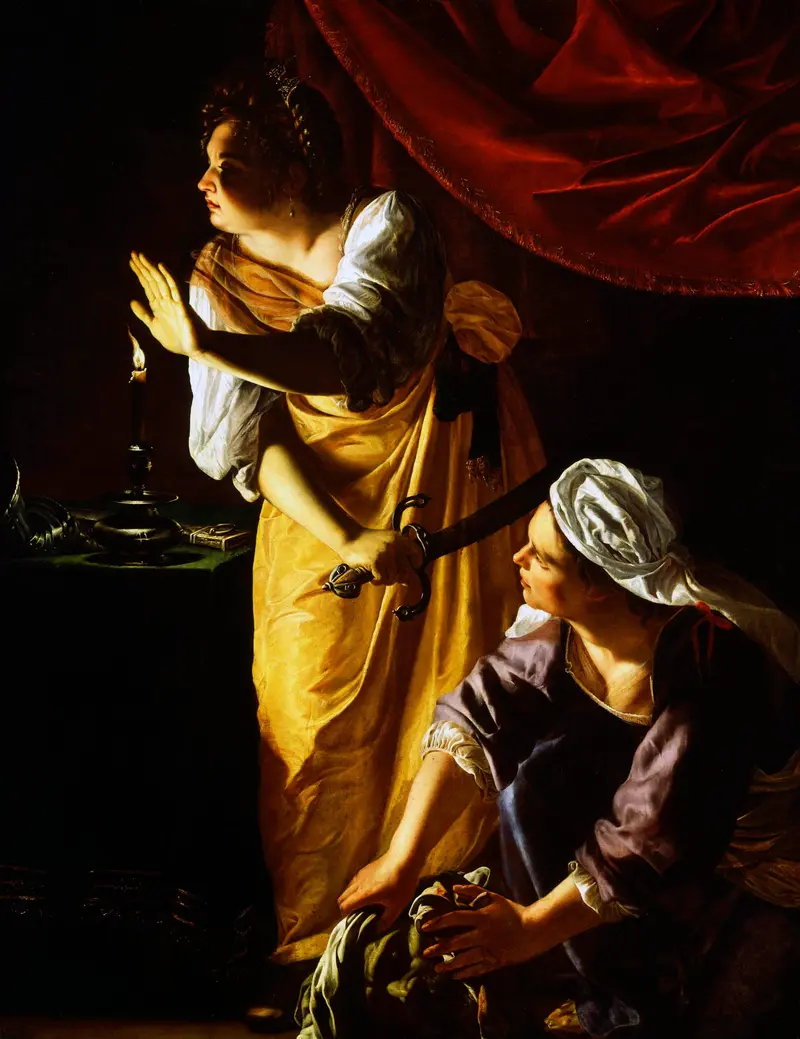
Judith and Maidservant with Head of Holofernes
Artemisia Gentileschi
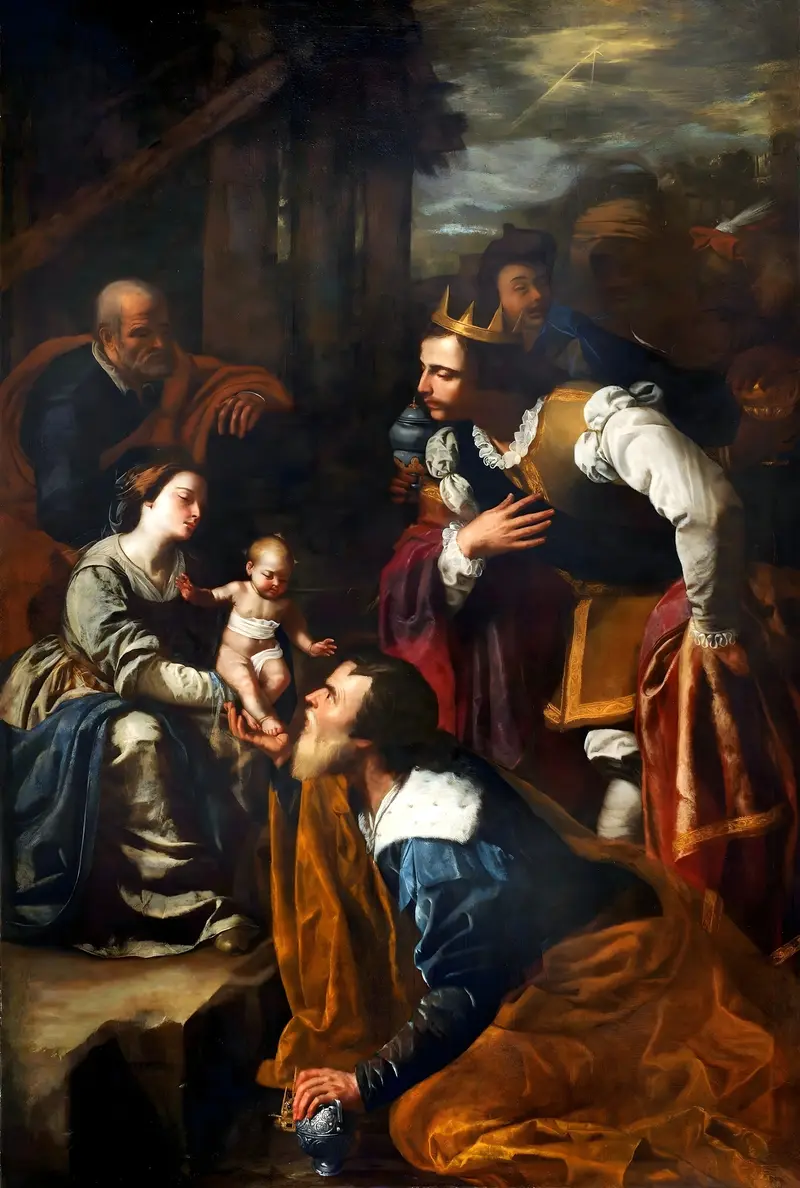
Adoration of the Magi
Artemisia Gentileschi
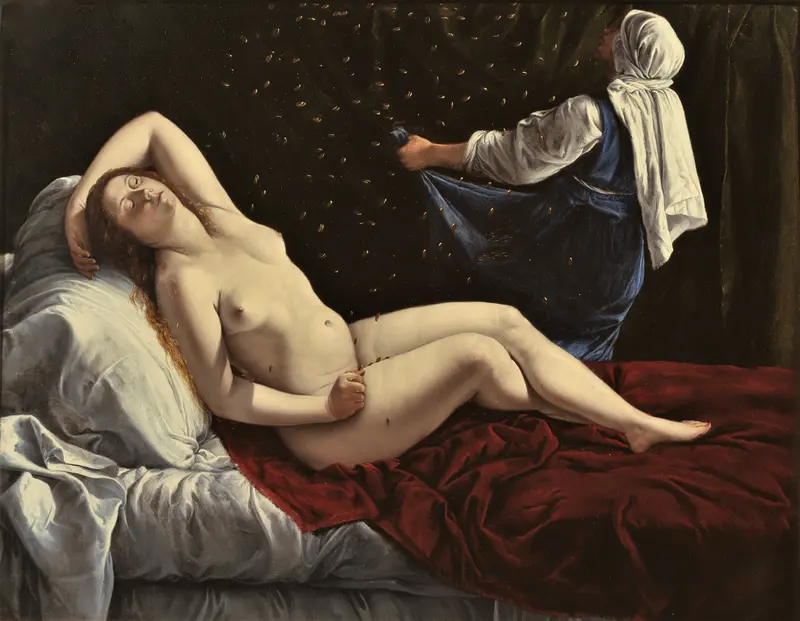
Danaë
Artemisia Gentileschi
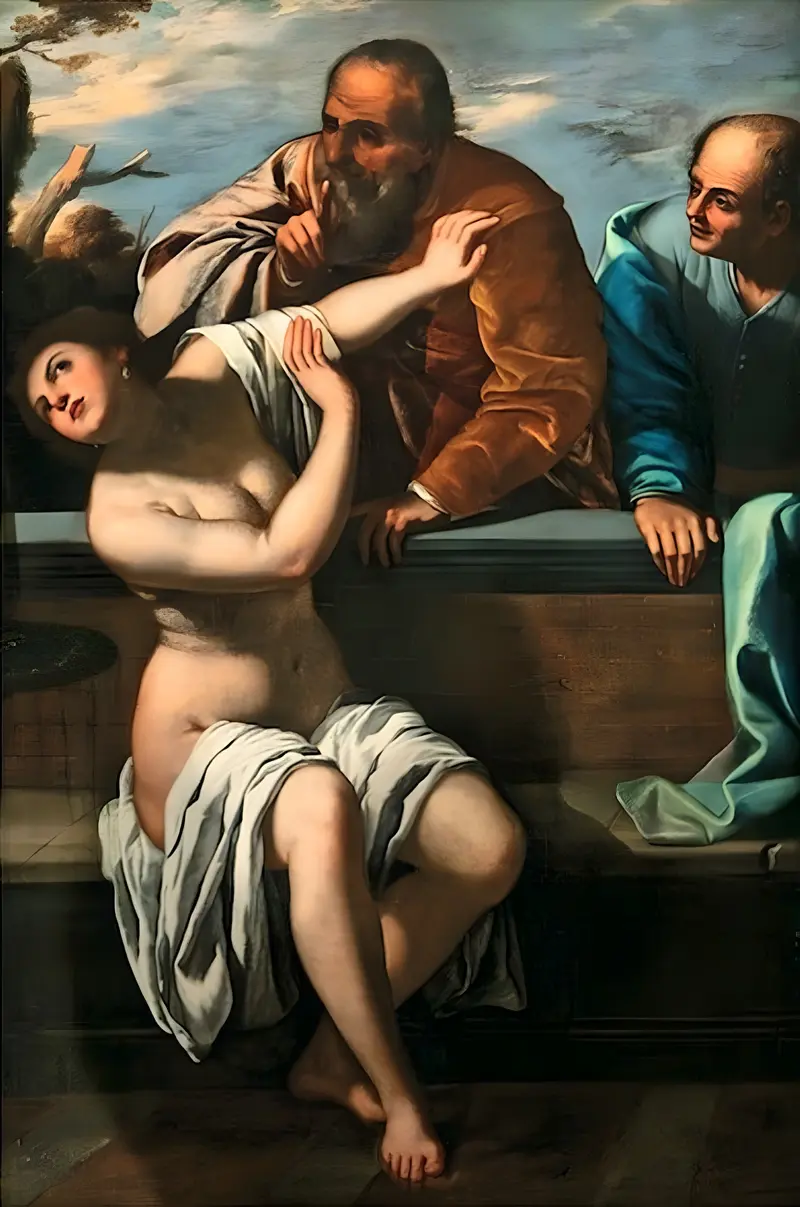
Susannah and the Elders
Artemisia Gentileschi

Judith and her Servant with the Head of Holofernes
Artemisia Gentileschi
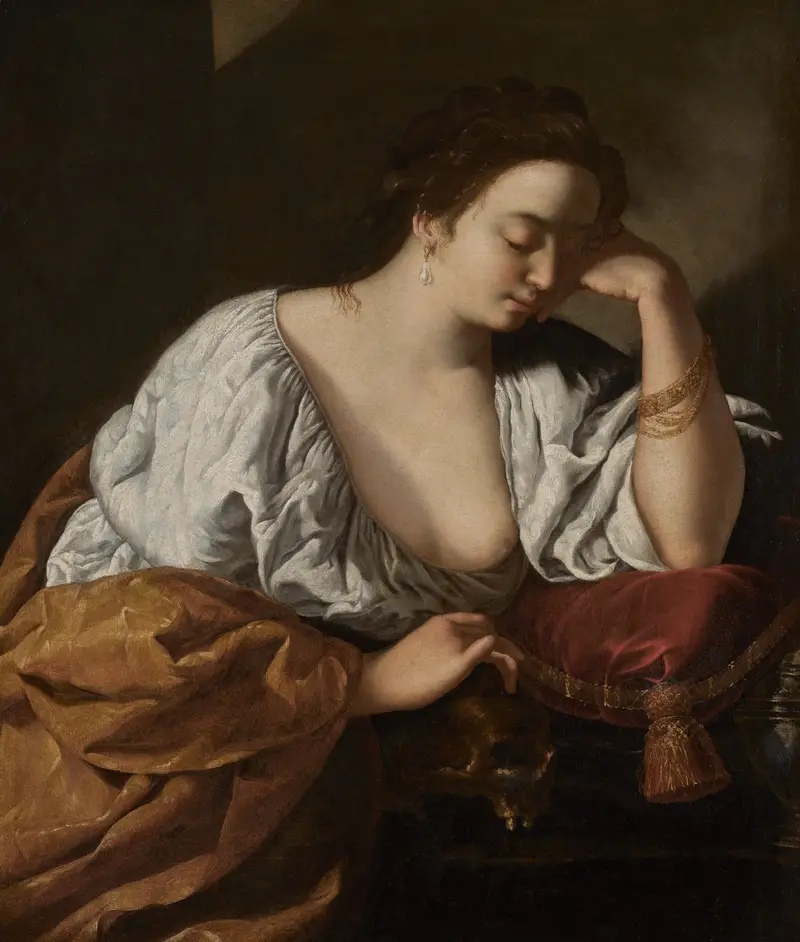
Madeleine pénitente, par
Artemisia Gentileschi
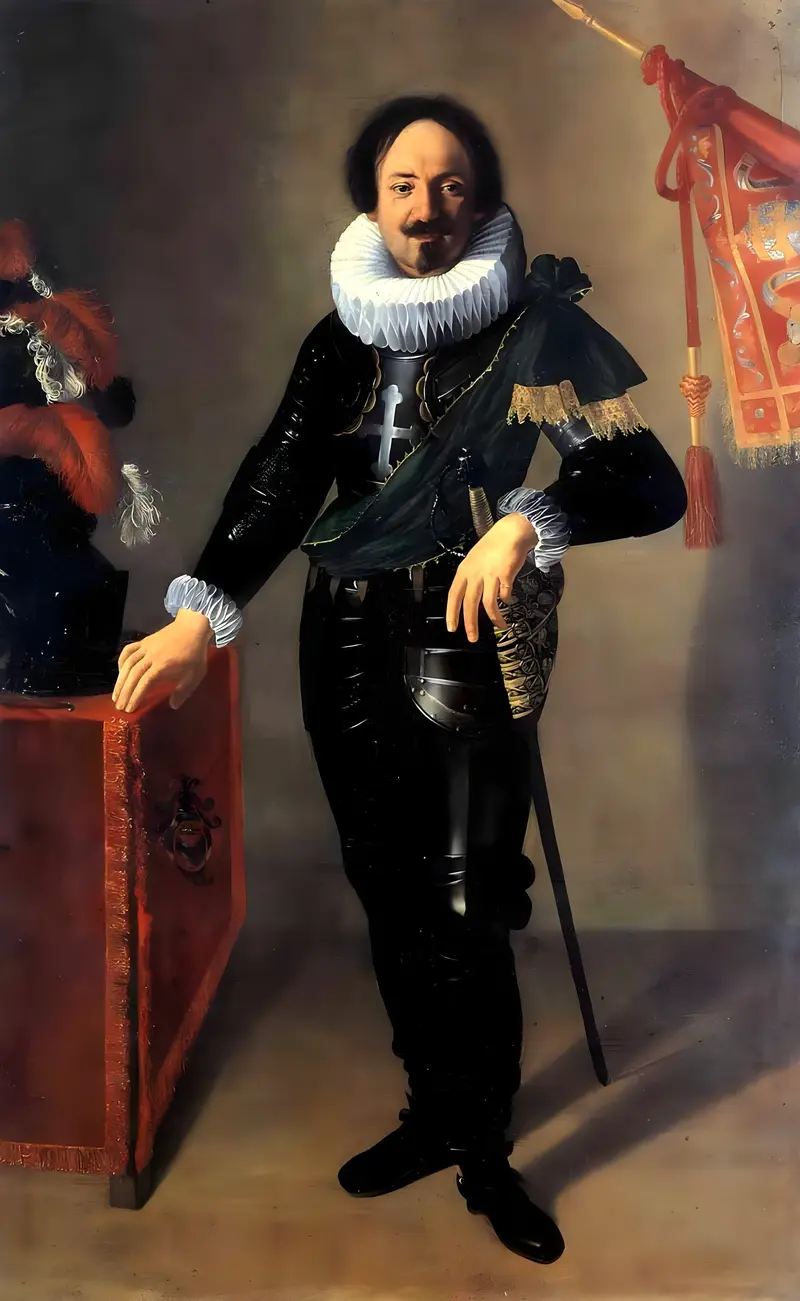
Portrait of a Gonfaloniere
Artemisia Gentileschi





