
de Bacchus et Ariane — History & Facts
What first seizes the eye in de Bacchus et Ariane is the intimate drama unfolding beneath a crown of stars. The god leans in, his animal skin draped over a bare shoulder, as he gently places a diadem above the reclining woman’s head. Her gaze lifts—not to him, but to the heavens, as if already sensing her transformation.
The artist draws us into this charged moment, where gesture and glance tell a story of elevation and desire, and the green drapery anchors the figures against a sky that seems to open with possibility. This work belongs to the world of eighteenth-century France, when mythological scenes were a favored playground for painters seeking both sensuality and grandeur. Such paintings, often destined for private salons or aristocratic collections, allowed viewers to contemplate ancient stories through the lens of contemporary taste—luxurious fabrics, soft flesh, and a hint of playful irreverence. Created by Jean-François de Troy by 1752, and now held in the Musée des Beaux-Arts de Brest, this painting is a testament to the enduring appeal of myth recast in the language of its own time.
Look again at the crown of stars: a simple gesture, yet it promises immortality, both for Ariadne and for the art that preserves her.
More Artworks by Jean-François de Troy
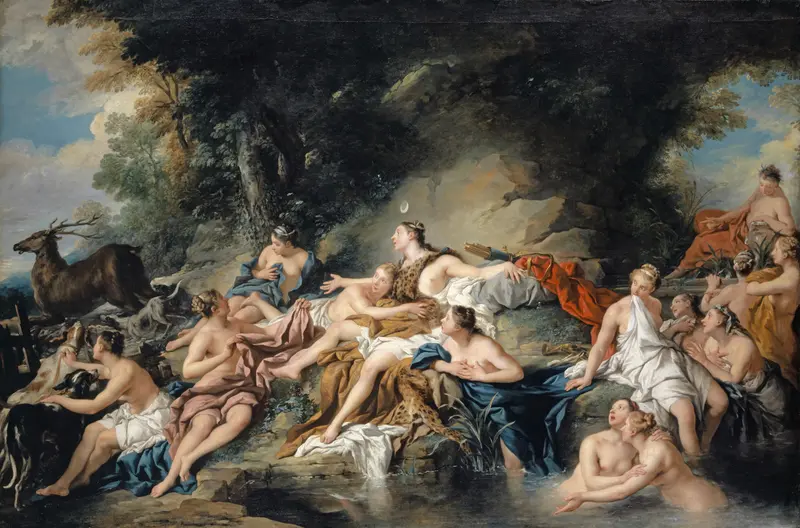
Diana and Actaeon
Jean-François de Troy
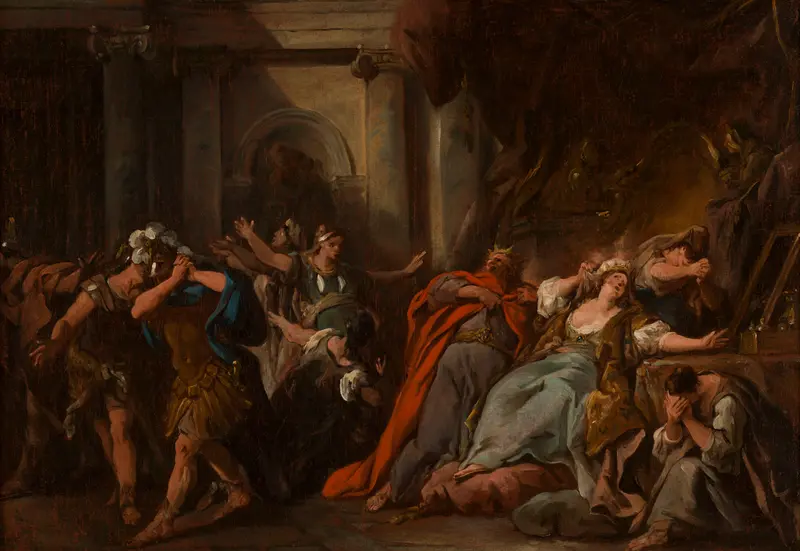
Créüse consumée par la robe empoisonnée
Jean-François de Troy
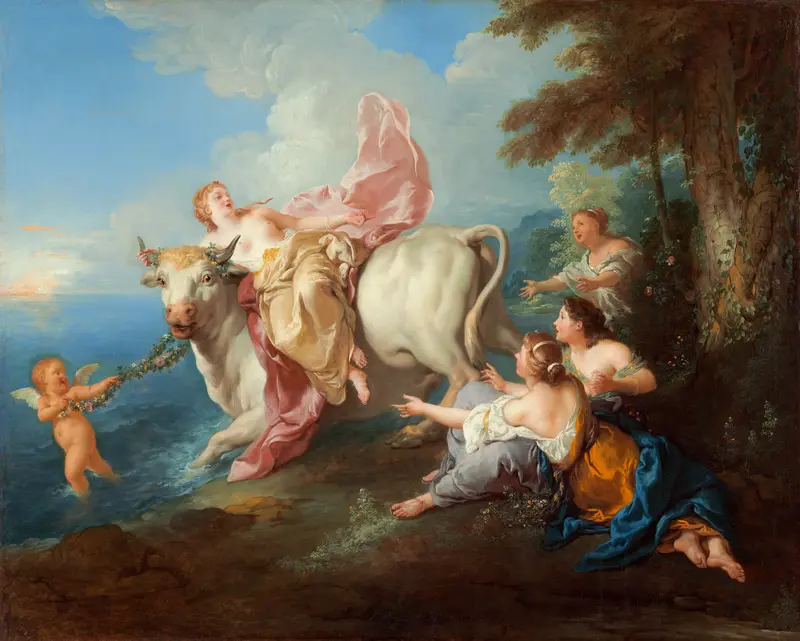
The Abduction of Europa
Jean-François de Troy
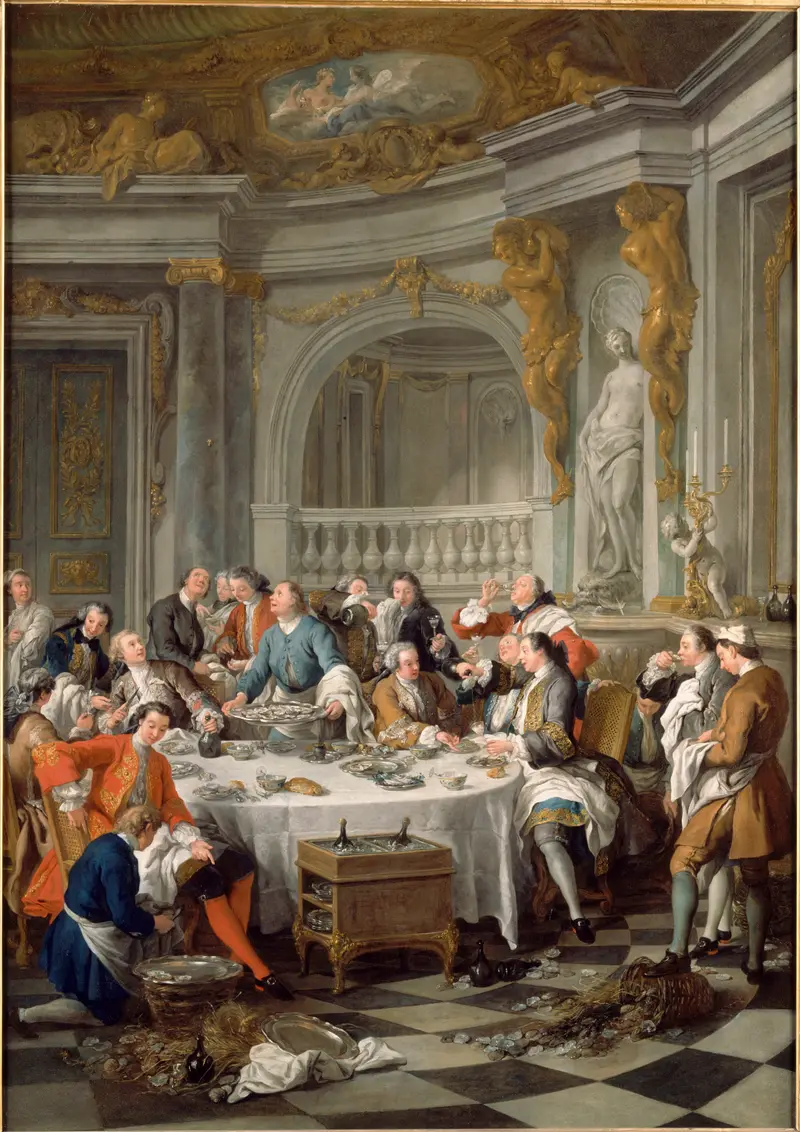
The Lunch of Oysters
Jean-François de Troy
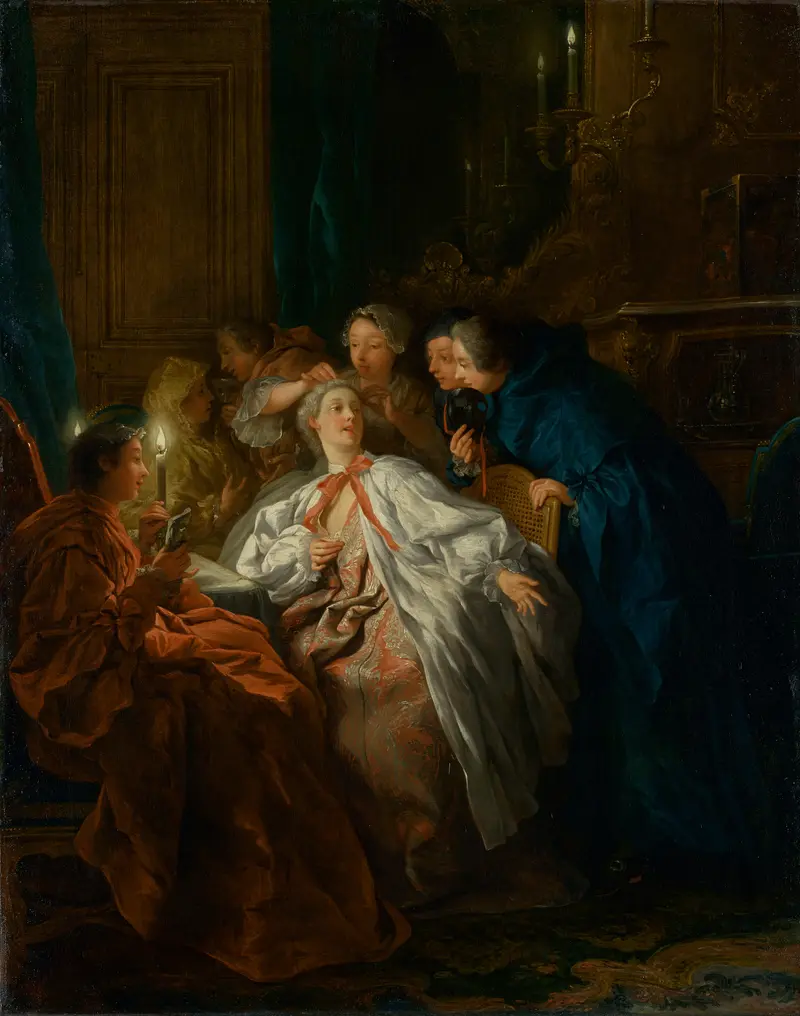
Before the Ball
Jean-François de Troy
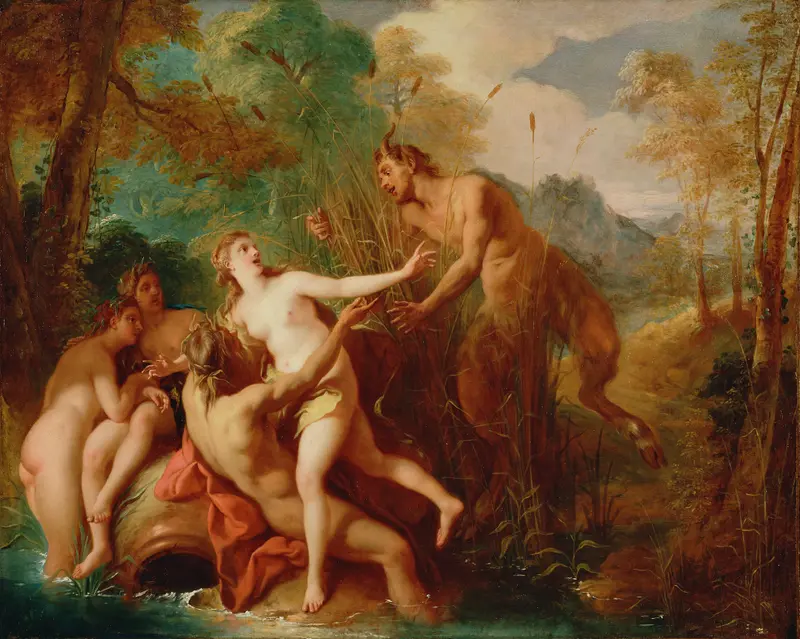
Pan and Syrinx
Jean-François de Troy

Le Combat des soldats nés des dents du serpent
Jean-François de Troy
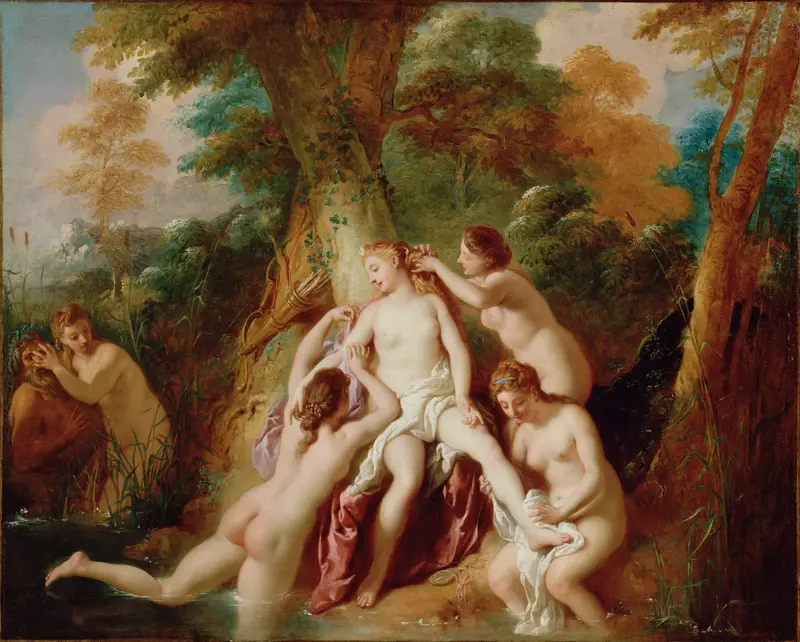
Diana and Her Nymphs Bathing
Jean-François de Troy
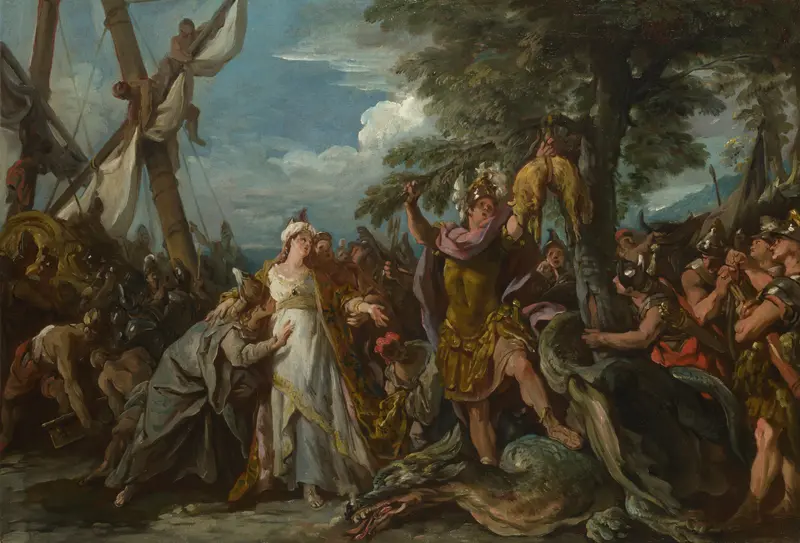
The Capture of the Golden Fleece
Jean-François de Troy
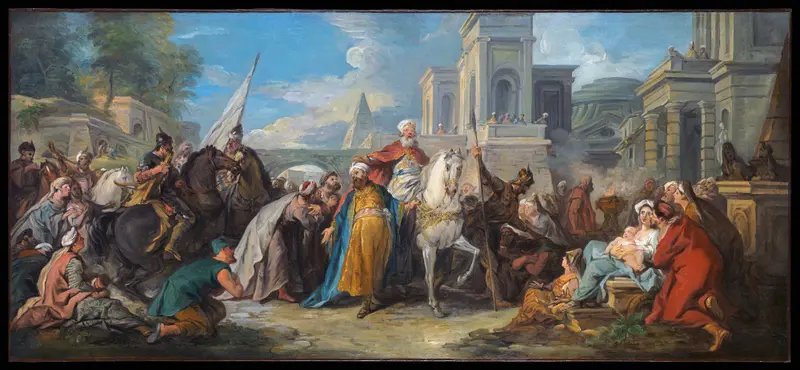
The Triumph of Mordecai
Jean-François de Troy





