
Development of a Theme in Red: Carnival — History & Facts
No other Belgian Futurist ever delved as deeply into the feverish spirit of Carnival as Jules Schmalzigaug did in his Development of a Theme in Red: Carnival. The painting is a rare survivor from Schmalzigaug’s brief but intense Futurist period, when he was one of the few artists outside Italy to be accepted by the movement’s founders. While the exact year and circumstances of its creation remain uncertain, the work is often discussed as a key example of Schmalzigaug’s attempt to translate the dynamism of Italian Futurism into the color and rhythm of his native Antwerp’s festivities.
Its title suggests not a single moment, but a process—a painter’s attempt to capture the pulsing life of Carnival through the repeated motif of red. In the painting, the eye is swept up in a whirl of crimson arcs and flickering forms, as if the very air is vibrating with music and laughter. Schmalzigaug chooses not to depict a single identifiable scene or figure, but instead explodes the event into fragments: masks, streamers, and blurred faces dissolve into a cascade of red, orange, and gold. The color red dominates, evoking both the heat of celebration and the sense of a ritual unbound by time.
Unlike Umberto Boccioni’s The Laugh, which also seeks to convey movement but retains some figural clarity, Schmalzigaug’s Carnival is almost abstract, the subject lost in the rhythm of brushstrokes. The effect is less a record of what was seen than a memory of how it felt to be there. Little is known about the early history of Development of a Theme in Red: Carnival; its provenance is as elusive as the forms on its canvas. It may have remained in the artist’s possession until his untimely death in 1917, after which many of his works were dispersed or lost.
Today, the painting is recognized as a crucial link between Belgian modernism and the Italian Futurist movement, and it is often included in exhibitions exploring the international reach of Futurist ideas. For Schmalzigaug, this work represents a high point in his exploration of color and movement before his career was cut short by war and illness. Its survival allows us to glimpse both the exuberance of Carnival and the restless experimentation of early twentieth-century art.
More Artworks by Jules Schmalzigaug

A View of Scheveningen
Jules Schmalzigaug
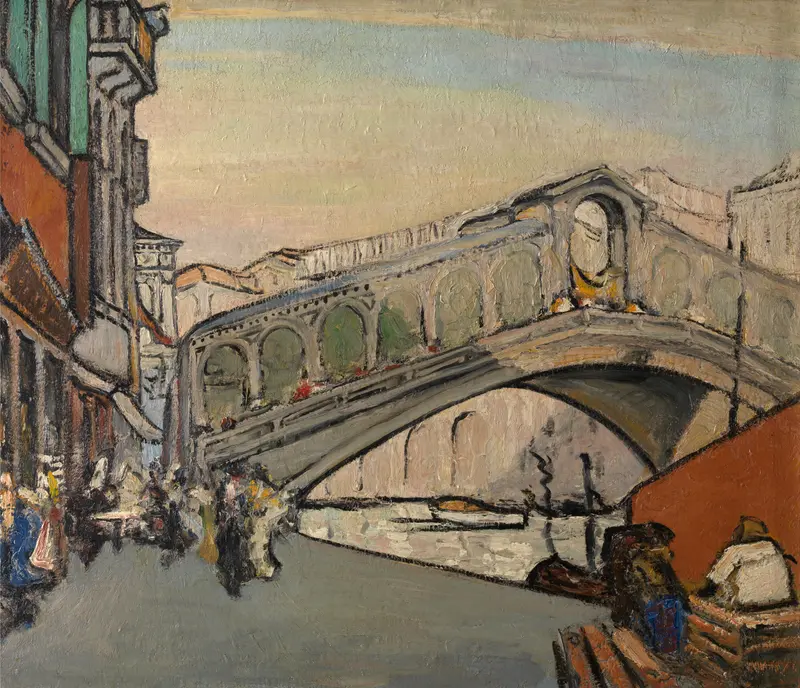
The Rialto Bridge in Venice
Jules Schmalzigaug

Abstract Bouquet
Jules Schmalzigaug
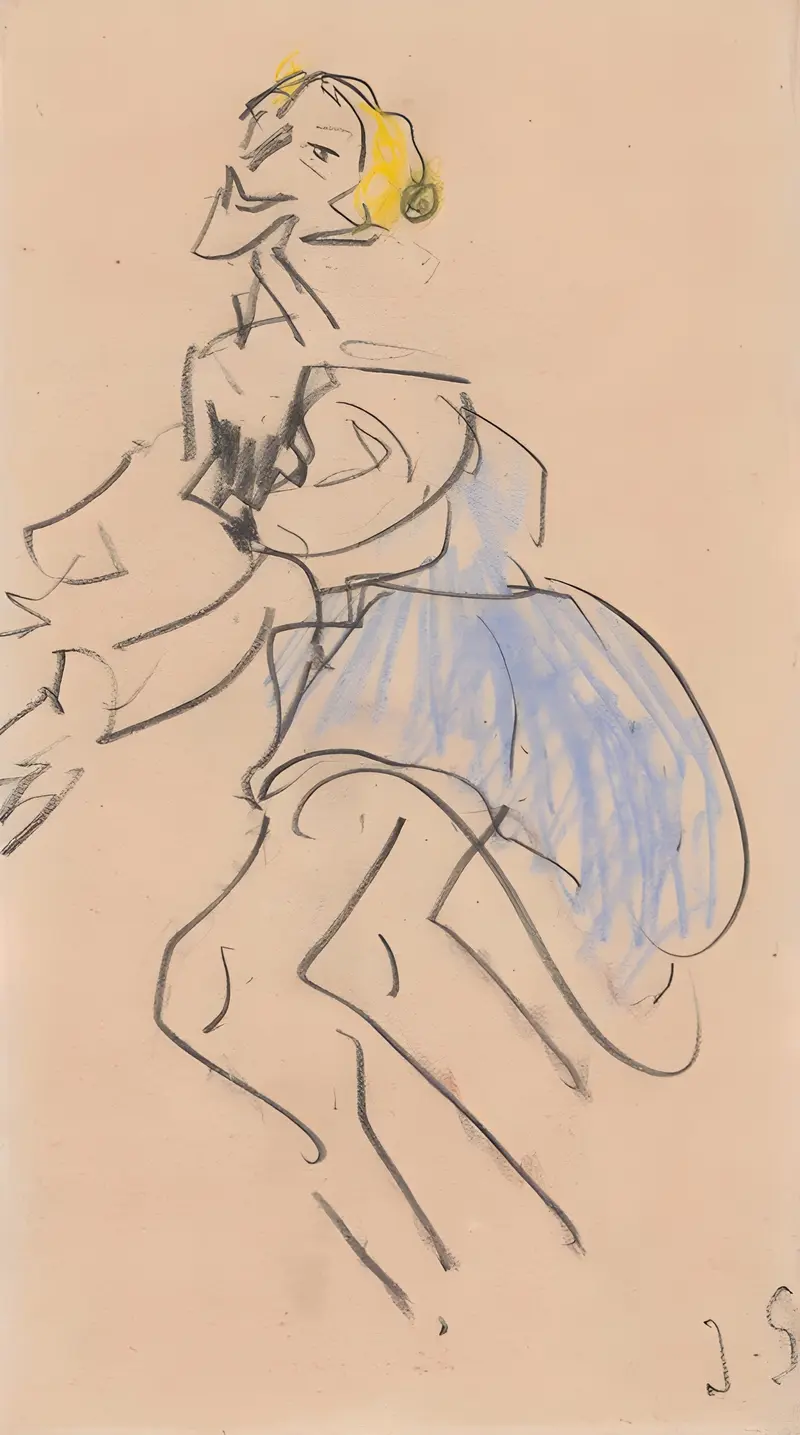
Dancer
Jules Schmalzigaug
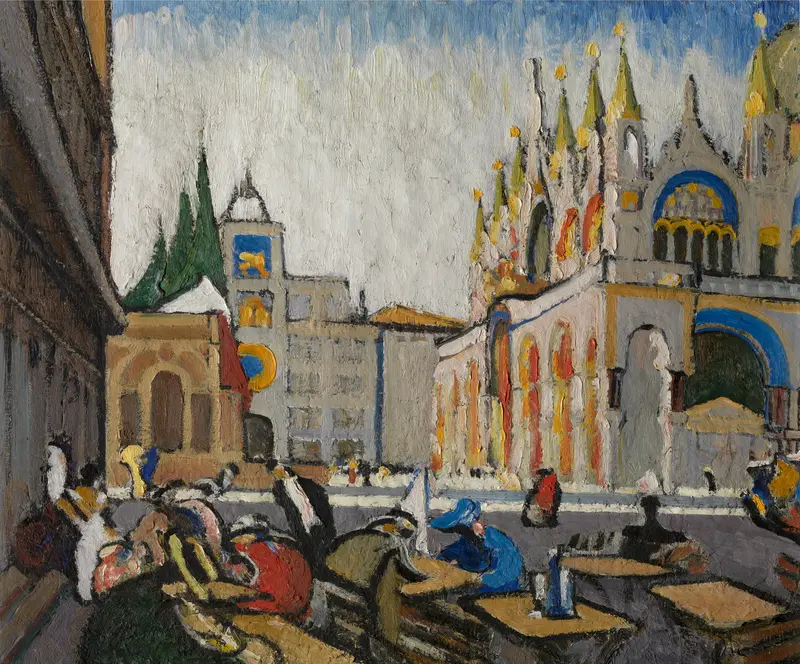
San Marco from the Piazetta
Jules Schmalzigaug
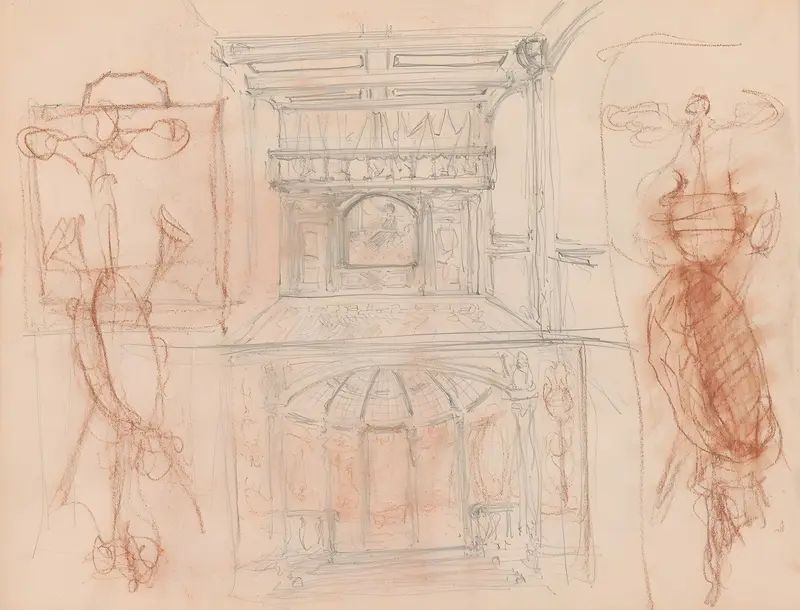
Architectural Elements
Jules Schmalzigaug
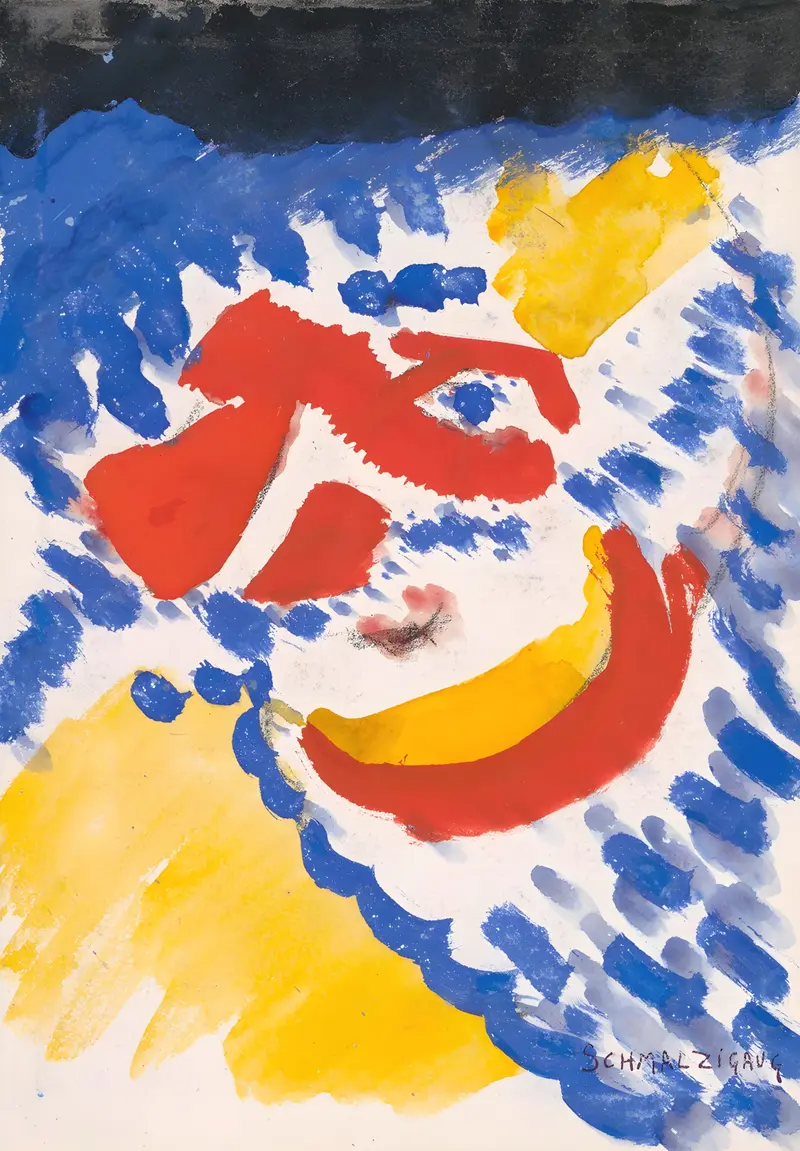
Blue, Red and Yellow Figures
Jules Schmalzigaug
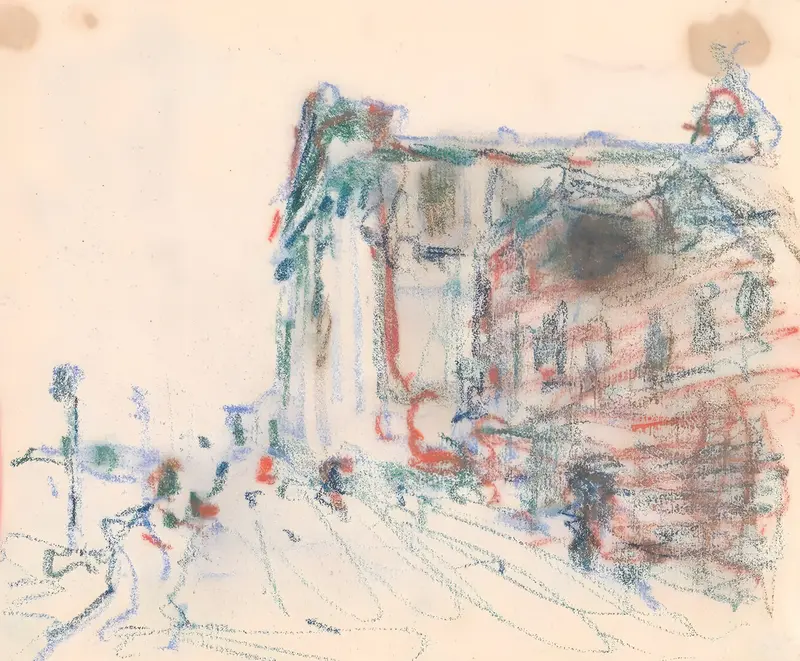
Chiesa dei Gesuati in Venice
Jules Schmalzigaug
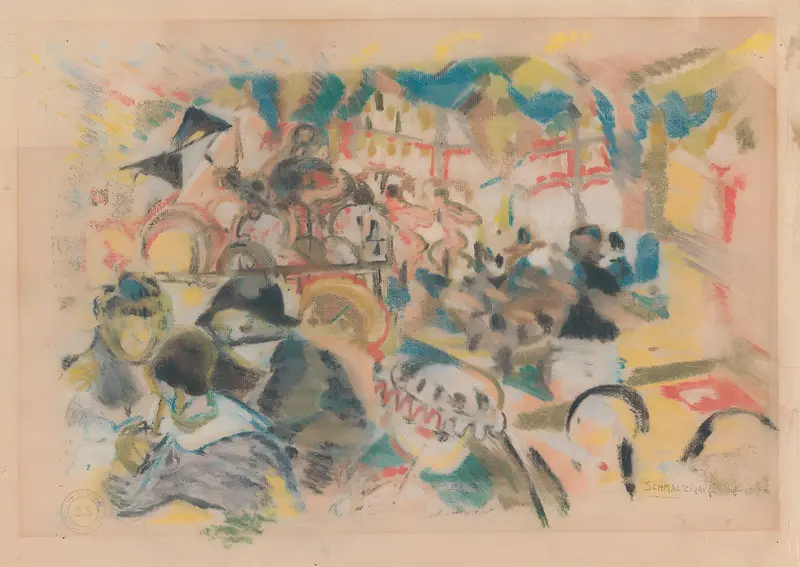
Café-chantant
Jules Schmalzigaug
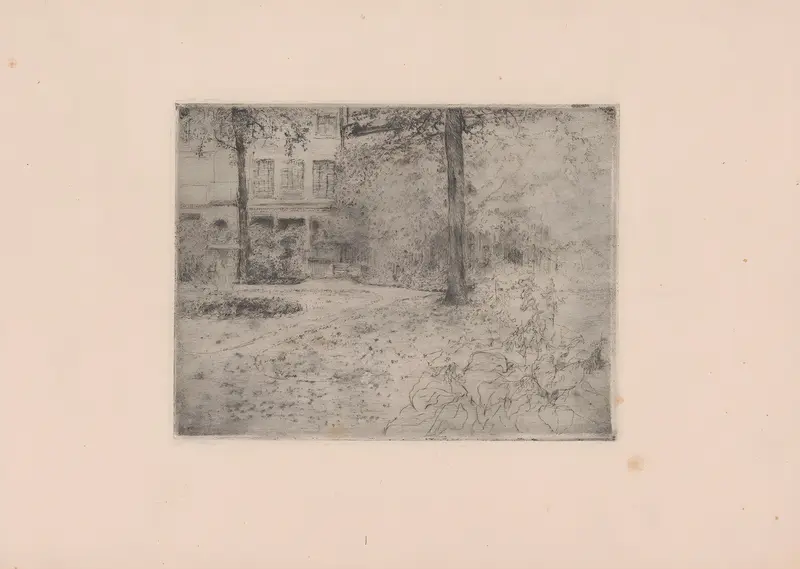
Backyard
Jules Schmalzigaug





