
Didacus of Alcalá — History & Facts
In 1659, Francisco de Zurbarán painted Didacus of Alcalá in the final year of his life, marking one of his last known works. The painting’s creation coincided with the canonization of Saint Didacus (San Diego de Alcalá), who had been declared a saint by Pope Sixtus V in 1588 but whose cult was especially promoted in Spain during the seventeenth century. This renewed interest led to multiple commissions of his image for Franciscan institutions.
Zurbarán, celebrated for his ability to capture the quiet dignity of saints, was likely chosen for his reputation as the leading painter of monastic life in Seville. The painting stands as a late testament to his enduring fascination with humble sanctity. The canvas presents Didacus at the moment of silent prayer, hands clasped, eyes cast downward, a loaf of bread resting on the table before him. This alludes to the miracle for which he is most remembered: feeding the poor from the monastery’s stores, only to have the bread miraculously transformed into roses when confronted by his superiors.
Zurbarán’s use of light isolates Didacus against a dark background, sharpening the folds of his simple habit and focusing attention on the saint’s gentle, weathered face. The humble objects—bread, a rough wooden table—speak to Franciscan poverty and charity. Unlike Murillo’s more sentimental saints, Zurbarán’s Didacus is stoic and grounded, his spirituality expressed through restraint and stillness. The painting’s early history is not fully documented, but it was almost certainly intended for a Franciscan convent or church, as were many of Zurbarán’s late commissions.
Over the centuries, Didacus of Alcalá has been admired for its intimate realism and spiritual gravity, and it now resides in the Museo del Prado, where it is recognized as a significant example of Spanish Counter-Reformation art. This work, created at the end of Zurbarán’s career, reflects both his mature style and the enduring appeal of monastic subjects in seventeenth-century Spain. Its quiet power continues to draw visitors, offering a window into the devotional life of the Spanish Baroque.
More Artworks by Francisco de Zurbarán
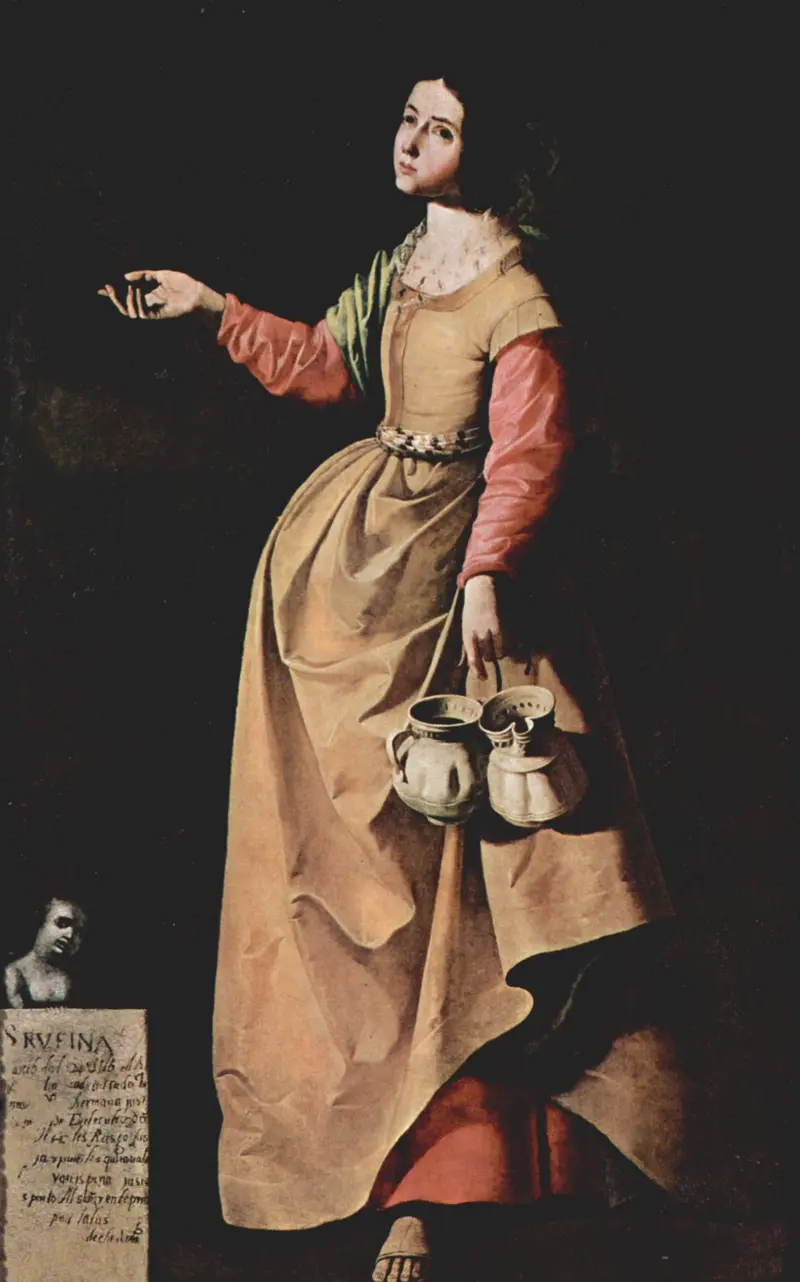
Saint Rufina
Francisco de Zurbarán
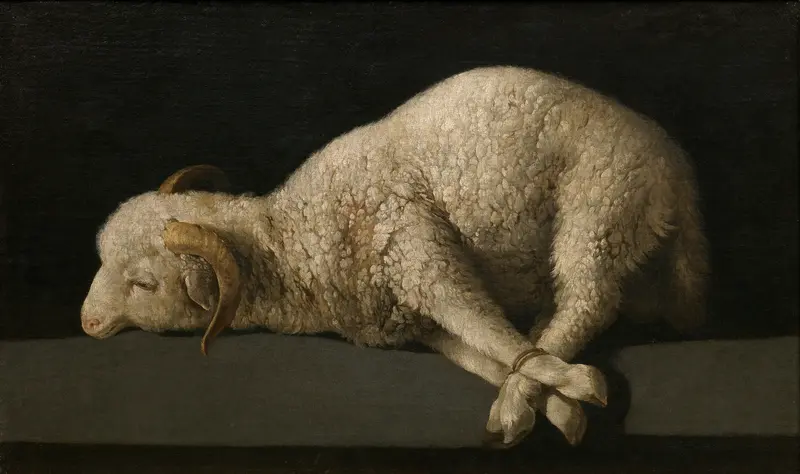
Agnus Dei
Francisco de Zurbarán
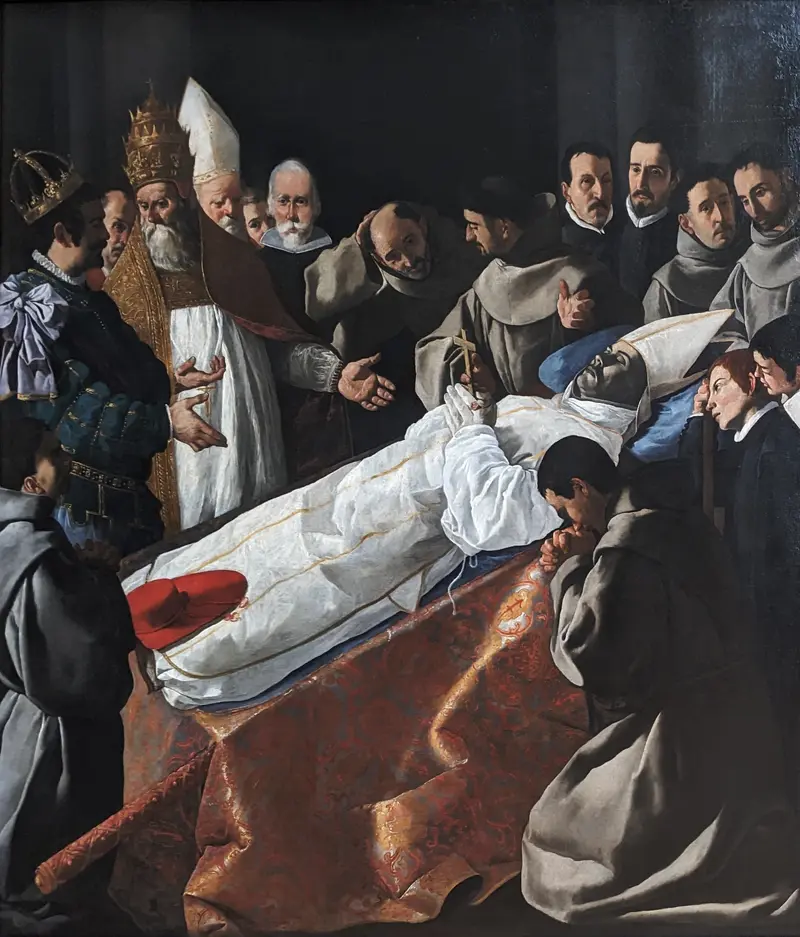
Saint Bonaventure's Body Lying in State
Francisco de Zurbarán
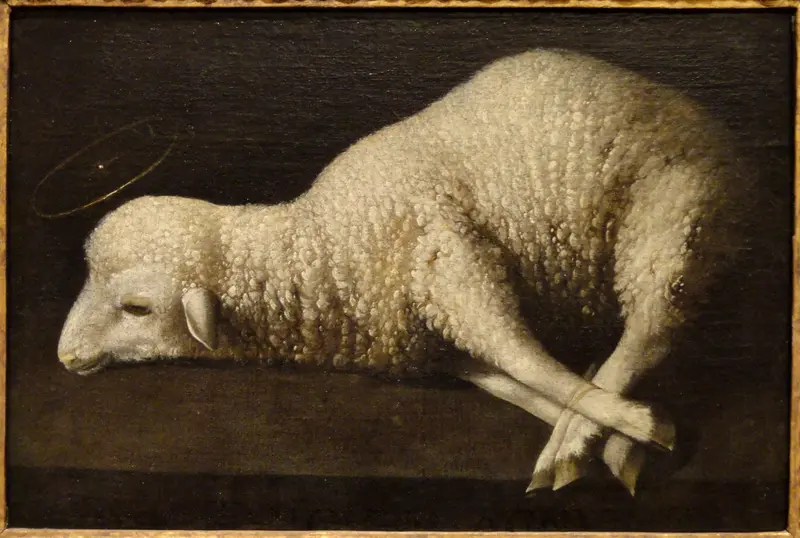
The Lamb of God
Francisco de Zurbarán

Adoration of the Magi
Francisco de Zurbarán
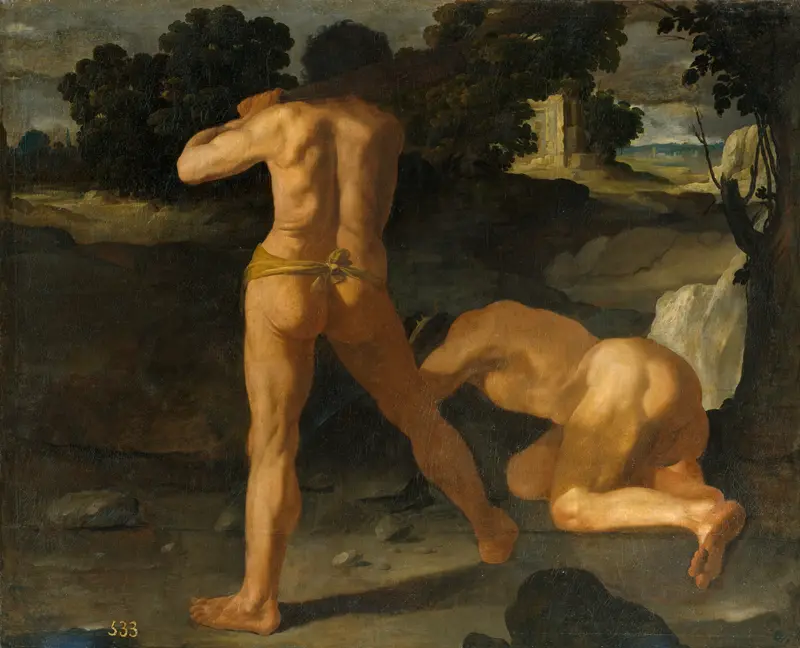
Hercules defeats King Geryon
Francisco de Zurbarán
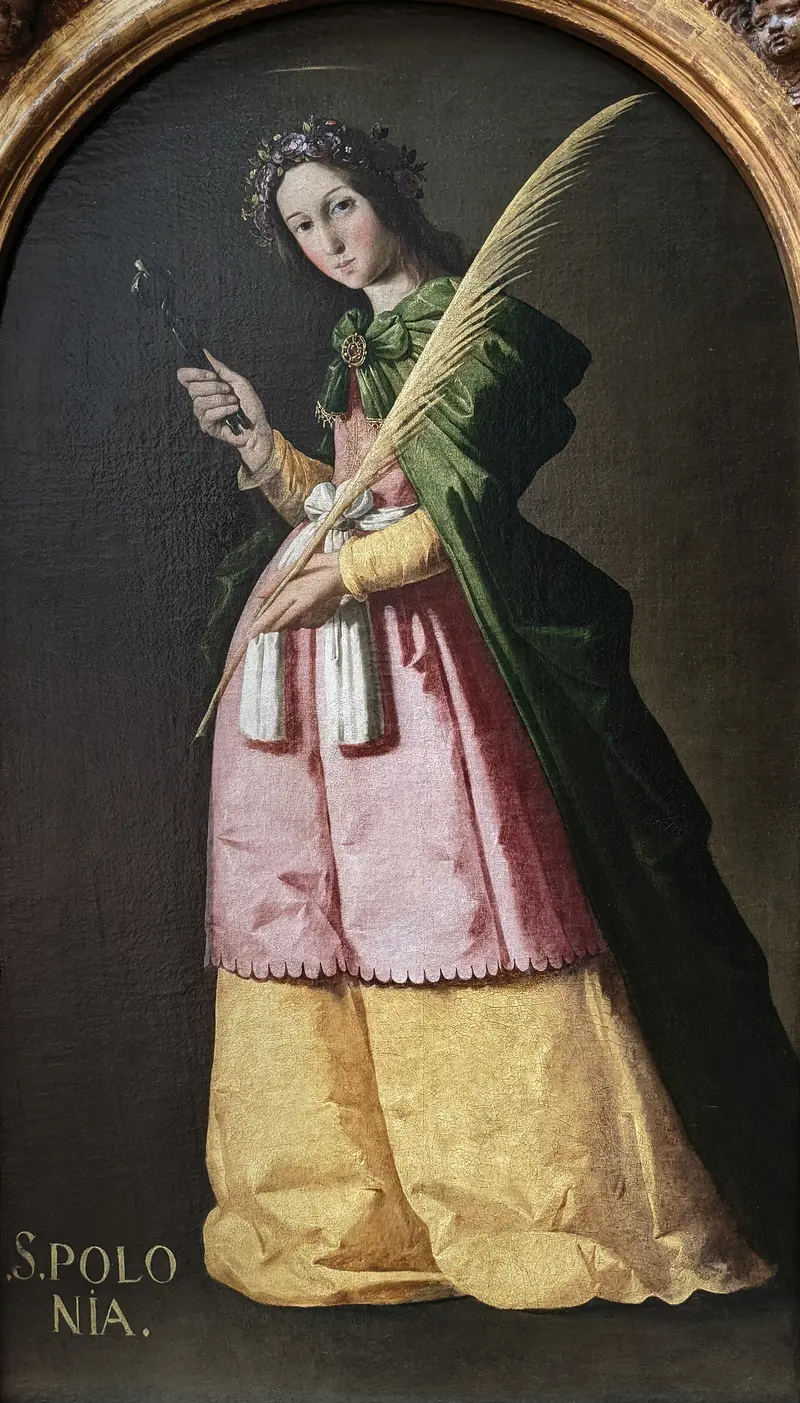
Saint Apollonia
Francisco de Zurbarán
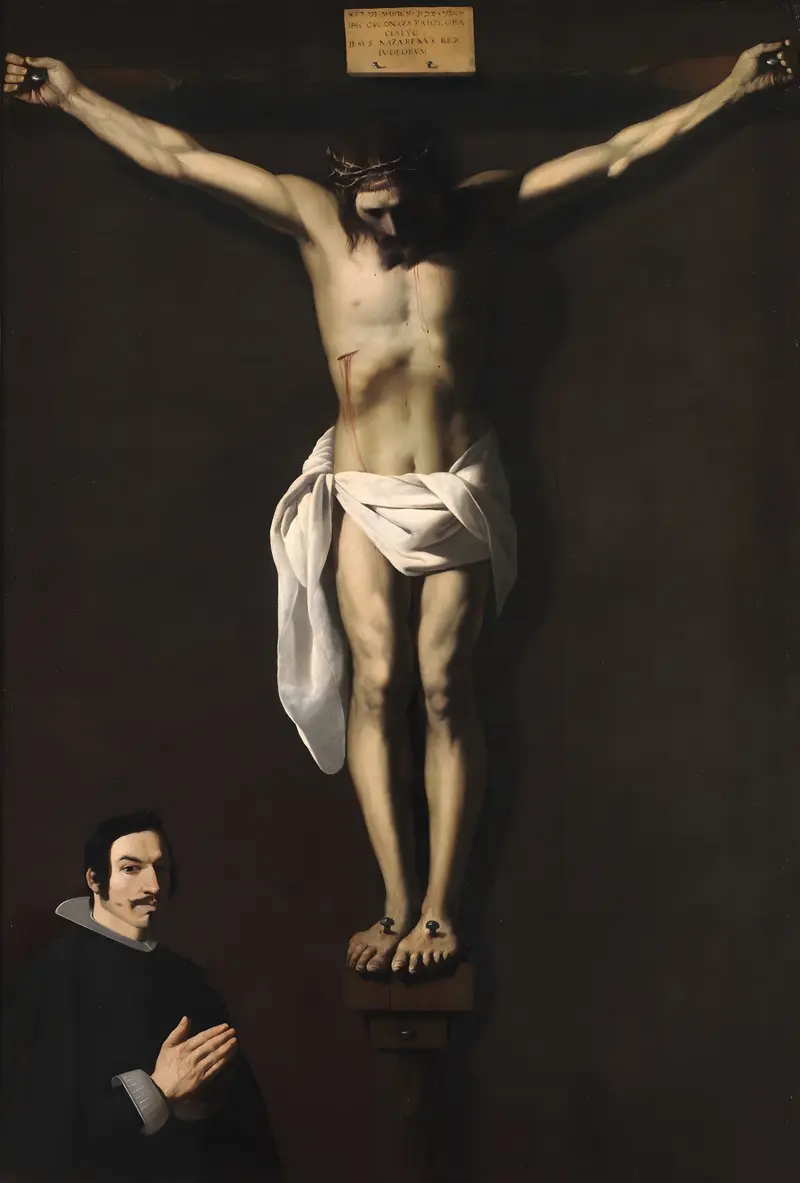
The Crucified Christ with a Donor
Francisco de Zurbarán
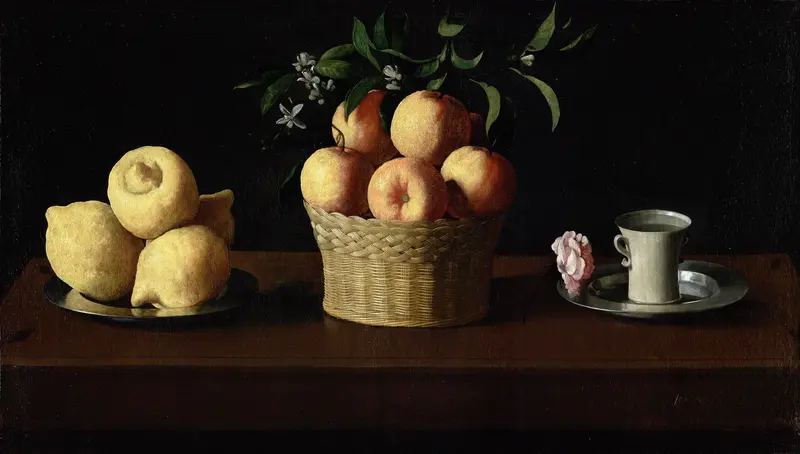
Still Life with Lemons, Oranges and a Rose
Francisco de Zurbarán
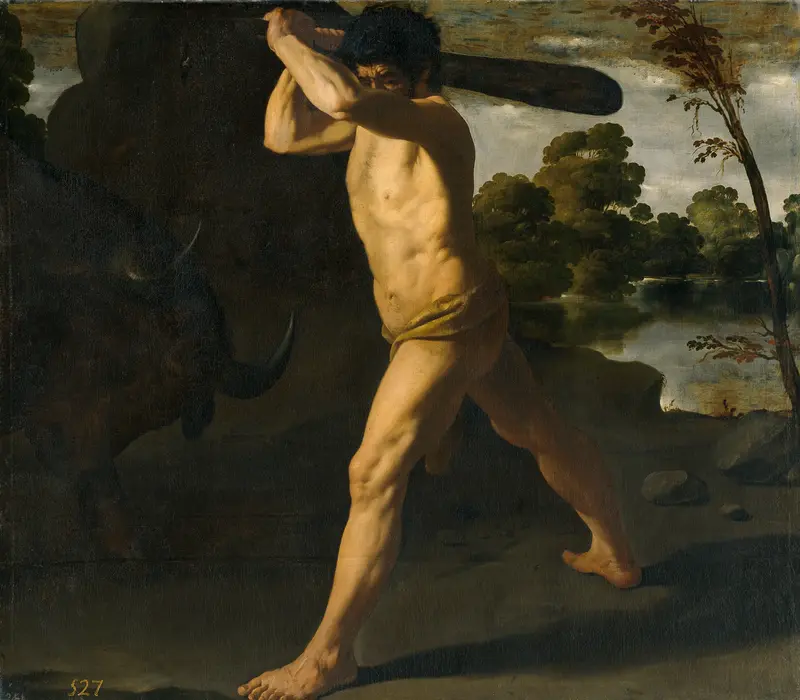
Hercules and the Cretan Bull
Francisco de Zurbarán





