Dolce Far Niente — History & Facts
A young woman sprawls on a mosaic floor, her languid arm tracing invisible patterns in the air, caught between a world of waking and dreaming. The eye lingers on the delicate smoke drifting from her fingers, a fleeting moment of idleness made almost ceremonial by the careful arrangement of pillows, rugs, and the solitary sunflower in a glass vase. Light pours in from the left, illuminating her blue-green dress and the pale wall beyond, while the shadowed curtain hints at a lush garden just out of reach.
Every object in the scene — the feathered fan, the patterned carpet, the hanging lamp — is chosen to heighten the sense of suspended motion, a tableau of leisure that invites the viewer to slow down and notice the hush between breaths. Painted in 1879 by John William Waterhouse, Dolce Far Niente belongs to a late nineteenth-century fascination with the pleasures of idleness, a theme that resonated with both artists and their patrons. In an age of industrial bustle, such paintings offered a vision of escape and contemplation, often drawing on classical or exotic motifs to evoke a world apart from modern life. This work, once mistakenly catalogued as The White Feather Fan, now resides in the records of Christie’s, a reminder of how easily art can slip between identities and attributions.
Little is recorded about the journey of this particular canvas, but its quiet invitation to linger and look remains as persuasive now as it was in Waterhouse’s day.
More Artworks by John William Waterhouse
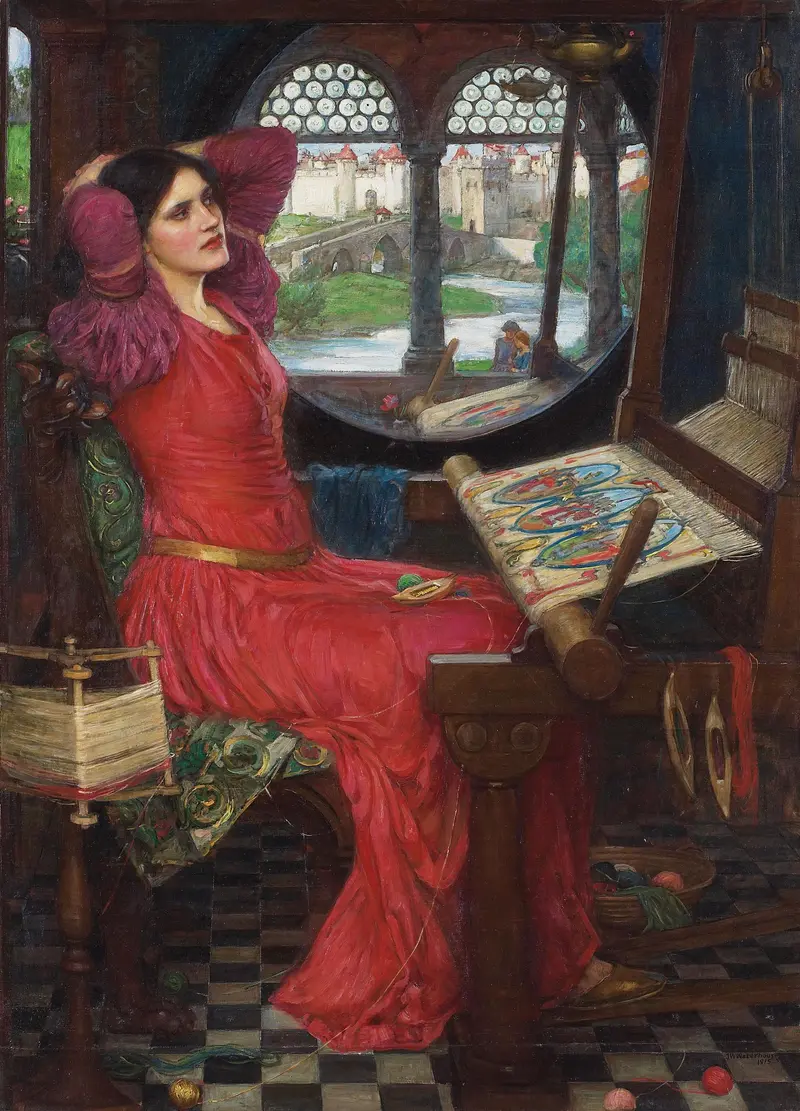
'I Am Half-Sick of Shadows,' Said the Lady of Shalott
John William Waterhouse

The Favourites of the Emperor Honorius, 1883
John William Waterhouse
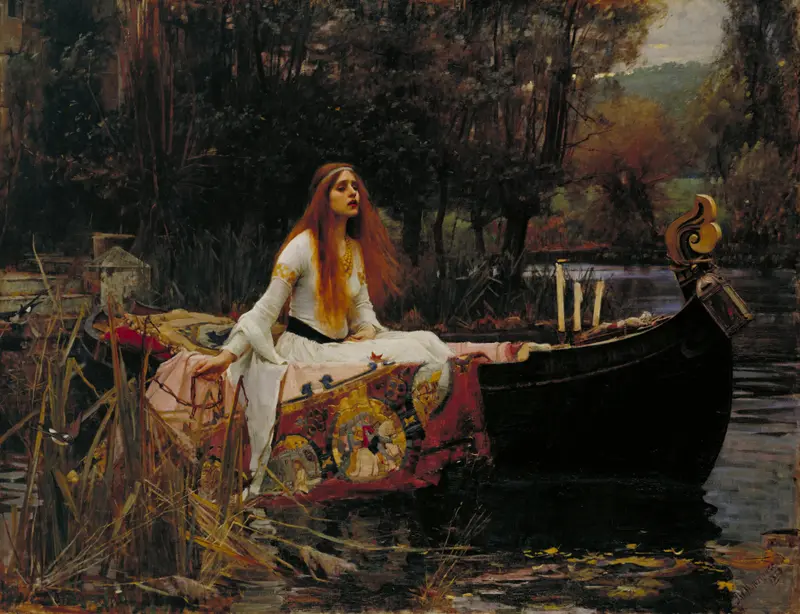
The Lady of Shalott
John William Waterhouse
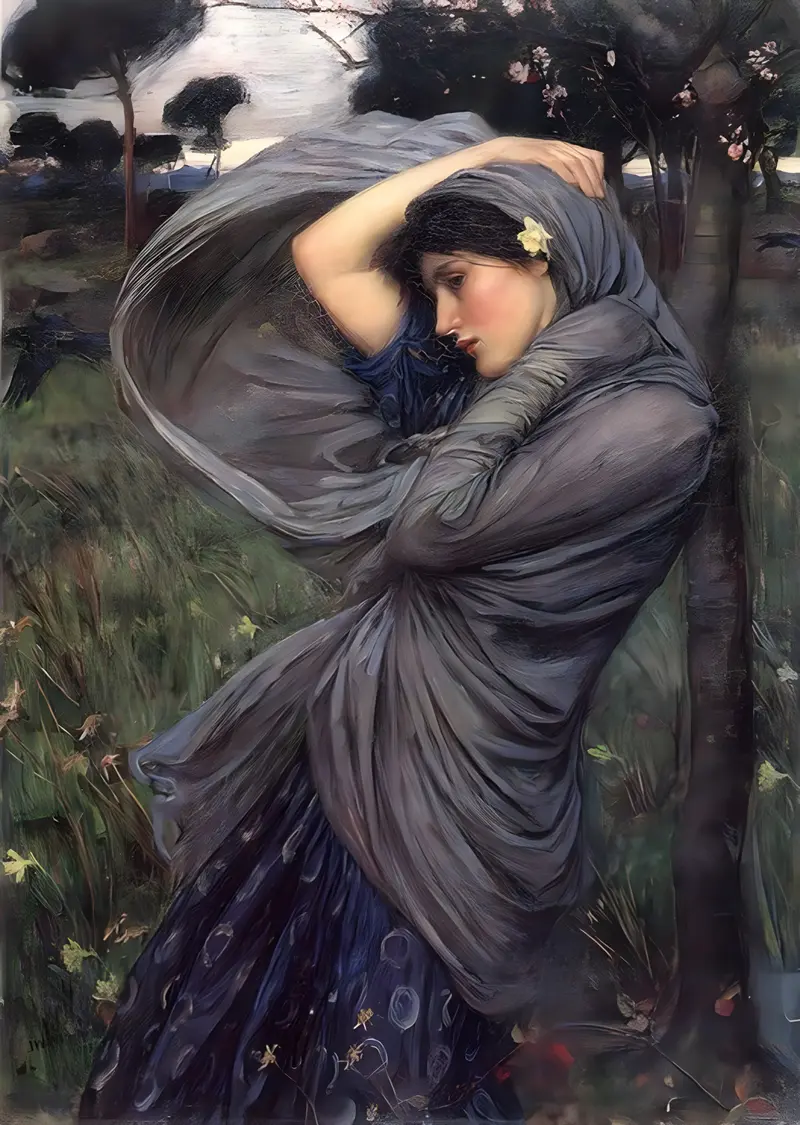
Boreas
John William Waterhouse
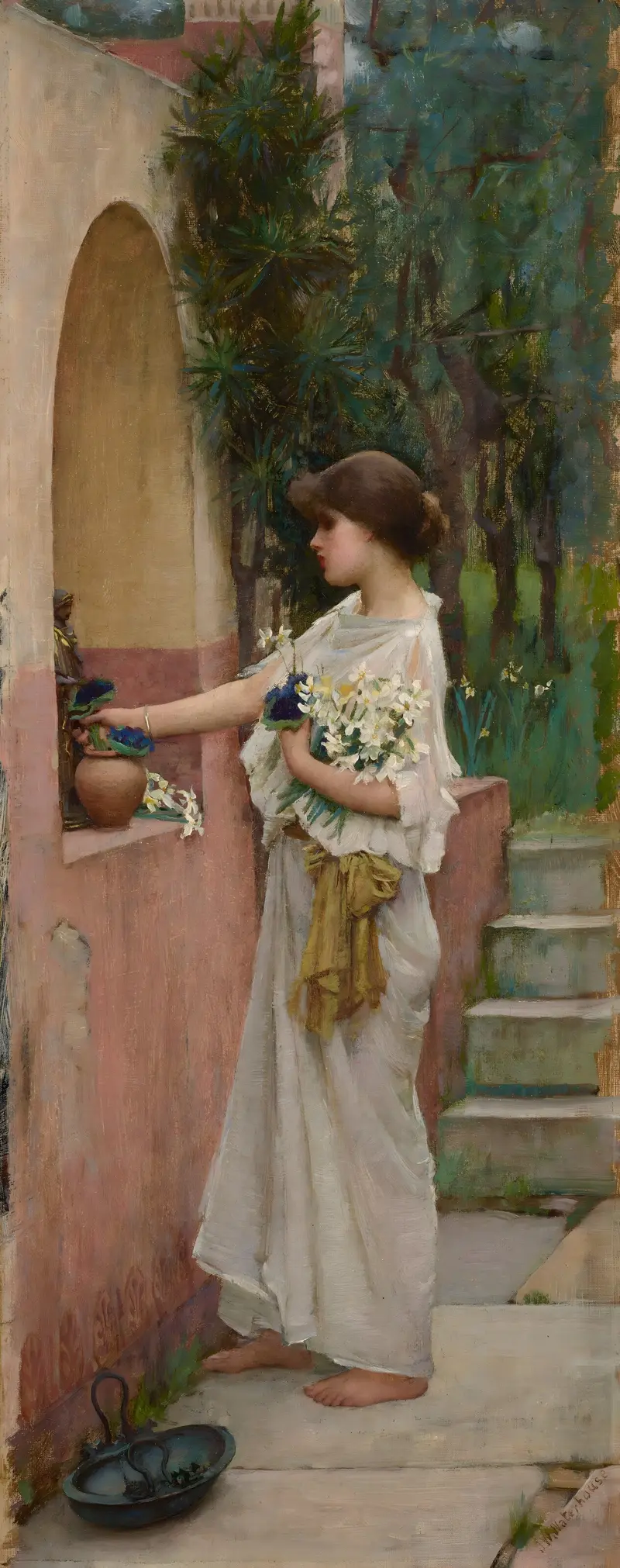
A Roman Offering
John William Waterhouse
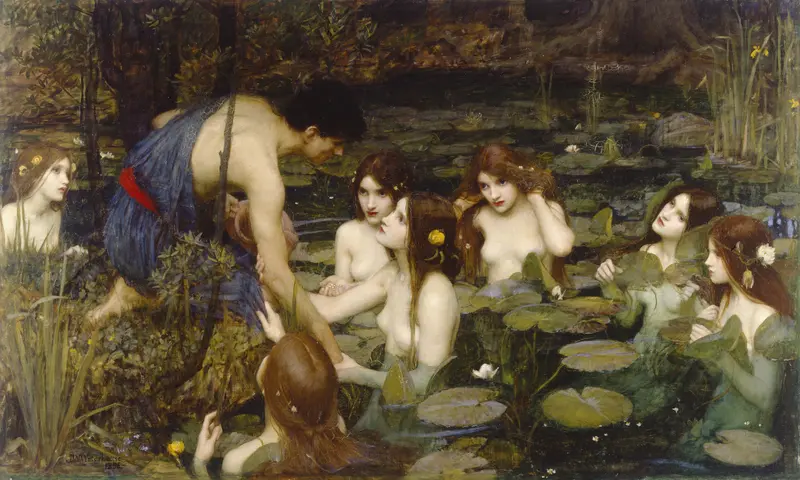
Hylas and the Nymphs
John William Waterhouse
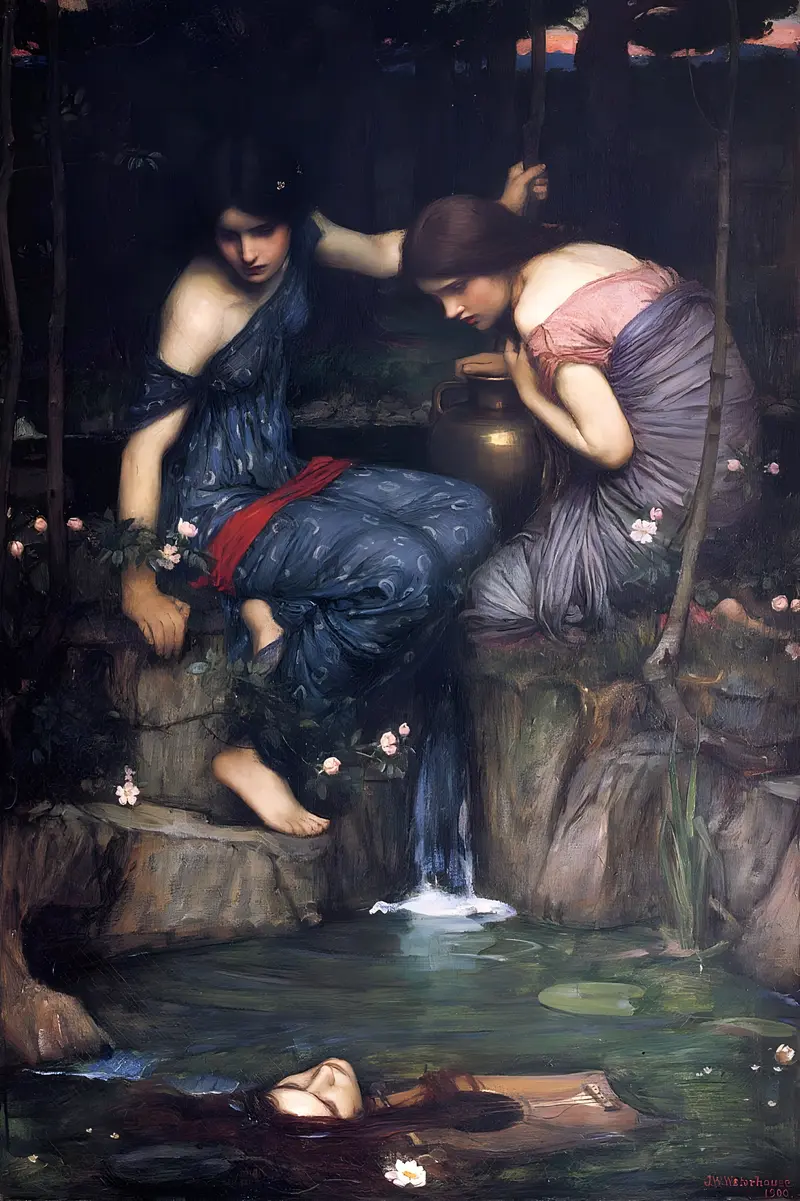
Nymphs Finding the Head of Orpheus
John William Waterhouse
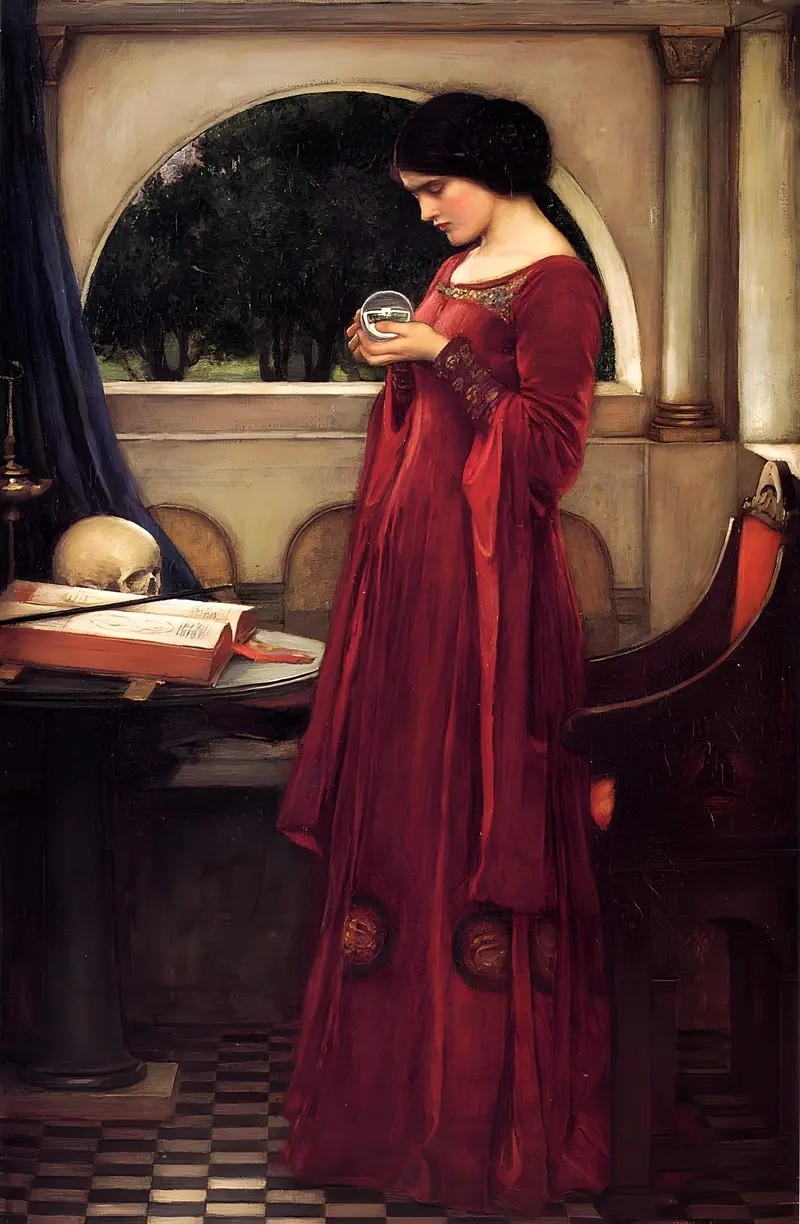
The Crystal Ball
John William Waterhouse
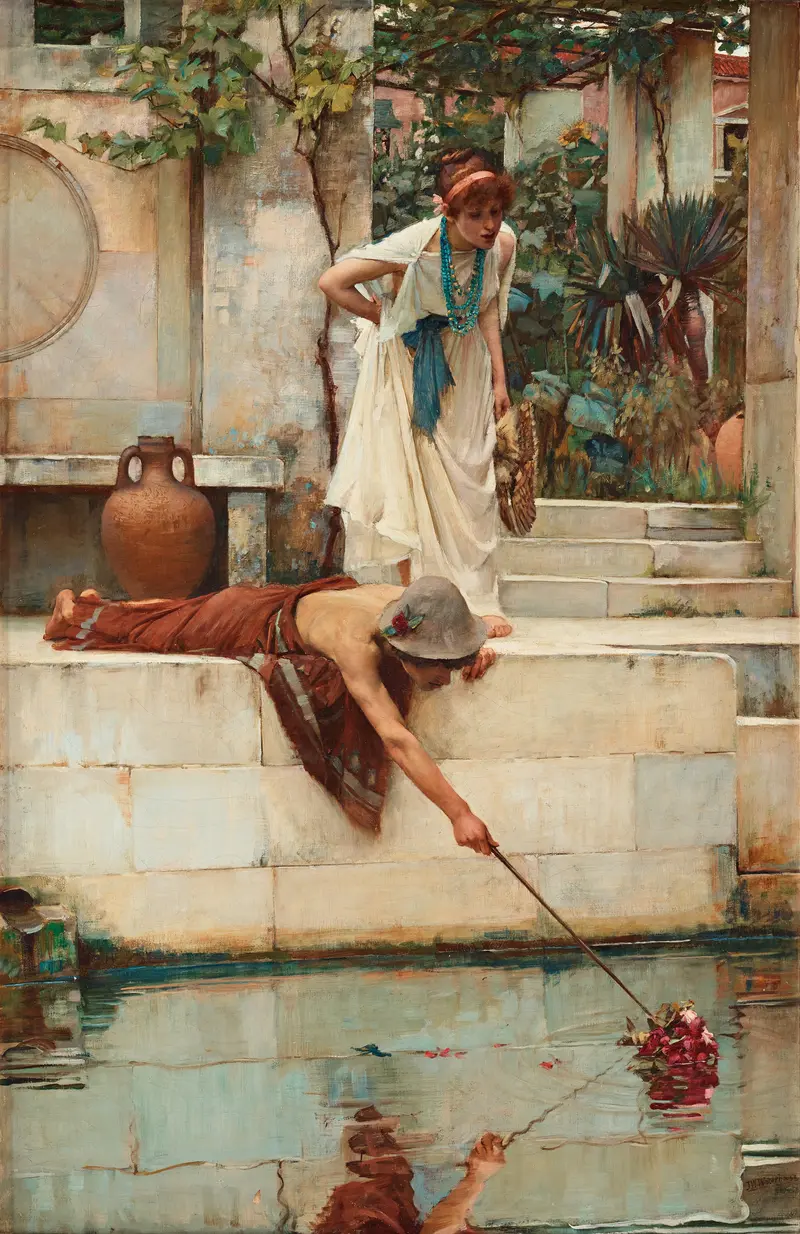
The Rescue
John William Waterhouse
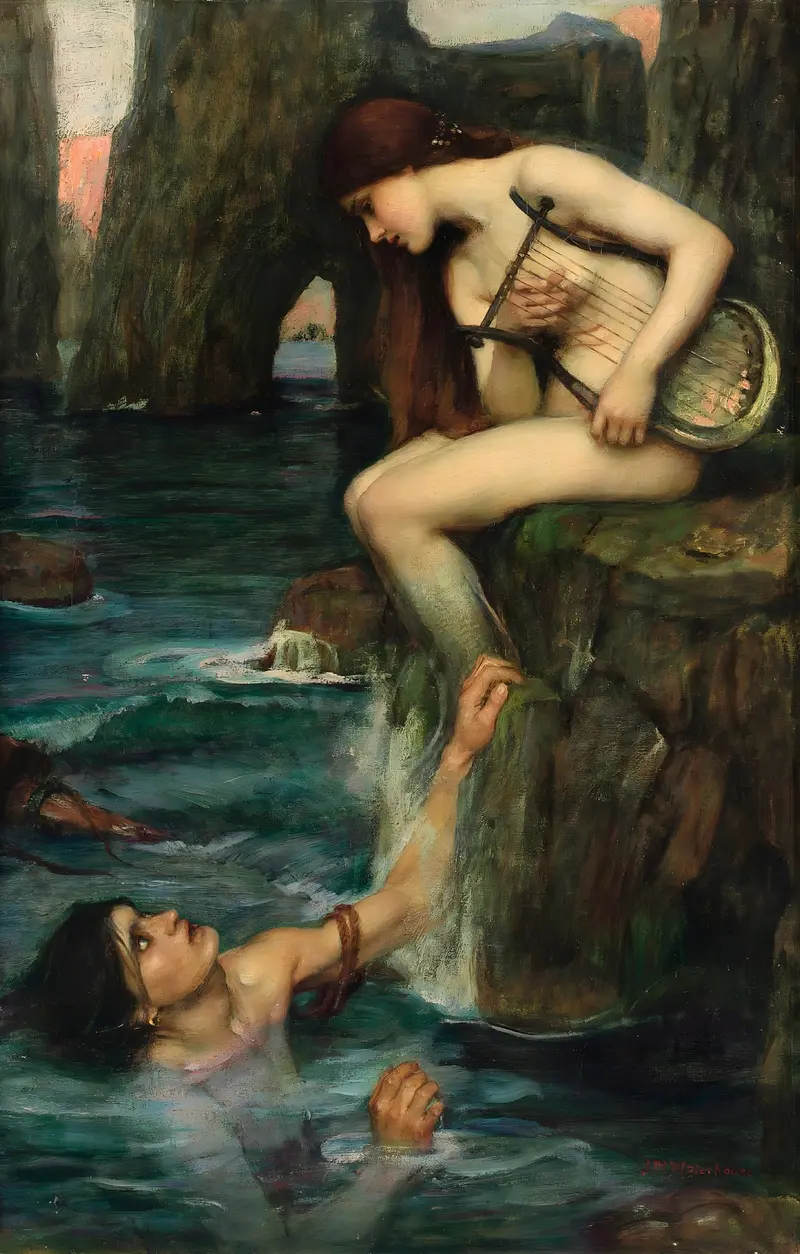
The Siren, 1900
John William Waterhouse