
Elisa Bonaparte with her daughter Napoleona Baciocchi — History & Facts
Elisa Bonaparte, Napoleon’s ambitious younger sister, was one of the few women to rule a European state during the Napoleonic era, and Elisa Bonaparte with her daughter Napoleona Baciocchi by François Gérard is among the rare portraits to capture her at the height of her power. Gérard, celebrated for painting the Bonaparte family, was favored at the imperial court, and his portraits often served both art and propaganda. This work, though undated, likely emerged during Elisa’s reign as Grand Duchess of Tuscany (1809–1814), when she was keen to assert her legitimacy and dynastic continuity.
The inclusion of her only daughter, Napoleona, underscores the importance of lineage in the shifting world of Napoleonic politics. The painting presents Elisa seated with Napoleona beside her, their hands linked in a gesture of both maternal affection and dynastic unity. Elisa’s gaze is direct, her posture regal, while the child’s presence softens the composition, inviting the viewer into an intimate yet carefully staged moment. The rich fabrics, classical drapery, and subtle play of light evoke the neoclassical style that defined Gérard’s portraits, drawing a visual connection to Roman imperial iconography.
Unlike Jacques-Louis David’s more austere depictions of Napoleon’s family, Gérard infuses this scene with warmth, using the mother-daughter bond to humanize power. The background, often a muted interior or a suggestion of palace grandeur, reinforces both private and public roles. While the exact provenance of this painting is not fully documented, works like it were typically commissioned for official residences or as diplomatic gifts, reinforcing the Bonaparte family’s image across Europe. François Gérard was at the peak of his career during this period, renowned for portraits that balanced flattery with psychological insight.
The painting’s current location is uncertain, as several versions and copies of Bonaparte family portraits circulate in both public and private collections. Today, it stands as a testament to Elisa’s brief but remarkable rule and Gérard’s skill in capturing the interplay of personal and political identity during the Napoleonic age.
More Artworks by François Gérard

Portrait of Emperor Napoleon I
François Gérard
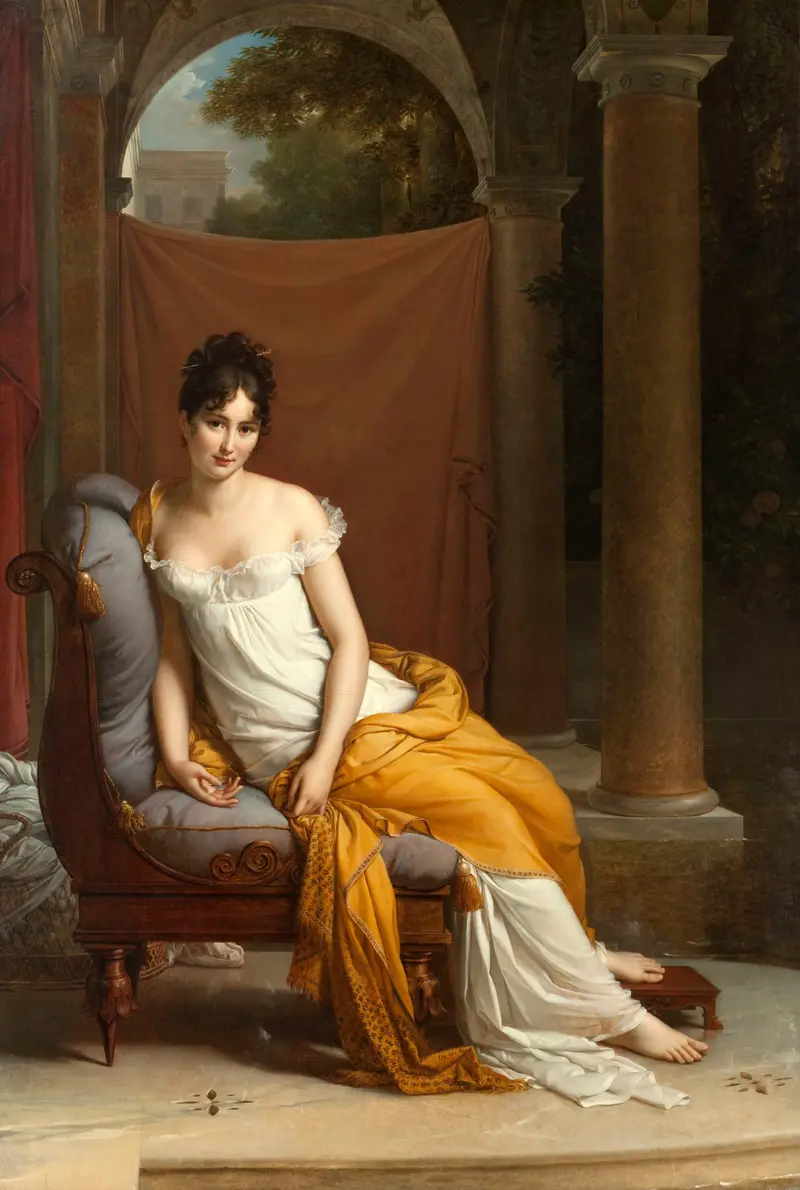
Portrait of Juliette Récamier, née Bernard
François Gérard
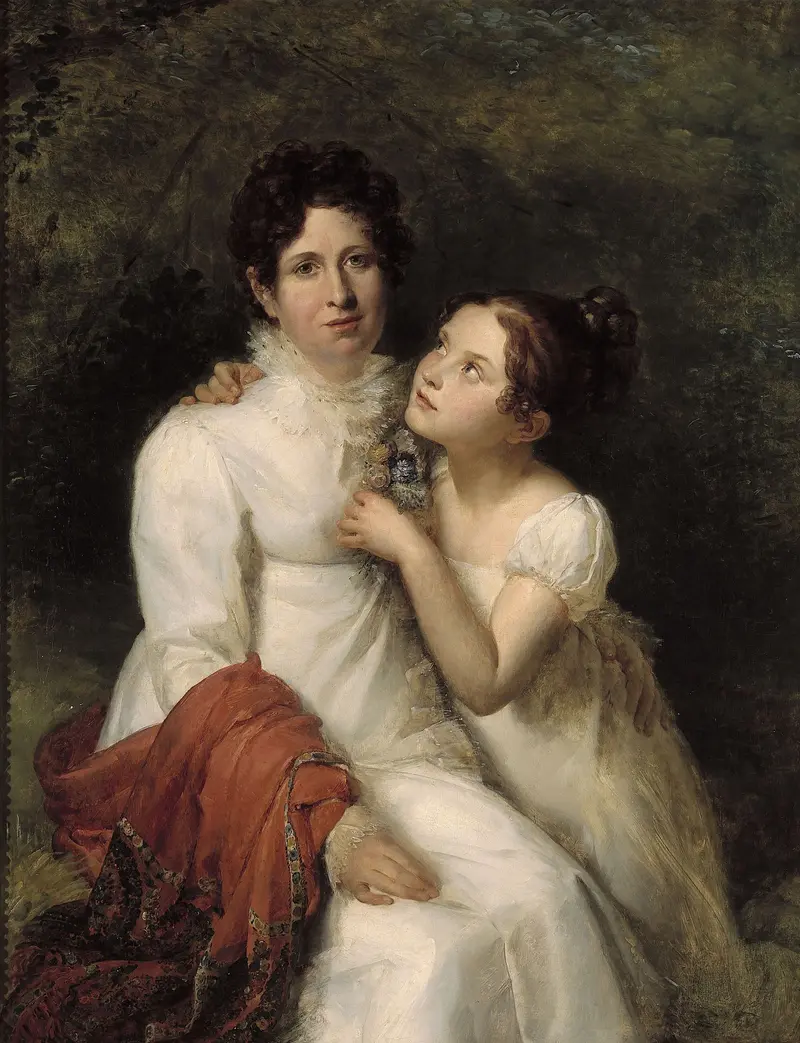
Portrait de Madame Bauquin Du Boulay et de sa nièce Mademoiselle Bauquin de La Souche
François Gérard
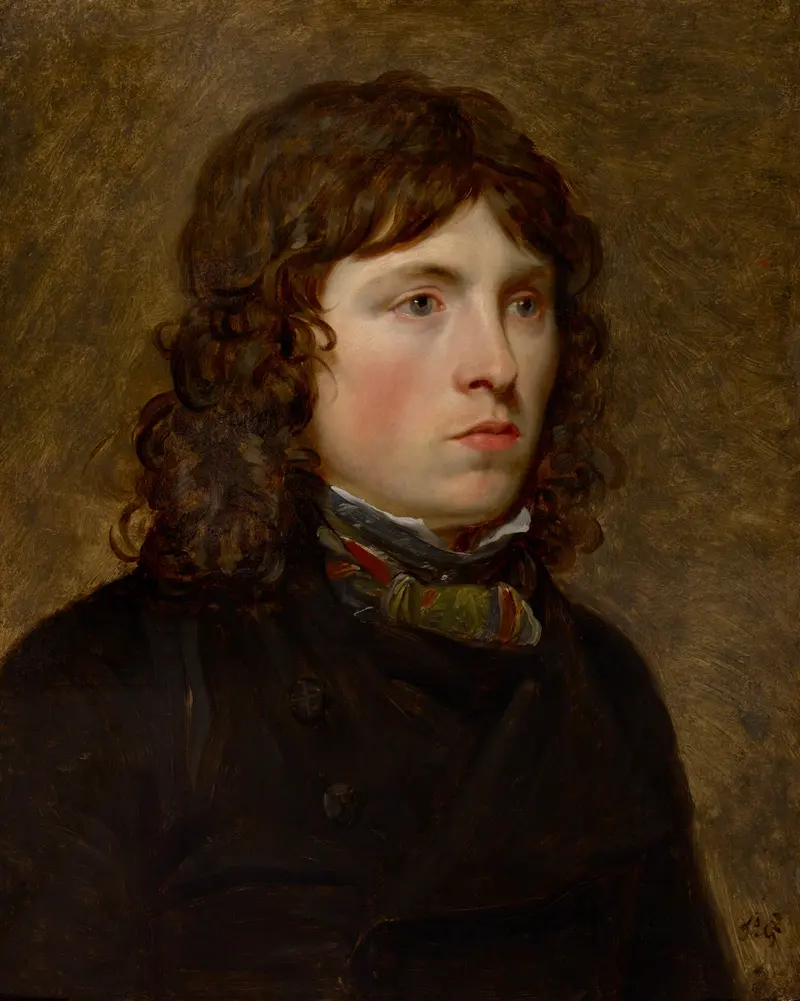
Portrait of G. F. Reverdin
François Gérard
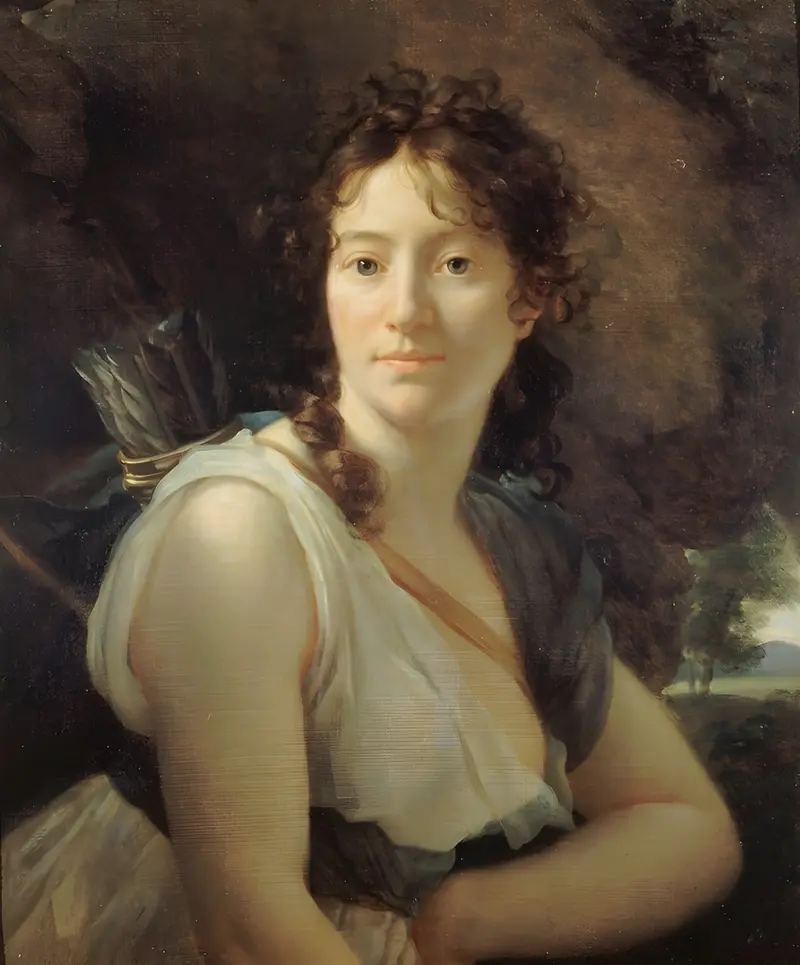
Portrait Of Mademoiselle Duchesnois (1777-1835), Member Of The Comédie-Française, In The Role Of Dido.
François Gérard
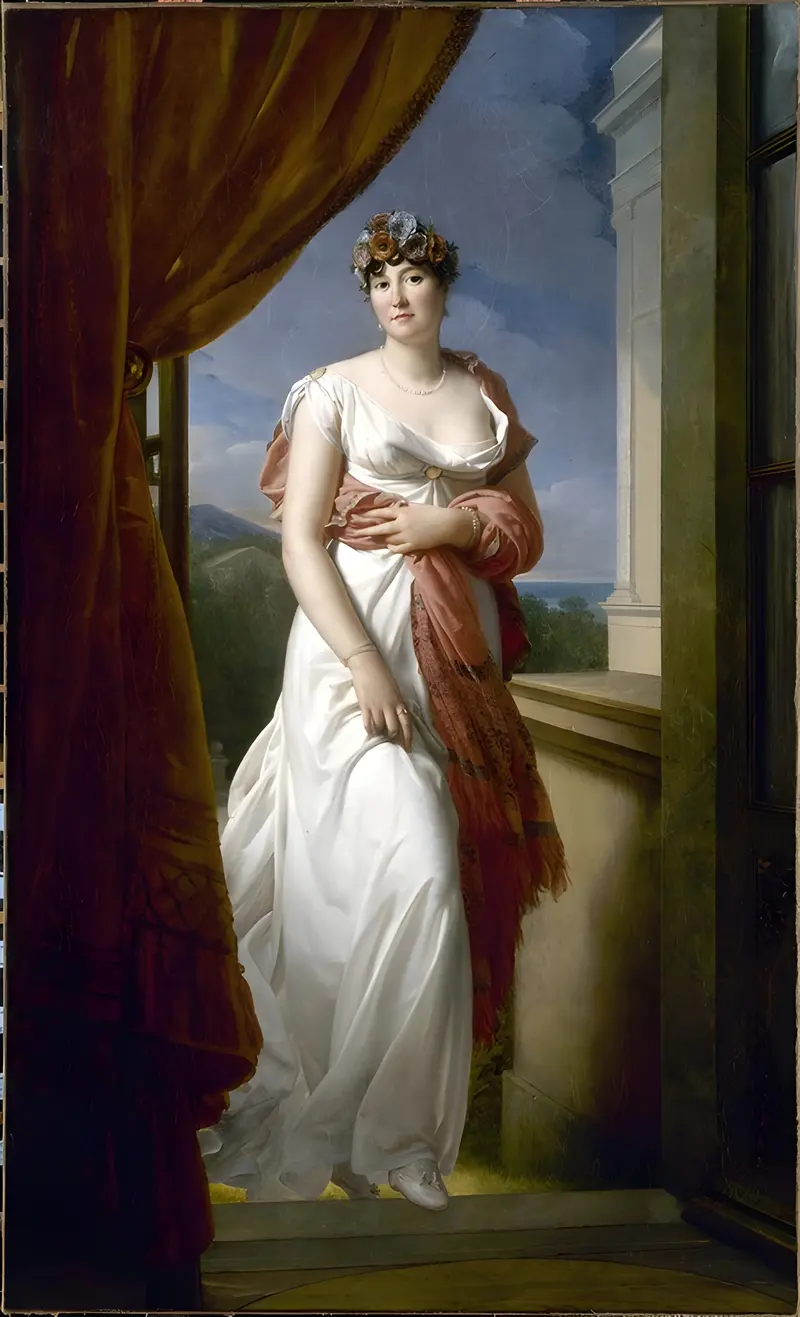
Portrait Of Theresia Cabarrus (1773-1835), Wife Tallien, Then Princess Of Caraman-Chimay
François Gérard
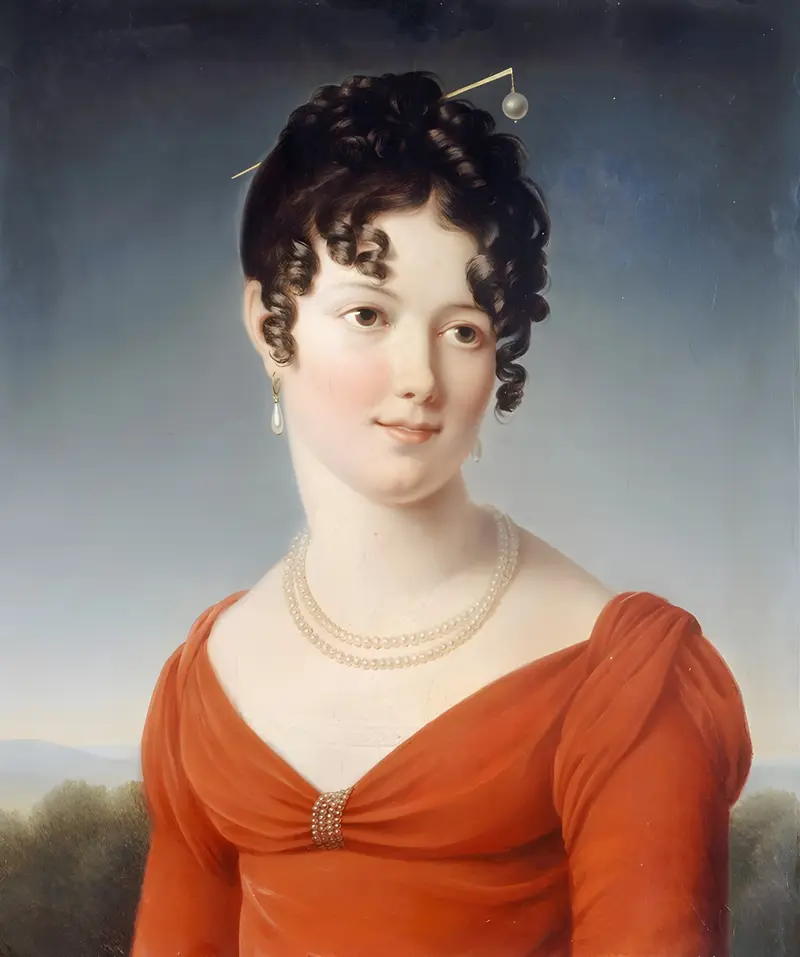
Bust Portrait Of Alexandrine-Anne De La Pallu, Marquise De Flers (1786-1832)
François Gérard
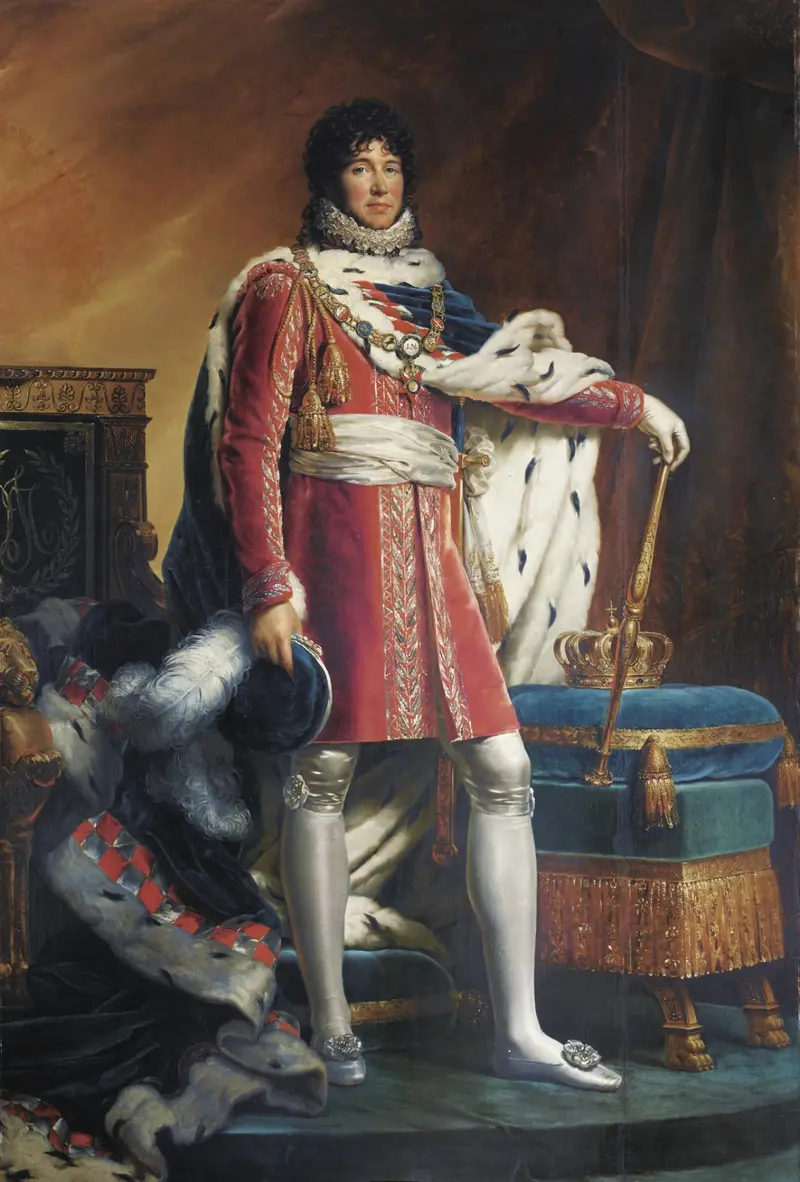
Portrait of Joachim Napoléon Murat, King of Naples and of the two Sicilies
François Gérard
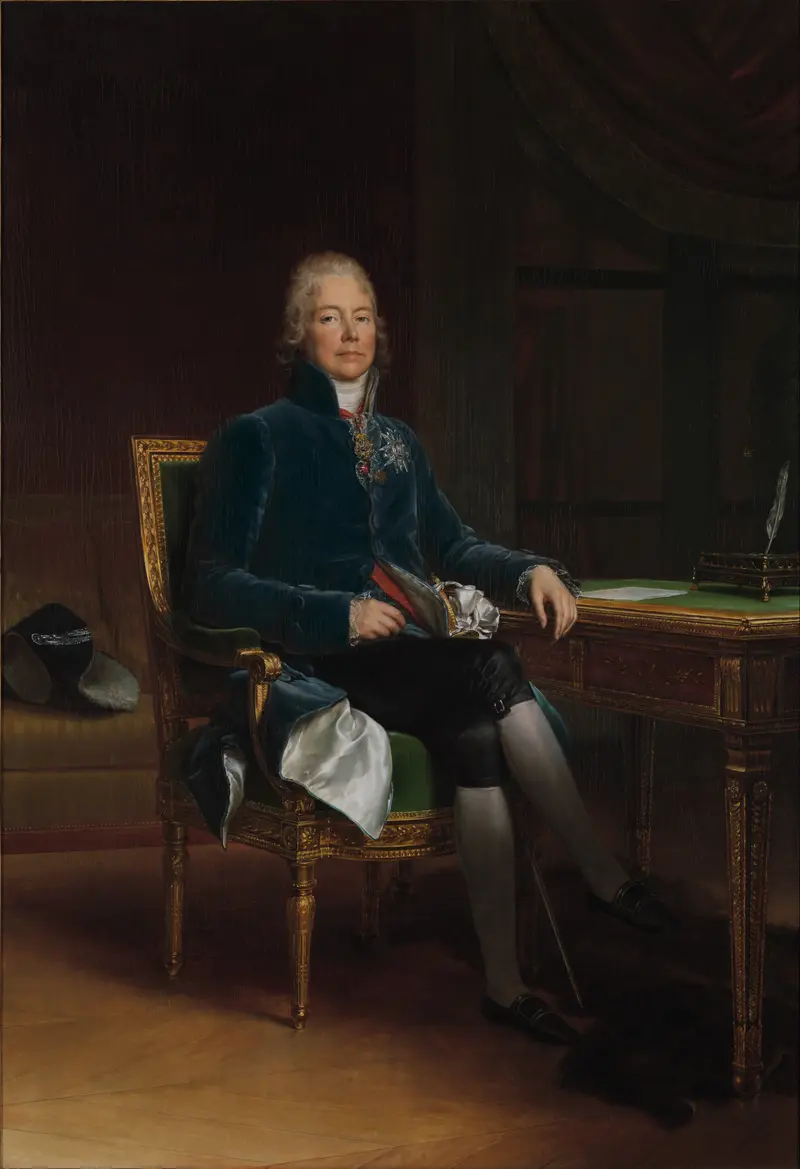
Charles Maurice de Talleyrand Périgord (1754–1838), Prince de Bénévent
François Gérard
Daphnis Running toward Chloe
François Gérard





