
Evening Glow, The Old Red Cow — History & Facts
No other painting by Albert Pinkham Ryder has sparked as much curiosity about its subject as Evening Glow, The Old Red Cow. For decades, viewers and scholars alike have debated whether the painting immortalizes a real animal from Ryder’s youth or is a poetic invention. The title itself, with its unusual specificity, has led some to search for references in local New England lore, but no definitive "Old Red Cow" has ever been identified.
This air of mystery has only deepened the painting’s allure, drawing attention to its rare early date of 1870, a period when Ryder was still finding his artistic voice. In Evening Glow, The Old Red Cow, Ryder halts time at dusk, as the last golden light washes over a solitary cow standing in a field. The cow, rendered in deep, rusty hues, faces away from the viewer, its form softly blurred by the fading sun. Around her, the landscape dissolves into shadow, the sky ablaze with orange and violet.
The gentle stoop of her head suggests weariness or contentment at the close of day, a humble moment elevated by the drama of the evening light. Unlike the grand, mythic animals of George Stubbs, Ryder’s cow is an ordinary creature, yet she becomes the quiet center of the universe in this intimate scene. The medium of Evening Glow, The Old Red Cow remains uncertain, as Ryder’s early works are rarely signed or documented and few details survive about their first owners. The painting is thought to have remained in private hands throughout the late nineteenth century, surfacing only occasionally in exhibition records.
Its style, with soft contours and luminous color, foreshadows the moody, visionary landscapes that would later define Ryder’s career. Today, the work is prized as a rare glimpse into the artist’s beginnings, capturing both the simplicity of rural life and the emotional intensity that would become his hallmark.
More Artworks by Albert Pinkham Ryder

The Toilers of the Sea
Albert Pinkham Ryder
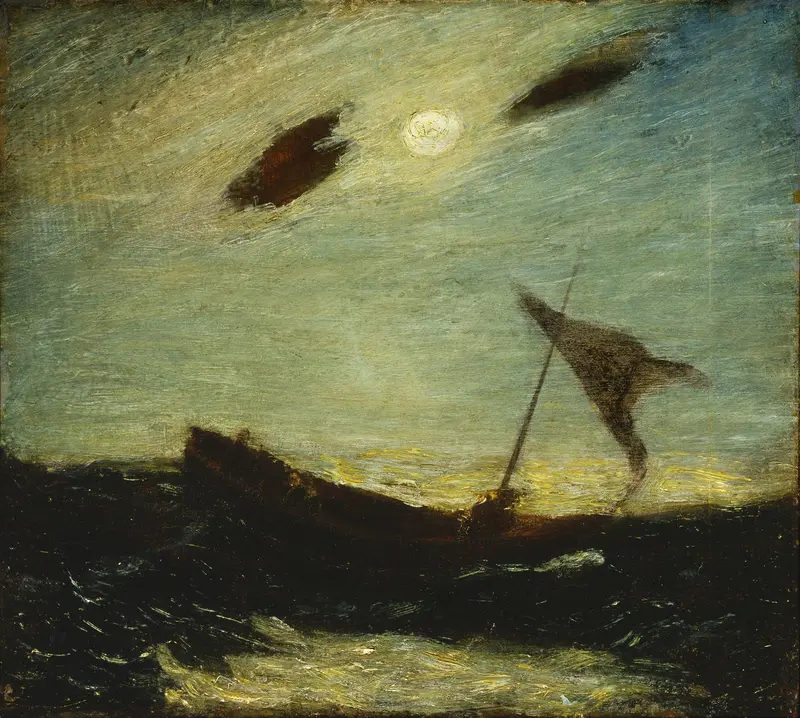
Moonlight
Albert Pinkham Ryder
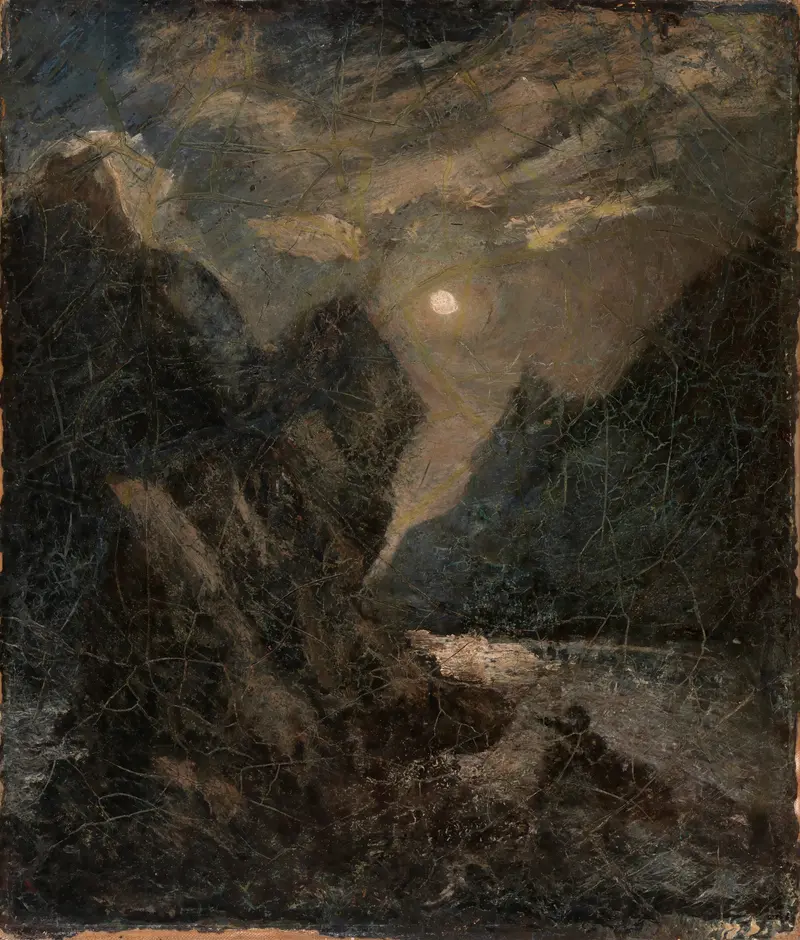
The Lorelei
Albert Pinkham Ryder
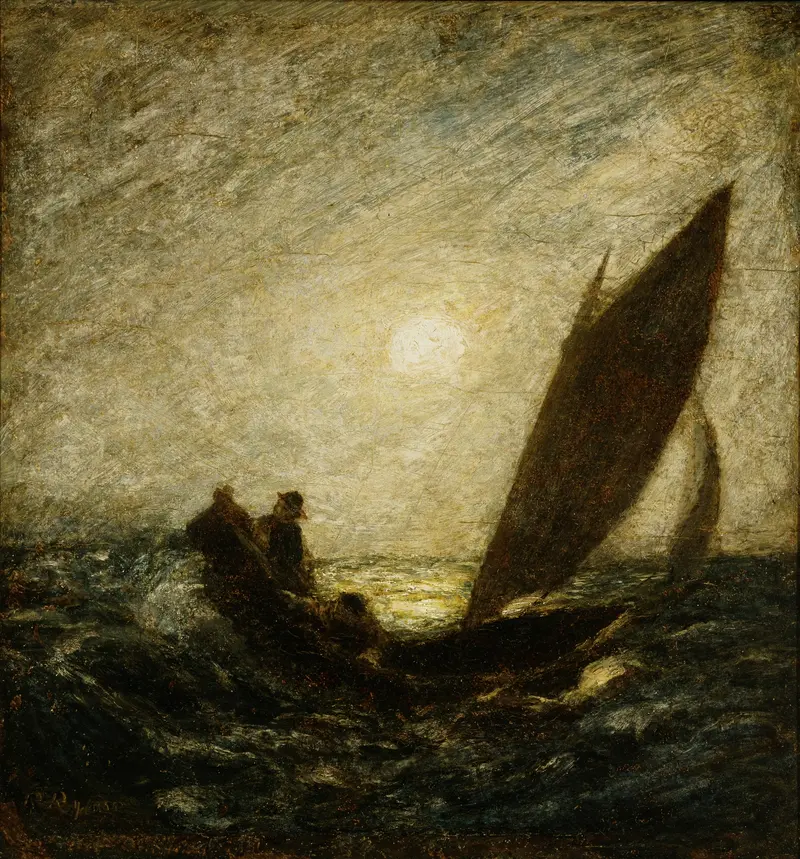
With Sloping Mast And Dipping Prow
Albert Pinkham Ryder
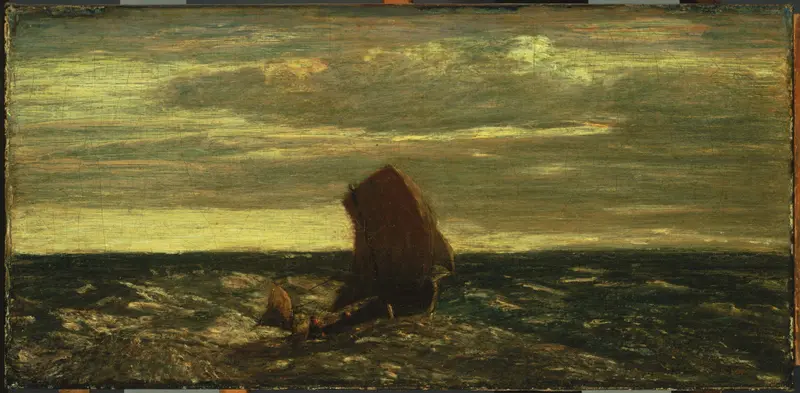
Homeward Bound
Albert Pinkham Ryder
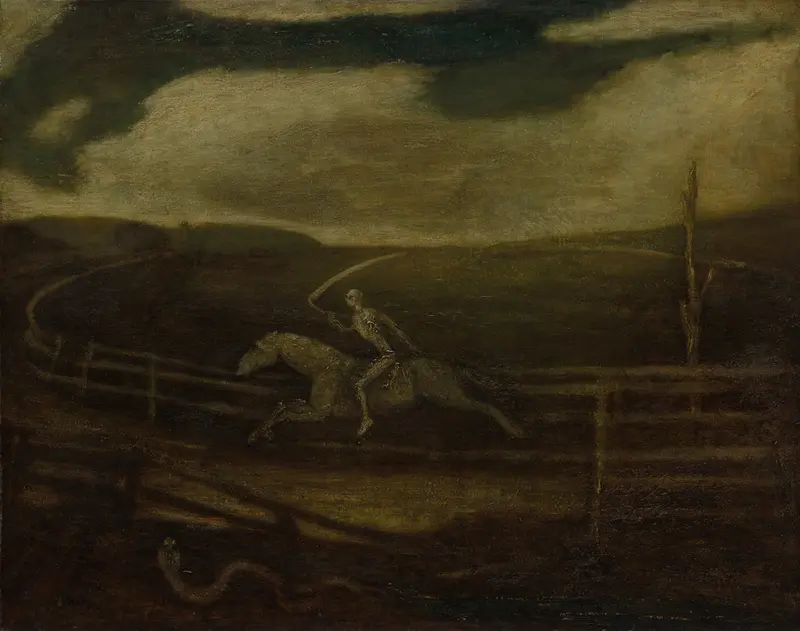
The Race Track (Death on a Pale Horse)
Albert Pinkham Ryder
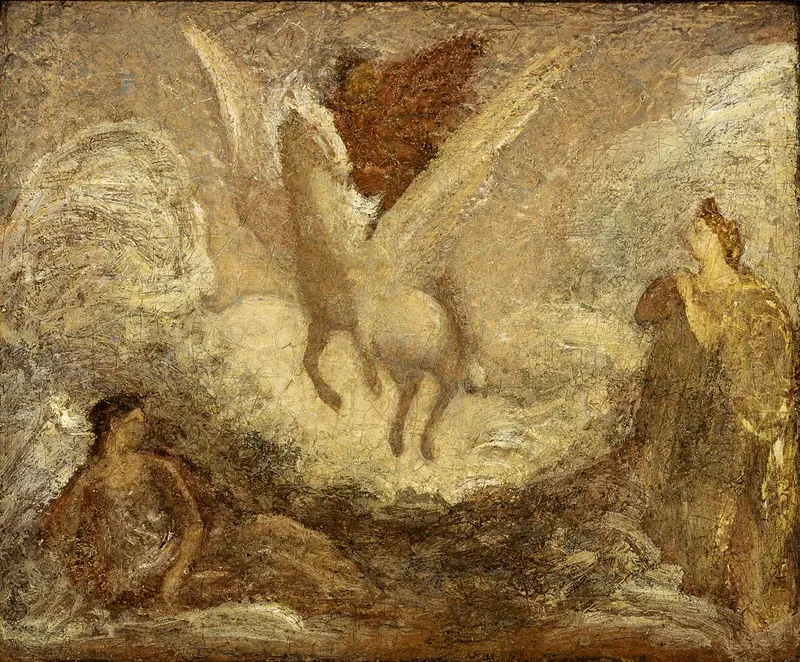
Pegasus Departing
Albert Pinkham Ryder
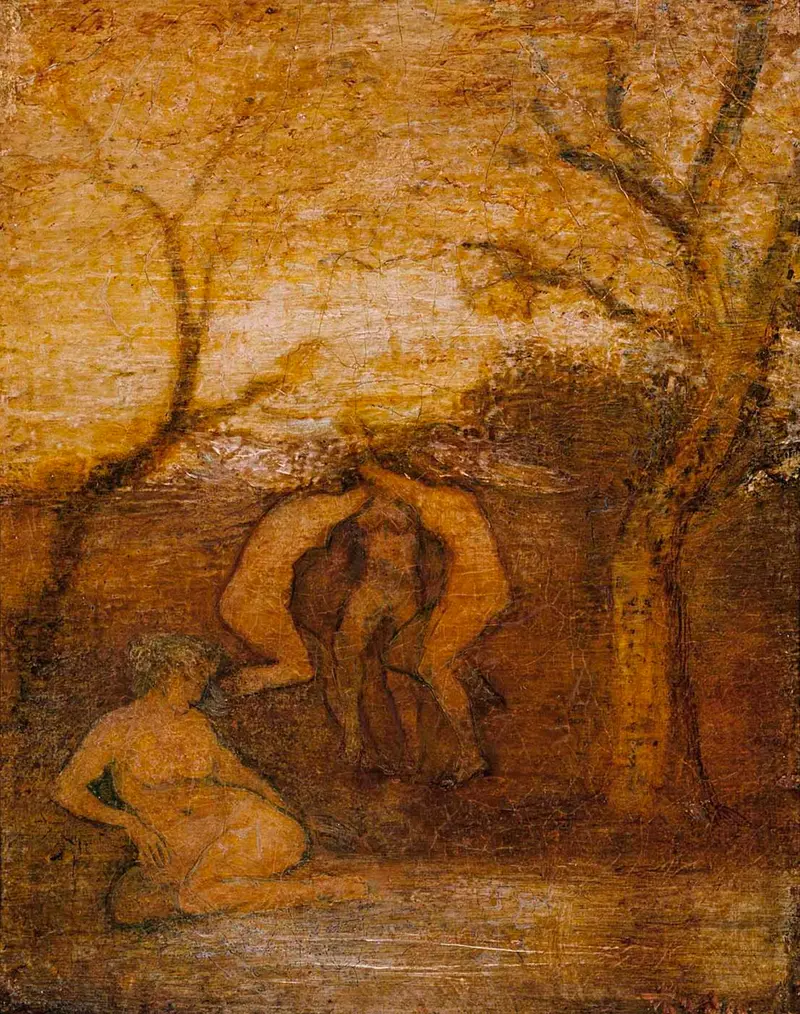
Dancing Dryads
Albert Pinkham Ryder
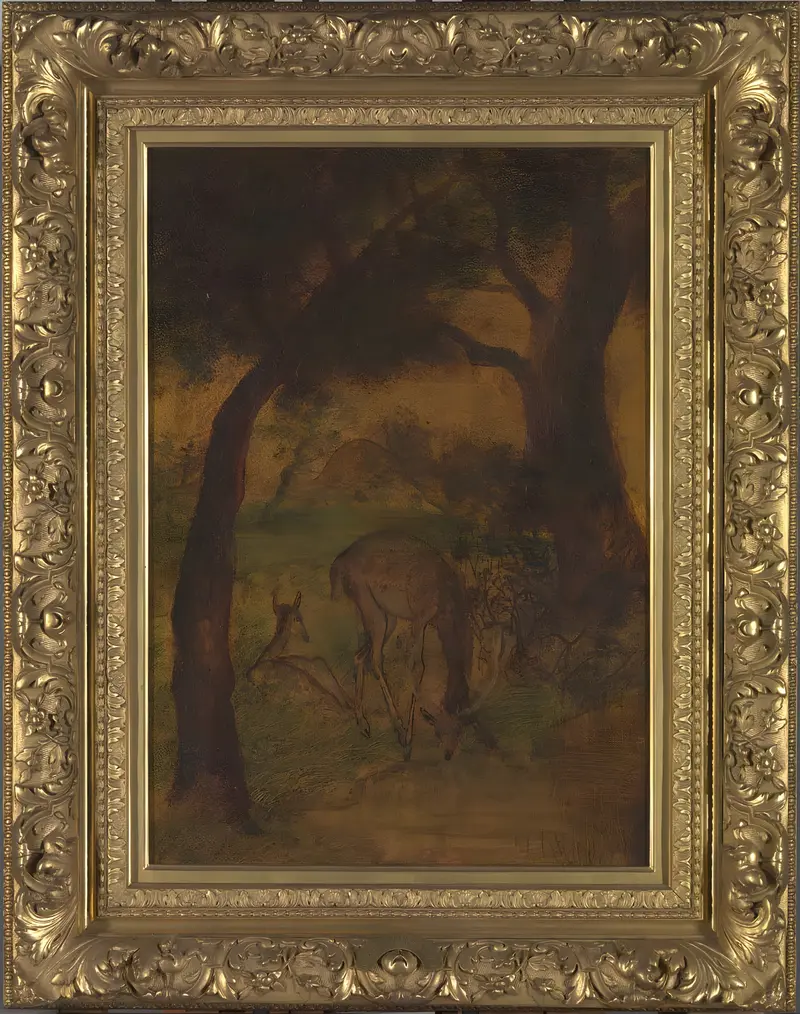
A Stag Drinking
Albert Pinkham Ryder
Christ Appearing to Mary
Albert Pinkham Ryder





