
Ezekiel's Vision — History & Facts
When Ezekiel's Vision left Italy for Florence in the 16th century, it was already a painting shrouded in intrigue—so much so that for centuries, its authorship was debated, with some attributing it to Giulio Romano or other members of Raphael’s workshop. Today, most scholars agree that it is one of the rare small-scale devotional works painted by Raphael himself, possibly for a private patron. Its size is unusual for such a grand biblical subject, suggesting it was intended for intimate contemplation rather than public display.
The painting’s fame grew after it entered the Medici collection, where it was admired as a jewel of the High Renaissance. The scene bursts with celestial drama: the prophet Ezekiel, as described in the Old Testament (Ezekiel 1:4–28), beholds a vision of God enthroned above a chariot borne by four hybrid creatures—each with the faces of a man, lion, ox, and eagle. Raphael captures the instant when the divine chariot descends in a whirlwind of clouds and light, with the Almighty radiating golden brilliance and blessing the prophet below. The four creatures, wheels within wheels, and the rainbow arc are all carefully rendered, each symbolizing aspects of divine power and the four Evangelists.
Unlike Dürer’s woodcut of the same vision, which emphasizes the terrifying complexity of the creatures, Raphael brings harmony and order to the chaos, focusing the viewer’s eye on the serene, blessing gesture of God. The painting’s journey reflects the shifting tides of European art collecting. After its time in Florence, it was acquired by the Dukes of Modena and later found its way to the Spanish royal collection, where it was catalogued as a prized work of Raphael. Over the centuries, it has been cleaned, reframed, and studied, its authorship debated but never forgotten.
Today, Ezekiel's Vision hangs in the Museo del Prado, a testament to Raphael’s ability to translate complex theology into luminous, accessible form, and a rare glimpse into his approach to small-scale devotional painting late in his career.
More Artworks by Raphael

Madonna of the Goldfinch
Raphael

Madonna with the Fish
Raphael
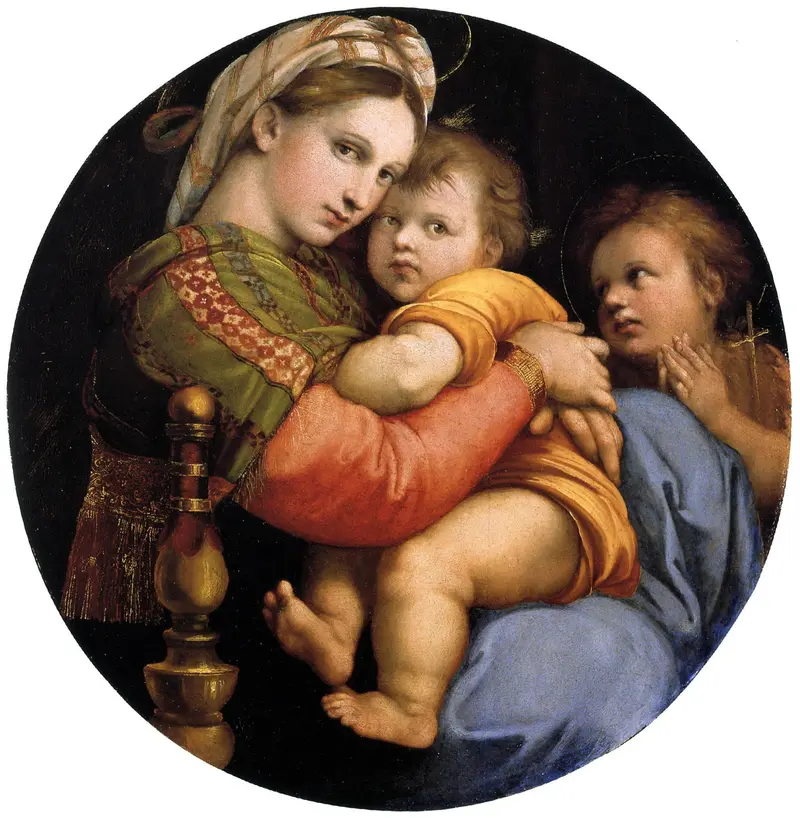
Madonna and Child (Madonna della Seggiola)
Raphael
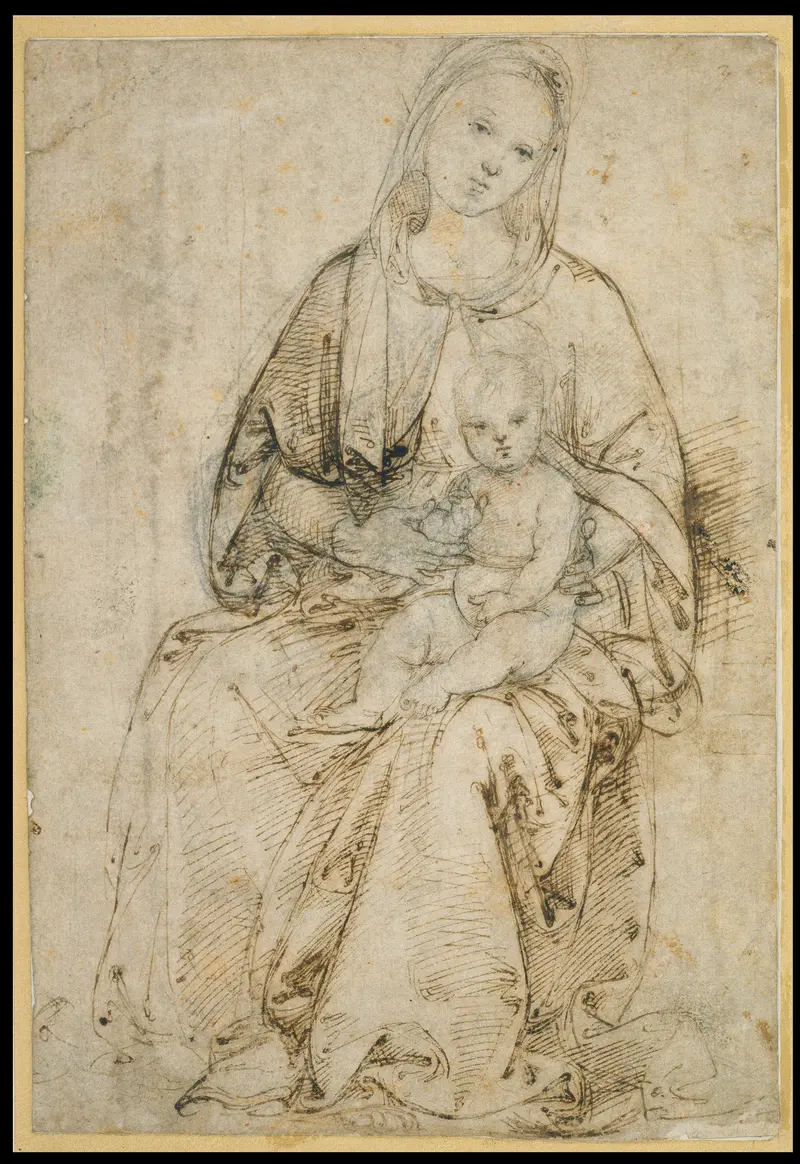
Seated Madonna and Child
Raphael
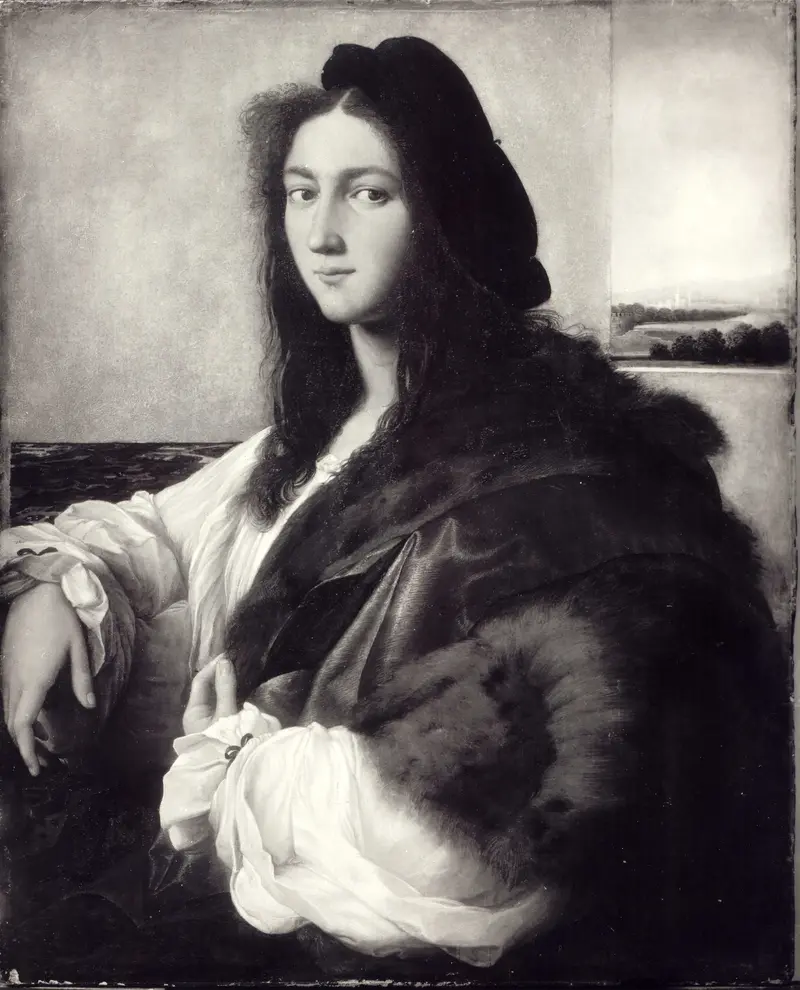
Portrait of a Young Man
Raphael
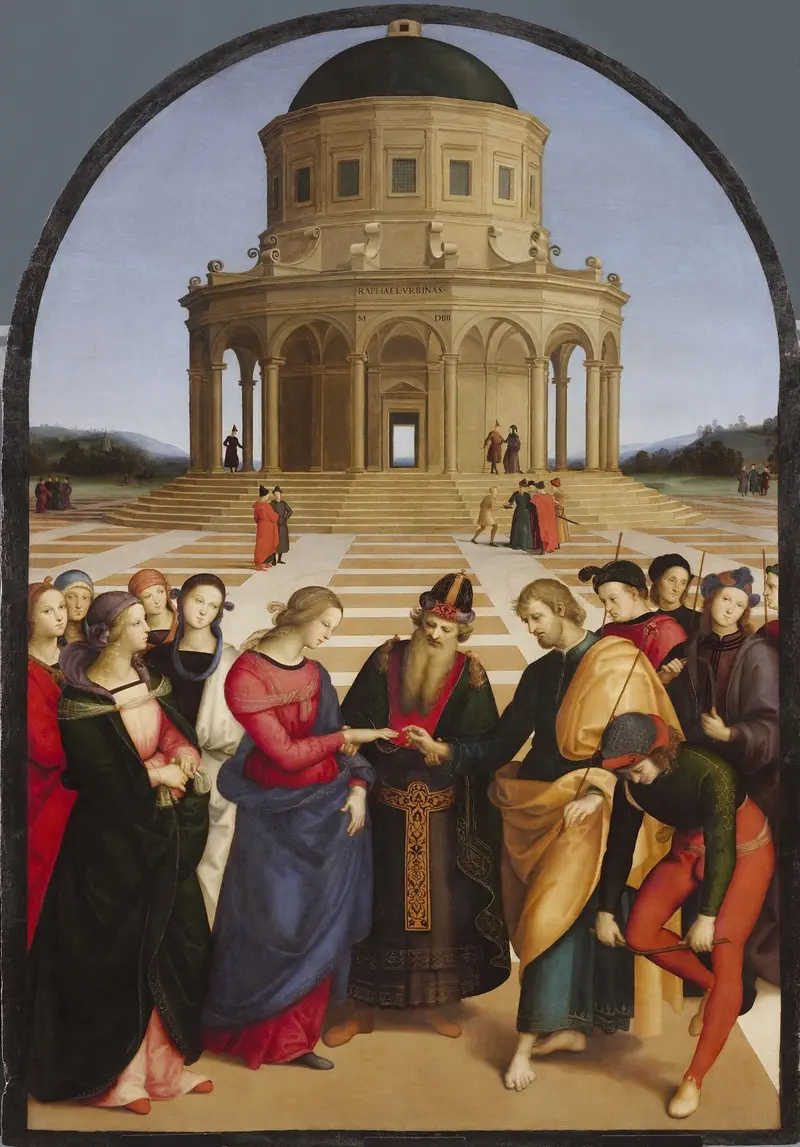
The Marriage of the Virgin
Raphael
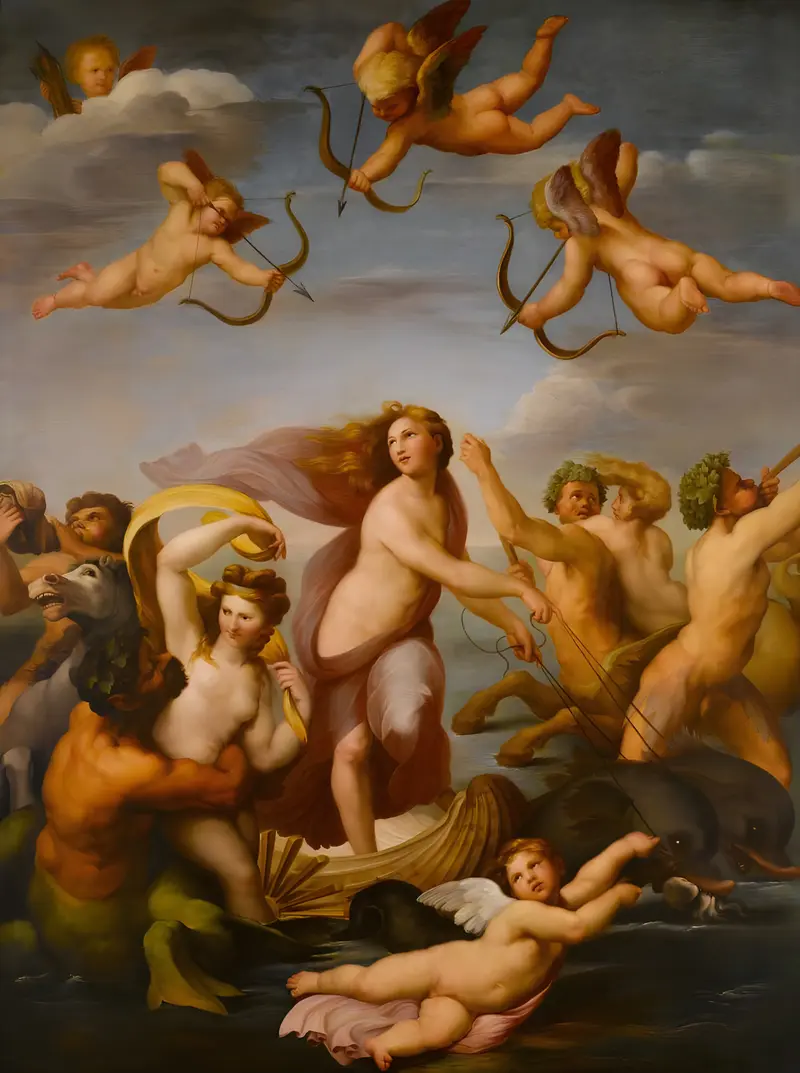
The Triumph of Galatea (copy after Raphael)
Raphael
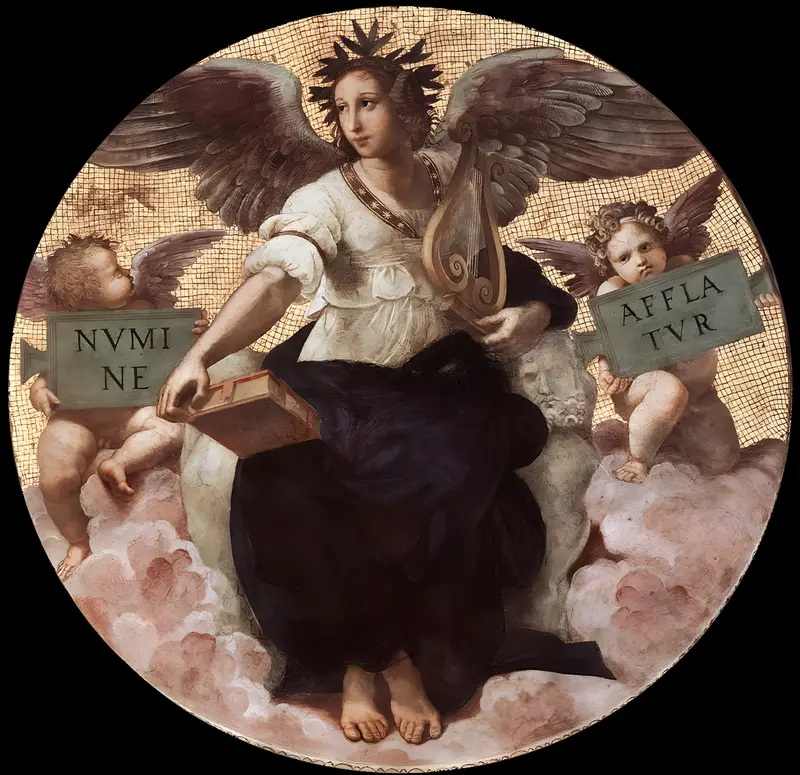
Poetry
Raphael
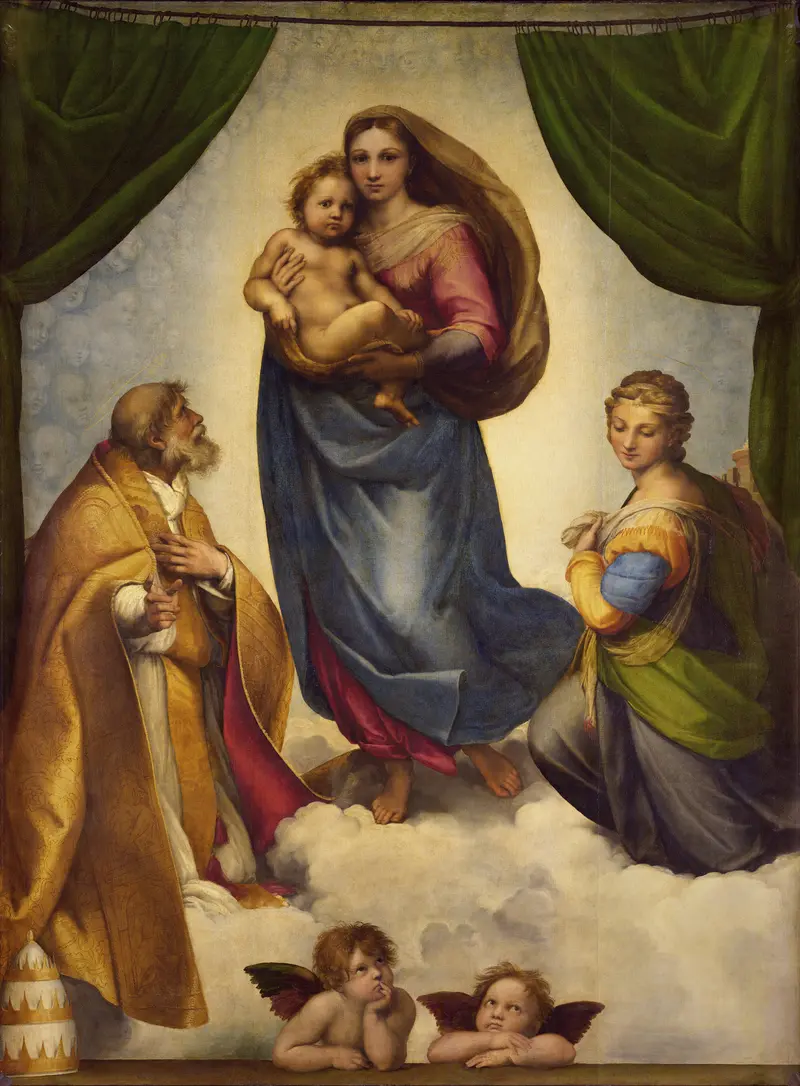
Sistine Madonna
Raphael
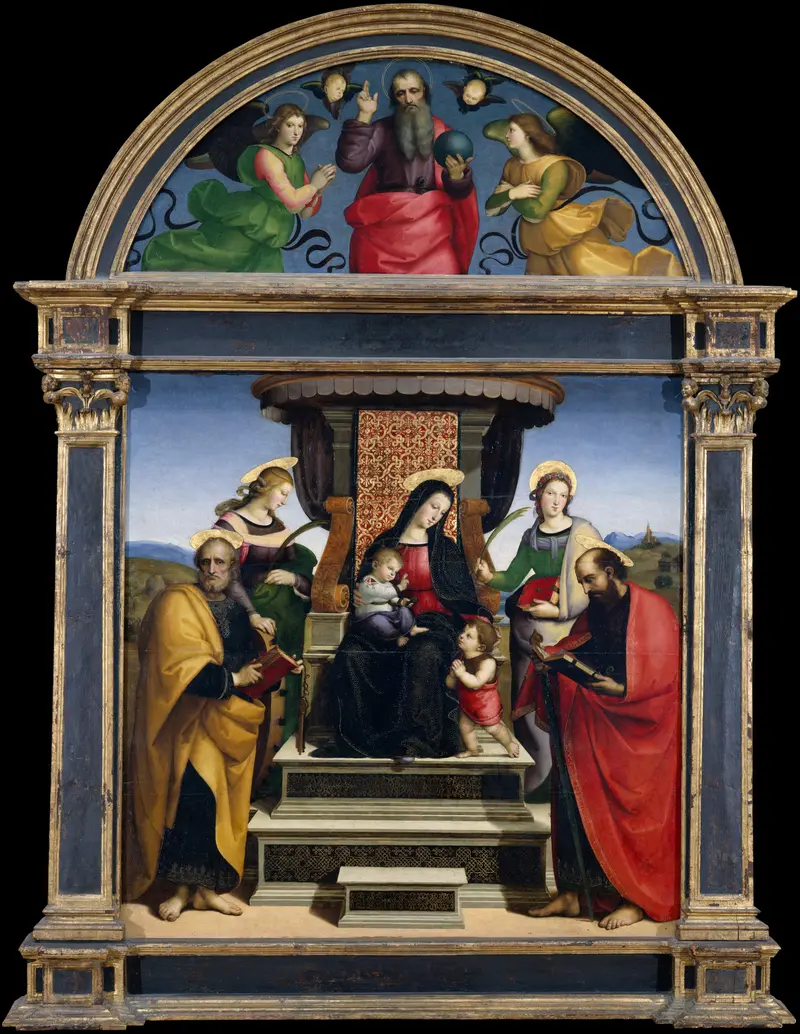
Madonna and Child Enthroned with Saints
Raphael




