
Fair Rosamund — History & Facts
What first catches the eye is the hush of anticipation, as a woman in deep blue leans toward the light pouring through a castle window, her hands clasped at her lips in a gesture of longing or prayer. The sweep of her gown and the delicate veil trailing from her hair draw the viewer into her world of waiting and secrecy. A vase of fresh roses on the table and the tapestry-like painting at her side hint at stories of love and legend, while the checkered floor and the rich red curtain behind her create a stage-like sense of drama.
The curtain itself is not merely backdrop: it is being drawn aside by a figure in shadow, whose watchful eyes and cautious posture suggest that this moment is private, perhaps even dangerous. Painted in 1916 by John William Waterhouse, this work stands at the twilight of the Pre-Raphaelite tradition, when artists looked back to medieval romance and myth for inspiration. Such paintings were often commissioned by collectors who sought not only beauty but also the thrill of narrative and nostalgia for a lost chivalric age. By the early twentieth century, the world that produced these images was changing rapidly, and Waterhouse’s late works—like Fair Rosamund—carry a sense of both homage and farewell.
Sold at Sotheby’s New York in 2014, this painting survives as a testament to the enduring allure of legend, inviting viewers to lean closer and imagine the secrets behind the curtain.
More Artworks by John William Waterhouse
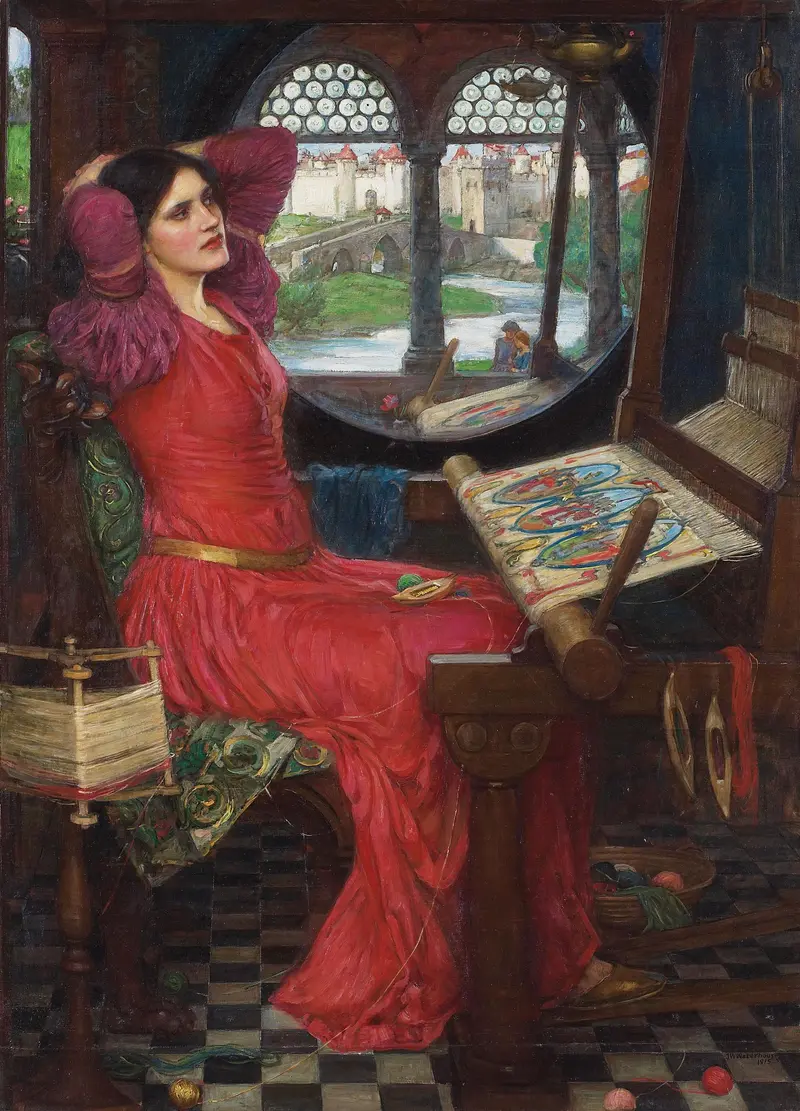
'I Am Half-Sick of Shadows,' Said the Lady of Shalott
John William Waterhouse

The Favourites of the Emperor Honorius, 1883
John William Waterhouse
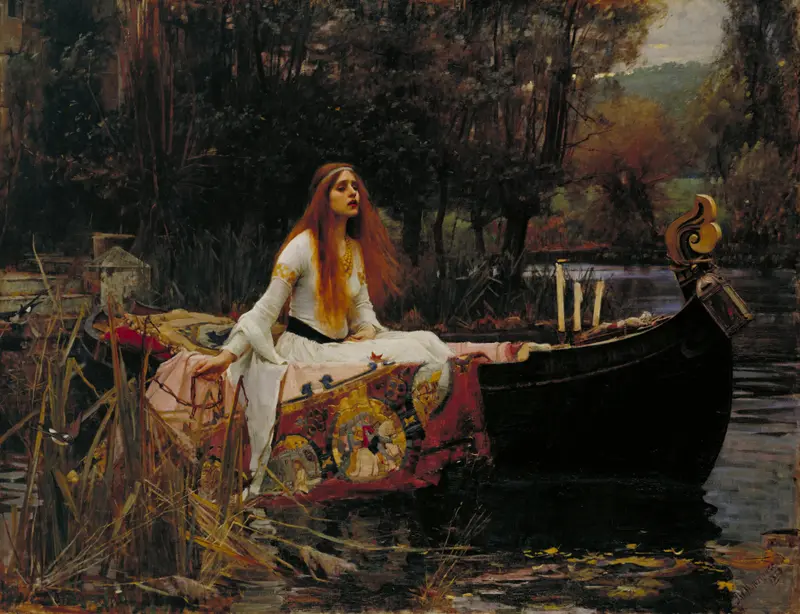
The Lady of Shalott
John William Waterhouse
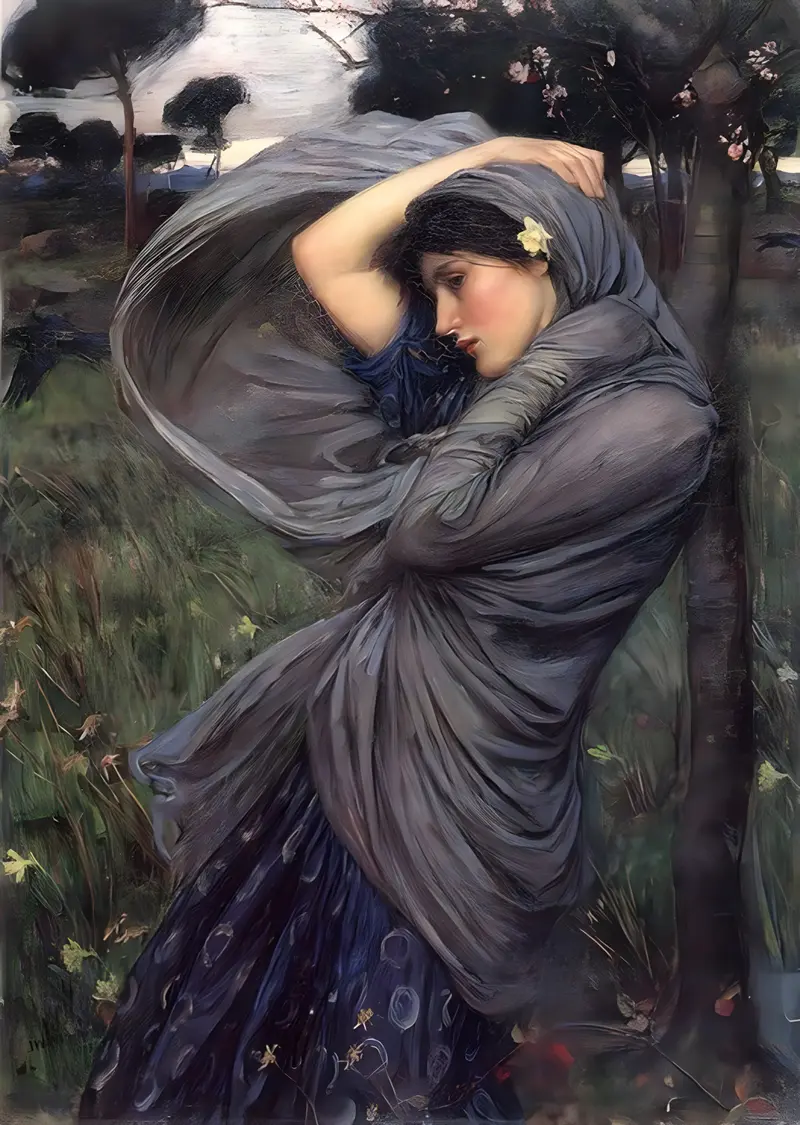
Boreas
John William Waterhouse
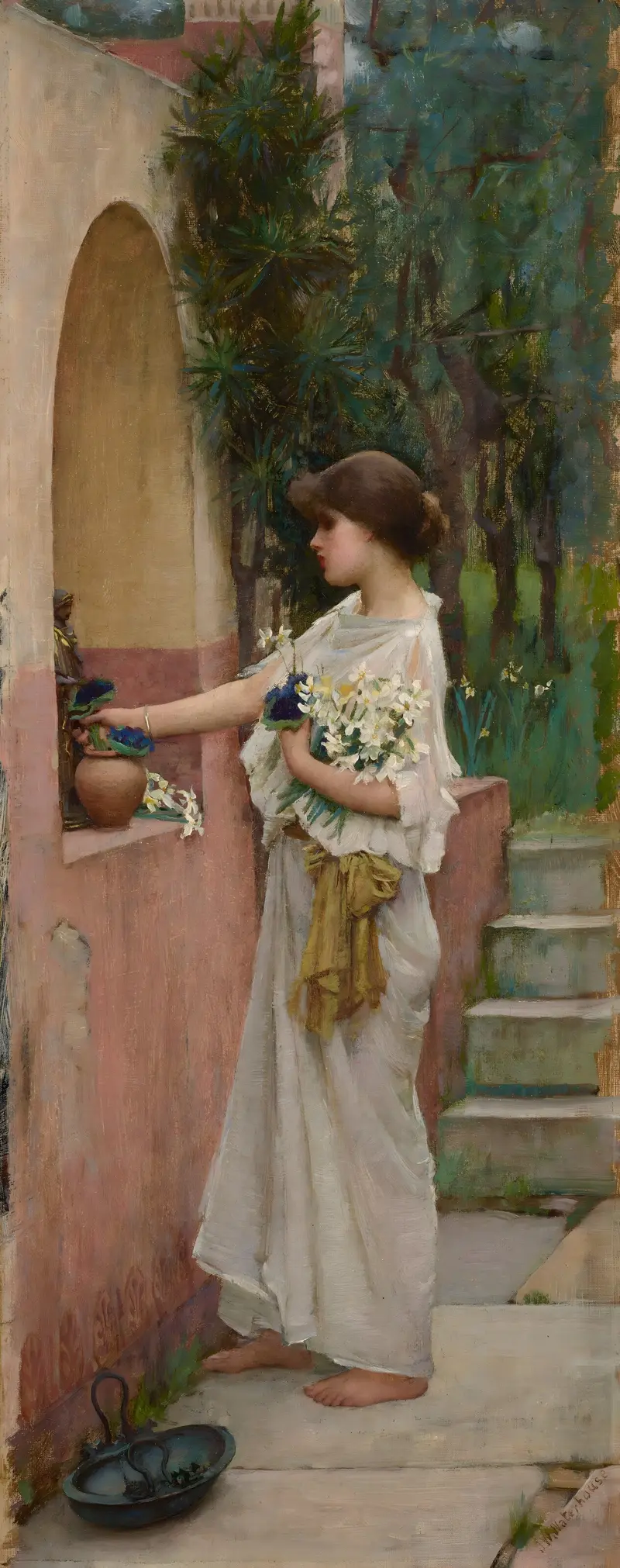
A Roman Offering
John William Waterhouse
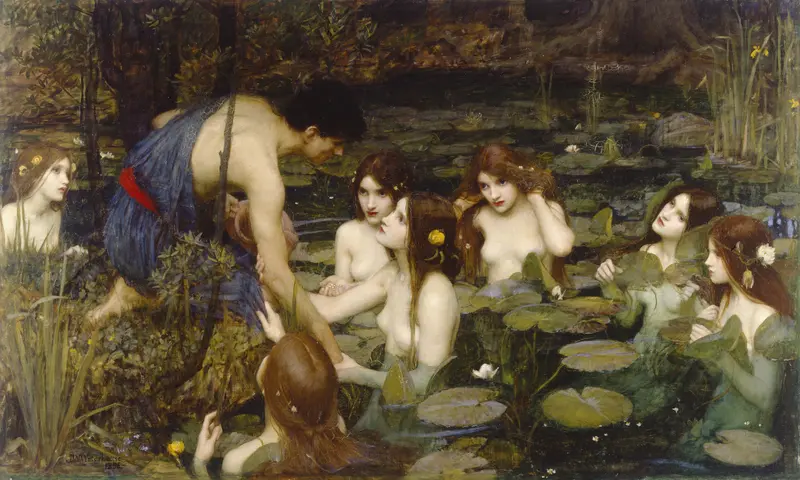
Hylas and the Nymphs
John William Waterhouse
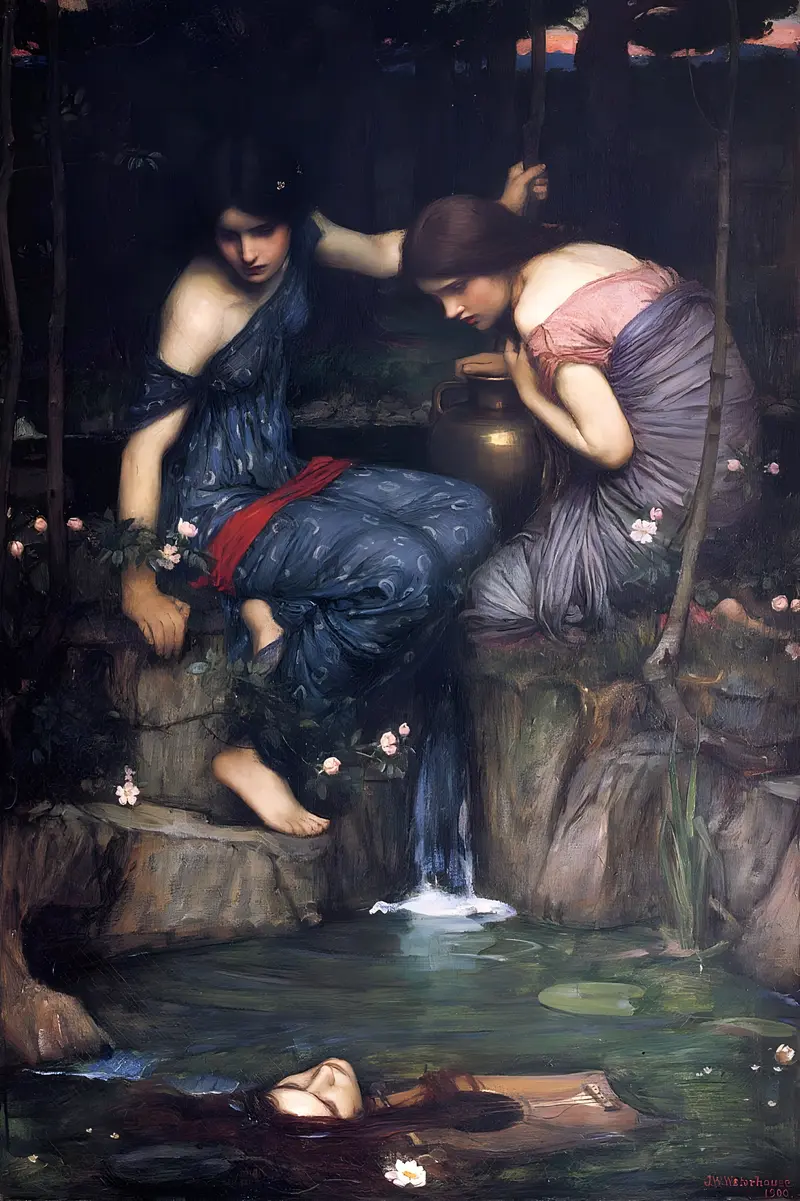
Nymphs Finding the Head of Orpheus
John William Waterhouse
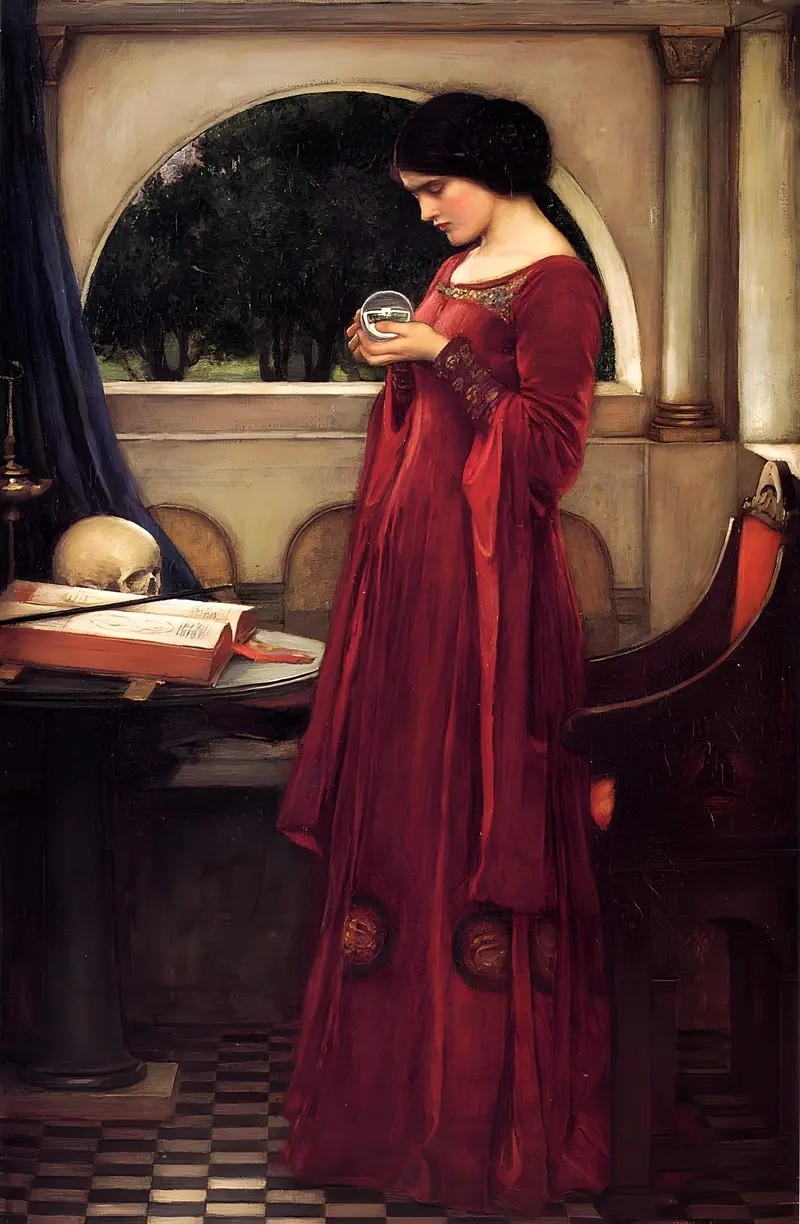
The Crystal Ball
John William Waterhouse
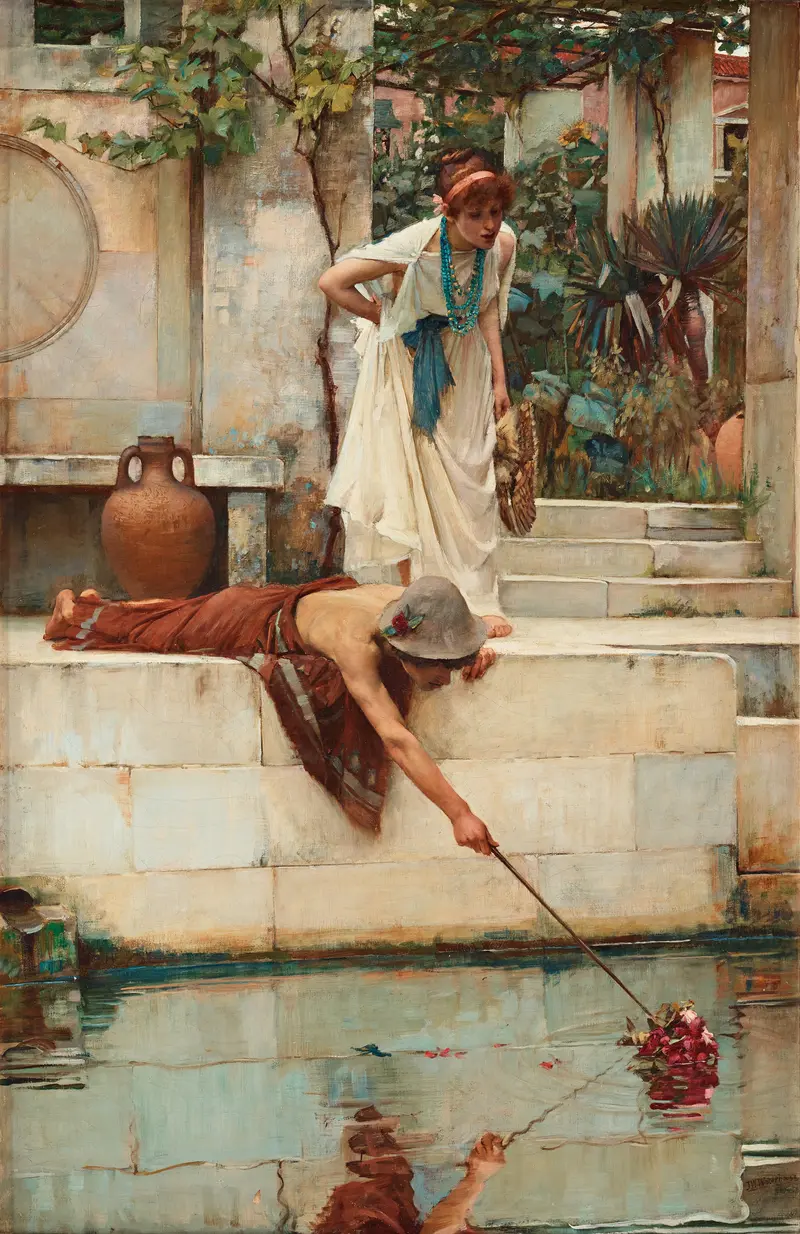
The Rescue
John William Waterhouse
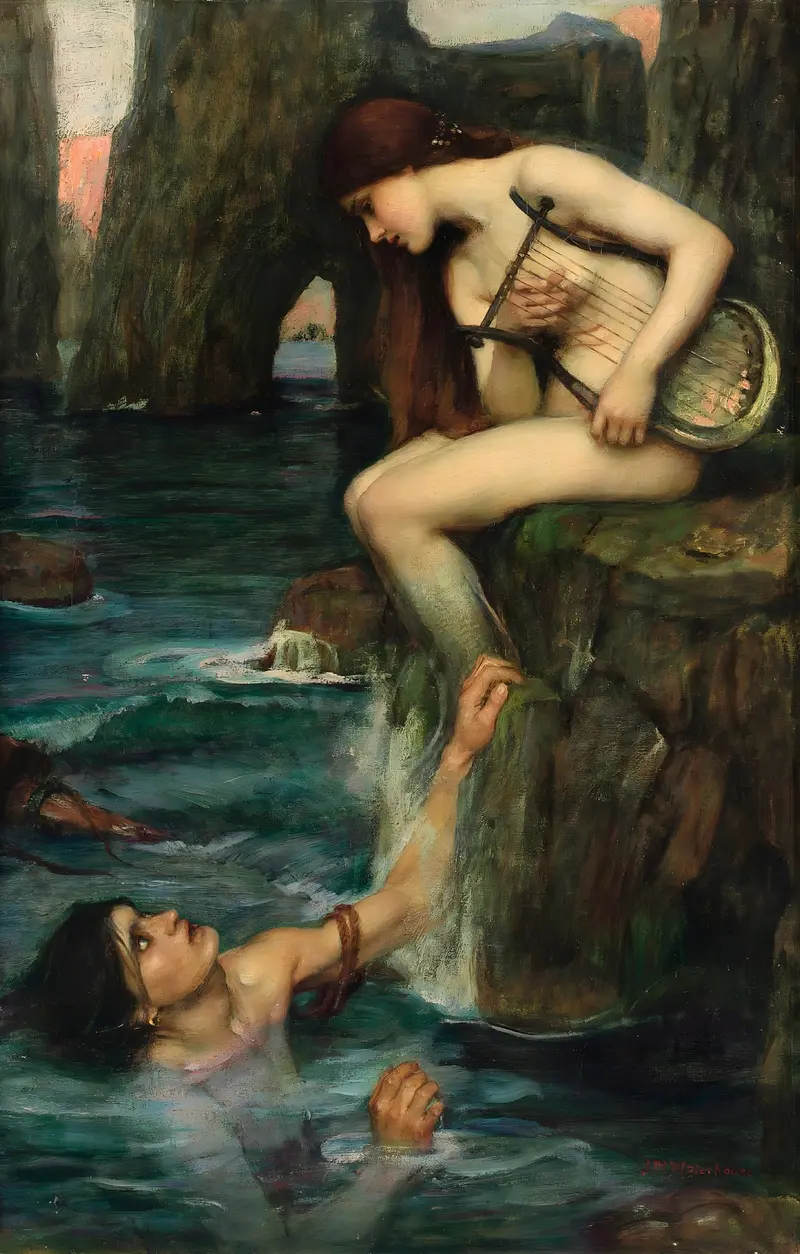
The Siren, 1900
John William Waterhouse





