
Forest Landscape with Reclining Pan — History & Facts
A shaft of golden light cuts through the dense, shadowed forest, drawing the eye to a figure half-hidden in the undergrowth: a reclining Pan, his goat legs stretched out, his torso at ease, utterly at home in this secluded glade. The forest seems to close around him, its darkness deep and impenetrable, yet the light that dapples the leaves above and bathes his resting form suggests a world in which myth and nature are inseparable. Böcklin’s Pan is not the wild, raucous god of ancient tales, but a creature at rest, caught in a rare moment of peace.
The careful contrast between the sunlit foliage and the brooding gloom beyond makes the forest itself feel enchanted, as if the god’s presence has changed the very air. Painted in 1855, this work belongs to a moment when artists across Europe were rediscovering myth and landscape, blending them to create new worlds on canvas. Arnold Böcklin would become known for his dreamlike visions, and here, even early in his career, he fuses the real and the imagined with quiet confidence. In the mid-19th century, such paintings were often made for private collectors eager to escape the noise of the industrial city and lose themselves in ancient legend.
The painting now belongs to the collection of the Kunstmuseum Basel, a reminder of how history has kept few traces of Pan’s world—except, perhaps, in the hush and dappled light of a forest like this one.
More Artworks by Arnold Böcklin

Die Toteninsel III
Arnold Böcklin
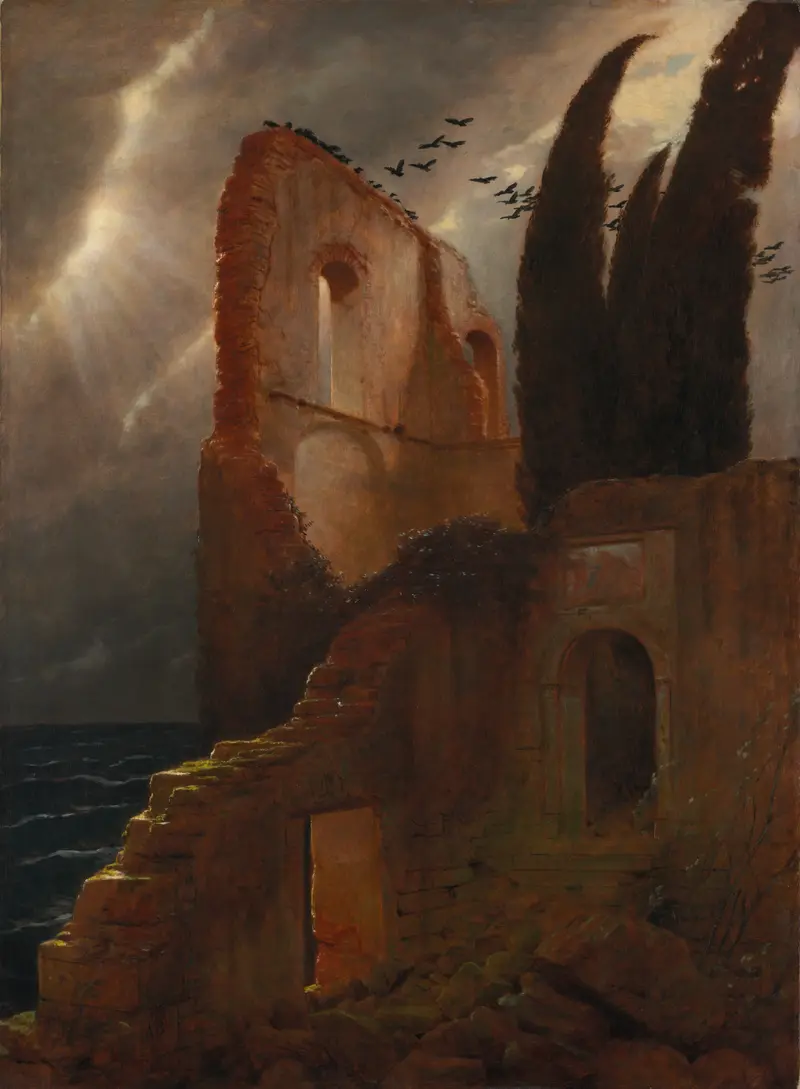
Ruin by the Sea
Arnold Böcklin
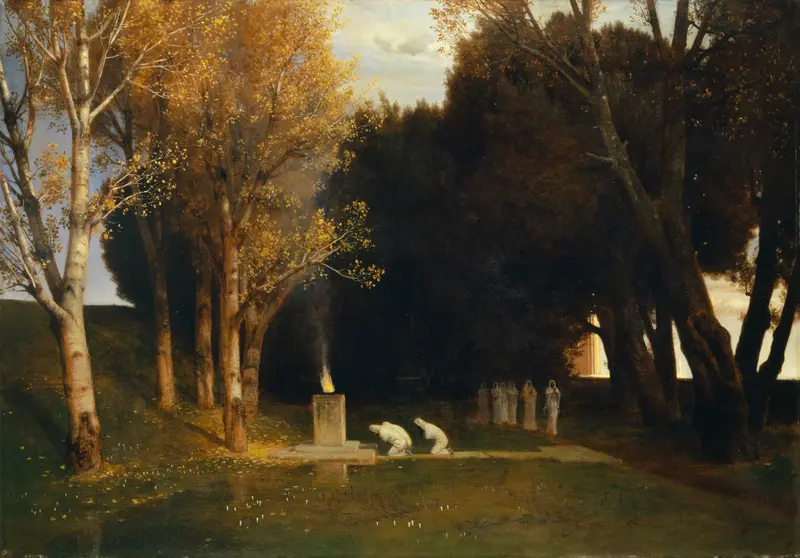
The Sacred Grove
Arnold Böcklin
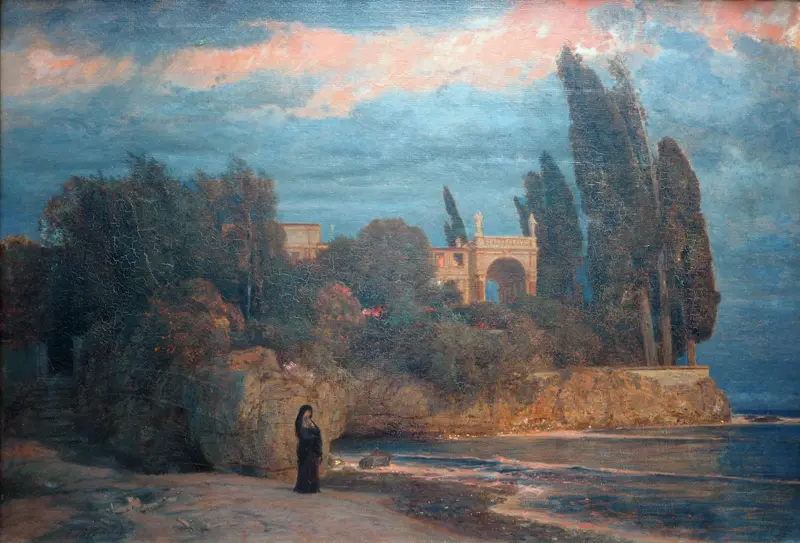
Villa by the Sea
Arnold Böcklin
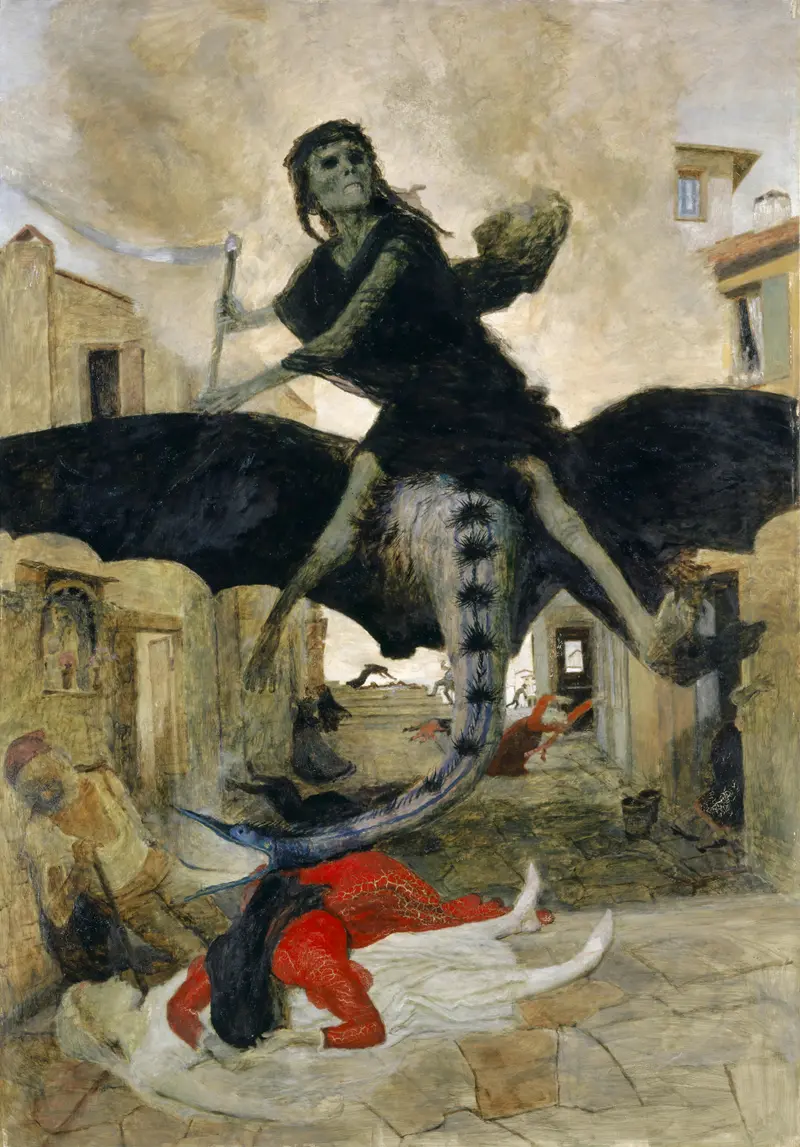
The Plague
Arnold Böcklin
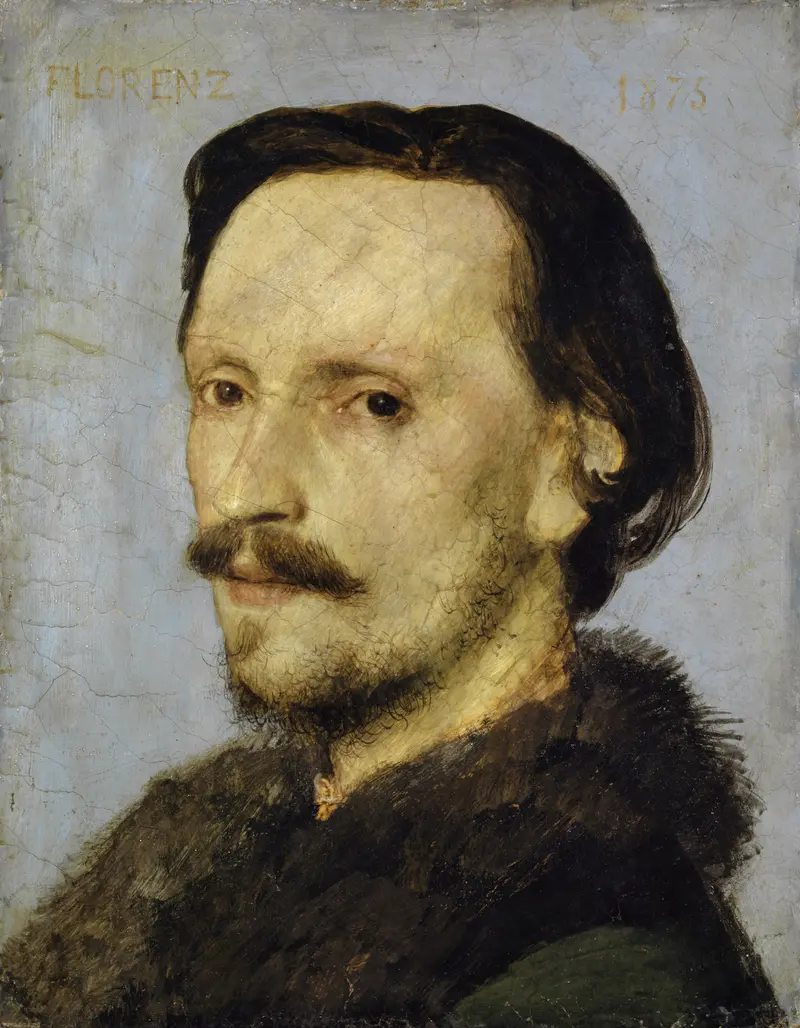
Böcklin Bildnis des Kunsthistorikers Adolph Bayersdorfer, 1875
Arnold Böcklin
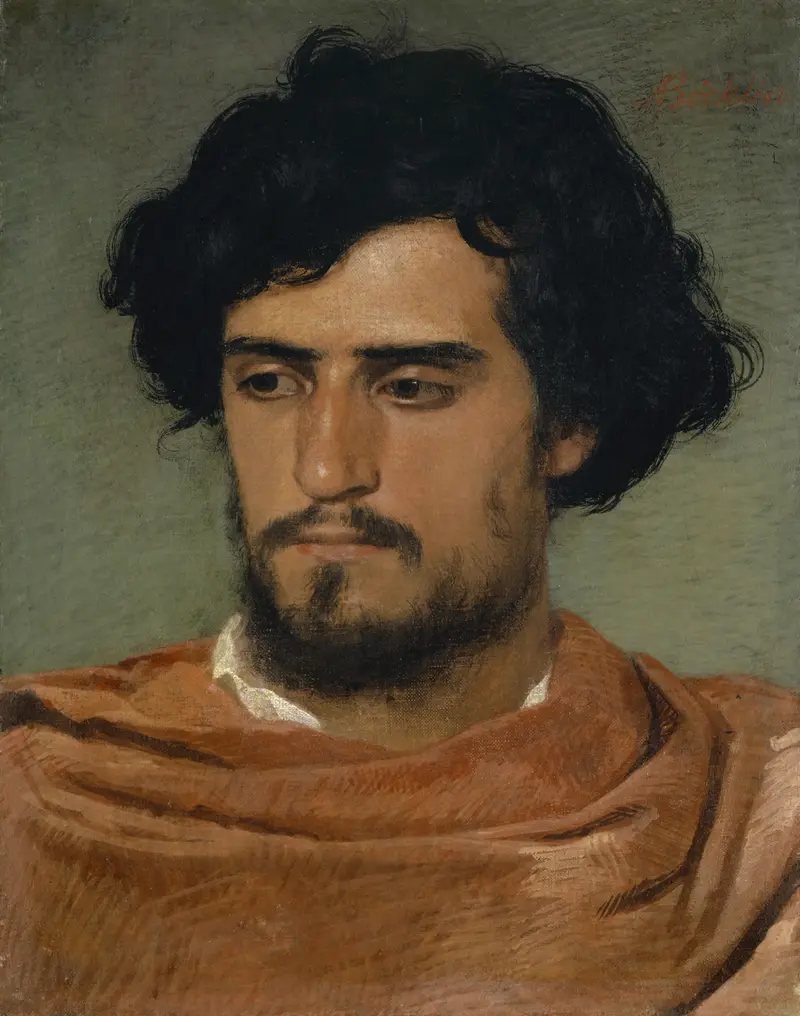
Head of a Roman
Arnold Böcklin
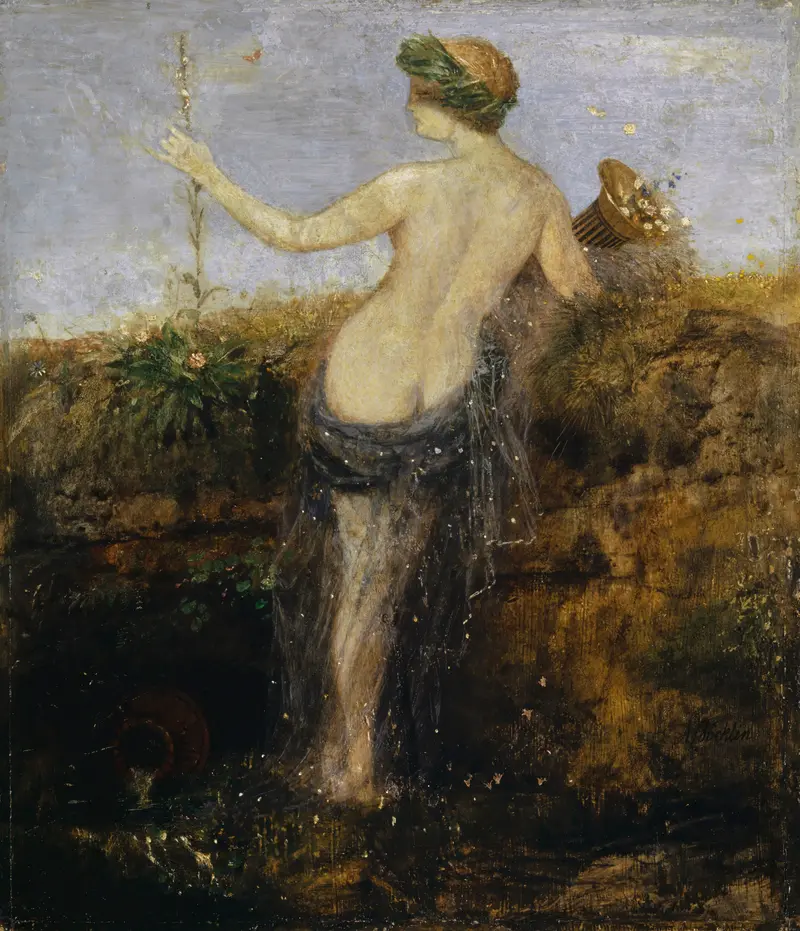
Nymphe with Horn of Plenty
Arnold Böcklin
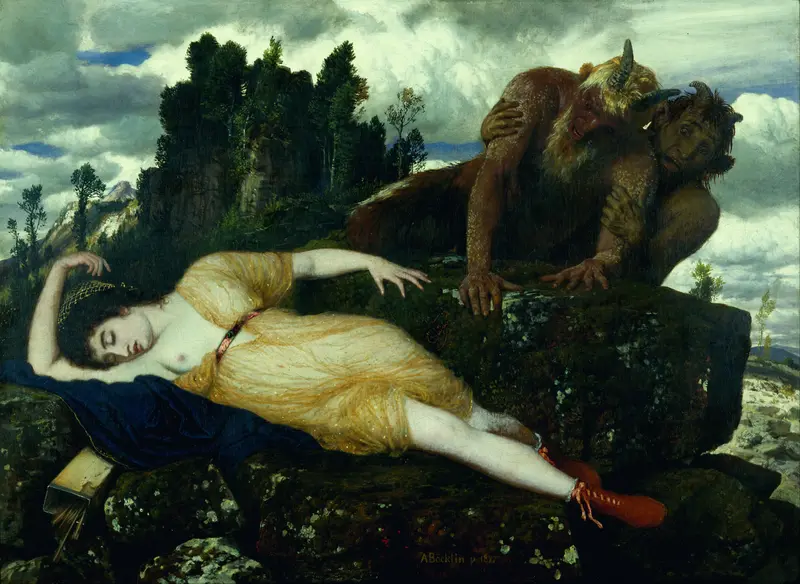
Sleeping Diana Watched by Two Fauns
Arnold Böcklin
Spring (Songs of Spring)
Arnold Böcklin





