
Françoise de Rimini — History & Facts
When Françoise de Rimini was first exhibited at the Salon of 1814, it marked a bold and unexpected turn in Jean Auguste Dominique Ingres’s career. Known for his precise neoclassical portraits, Ingres here plunged into the fevered world of Dante’s Inferno, drawing gasps from critics who were unprepared for such emotional intensity from his hand. The subject—a pair of doomed lovers eternally swept by infernal winds—had been painted before, but never with such a deliberate blend of medieval romance and icy neoclassical control.
This painting’s reception was sharply divided: some praised its purity of line, while others found its passion unsettling. Ingres freezes the tale at the moment when Francesca da Rimini and her lover Paolo, condemned for adultery, are buffeted through the second circle of Hell. Francesca’s gaze is fixed on Paolo, her hand entwined with his, as the winds swirl their drapery and threaten to tear them apart. The lovers’ bodies are rendered with the sculptural clarity typical of Ingres, but their faces are alive with anguish and longing.
The chain that binds them is both literal and symbolic—a sign of their unbreakable, fatal bond. In contrast to Delacroix’s later, more turbulent treatment of the same subject, Ingres’s version is quieter, the tragedy distilled into gesture and line rather than tempestuous color. The physical history of Françoise de Rimini remains somewhat obscure, as the painting did not immediately enter a major public collection and its medium is still debated among scholars. It stands as a rare example of Ingres’s engagement with literary and medieval themes during his early years, before his long sojourn in Rome and his later fame as a portraitist.
Today, the work is recognized as a key moment in the artist’s development, foreshadowing the psychological depth he would bring to later masterpieces. Its current location is not widely publicized, but it continues to attract scholarly attention as an emblem of early 19th-century fascination with both Dante and the power of tragic love.
More Artworks by Jean Auguste Dominique Ingres
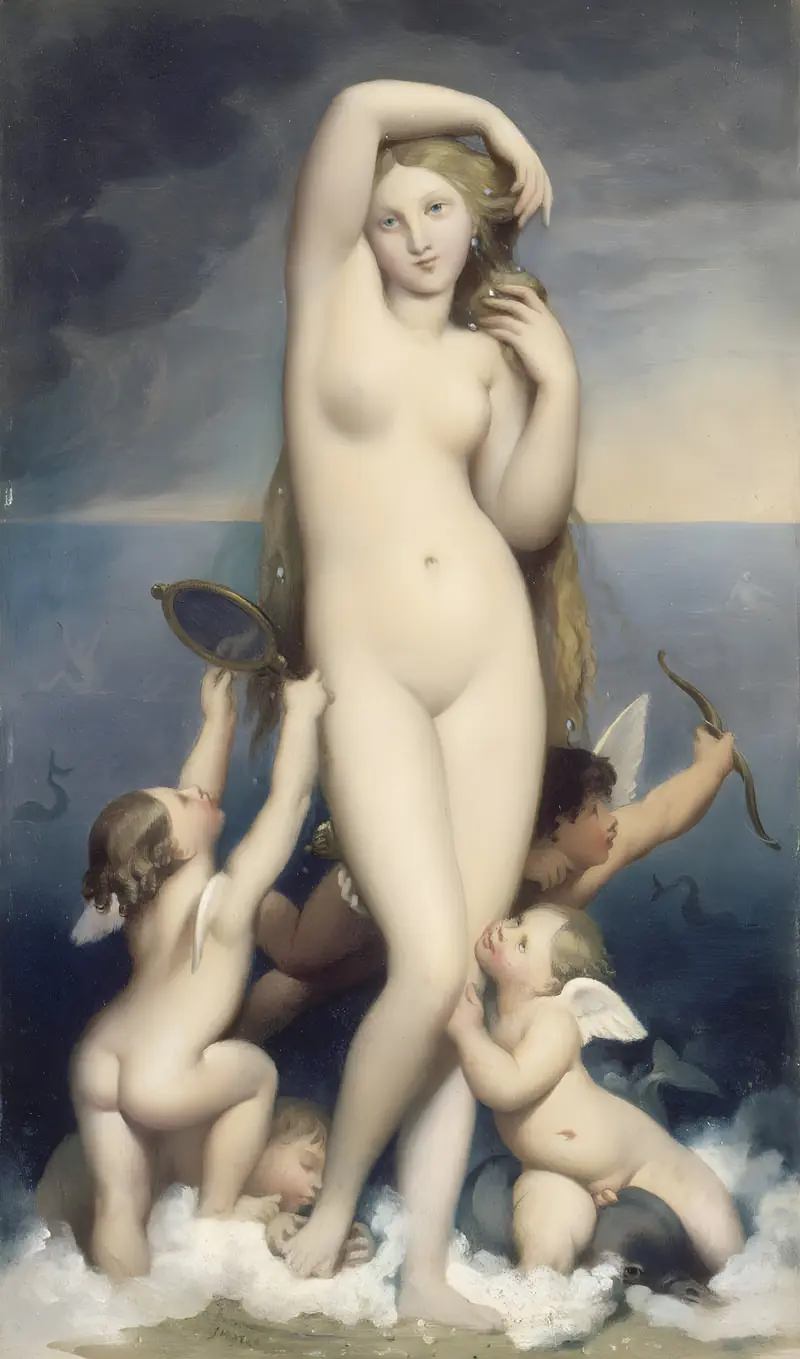
Vénus anadyomène
Jean Auguste Dominique Ingres
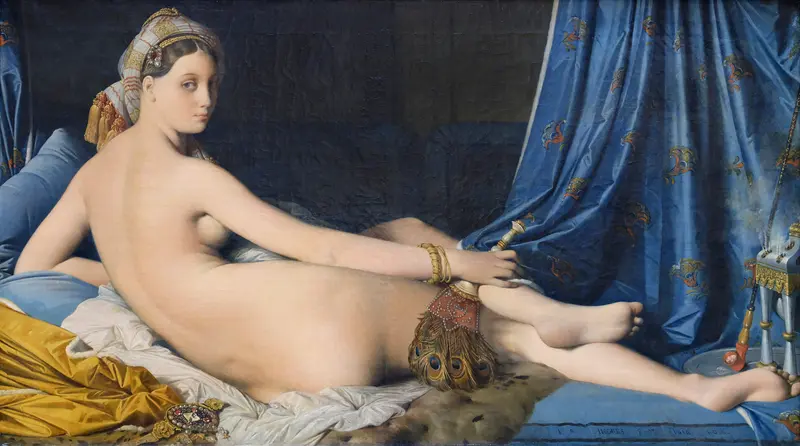
Grande Odalisque
Jean Auguste Dominique Ingres
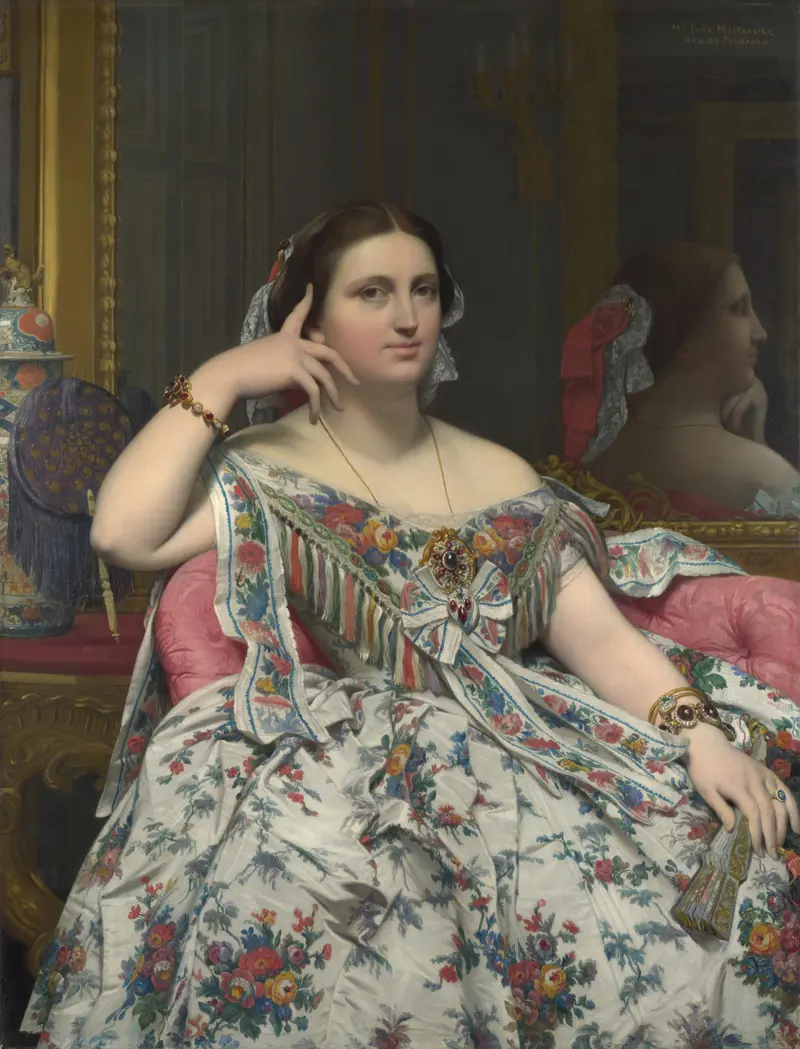
Madame Moitessier (seated)
Jean Auguste Dominique Ingres
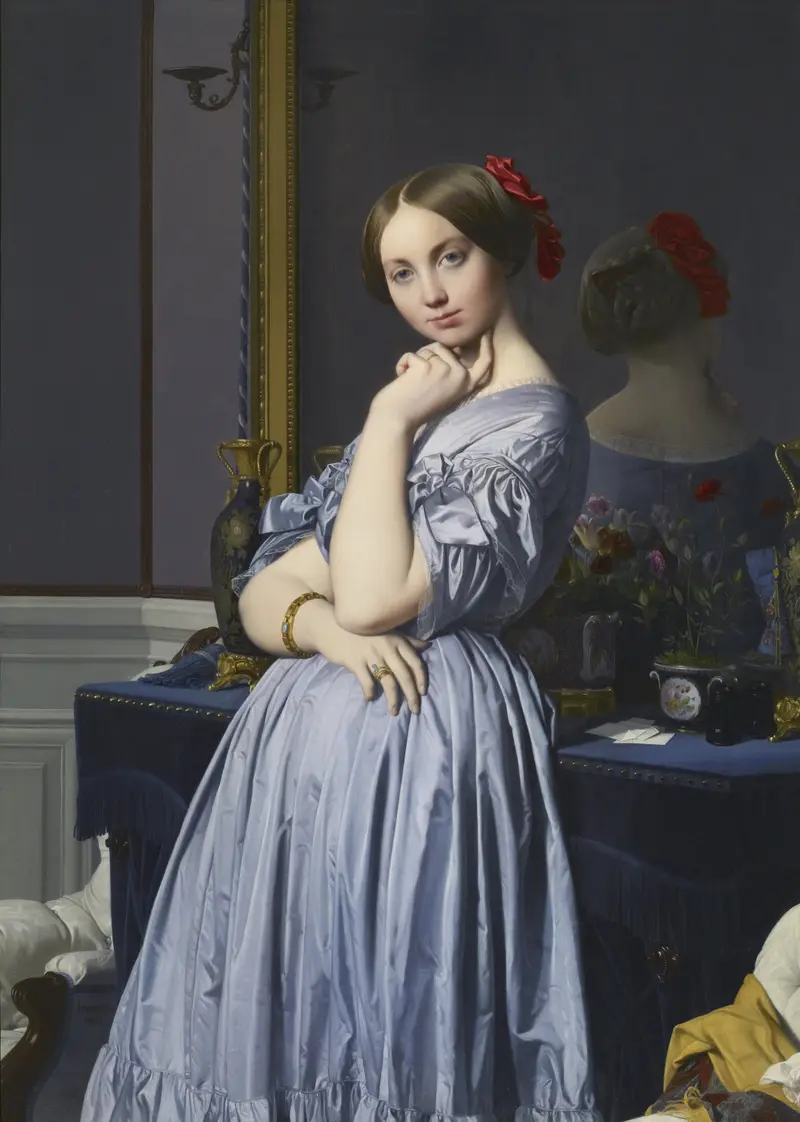
Portrait of Comtesse d’Haussonville
Jean Auguste Dominique Ingres
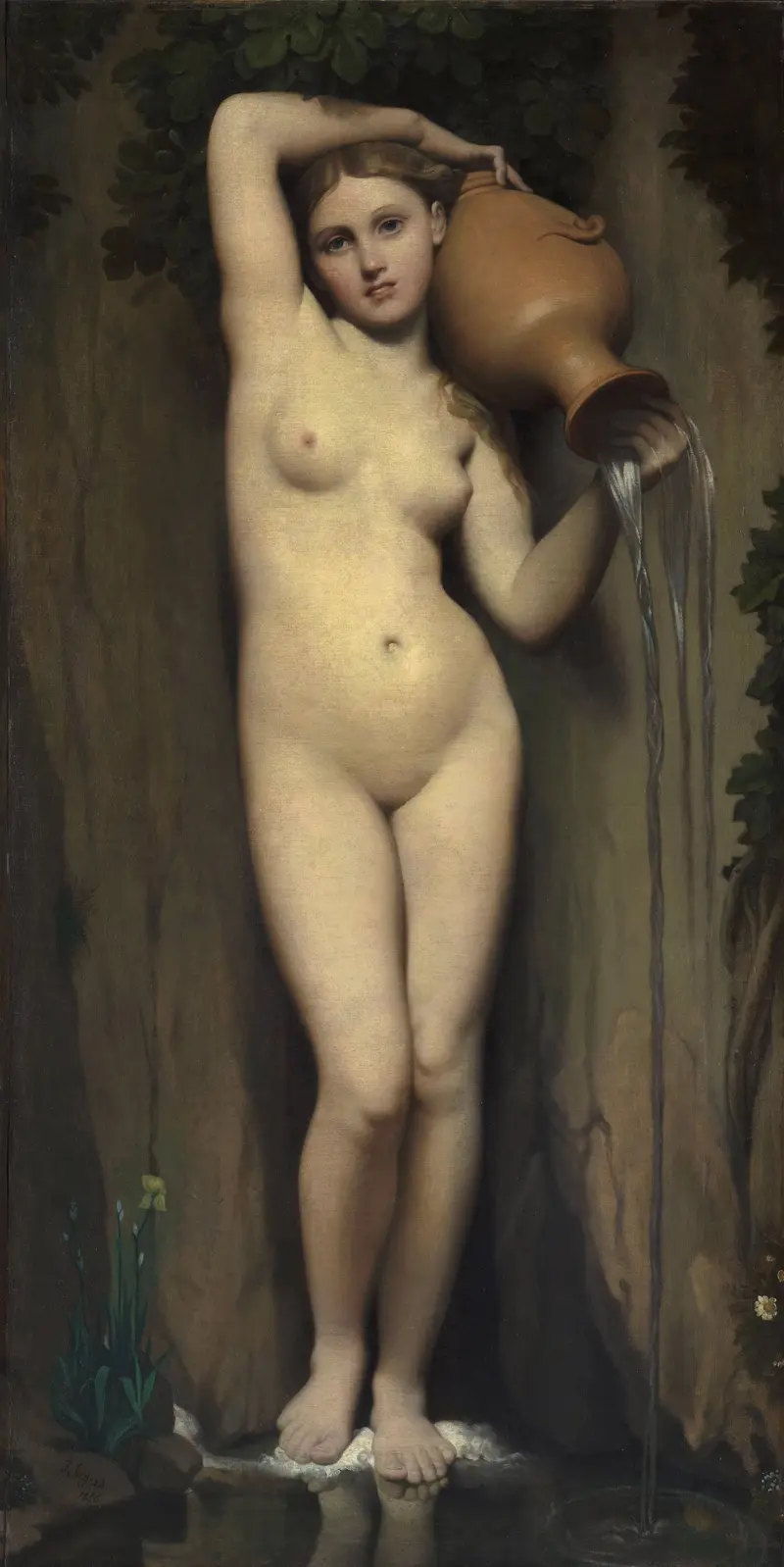
The Source
Jean Auguste Dominique Ingres
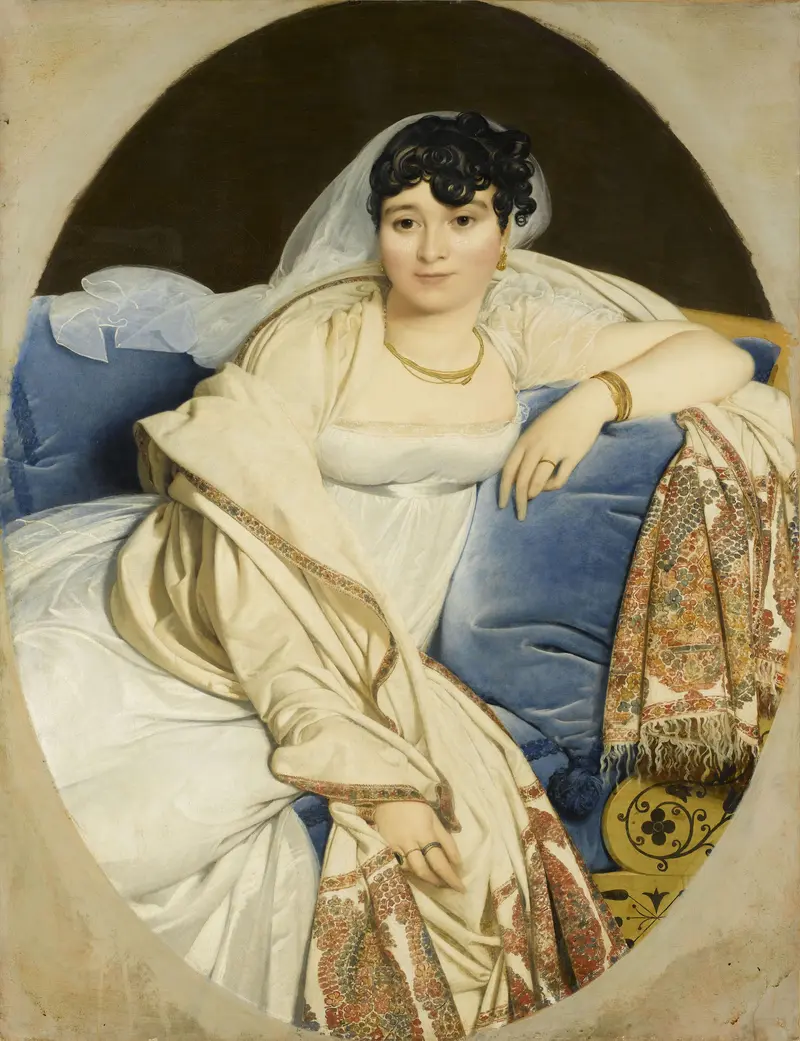
Madame Rivière
Jean Auguste Dominique Ingres

Madame Jean-Auguste-Dominique Ingres, née Madeleine Chapelle
Jean Auguste Dominique Ingres

Portrait of a Lady
Jean Auguste Dominique Ingres
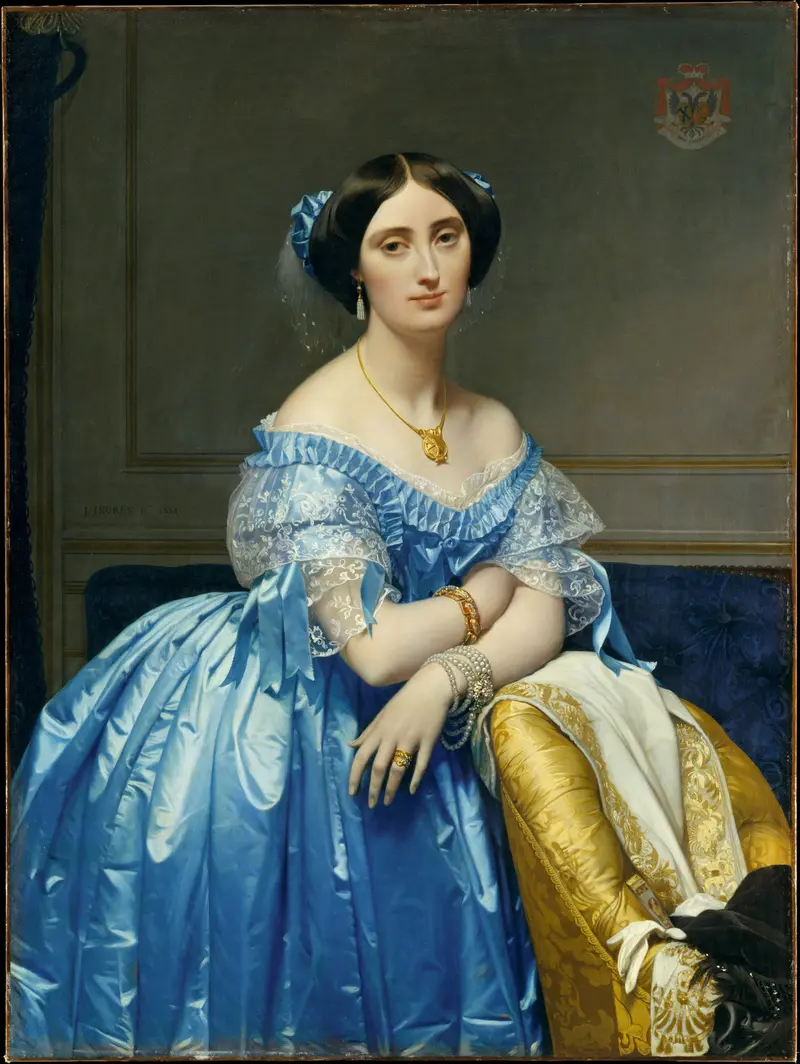
Joséphine-Éléonore-Marie-Pauline de Galard de Brassac de Béarn (1825–1860), Princesse de Broglie
Jean Auguste Dominique Ingres
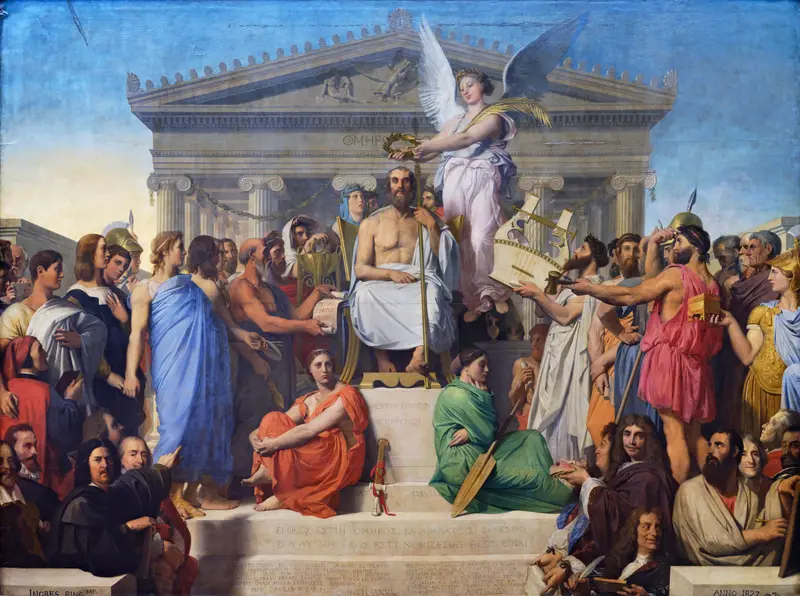
The Apotheosis of Homer
Jean Auguste Dominique Ingres





