
Gad — History & Facts
When Francisco de Zurbarán received the commission to paint the twelve sons of Jacob for the Monastery of Guadalupe in 1645, he was tasked with a series unlike any other in Spanish art. These works, including Gad, were intended not as altarpieces but as a rare cycle of Old Testament patriarchs, each rendered as a life-sized, solitary figure. The series was so unusual that, for centuries, several of the paintings were misattributed or dispersed, their original unity only reassembled by scholars in the twentieth century.
The story of Gad is thus tied not just to its biblical subject, but to the fate of a remarkable commission that slipped through the cracks of art history. In this painting, Zurbarán captures Gad, the seventh son of Jacob, at a moment of dignified stillness. The figure stands, garbed in rich, exotic costume, holding a standard and gazing outward with a calm, searching expression. According to Genesis 49:19, Jacob prophesied of Gad: “A troop shall overcome him: but he shall overcome at the last.” Zurbarán’s Gad is a warrior, his armor and sash alluding to this destiny, while the subdued palette and focused light single him out against the darkness, a technique reminiscent of Caravaggio but softened by Zurbarán’s own meditative restraint.
Unlike the crowded, narrative-driven depictions of Jacob’s sons by Northern artists, Zurbarán isolates his subject, inviting contemplation of character rather than action. The original cycle was created for the sacristy of the Monastery of Guadalupe, a major pilgrimage center in seventeenth-century Spain. Over time, the paintings were scattered—some lost, others entering private collections or museums. Gad itself eventually found its way to the Museo del Prado, where it is now reunited with several of its companion pieces.
This series marks a period in Zurbarán’s career when he was at the height of his powers, producing works that combined the austerity of Spanish religious painting with a new interest in psychological presence. Though the exact medium is uncertain, the work’s survival and rediscovery have made it a touchstone for understanding both the artist’s vision and the shifting fortunes of Spanish Baroque painting.
More Artworks by Francisco de Zurbarán
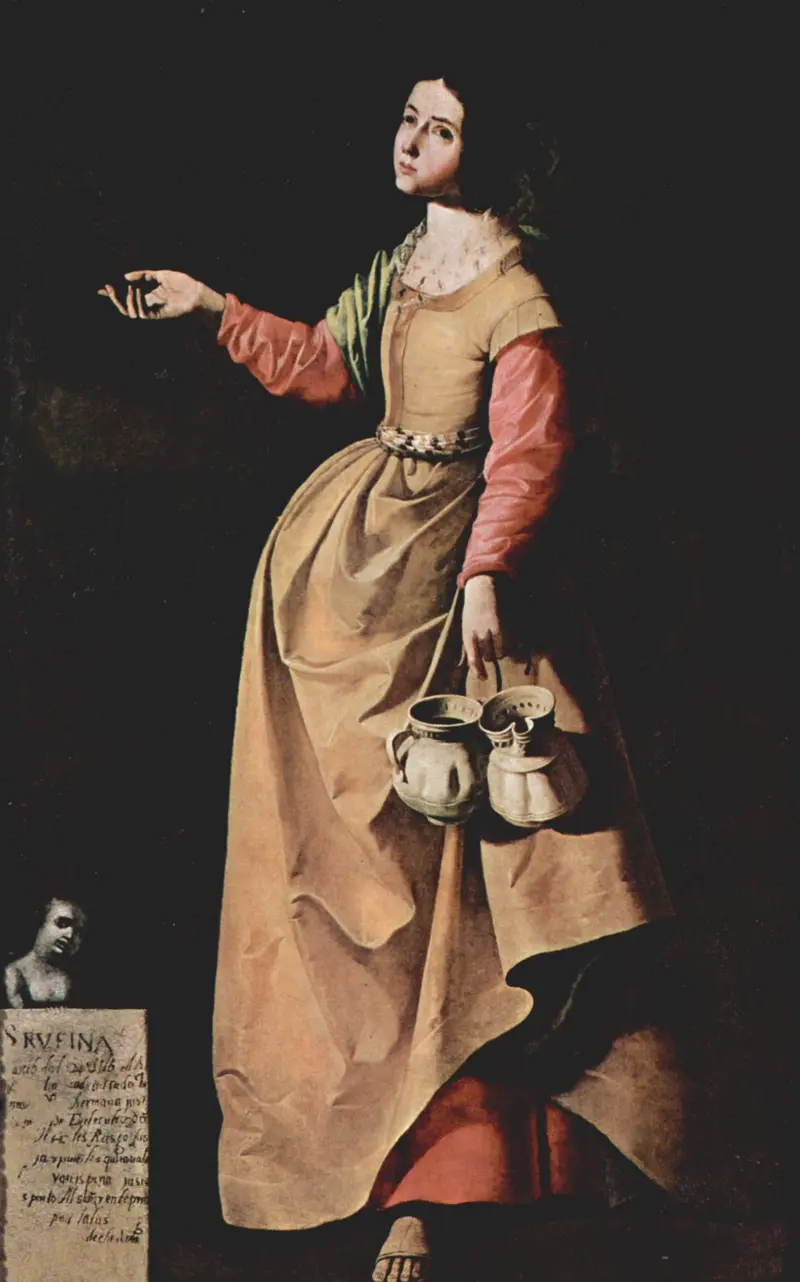
Saint Rufina
Francisco de Zurbarán
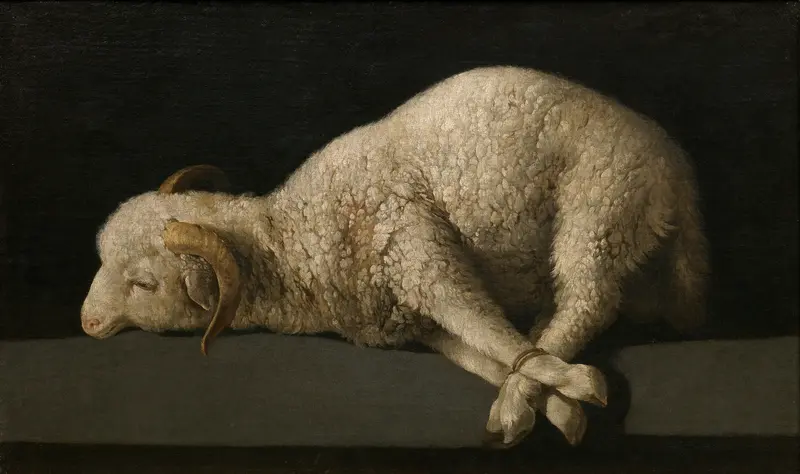
Agnus Dei
Francisco de Zurbarán
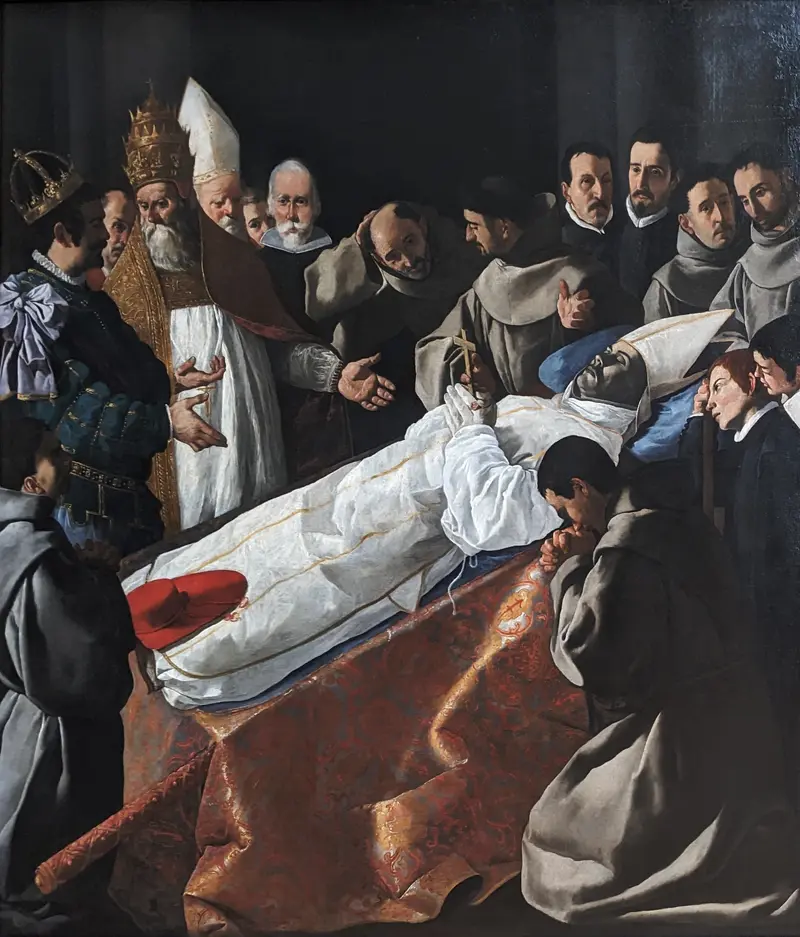
Saint Bonaventure's Body Lying in State
Francisco de Zurbarán
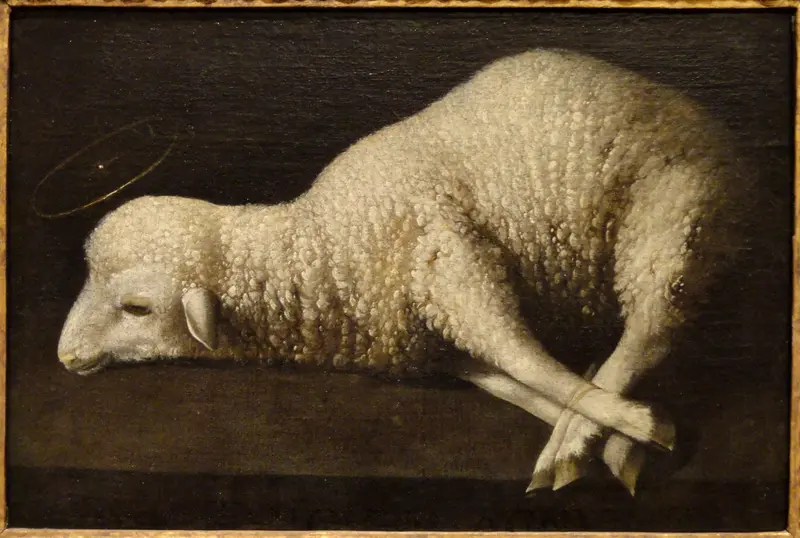
The Lamb of God
Francisco de Zurbarán

Adoration of the Magi
Francisco de Zurbarán
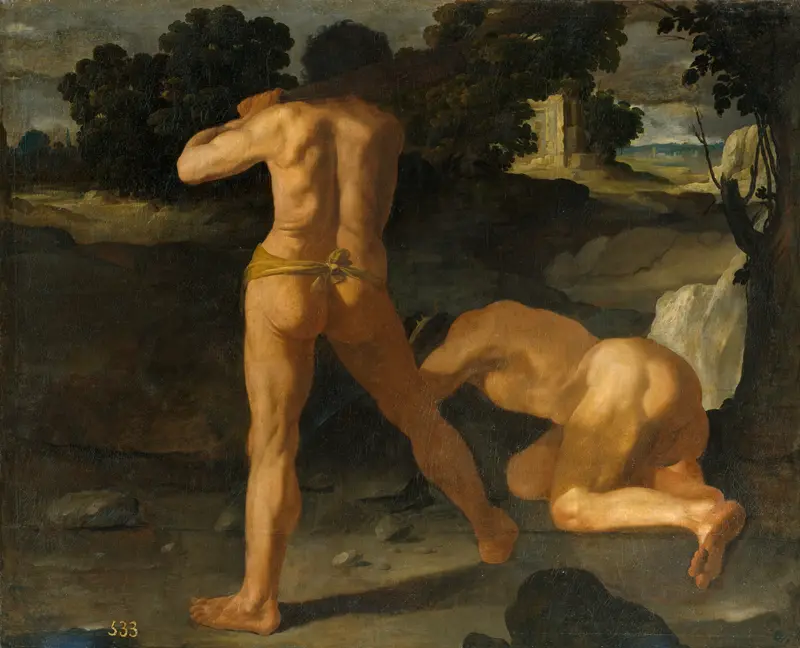
Hercules defeats King Geryon
Francisco de Zurbarán
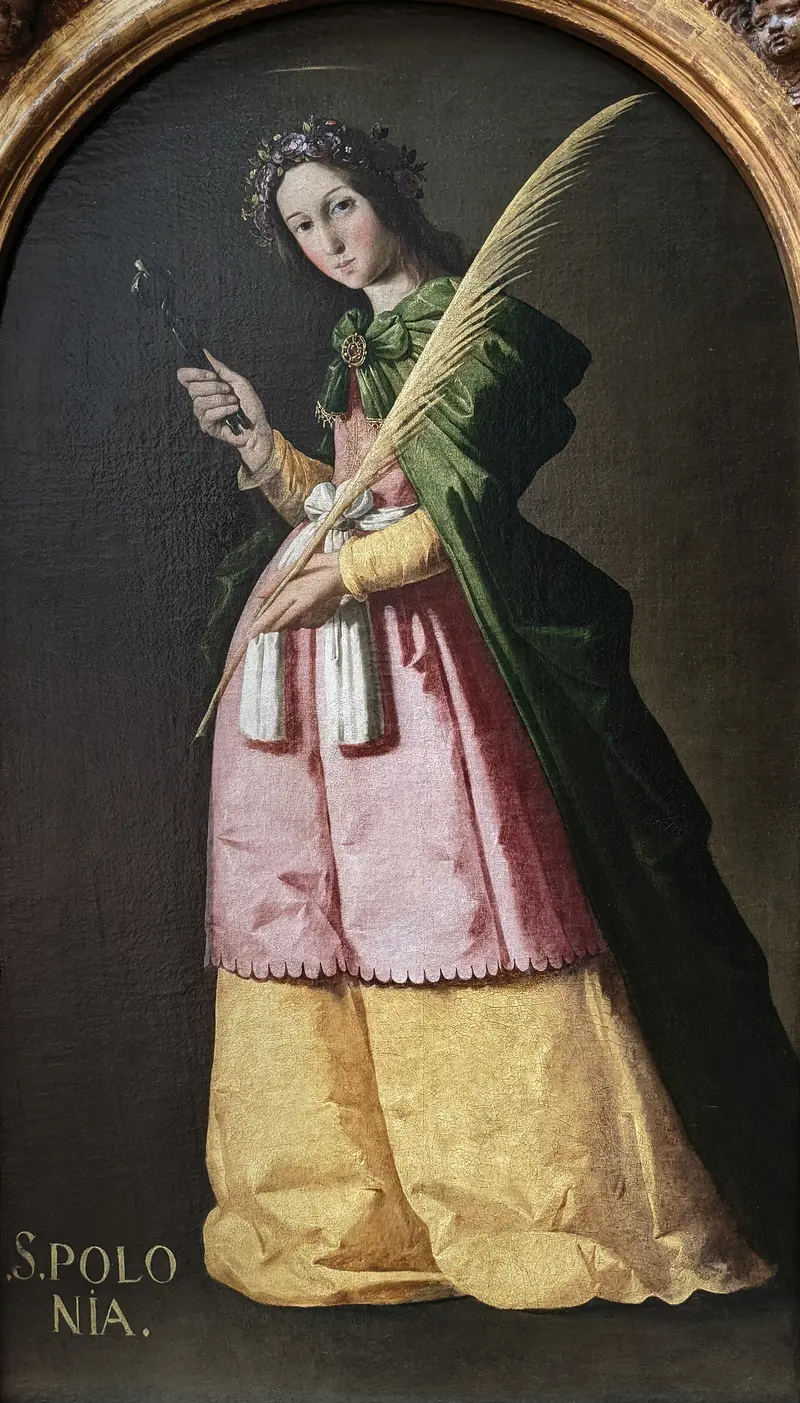
Saint Apollonia
Francisco de Zurbarán
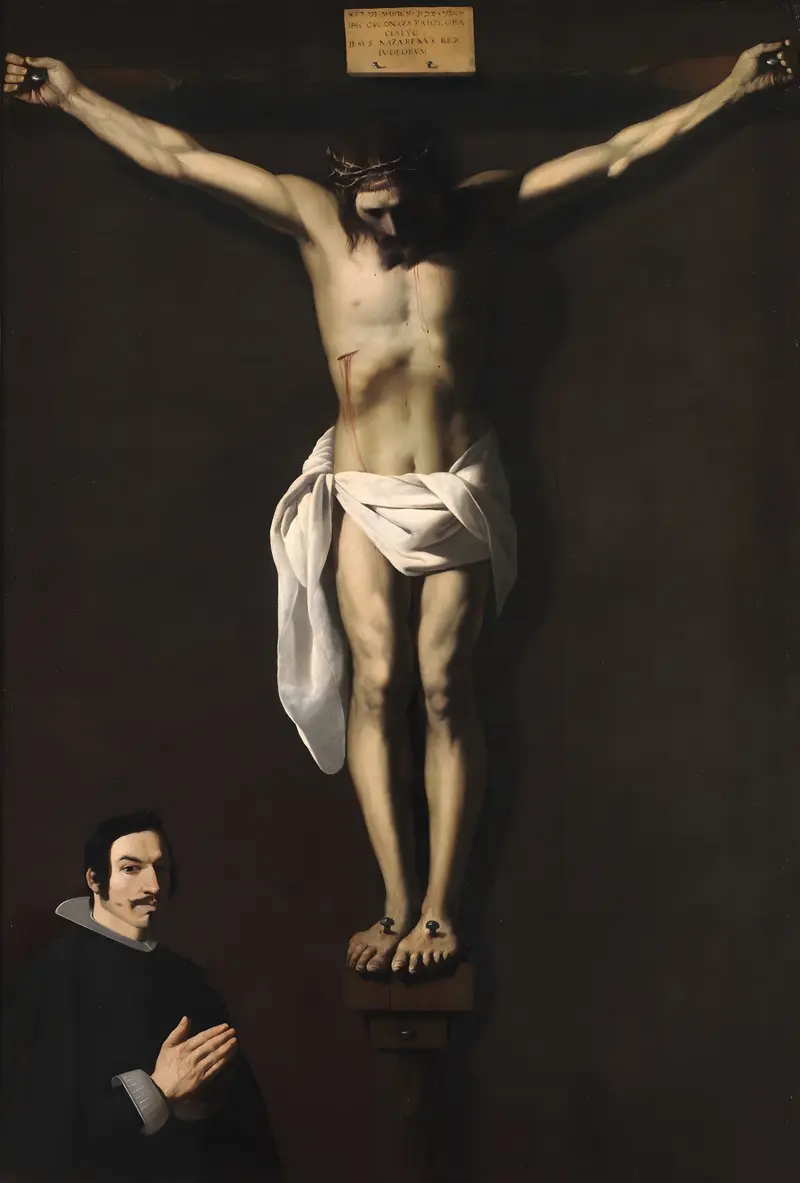
The Crucified Christ with a Donor
Francisco de Zurbarán
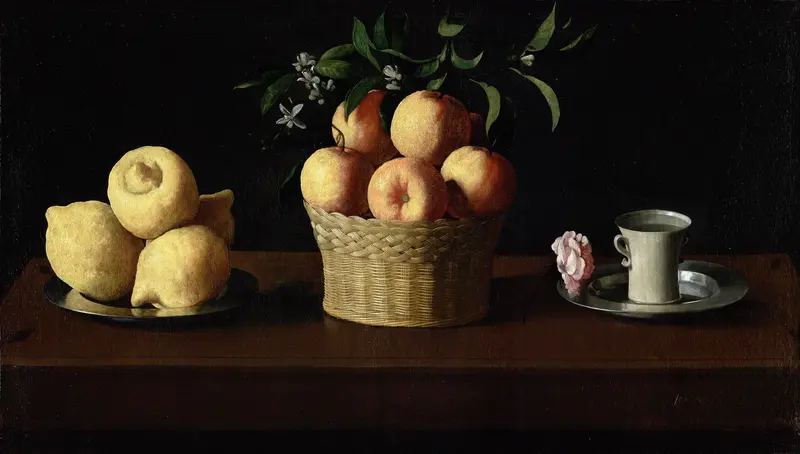
Still Life with Lemons, Oranges and a Rose
Francisco de Zurbarán
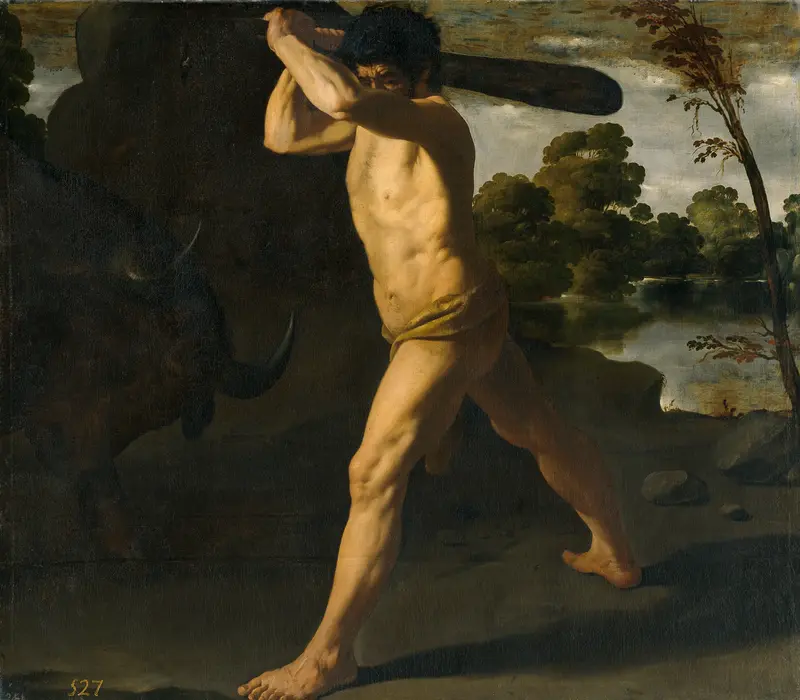
Hercules and the Cretan Bull
Francisco de Zurbarán





