
Head of an Old Man — History & Facts
No one knows for certain who sat for Head of an Old Man, but the painting is often cited as a testament to Jean-Honoré Fragonard’s remarkable ability to capture character with a few rapid, expressive strokes. Unlike the rococo fêtes galantes that made his name, this work belongs to a series of so-called “fantasy portraits” that Fragonard dashed off in a single sitting, reportedly boasting to friends that he could complete a head in an hour. The immediacy and spontaneity of these portraits have long fascinated scholars, with some speculating that they were never intended for public display, but rather as private exercises or gifts.
The painting’s unknown sitter and rapid execution have made it a touchstone for debates about Fragonard’s process and intentions. The old man’s head emerges from a dark background, his features caught in a flickering, golden light. Deep-set eyes gaze upward, brows knitted in thought or memory, while his mouth is caught mid-utterance—suggesting a moment of reflection or revelation. The brushwork is loose and energetic: hair and beard are rendered with quick, almost calligraphic gestures, emphasizing vitality over precision.
Unlike the dignified, static portraits of Jean-Baptiste Greuze, Fragonard’s sitter seems alive and in motion, his humanity laid bare. The lack of attributes or costume roots the image in observation rather than allegory, inviting viewers to search for meaning in expression alone. The precise origins of Head of an Old Man remain uncertain; no commission or early provenance has been documented, and the medium itself is debated—some suggest oil on canvas, others propose paper or panel. The painting is typically dated to 1767, aligning it with Fragonard’s most experimental and personal period, when he was moving away from grand decorative schemes toward more intimate, psychological studies.
Over the centuries, the work has been admired for its immediacy and has sometimes been misattributed or confused with other “fantasy portraits” by Fragonard. Today, it stands as a vivid example of the artist’s restless invention and his fascination with the fleeting drama of the human face.
More Artworks by Jean-Honoré Fragonard
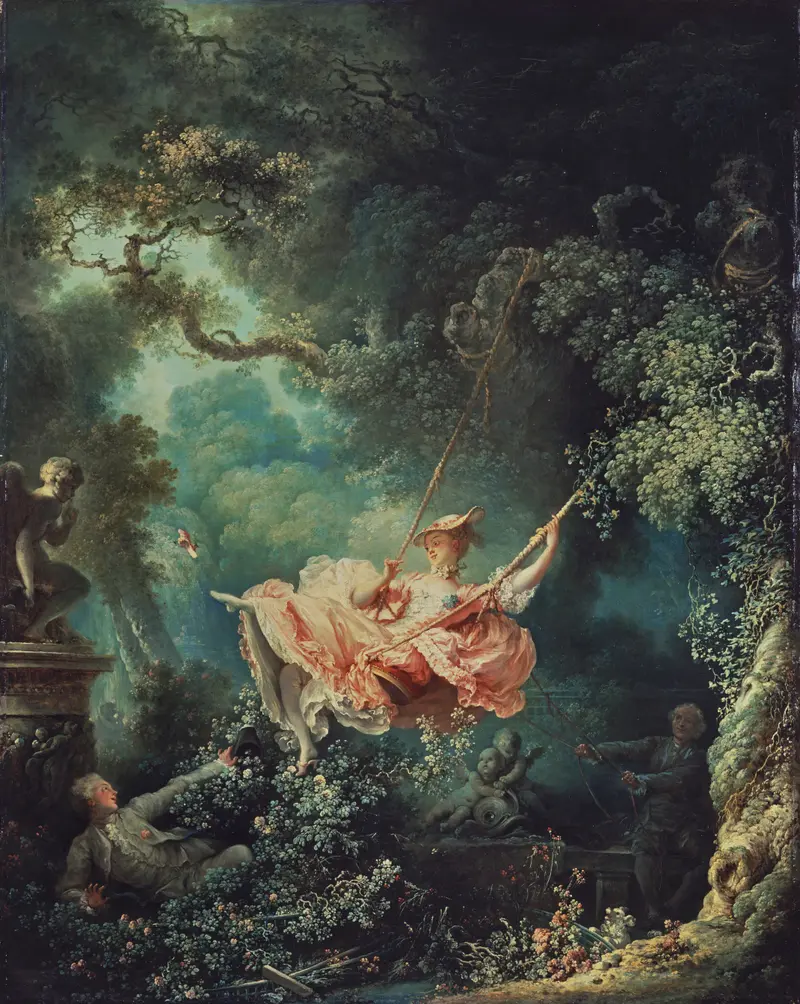
The Swing
Jean-Honoré Fragonard

The Swing
Jean-Honoré Fragonard
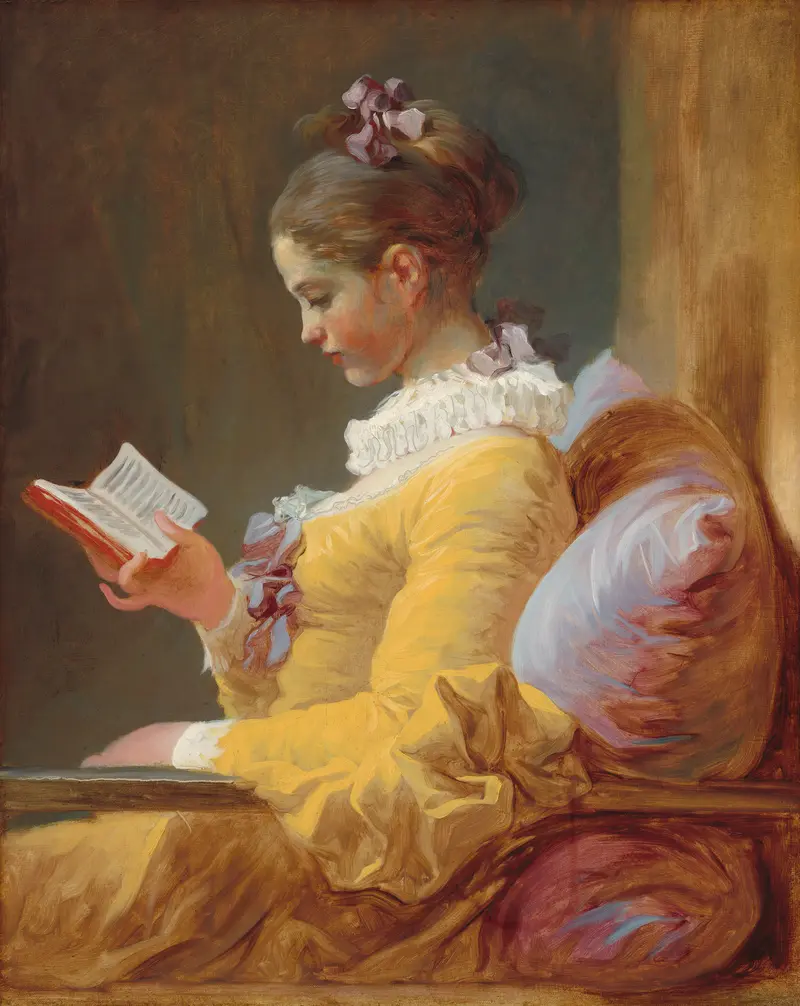
A Young Girl Reading
Jean-Honoré Fragonard
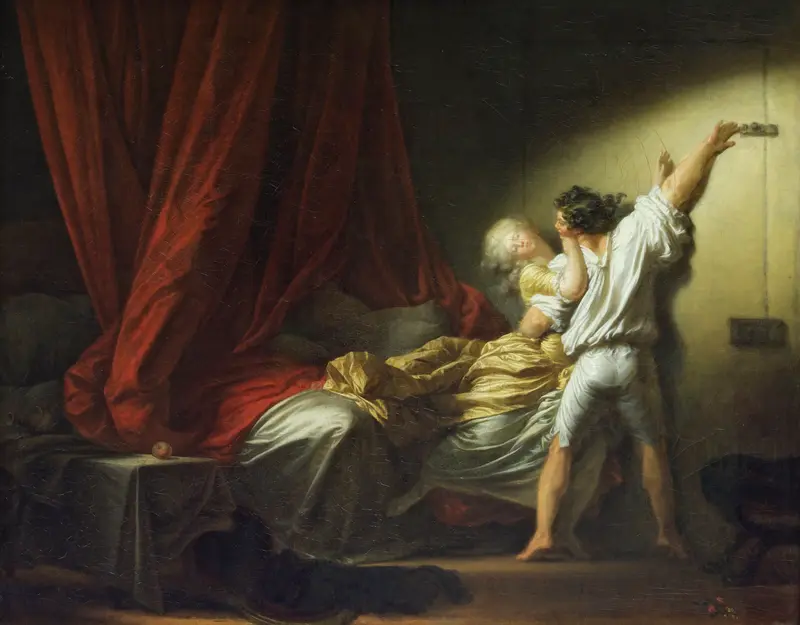
The Lock
Jean-Honoré Fragonard
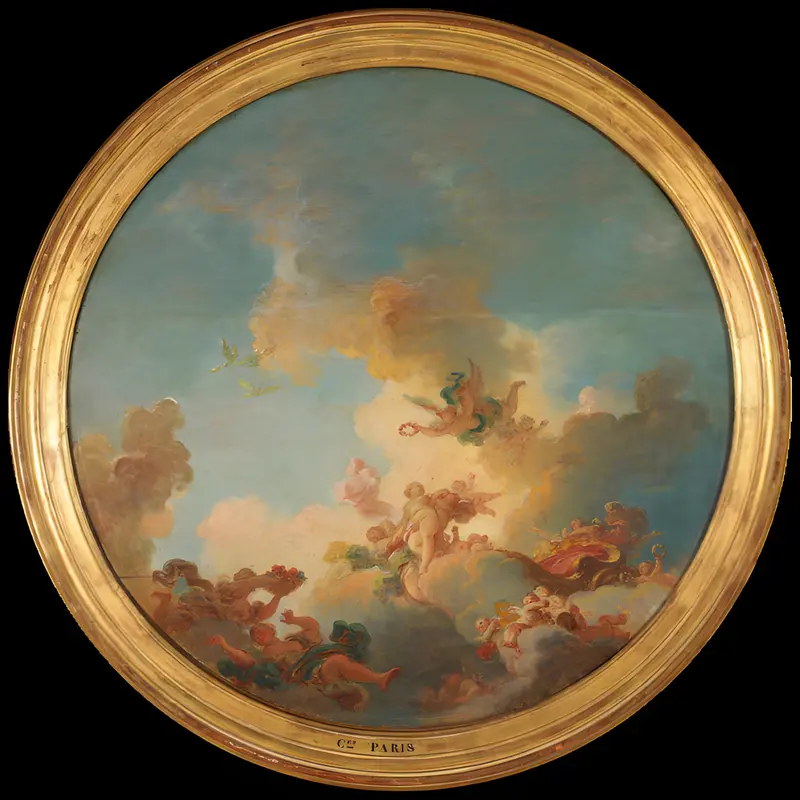
The Triumph of Venus
Jean-Honoré Fragonard
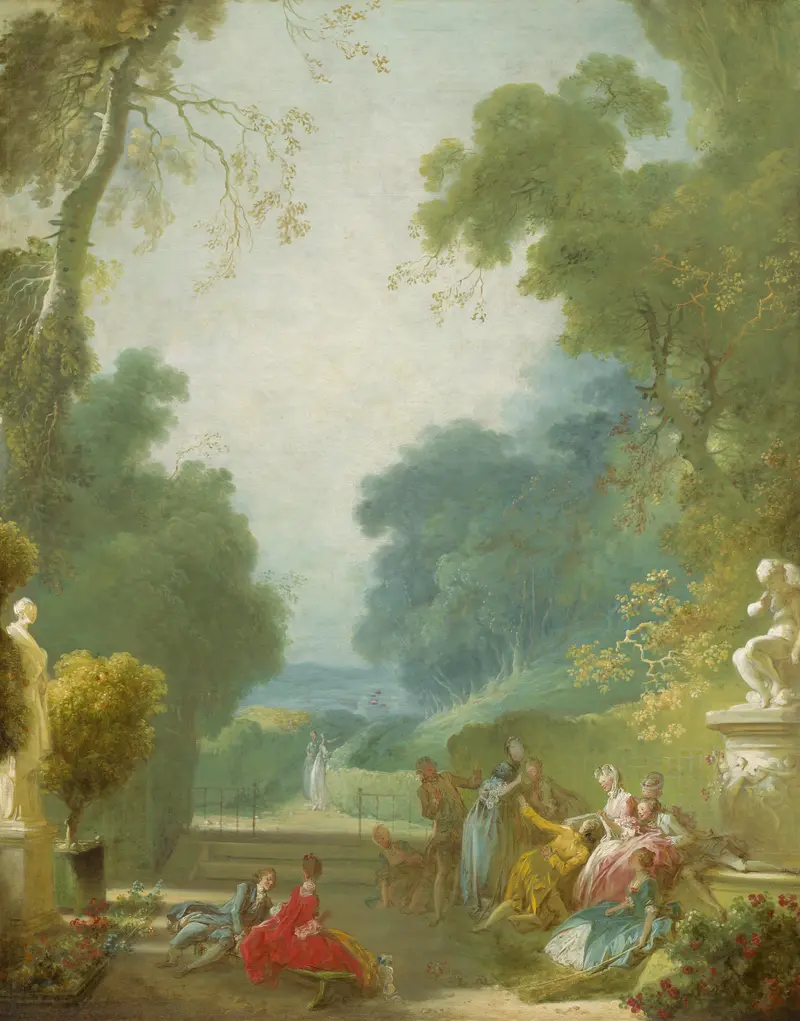
A Game of Hot Cockles
Jean-Honoré Fragonard
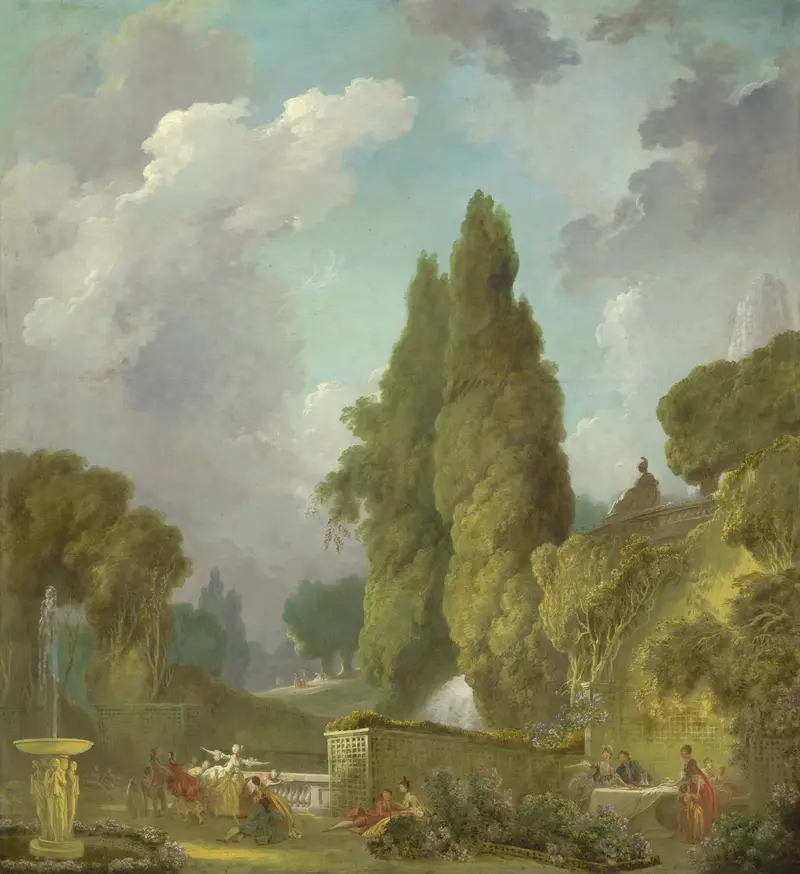
Blindman’s Buff
Jean-Honoré Fragonard
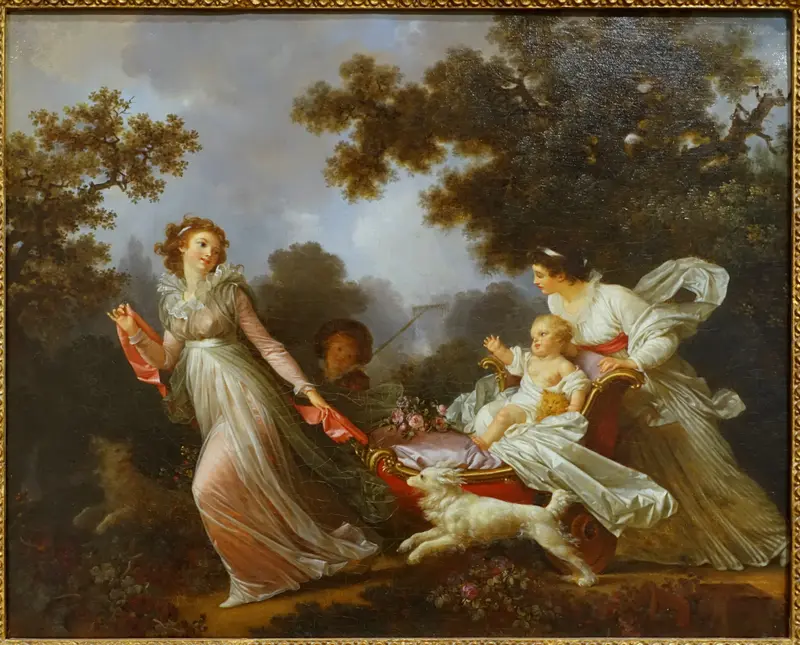
The Beloved Child
Jean-Honoré Fragonard
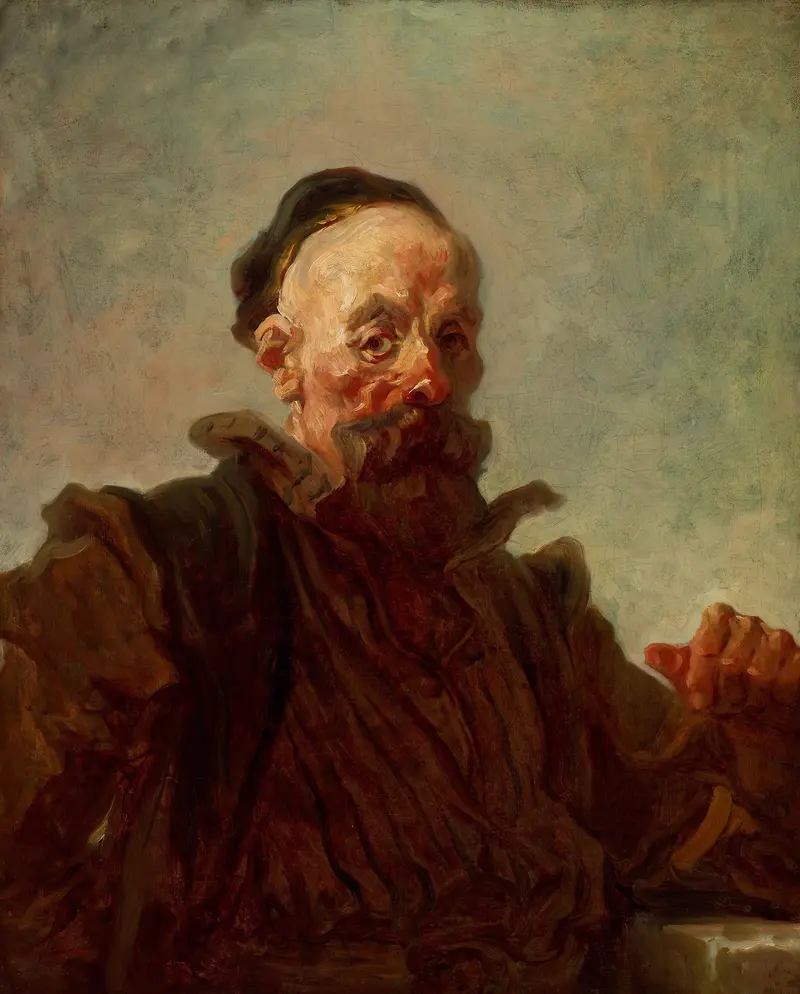
Portrait of a Man in Costume
Jean-Honoré Fragonard
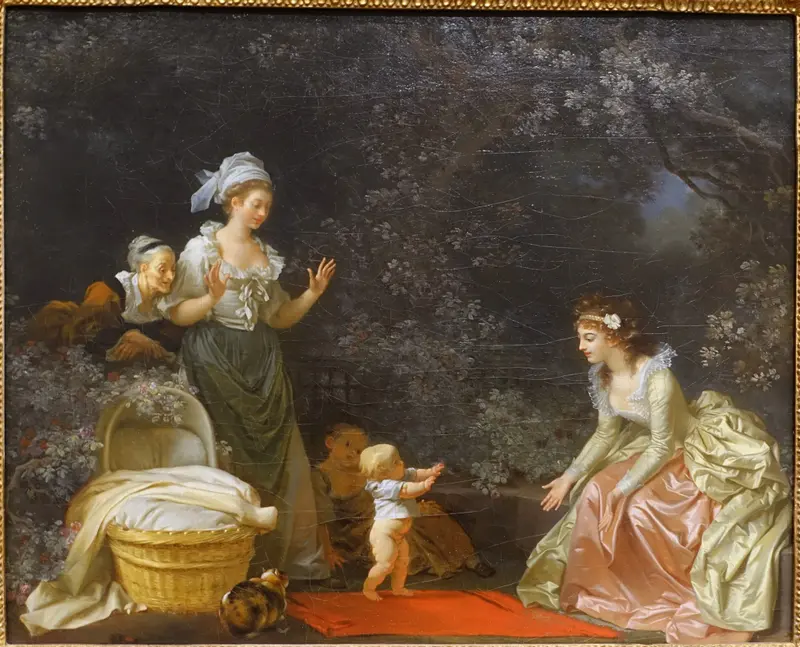
The First Steps
Jean-Honoré Fragonard





