
Head of Christ — History & Facts
Few works by Leonardo da Vinci have sparked as much debate as Head of Christ, painted in 1494 and still shrouded in mystery regarding its original purpose and medium. Unlike Leonardo’s grand commissions or celebrated portraits, this intimate study survives without a clear record of patron or destination, and its very authorship has been the subject of scholarly discussion for centuries. What is certain is that this delicate image has been copied and adapted by countless artists, its influence echoing through the centuries in both painting and sculpture.
The uncertainty surrounding its material—whether chalk, oil, or tempera—only deepens the fascination, as does the lack of any preparatory drawing in Leonardo’s surviving notebooks. In this work, Leonardo isolates Christ’s head, capturing a moment of inward reflection rather than outward drama. The eyes, softly downcast, suggest a meditation on sacrifice and destiny, while the gentle modeling of the features—achieved through Leonardo’s signature sfumato—gives the face a living presence. The absence of a crown of thorns or explicit symbols leaves the interpretation open, inviting viewers to contemplate Christ’s humanity as much as his divinity.
Compared to the more narrative approach of Antonello da Messina’s Ecce Homo, where suffering is foregrounded, Leonardo’s Christ is serene, the emotion held in reserve, the story told through light and shadow rather than gesture. The journey of Head of Christ as an object is as enigmatic as its subject. No definitive record traces its path from Leonardo’s hand to the present, and its attribution has shifted over time, with some experts at various points suggesting it was the work of a follower or workshop. Today, most scholars accept it as an authentic Leonardo, though questions remain about its original context—possibly a study for a larger altarpiece, or a devotional image intended for private contemplation.
The work now resides in a private collection, rarely exhibited, its elusive history and quiet power continuing to inspire both devotion and debate among art historians.
More Artworks by Leonardo da Vinci

Sheet of Studies
Leonardo da Vinci
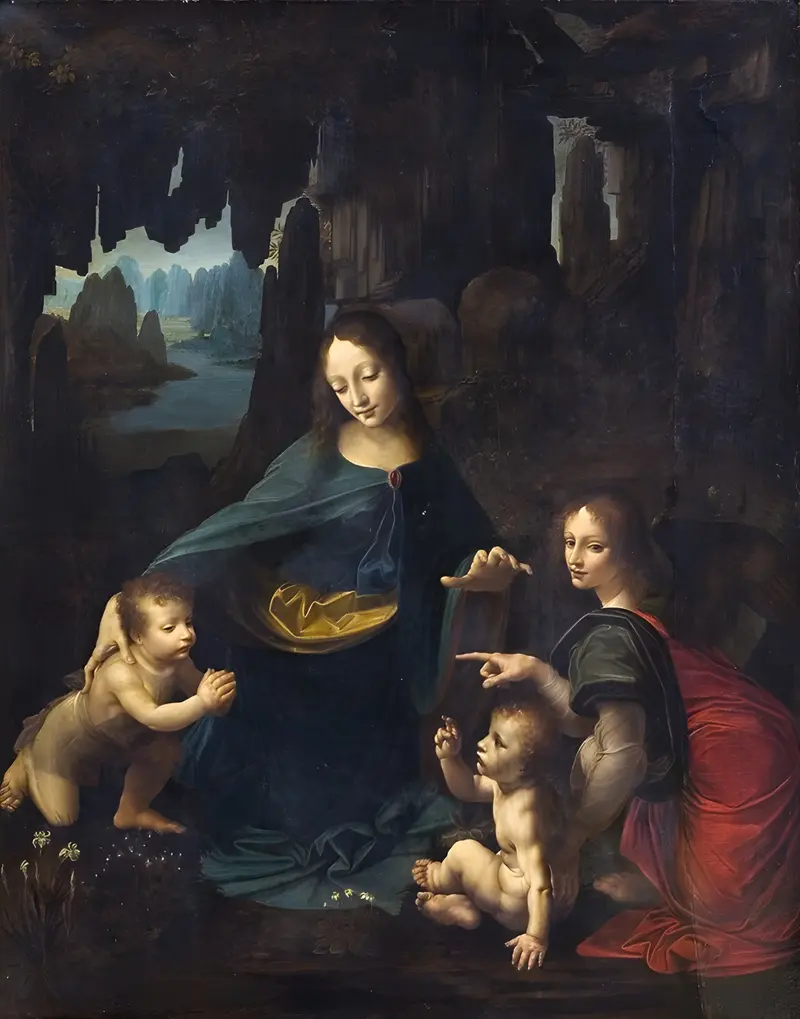
The Virgin of the Rocks
Leonardo da Vinci
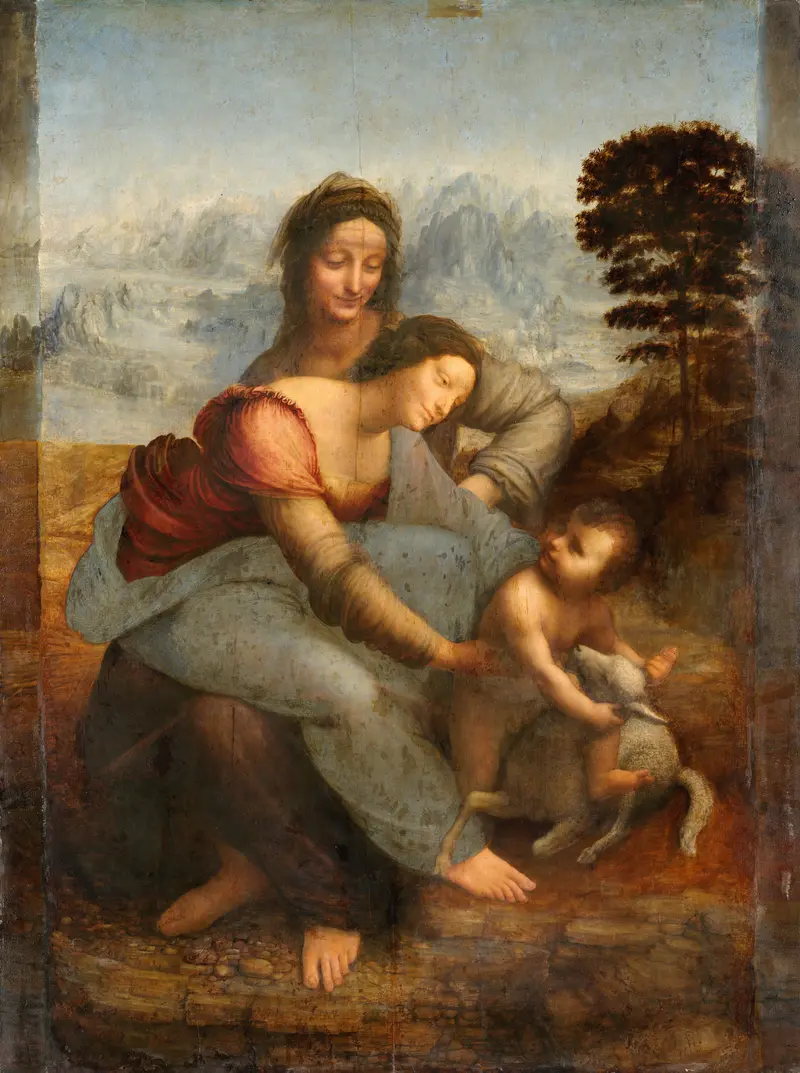
The Virgin and Child with St. Anne
Leonardo da Vinci
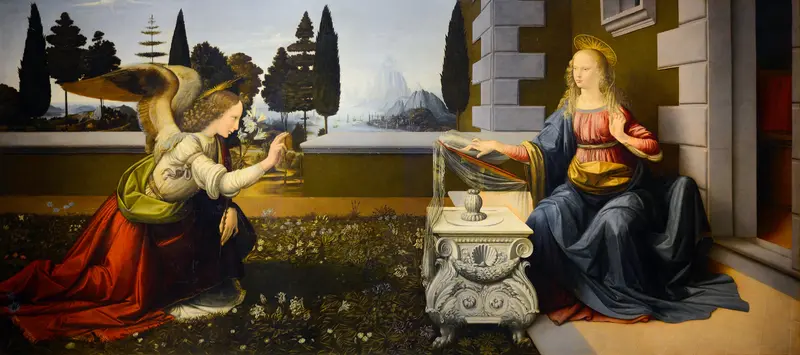
Annunciation
Leonardo da Vinci
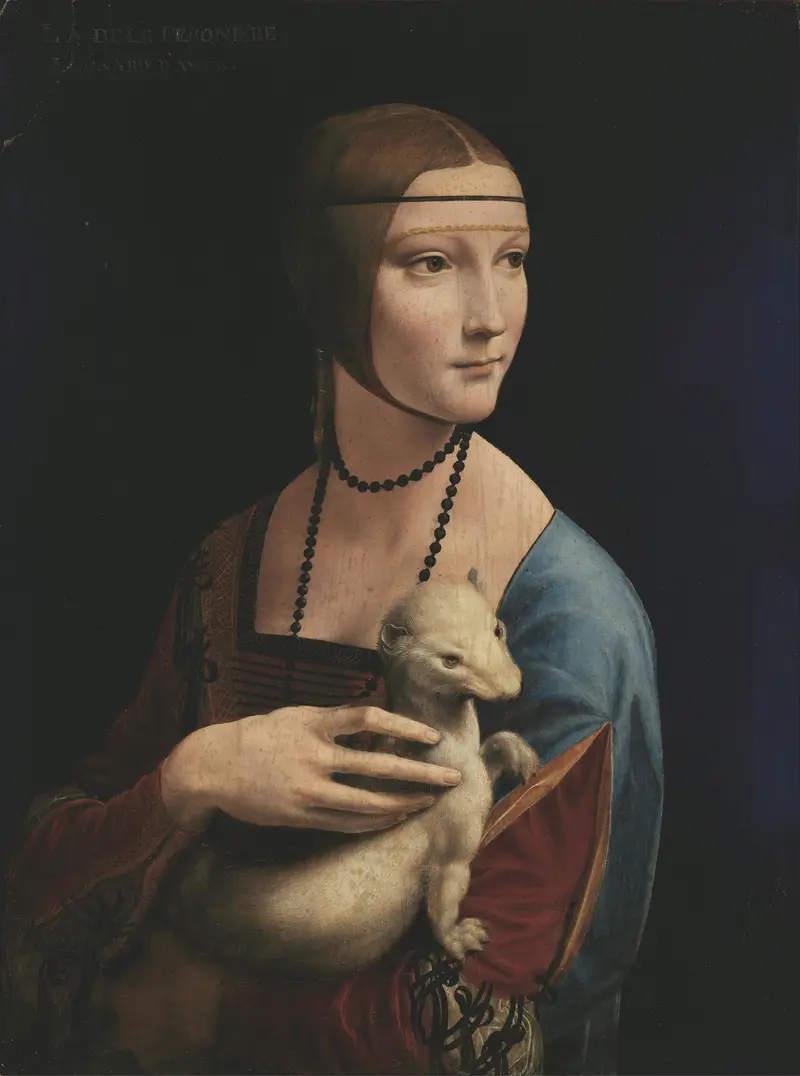
Lady with an Ermine
Leonardo da Vinci
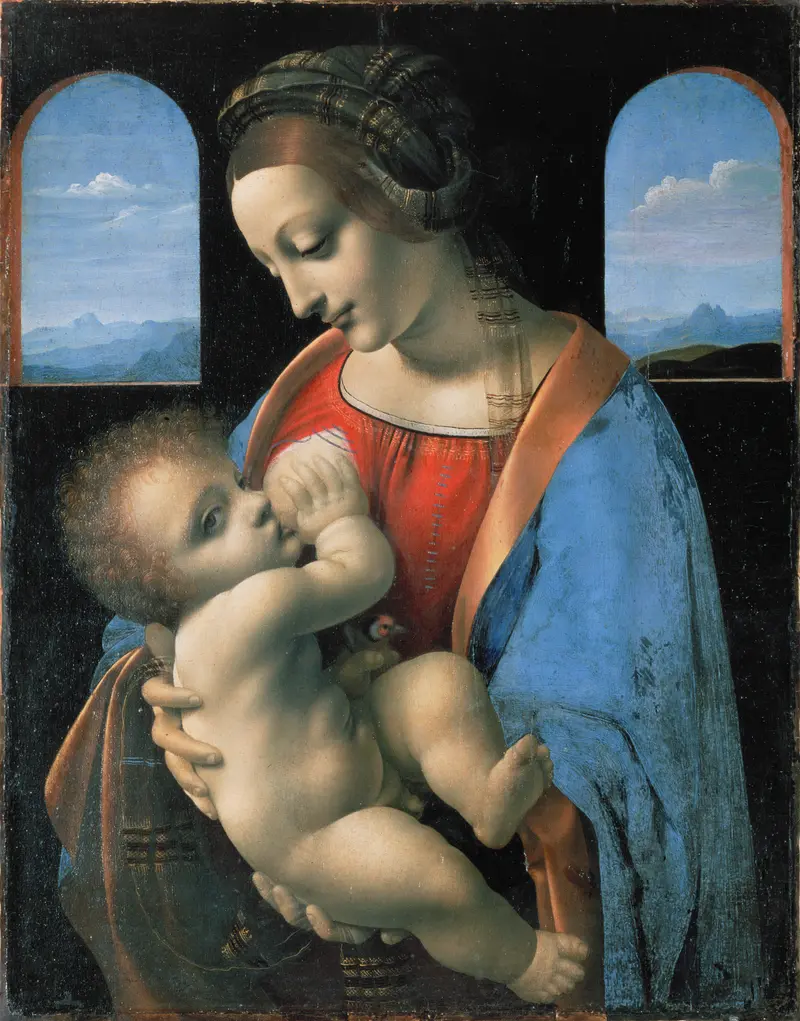
Madonna Litta
Leonardo da Vinci
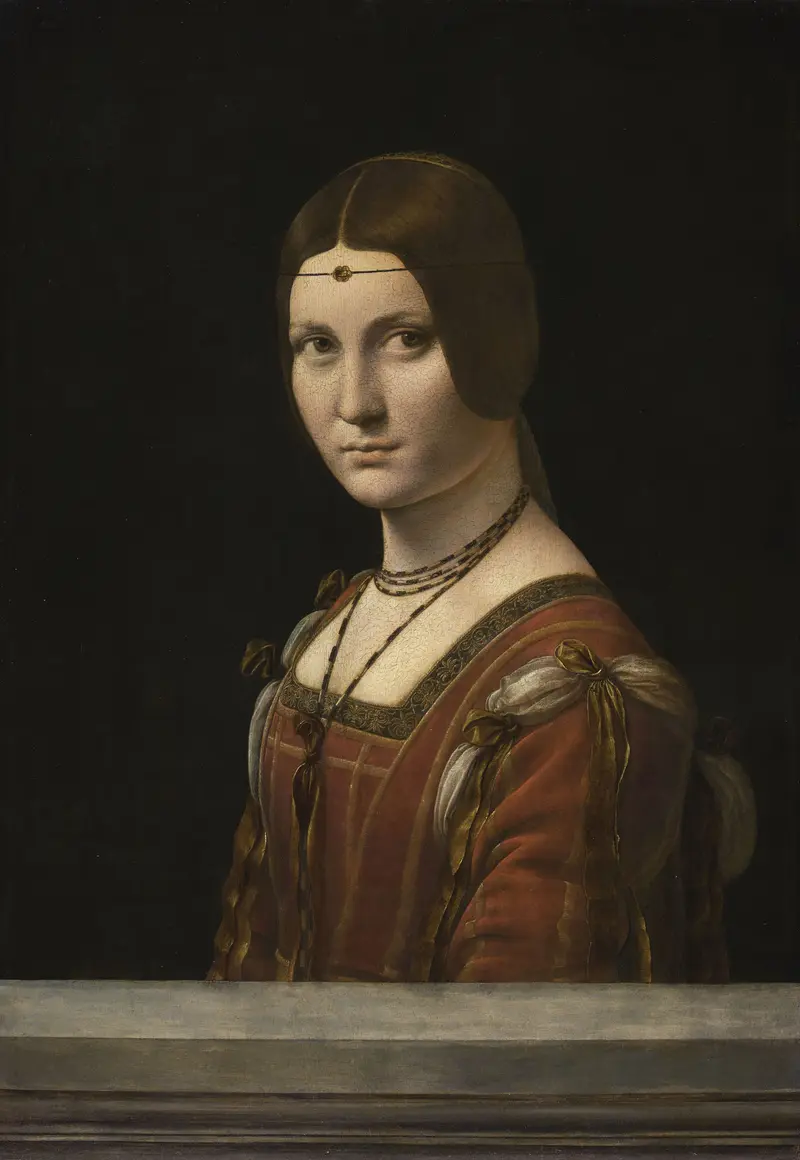
La Belle Ferronnière
Leonardo da Vinci
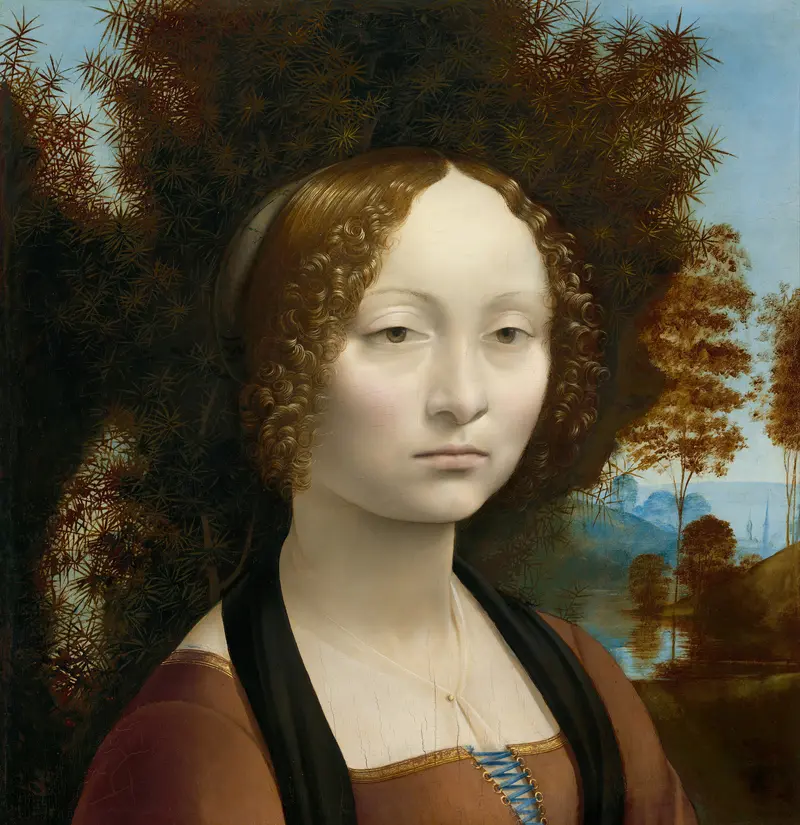
Ginevra de' Benci
Leonardo da Vinci
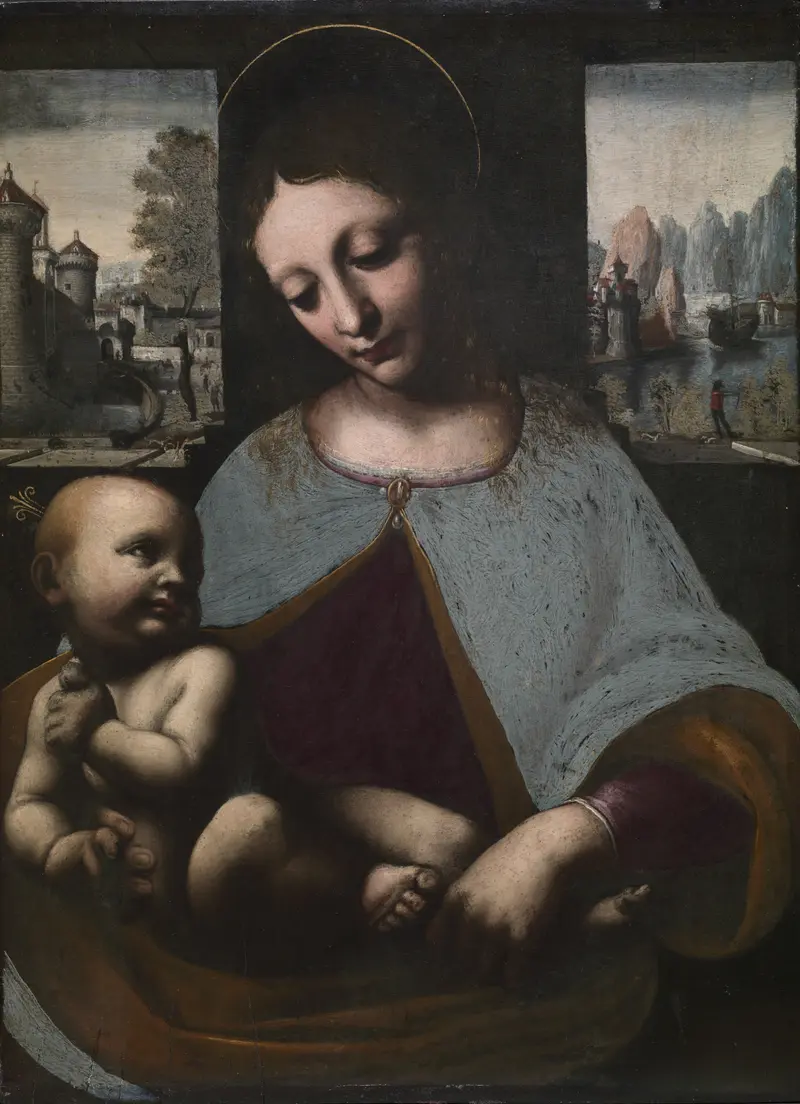
Virgin and Child
Leonardo da Vinci

Head of an Old Man, and Studies of Machinery
Leonardo da Vinci





