
How the travelling bag is opened and the deception is revealed and the king’s great grief — History & Facts
Few paintings by Gustave Van de Woestijne have provoked as much speculation as How the travelling bag is opened and the deception is revealed and the king’s great grief. The work’s title alone, unusually narrative and almost theatrical, has invited viewers to reconstruct its story in the absence of clear documentation about its origins. Scholars remain divided over whether Van de Woestijne drew inspiration from a specific folk tale or biblical parable, or if the scene is a wholly original invention.
The painting’s date and medium are unknown, adding to its aura of enigma within the artist’s oeuvre. At the heart of the scene is a moment of revelation: a king, surrounded by courtiers, confronts the contents of a travelling bag, his face contorted in sorrow. The composition freezes the instant the deception is laid bare—perhaps a betrayal by a trusted servant or the exposure of a hidden truth. Van de Woestijne’s figures, with their elongated forms and haunted expressions, recall the psychological intensity of James Ensor’s allegorical works, though here the drama is quieter, more internal.
The travelling bag, centrally placed and half-open, becomes a symbol of both journey and duplicity, while the king’s gesture—one hand clutching his chest, the other reaching helplessly—anchors the painting’s emotional core. The physical history of How the travelling bag is opened and the deception is revealed and the king’s great grief remains largely undocumented. Like many of Van de Woestijne’s narrative paintings, it is thought to have been created during his mature period, when he was exploring themes of loss and revelation. There is no record of a specific patron or early exhibition, and the painting’s current location is uncertain; it has surfaced in exhibition catalogues but not in major public collections.
This air of mystery has only heightened its reputation among admirers of Symbolism, who see in it a quintessential example of Van de Woestijne’s ability to fuse narrative ambiguity with psychological depth.
More Artworks by Gustave Van de Woestijne
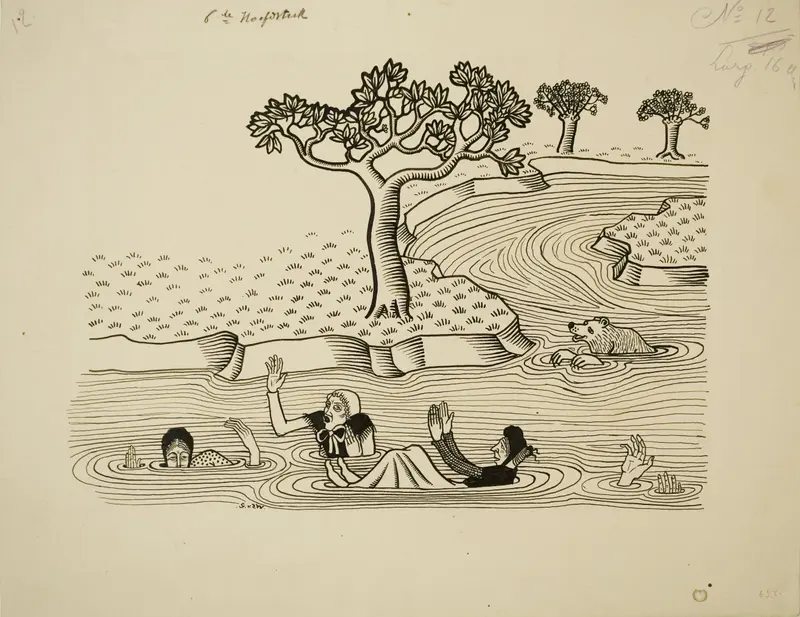
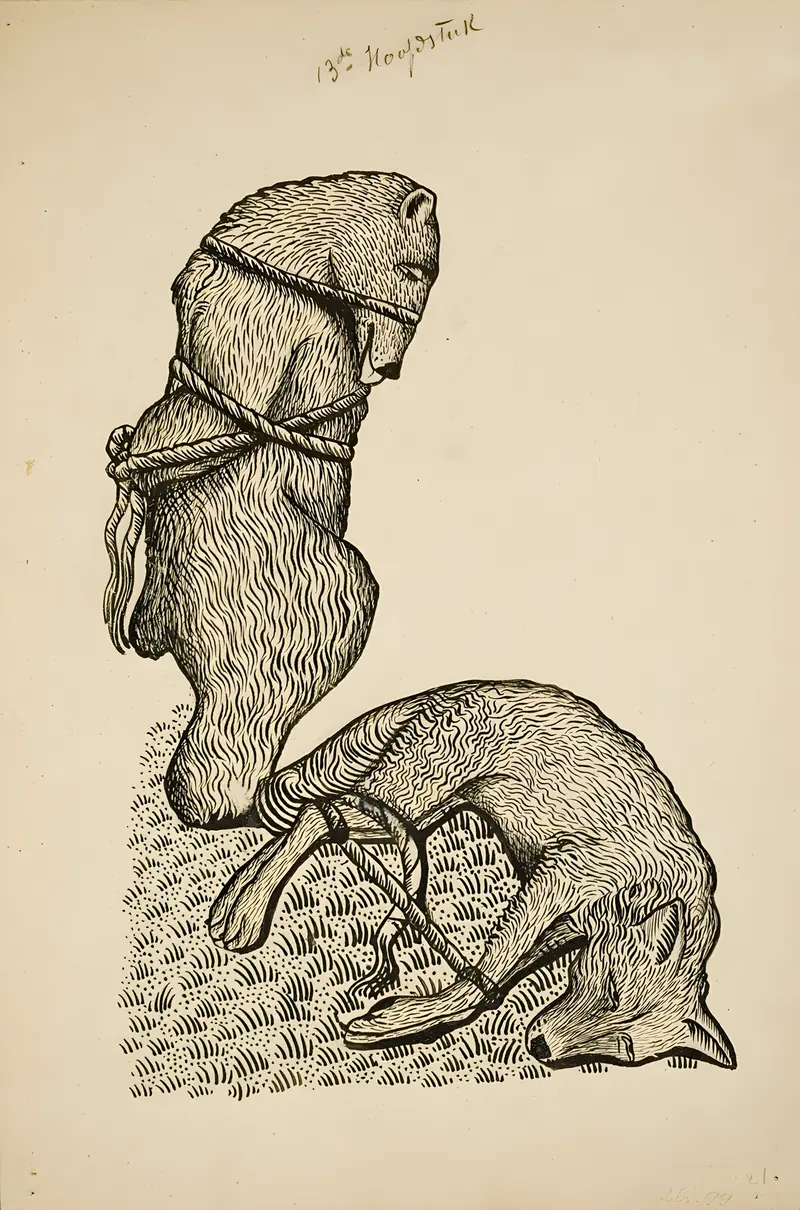
How Brown went out with Reynard where he thought he was eating honey and how he was caught by head and feet and suffered further misfortune
Gustave Van de Woestijne
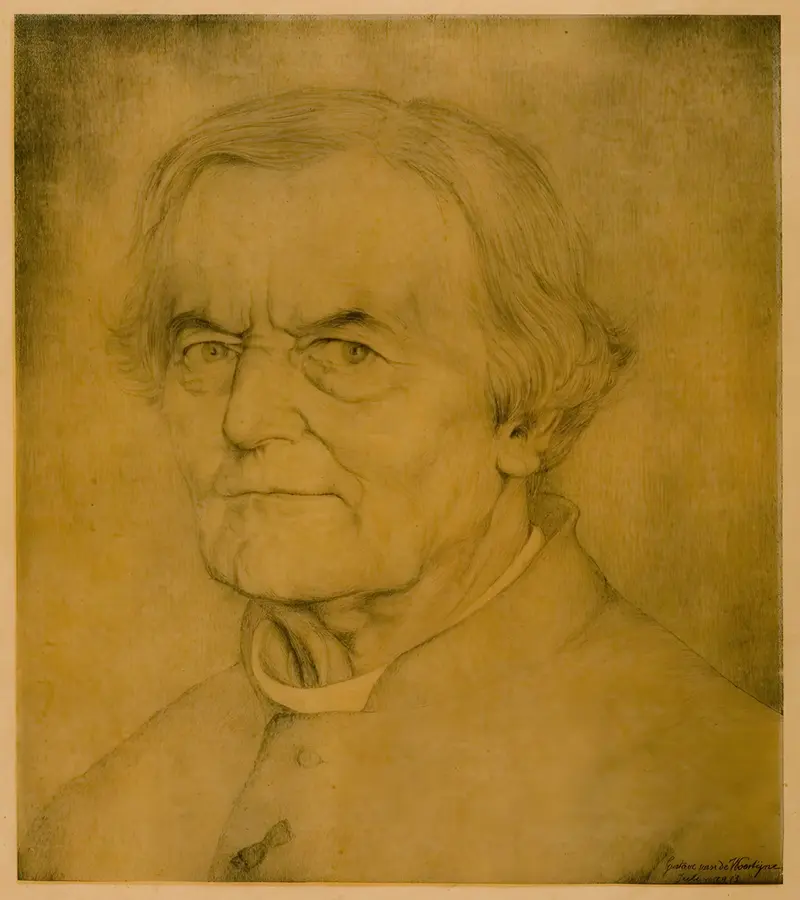
Portrait of Hugo Verriest
Gustave Van de Woestijne
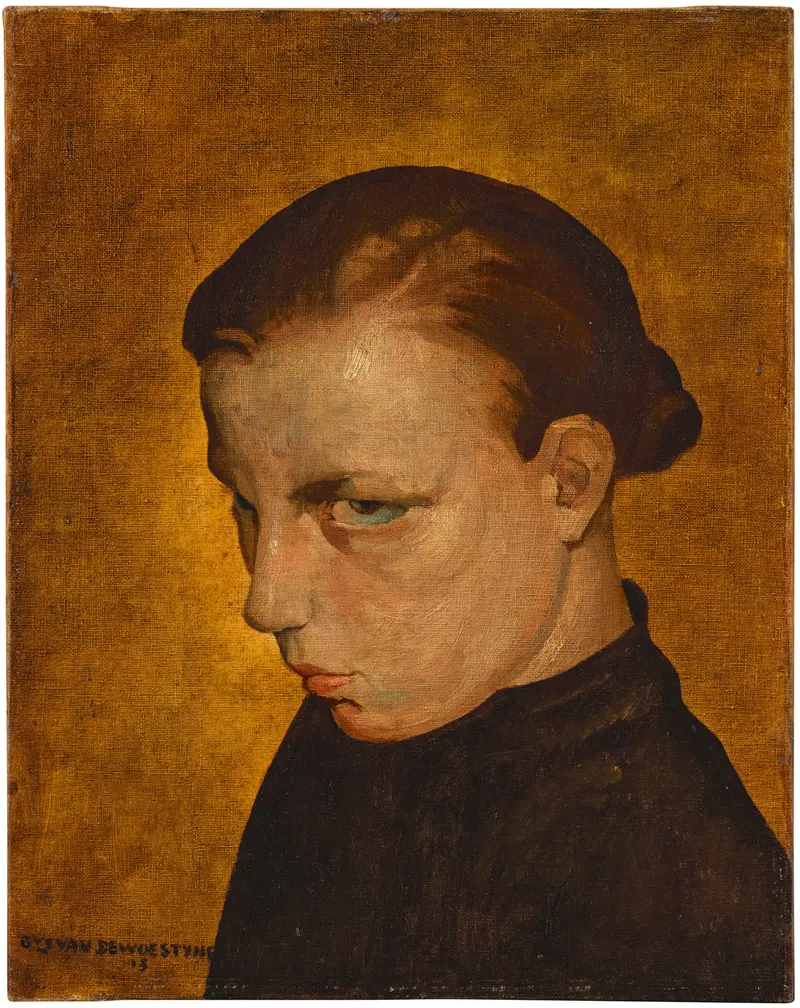
Angèle
Gustave Van de Woestijne
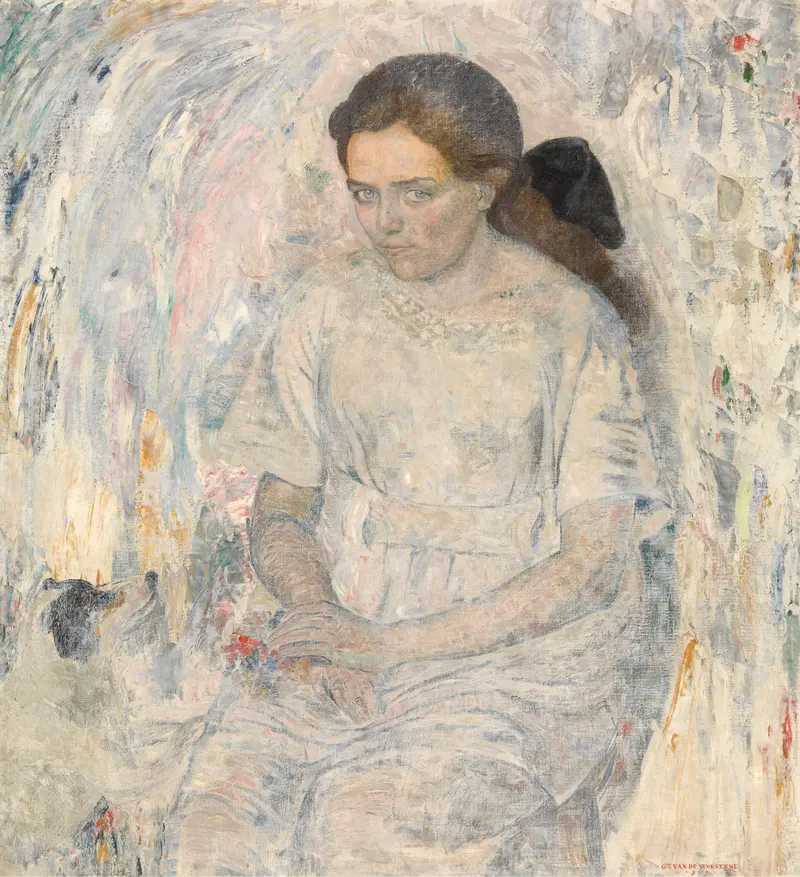
Adrienne
Gustave Van de Woestijne
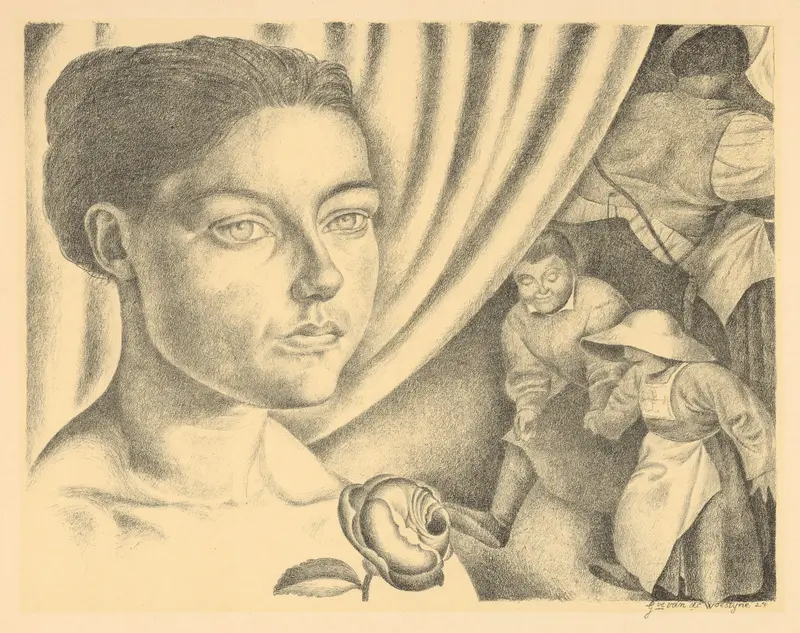
Jeune Femme
Gustave Van de Woestijne
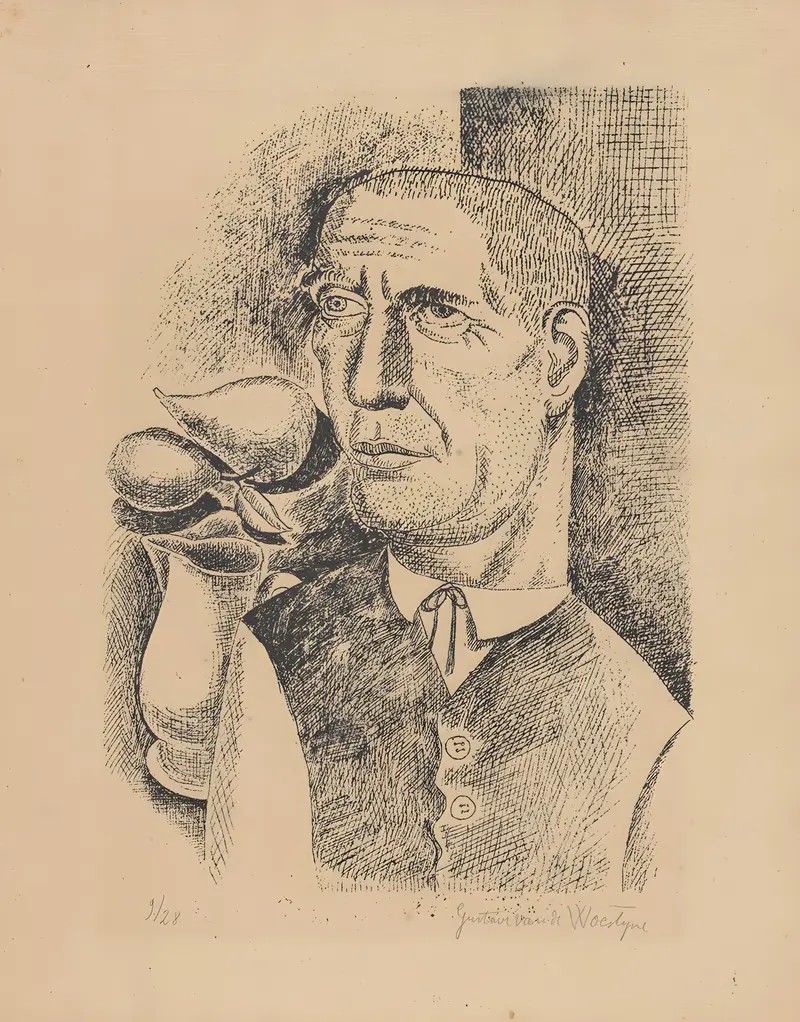
Boer op zijn zondags (Paysan endimanché)
Gustave Van de Woestijne
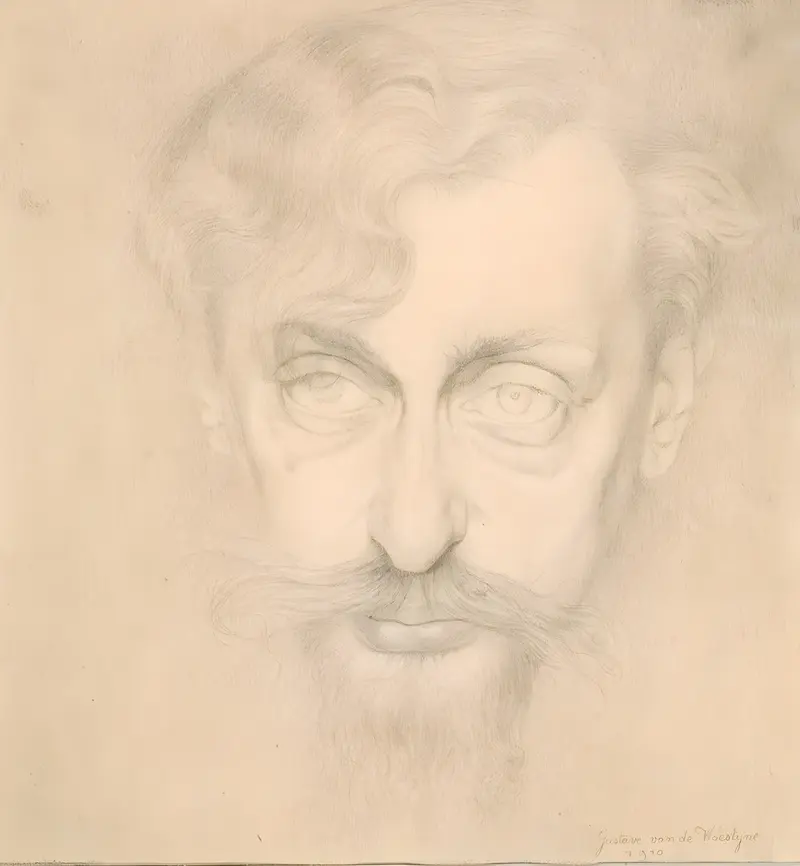
Portrait of the Writer Karel van de Woestijne
Gustave Van de Woestijne
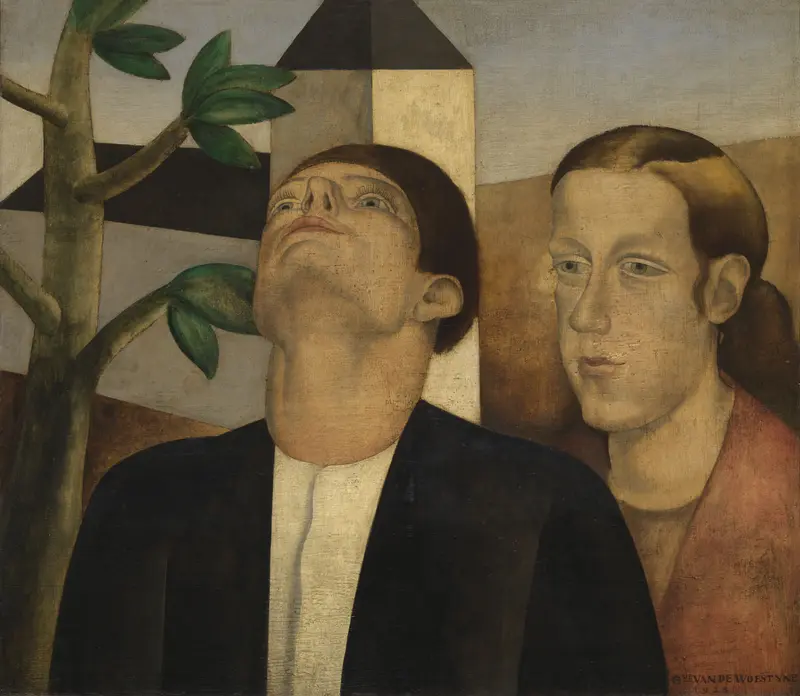
Azure
Gustave Van de Woestijne
How Reinaert devises a new trick to get free and exterminate his enemies
Gustave Van de Woestijne
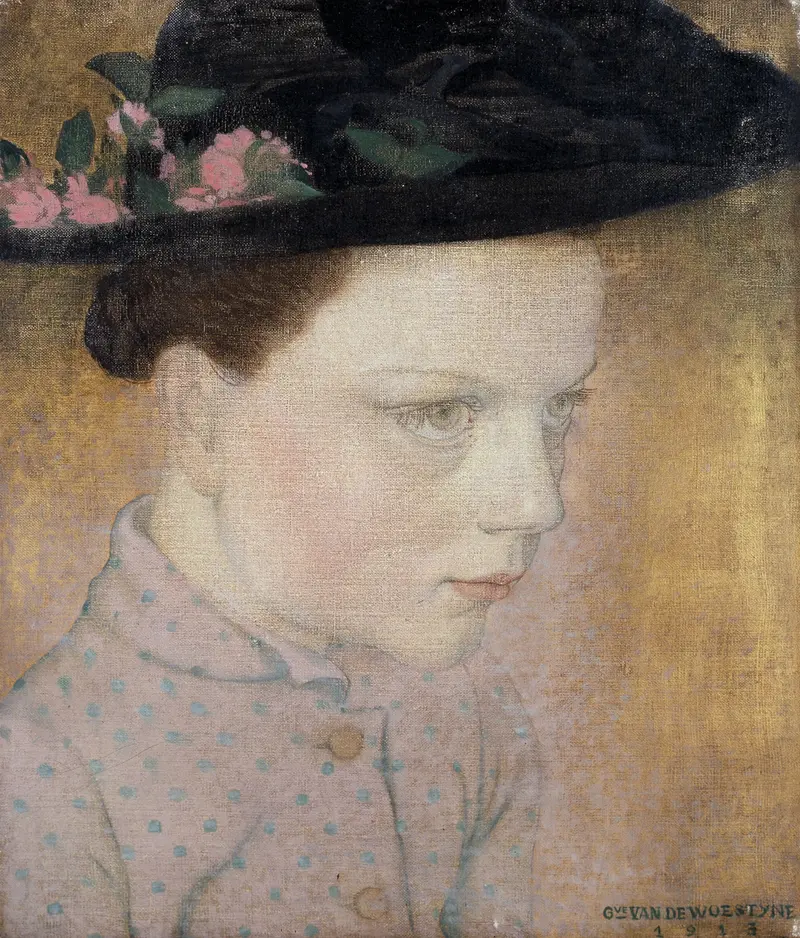
Country Girl
Gustave Van de Woestijne





