
Jacob — History & Facts
In 1645, Francisco de Zurbarán received a prestigious commission to paint a series of patriarchs for the Monastery of Guadalupe, a project that would become one of the most ambitious cycles of Old Testament figures in Spanish Baroque art. Among these, Jacob stands out for its quiet intensity and the artist’s ability to imbue a biblical figure with the gravity of a Spanish elder. The series was so admired that, by the late 17th century, several copies and variants were circulating in Spanish collections, attesting to its popularity and influence. Zurbarán chooses to depict Jacob not in the throes of his famous wrestling match or the moment of his dream, but as a dignified old man, staff in hand, gazing outward with a look of weary wisdom.
The patriarch’s heavy robe, rendered in thick folds and deep shadows, speaks of both humility and authority. The staff is not just a walking aid but a symbol of his journey and trials, while the subdued palette and focused light isolate Jacob, inviting contemplation. Unlike Rembrandt’s more dramatic and emotional interpretations of patriarchs, Zurbarán’s Jacob is stoic, his presence rooted in stillness and the weight of memory. The original series, including Jacob, was installed in the sacristy of the Monastery of Guadalupe, where it remained for centuries, admired by pilgrims and visiting artists alike.
While the precise provenance of every version is not always clear—some were dispersed or lost during the upheavals of the 19th century—this painting’s restrained grandeur marks a high point in Zurbarán’s mature work. Today, Jacob is recognized as a quintessential example of Spanish religious painting, reflecting both the austerity and spiritual depth that define the Baroque in Spain.
More Artworks by Francisco de Zurbarán
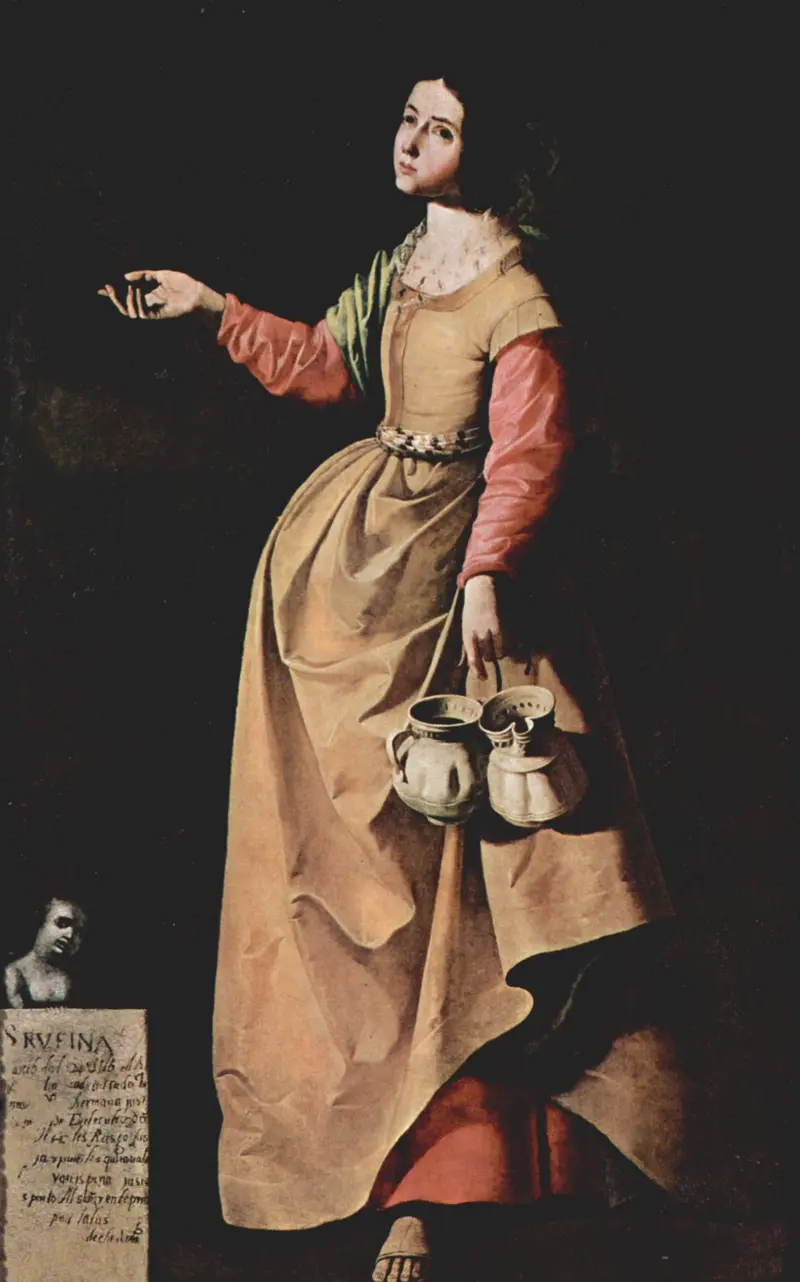
Saint Rufina
Francisco de Zurbarán
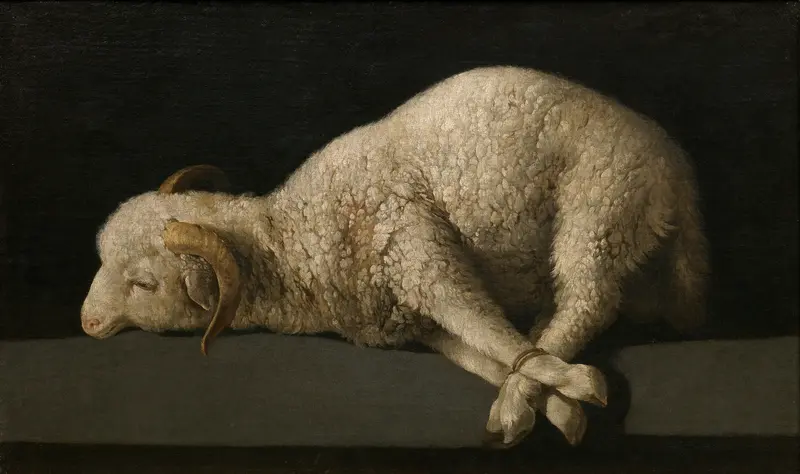
Agnus Dei
Francisco de Zurbarán
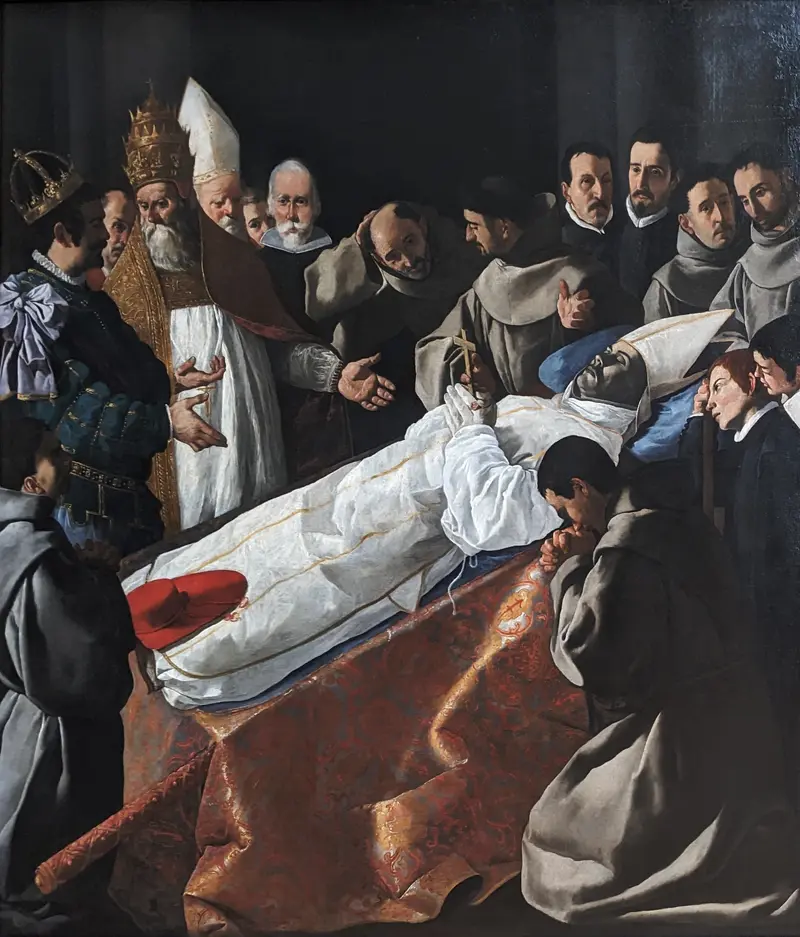
Saint Bonaventure's Body Lying in State
Francisco de Zurbarán
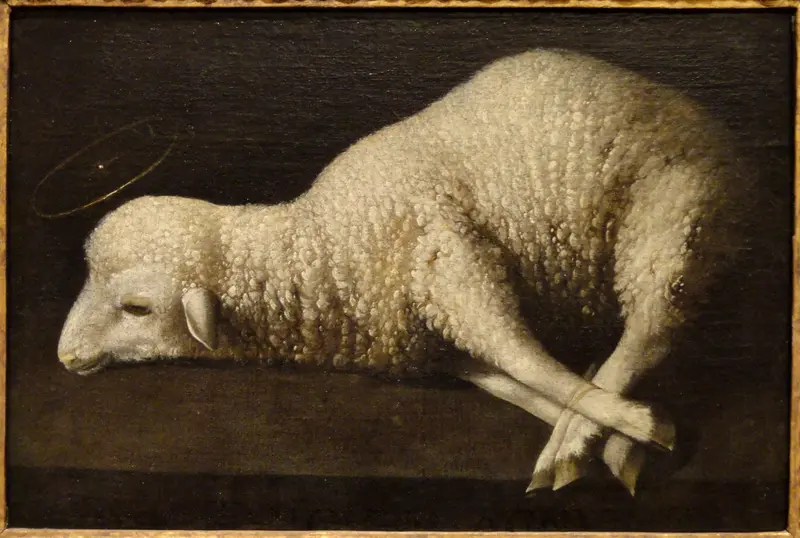
The Lamb of God
Francisco de Zurbarán

Adoration of the Magi
Francisco de Zurbarán
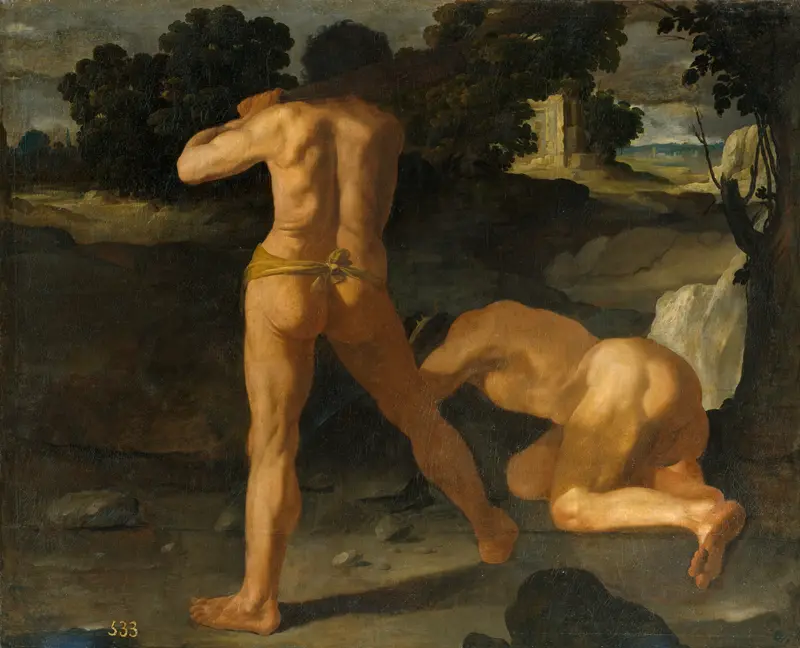
Hercules defeats King Geryon
Francisco de Zurbarán
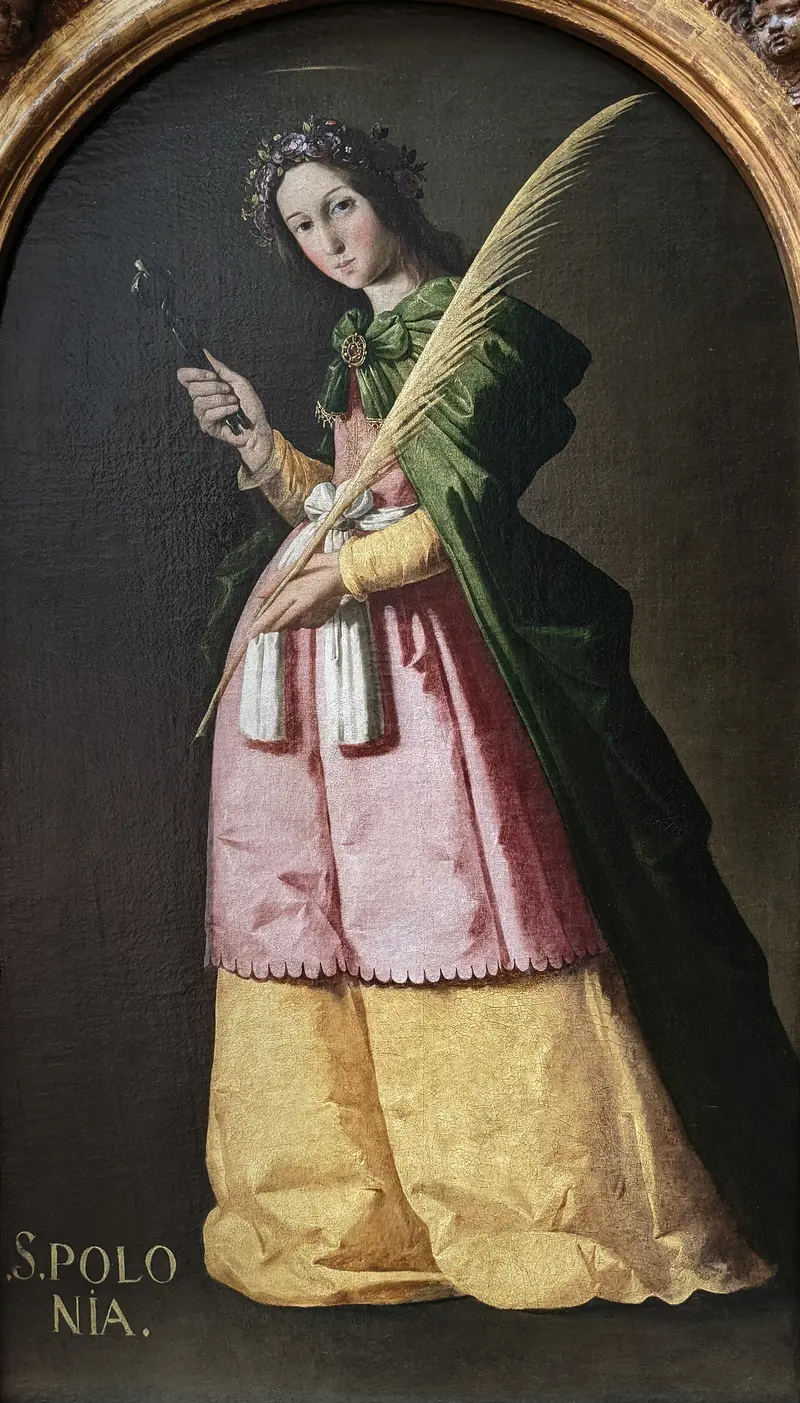
Saint Apollonia
Francisco de Zurbarán
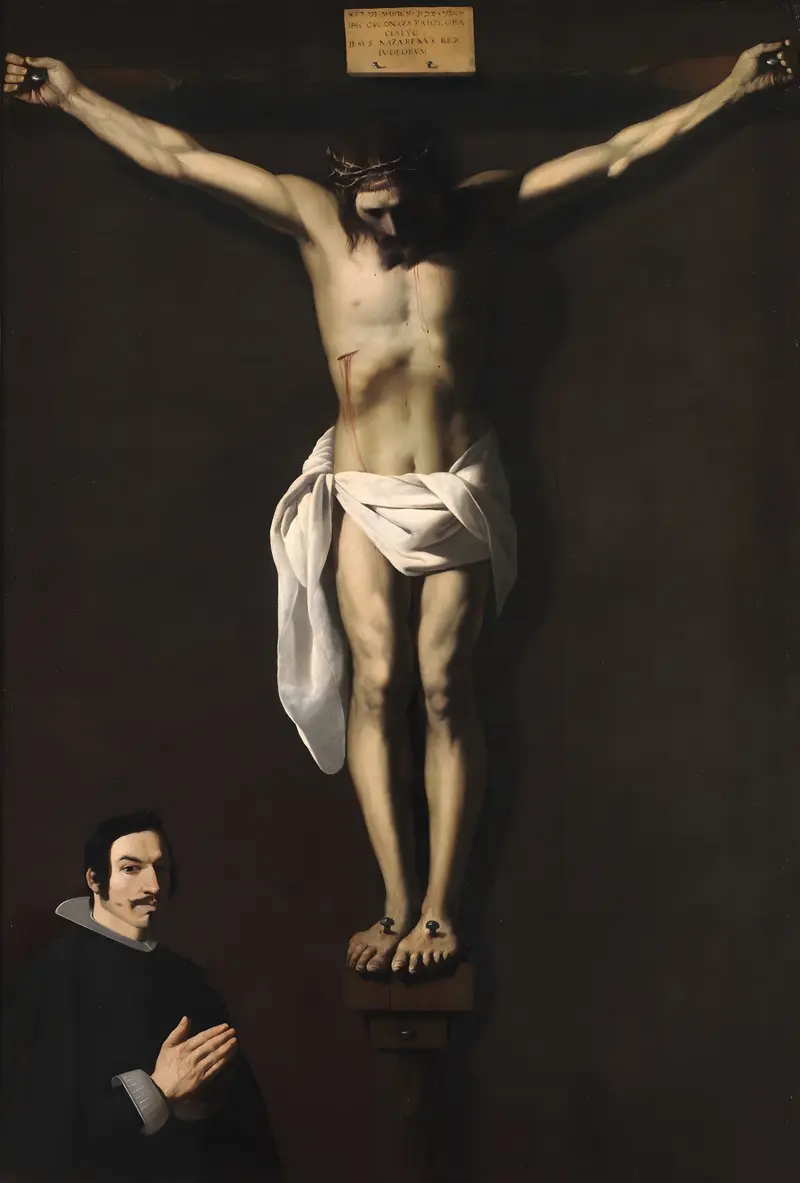
The Crucified Christ with a Donor
Francisco de Zurbarán
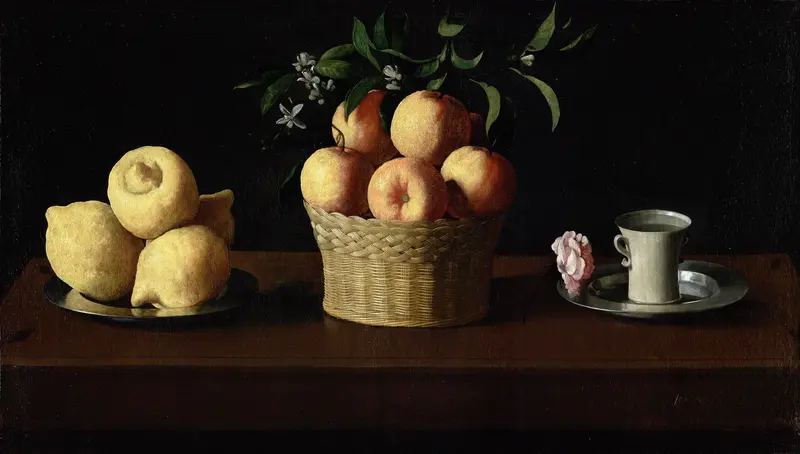
Still Life with Lemons, Oranges and a Rose
Francisco de Zurbarán
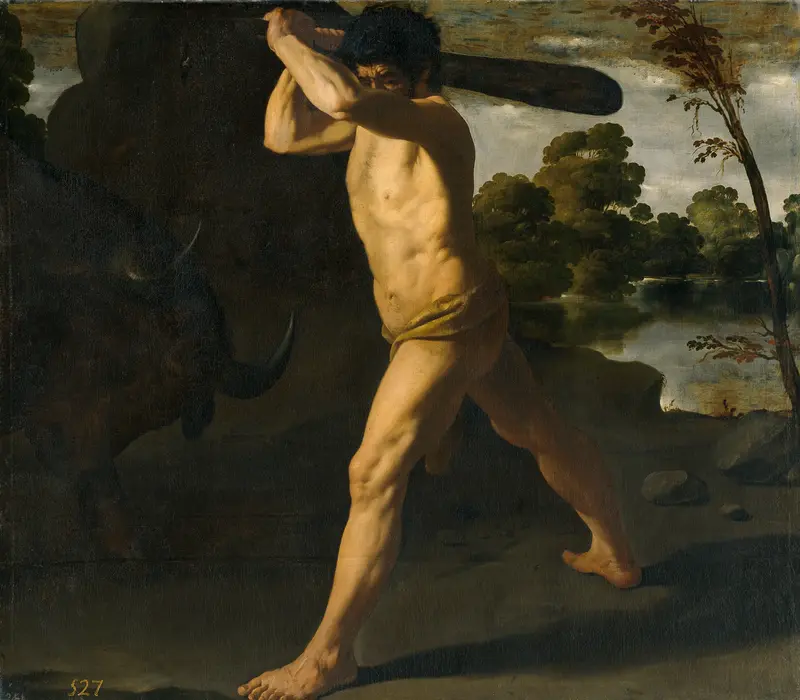
Hercules and the Cretan Bull
Francisco de Zurbarán





