
Jason swearing Eternal Affection to Medea — History & Facts
The first thing that seizes the eye is the theatrical intimacy at the heart of the scene: a hero, armored and earnest, kneels to press his lips to the hand of a richly dressed woman. The forest glade seems to hush around them, as if the whole world is holding its breath. Overhead, a pair of winged cupids hover, one with torch and arrow poised, signaling that this oath is no mere formality but a moment charged with the force of mythic love.
The light falls in a gentle cascade, illuminating the white and gold of Medea’s gown and drawing the viewer’s gaze to the clasped hands—the hinge on which the drama turns. Behind them, a statue of a goddess presides, lending the promise a silent, stony witness and reminding us that in stories like these, the gods are never far away. Painted in March 1742, this work by Jean-François de Troy belongs to a world where ancient tales were brought to life for the delight and instruction of eighteenth-century viewers. Scenes from classical mythology were favored by aristocratic patrons who sought both entertainment and moral reflection in their art.
The lush, theatrical style—so typical of the Rococo—invites viewers to linger on the textures of fabric and foliage, the play of gesture and glance. Today, Jason swearing Eternal Affection to Medea is held by the National Gallery, London, a testament to the enduring fascination with stories that blur the boundary between fate and feeling. The painting asks us to look again: is this a moment of true devotion, or the first step toward tragedy?
More Artworks by Jean-François de Troy
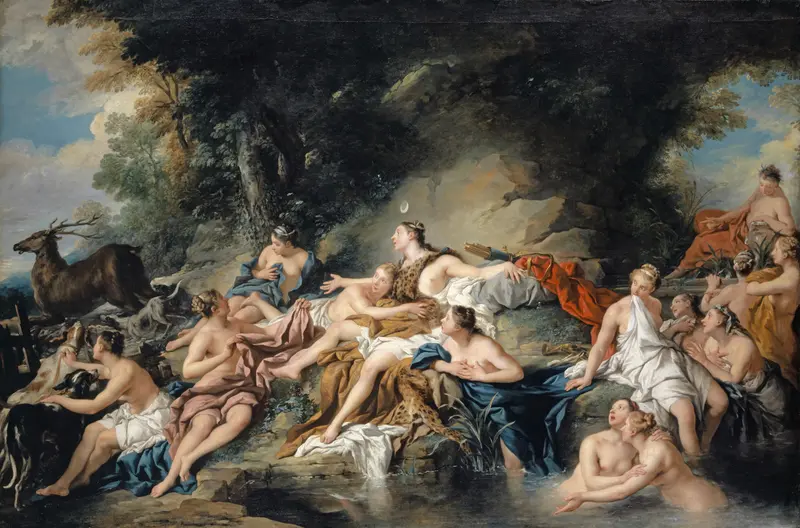
Diana and Actaeon
Jean-François de Troy
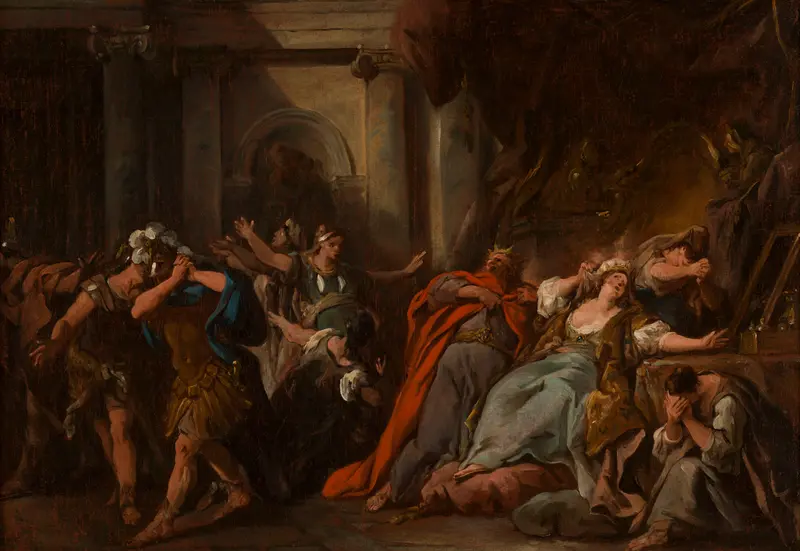
Créüse consumée par la robe empoisonnée
Jean-François de Troy
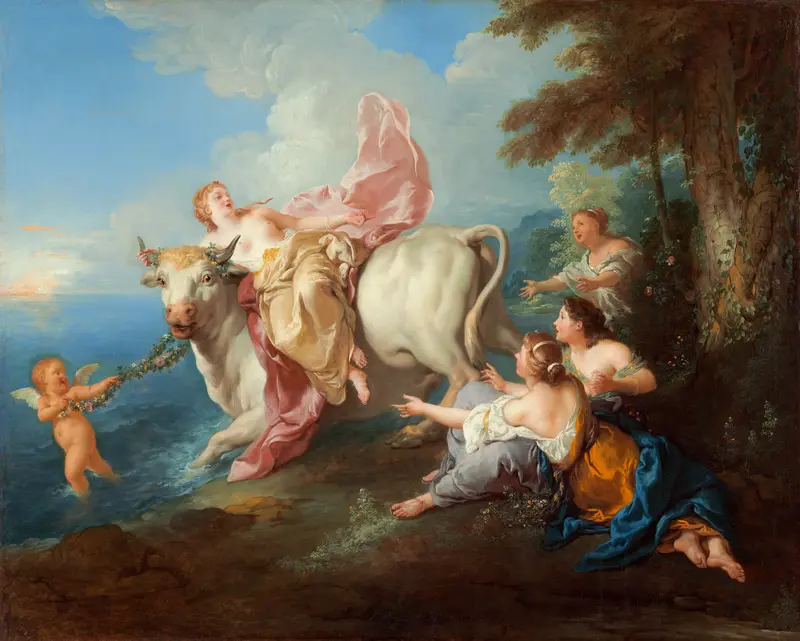
The Abduction of Europa
Jean-François de Troy
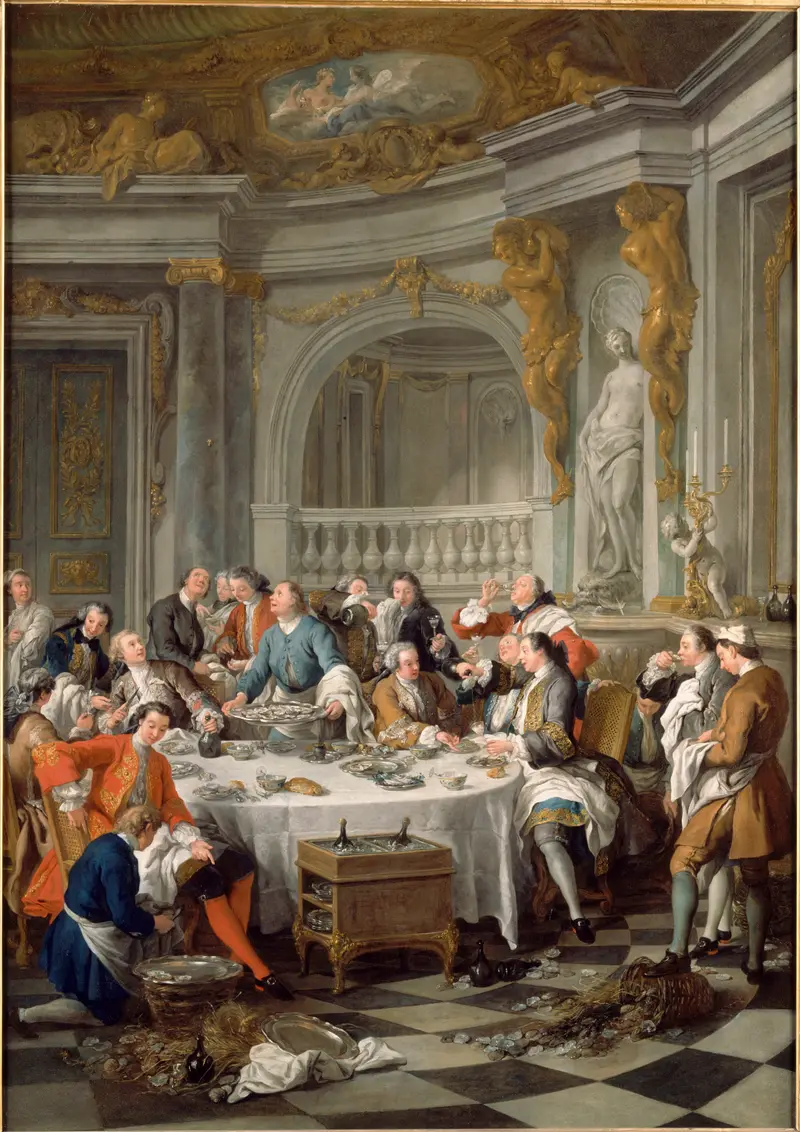
The Lunch of Oysters
Jean-François de Troy

Before the Ball
Jean-François de Troy
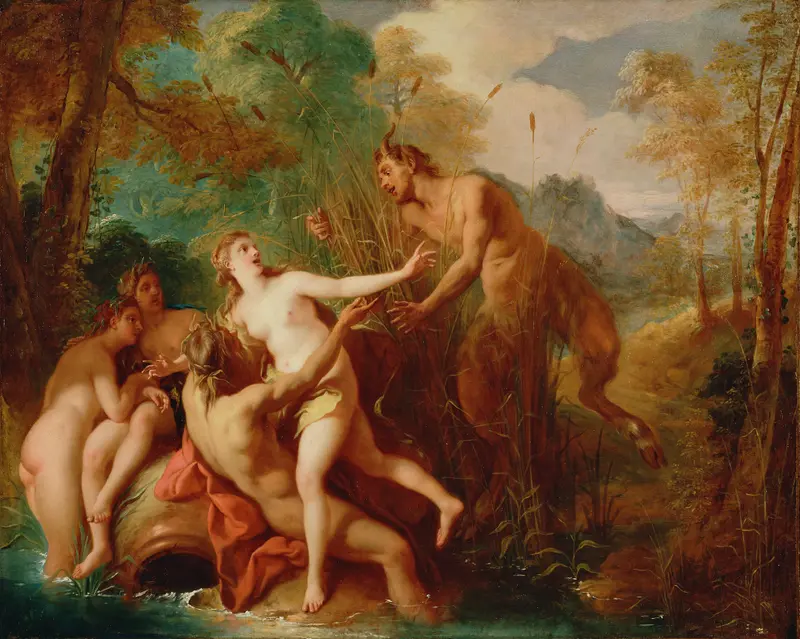
Pan and Syrinx
Jean-François de Troy

Le Combat des soldats nés des dents du serpent
Jean-François de Troy
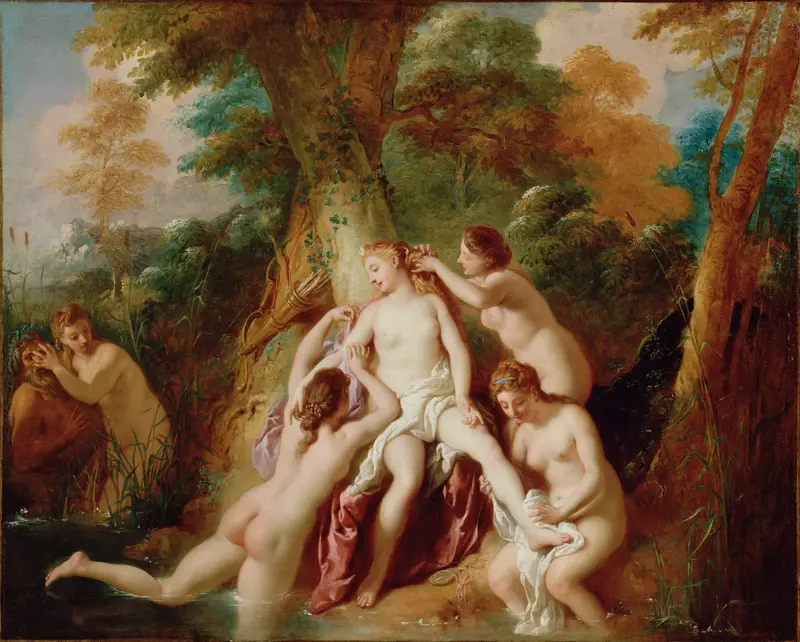
Diana and Her Nymphs Bathing
Jean-François de Troy
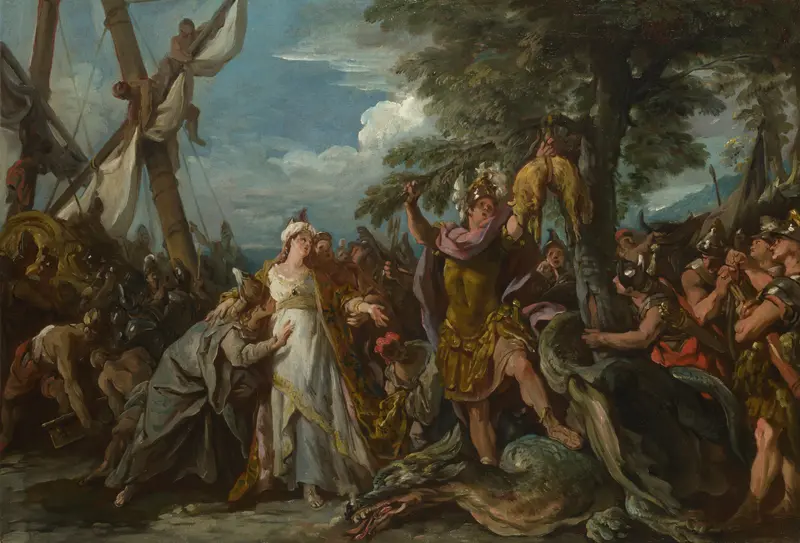
The Capture of the Golden Fleece
Jean-François de Troy
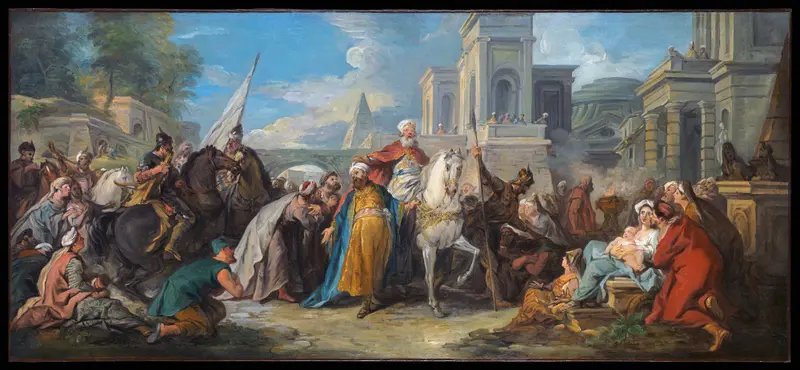
The Triumph of Mordecai
Jean-François de Troy





