
Judgement of Solomon — History & Facts
Few biblical episodes have inspired as many artists as the dramatic test of wisdom faced by King Solomon, but Raphael’s Judgement of Solomon stands out for its rarity: no other known version by Raphael survives, and its precise origins remain shrouded in mystery. Painted in 1508, at the threshold of the artist’s Roman period, this work captures the young master just as he was about to revolutionize papal art. Scholars have long debated whether this painting was a private commission or intended for a civic audience, as no contemporary records mention its first owner.
Its medium, too, remains uncertain—an unusual situation for so prominent a subject and artist. At the heart of the scene, Raphael fixes the viewer’s gaze on the moment of highest tension: Solomon, enthroned and calm, halts the sword-wielding soldier poised above the living child. The two women, each claiming to be the mother, are caught in gestures of desperation and pleading—one recoiling in horror, the other insistent. The king’s raised hand, a gesture of both authority and mercy, signals the instant before revelation, when true maternal love will be exposed by the threat of violence.
Raphael’s composition, with its pyramidal grouping and careful use of light to isolate Solomon’s face, recalls the clarity of Perugino, his early master, but the psychological drama is more akin to Mantegna’s narrative intensity in The Judgement of Solomon (c. 1460). The subsequent history of Judgement of Solomon is as enigmatic as its origins. Unlike Raphael’s celebrated Vatican frescoes, this painting has no continuous documented provenance, and its attribution was once contested, with some 19th-century critics suggesting it was the work of a follower.
Modern technical analysis, however, supports the consensus that it is indeed by Raphael, likely painted during his Florentine-Roman transition. Today, the painting is held in a major museum collection, where it offers a rare glimpse into the artist’s evolving approach to narrative and composition on the eve of his greatest achievements. Its survival, despite the uncertainties surrounding its early history, makes it a vital link in understanding the development of High Renaissance art.
More Artworks by Raphael

Madonna of the Goldfinch
Raphael

Madonna with the Fish
Raphael
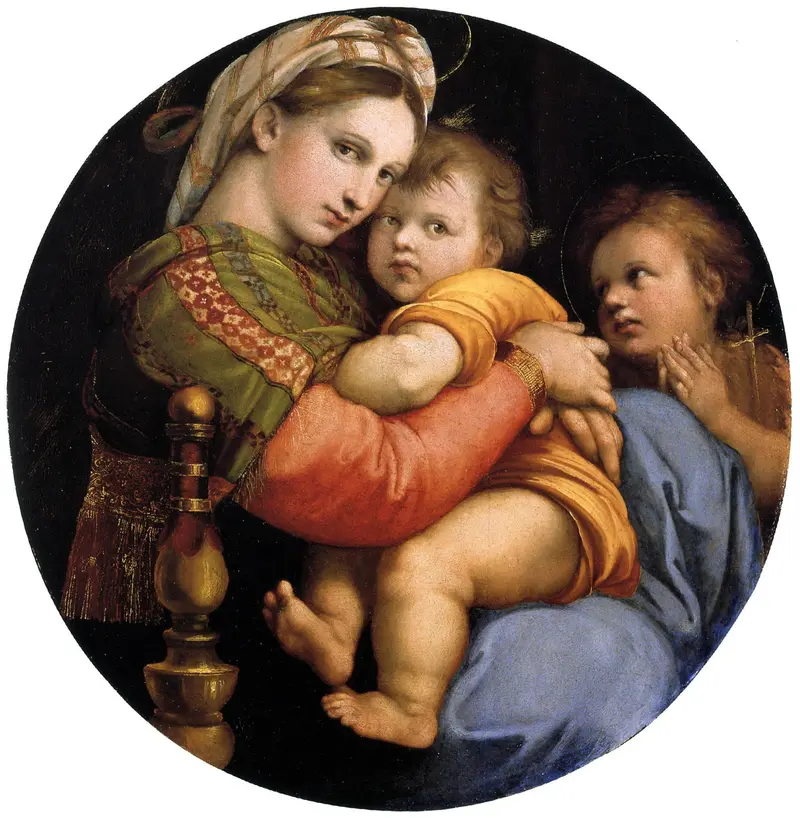
Madonna and Child (Madonna della Seggiola)
Raphael
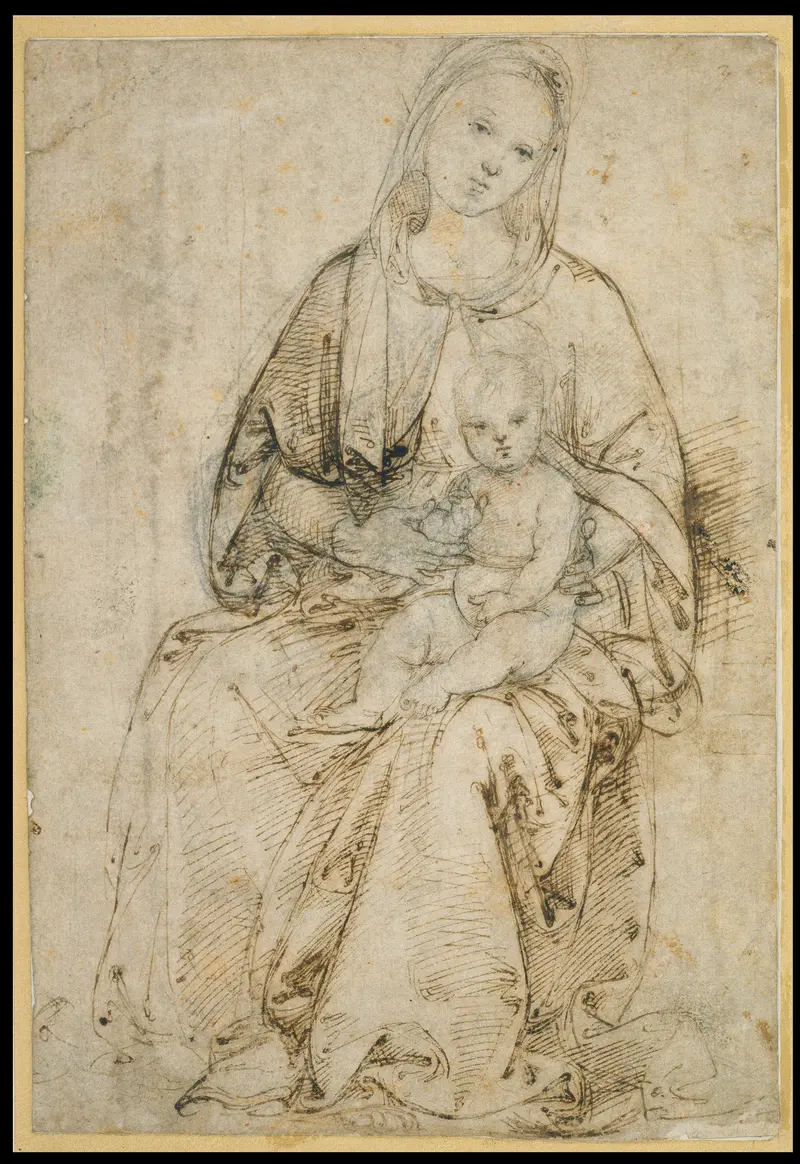
Seated Madonna and Child
Raphael
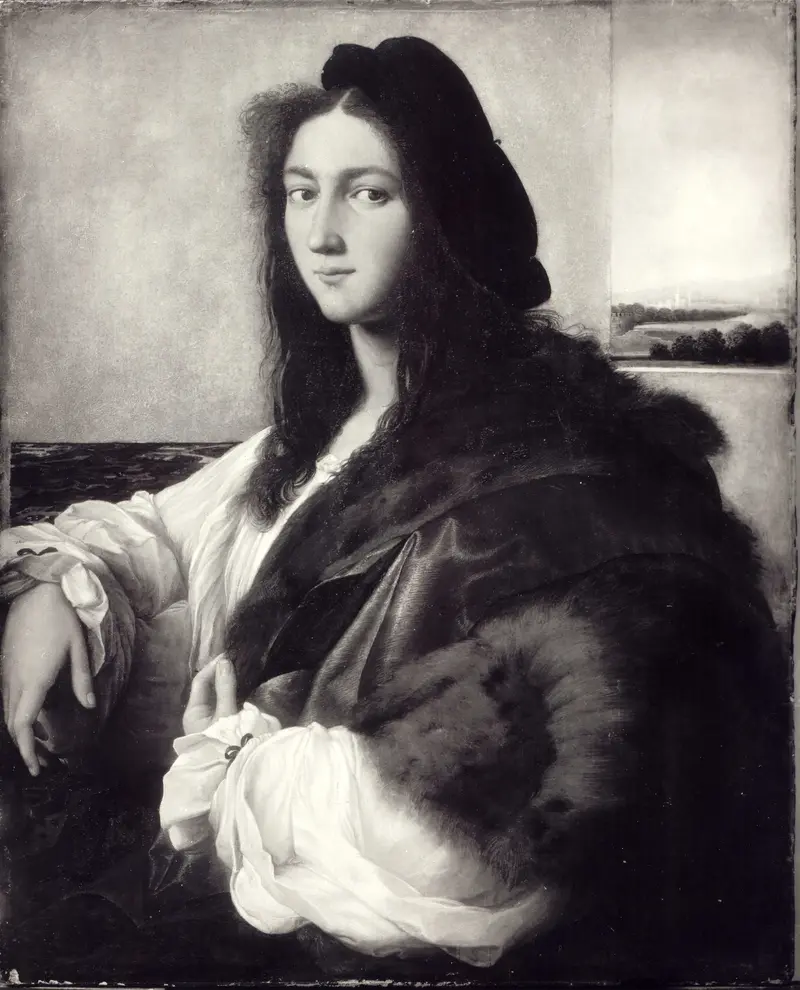
Portrait of a Young Man
Raphael
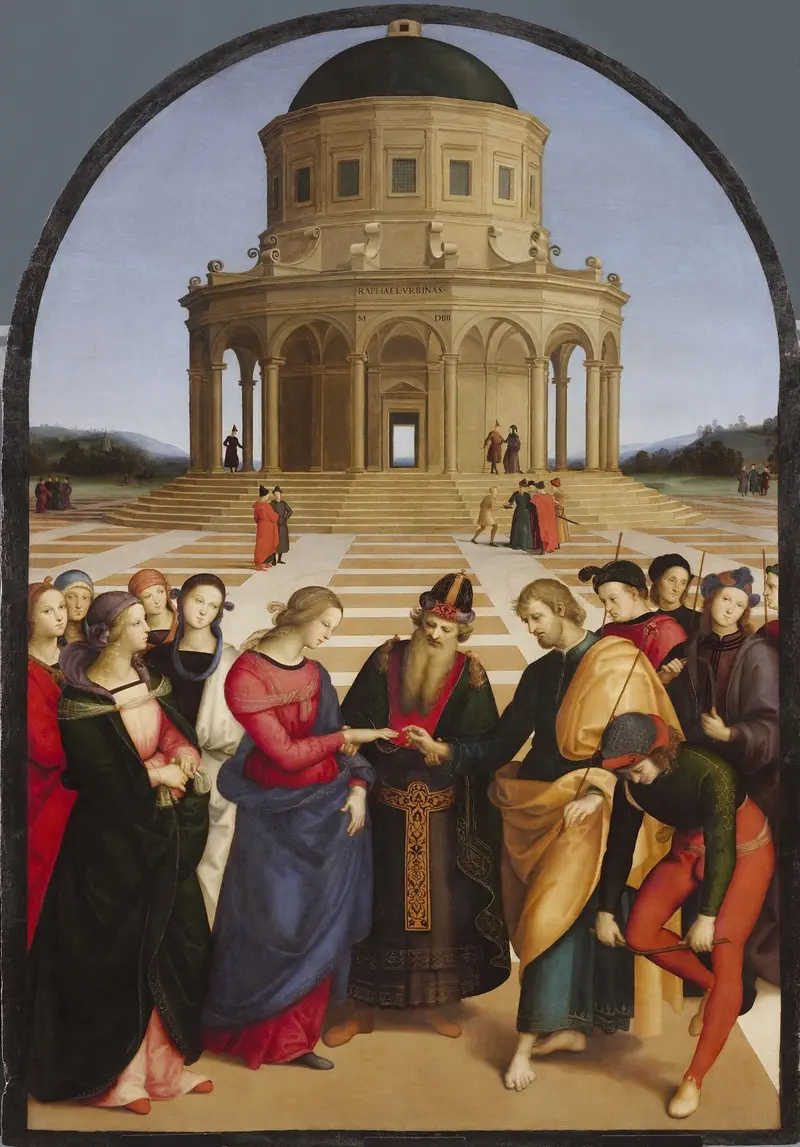
The Marriage of the Virgin
Raphael
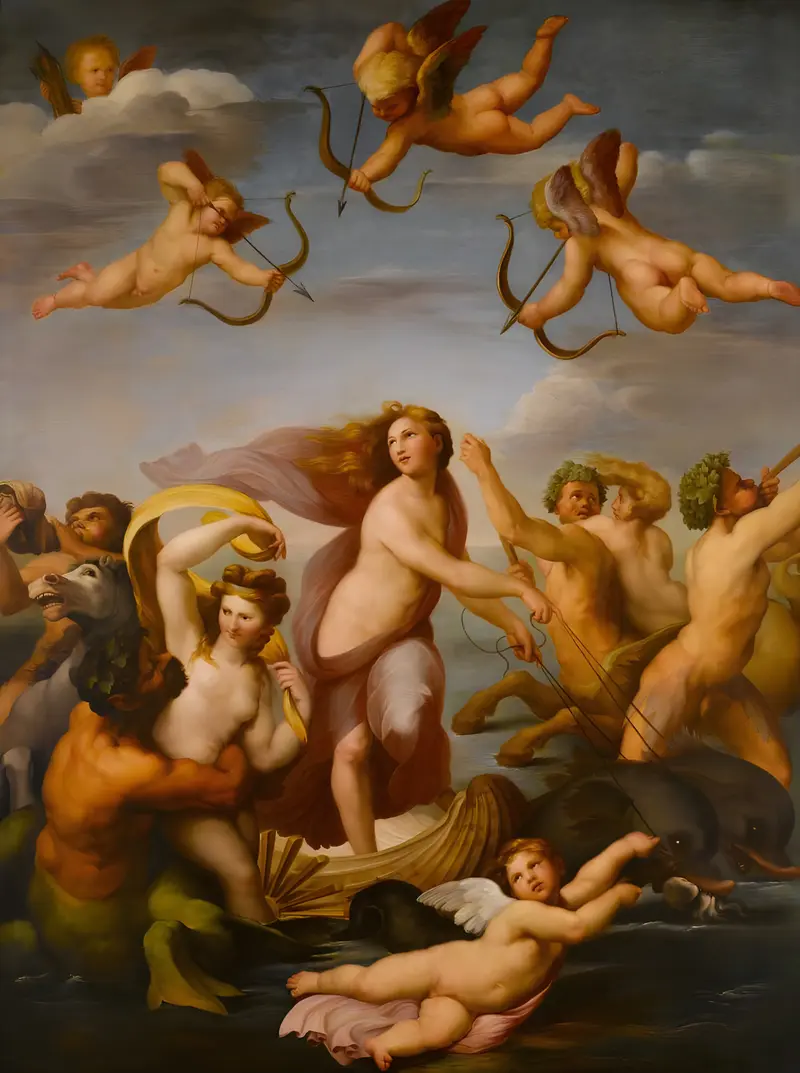
The Triumph of Galatea (copy after Raphael)
Raphael
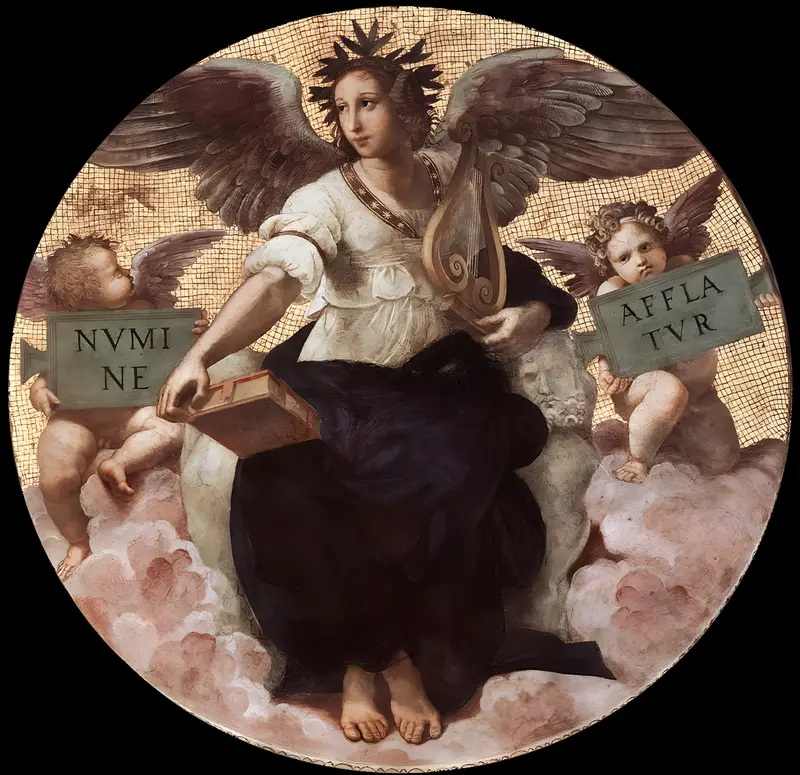
Poetry
Raphael
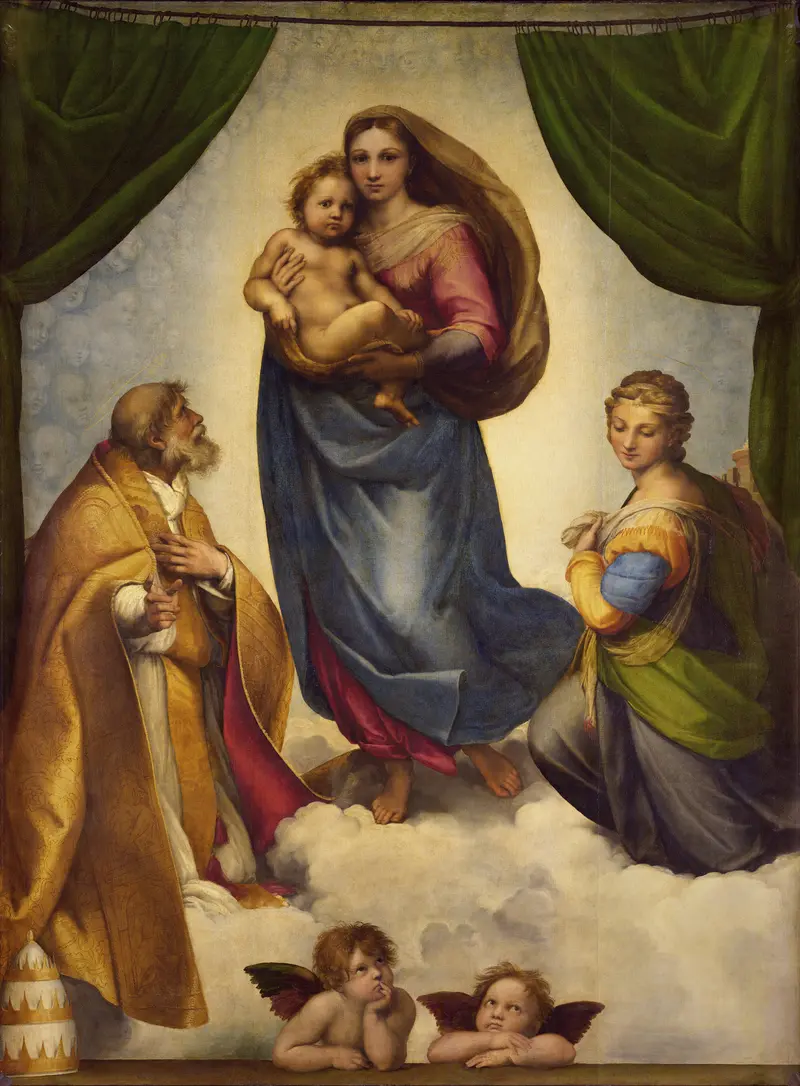
Sistine Madonna
Raphael
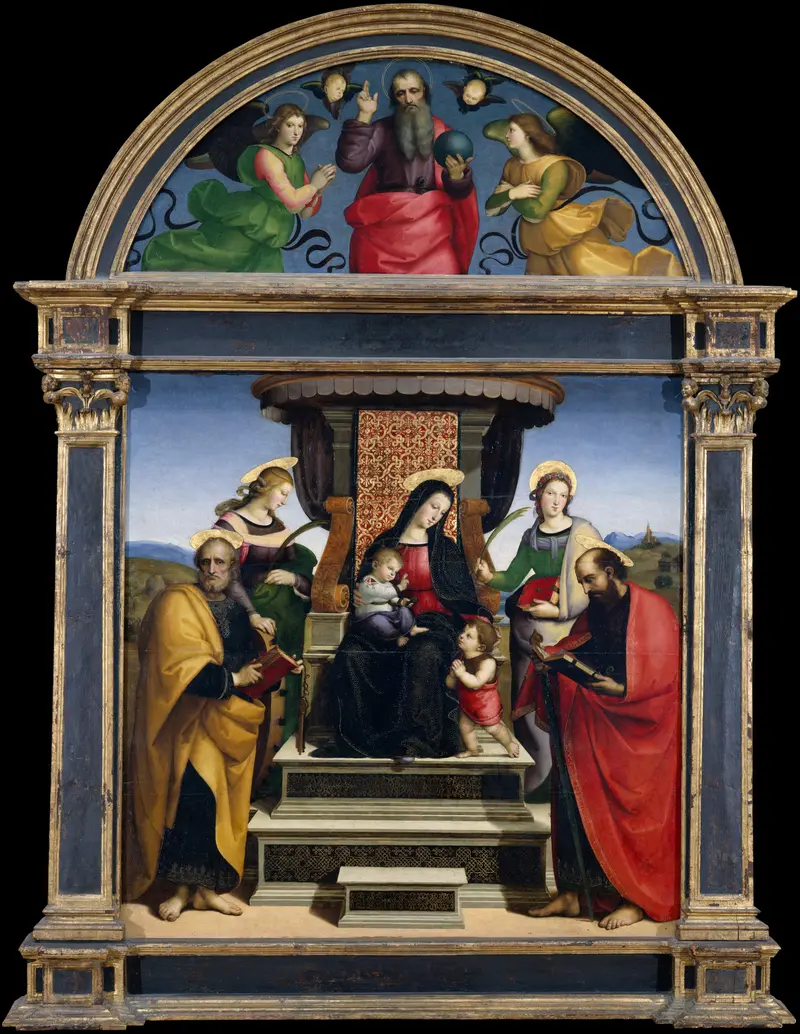
Madonna and Child Enthroned with Saints
Raphael




