
Lascivia — History & Facts
A woman reclines in a world of tactile pleasure, her skin catching the light as if she herself were the fruit and wine that surround her. The sweep of her arm is both a gesture of command and invitation, drawing the viewer’s gaze from the lush grapes and glistening glass to the bird perched on her hand. In the mirror behind her, her face is doubled, the reflection meeting our eyes with a knowing, almost conspiratorial look.
Every detail—her jeweled headband, the silks, the careful arrangement of figs and crystal—serves to heighten the sense of abundance and sensuality. The palette is rich but cool, the shadows deep, as if to remind us that pleasure and vanity are never far from introspection. Painted between 1615 and 1623, Lascivia belongs to a world where allegory and moral lesson often mingled with the celebration of the senses. The early seventeenth century in Antwerp, where Abraham Janssens worked, saw artists competing to capture both the allure and the risks of earthly delights.
Such images were prized by collectors eager to display their sophistication and taste, but they also served as conversation pieces—provoking debate about virtue, vice, and the fleeting nature of beauty. This particular work surfaced at a Christie's sale in New York in 2011, a reminder that while the identities of its first owners may be lost, its invitation to look—and look again—remains undiminished.
More Artworks by Abraham Janssens

Jupiter Rebuked by Venus
Abraham Janssens
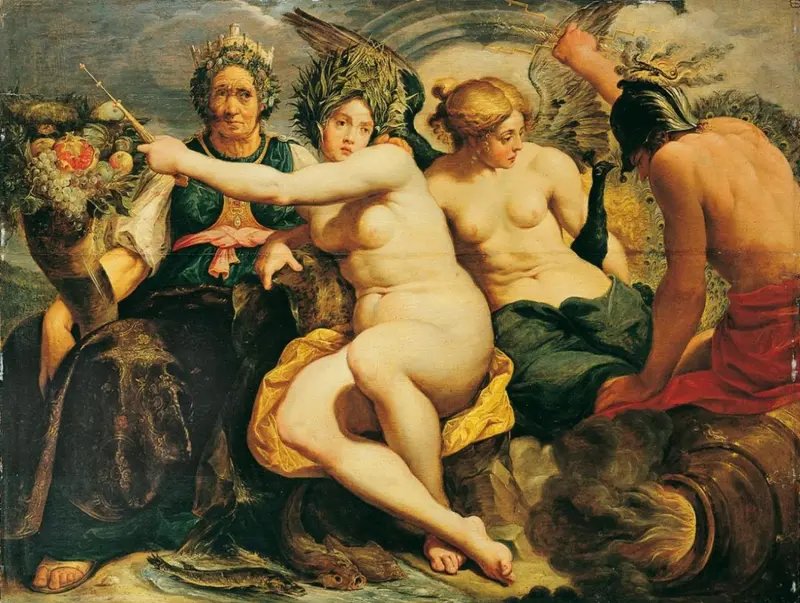
Allegorie der vier Elemente
Abraham Janssens
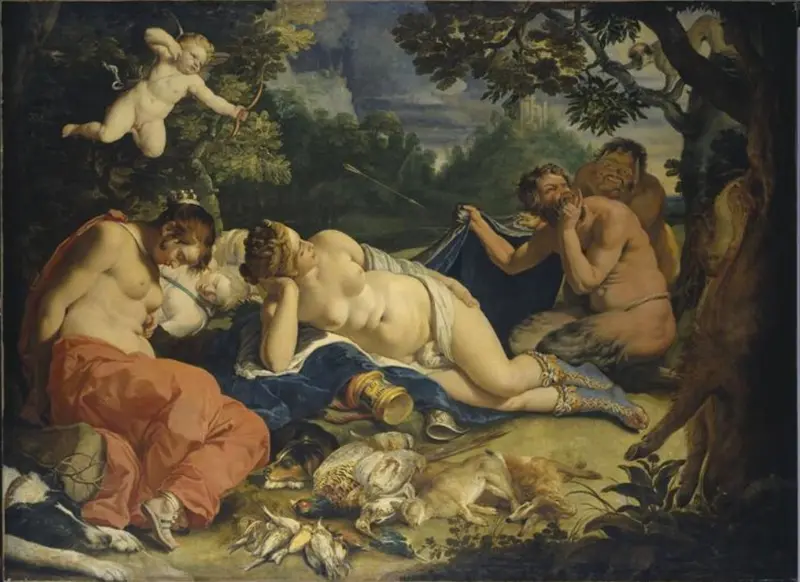
Diana and her nymphs spied on by satyrs
Abraham Janssens

Die Erweckung des Lazarus 153 Bavarian State Painting Collections
Abraham Janssens
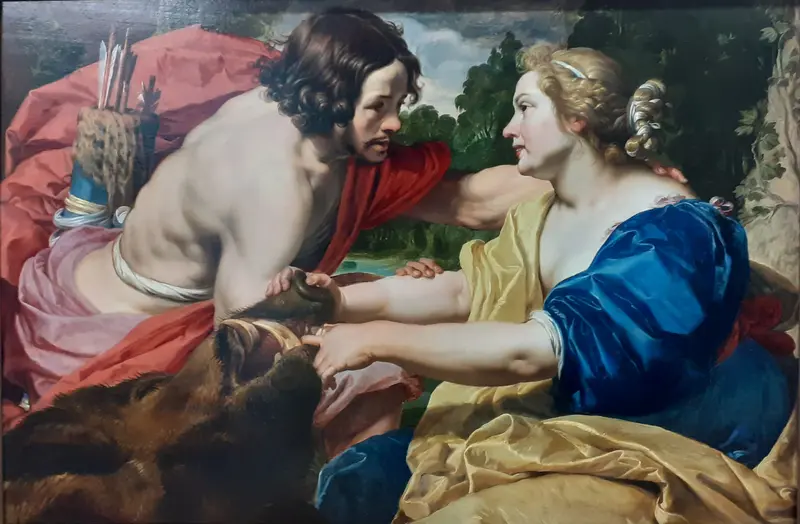
Meleager presents the head of the Calydonian Boar to Atalanta
Abraham Janssens
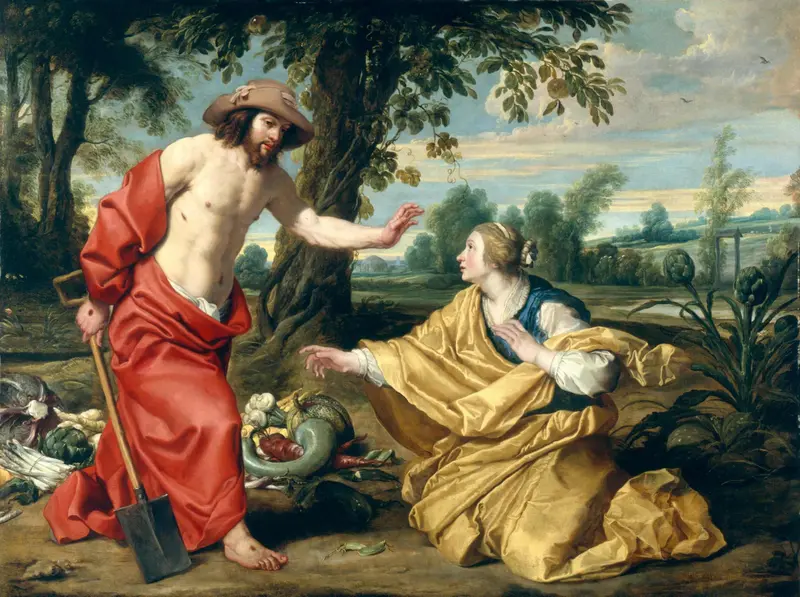
Noli me Tangere
Abraham Janssens
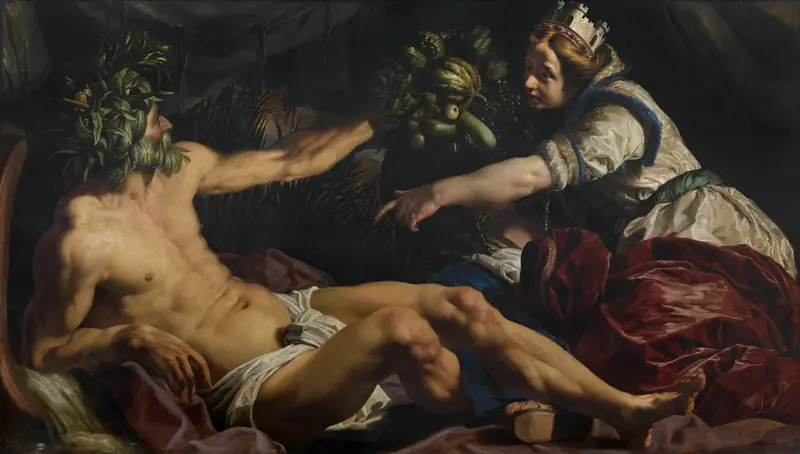
Scaldis and Antverpia
Abraham Janssens
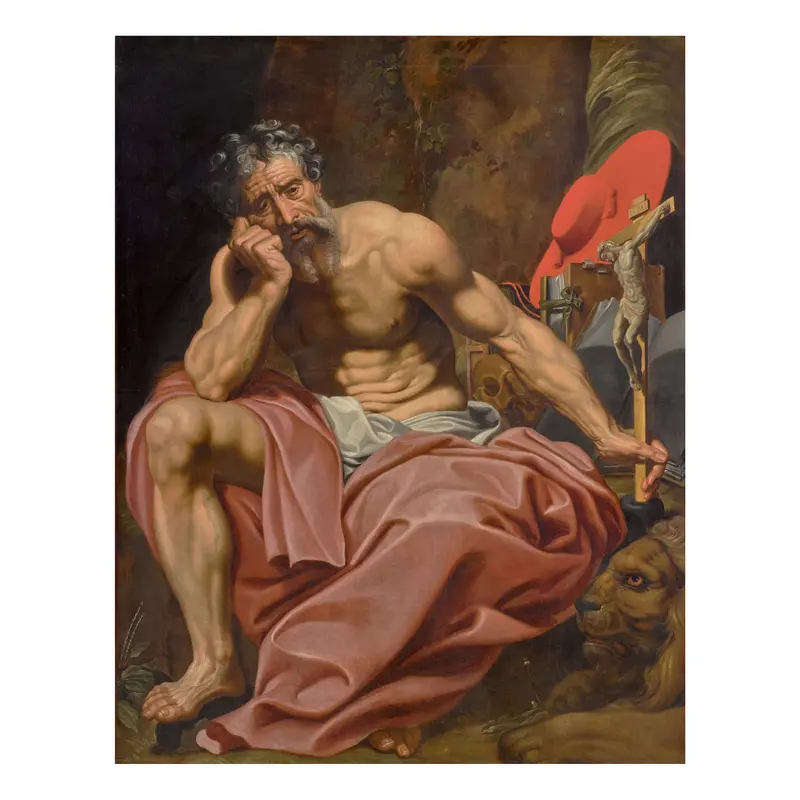
Saint Jerome
Abraham Janssens
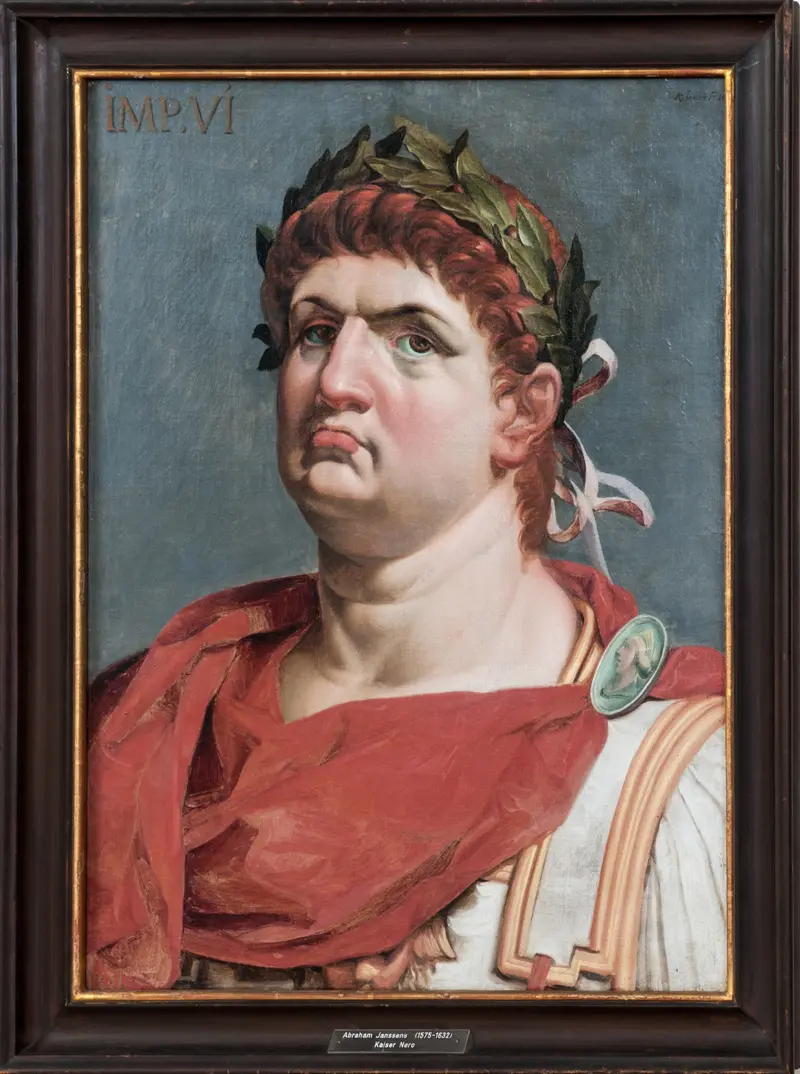
Nero
Abraham Janssens
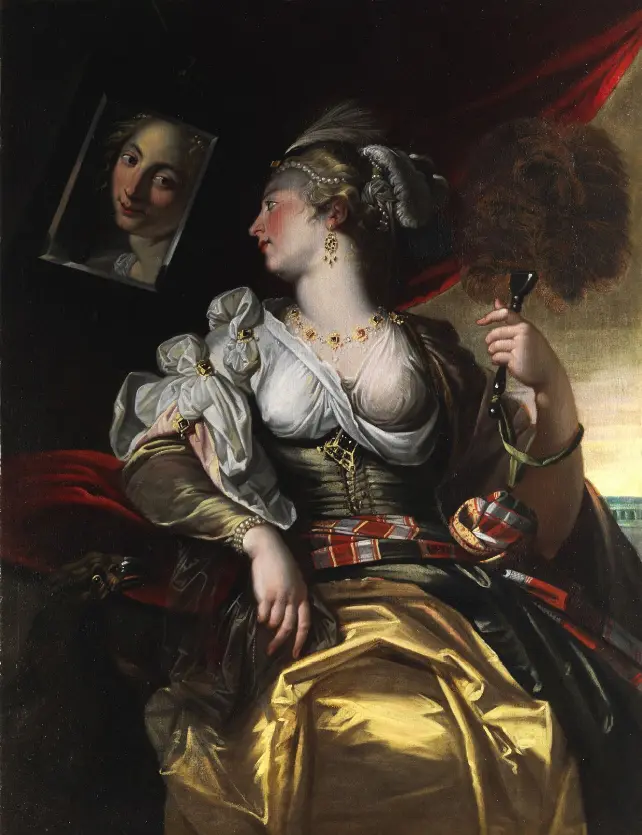
The Face
Abraham Janssens





