
Latona and the Lycian Peasants — History & Facts
Few stories from Ovid’s Metamorphoses have inspired as many painters as the tale of Latona and the Lycian peasants, but Abraham Bloemaert’s version stands out for its vivid drama and theatrical composition. The myth recounts a moment of divine retribution: Latona, mother of Apollo and Diana, is refused water by local peasants as she flees the wrath of Juno. In a fit of anger, she transforms the insolent men into frogs, a scene that artists across Europe returned to again and again in the late 16th and early 17th centuries.
Bloemaert’s interpretation is especially admired for the way it captures the instant before the peasants’ fate is sealed, their humanity still visible as the metamorphosis begins. Here, the viewer catches Latona at the water’s edge, her children clinging to her as she pleads for mercy. The peasants, rough and sunburned, block her path with raised arms and angry gestures, their faces twisted in defiance. Bloemaert’s skillful use of light isolates Latona in a gentle glow, setting her apart from the earthy tones of the peasants and the landscape.
Frogs already begin to appear at the peasants’ feet, a visual cue of their impending transformation. Compared to Tintoretto’s earlier version, which emphasizes the supernatural, Bloemaert roots the scene in the Dutch countryside, grounding myth in the everyday and making the divine punishment feel both immediate and real. The exact date and patron of Latona and the Lycian Peasants remain uncertain, but Bloemaert was a leading figure of the Dutch Mannerist movement, known for his mythological and biblical scenes. His workshop in Utrecht trained many important artists, and works like this one likely served as both inspiration and teaching tool.
Over the centuries, paintings of this subject have appeared in private collections and public museums, though the journey of this particular canvas is not fully documented. Today, it stands as a testament to Bloemaert’s narrative gifts and his ability to blend classical myth with the visual language of his own time.
More Artworks by Abraham Bloemaert

Adam and Eve
Abraham Bloemaert
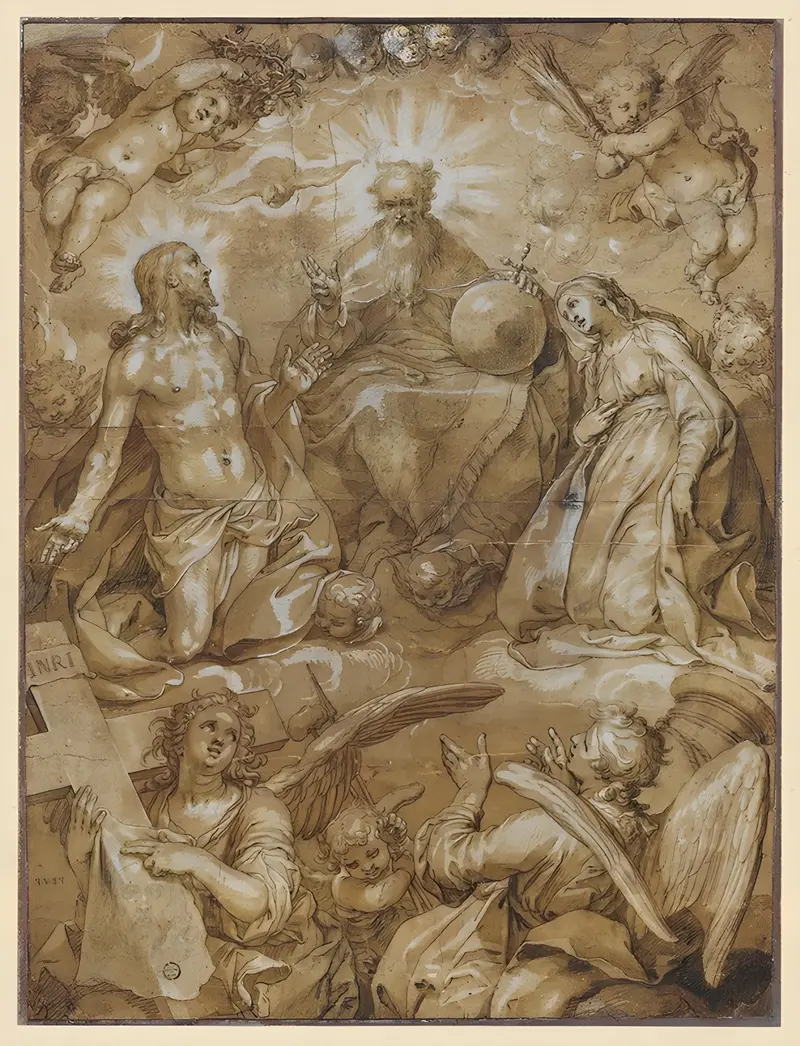
Intercession of Christ and Mary before God the Father
Abraham Bloemaert
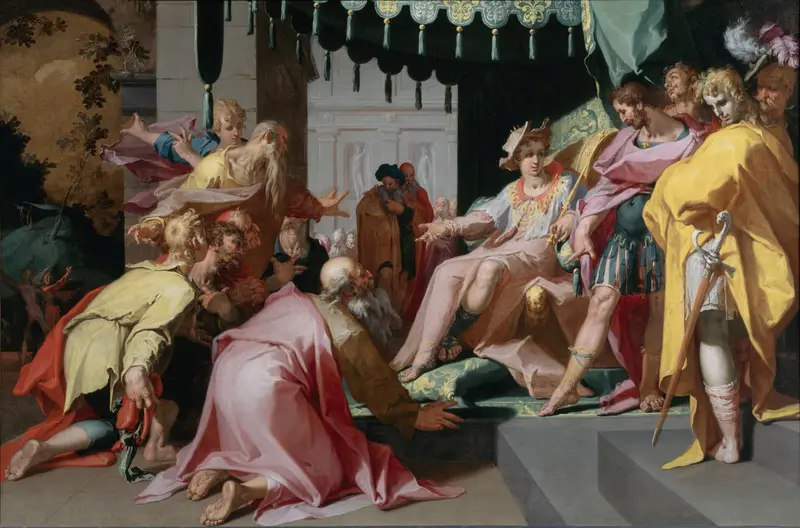
Joseph and his Brothers
Abraham Bloemaert
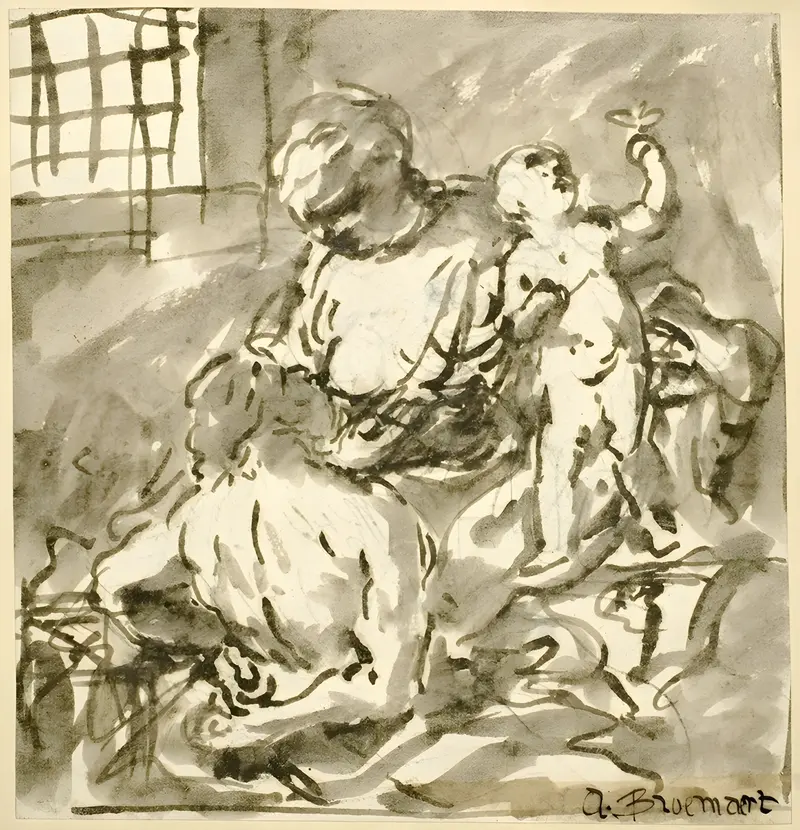
Caritas Romana
Abraham Bloemaert
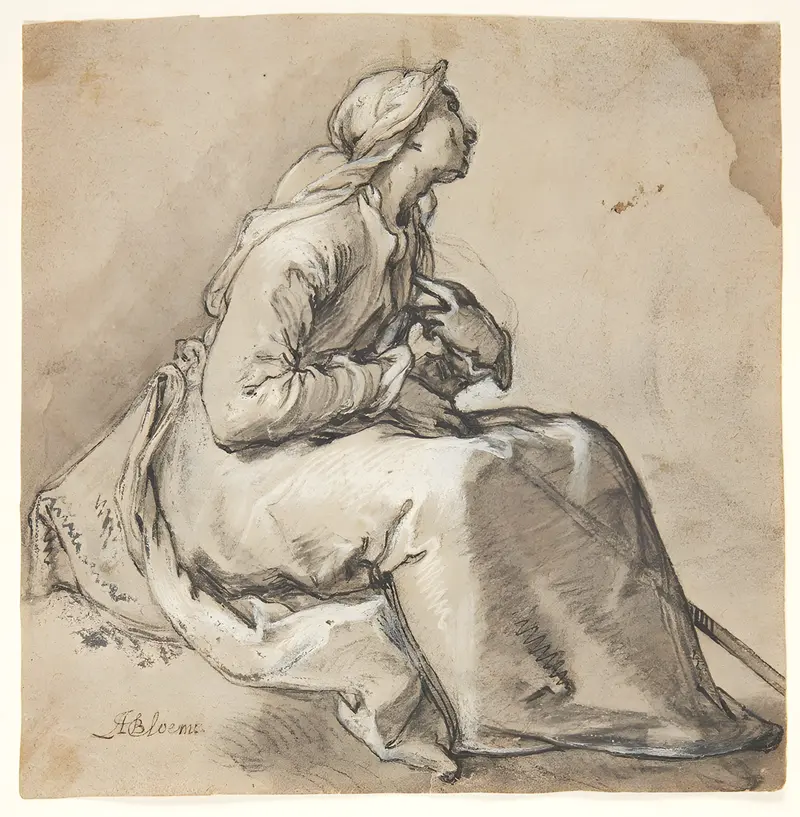
A seated woman facing right
Abraham Bloemaert
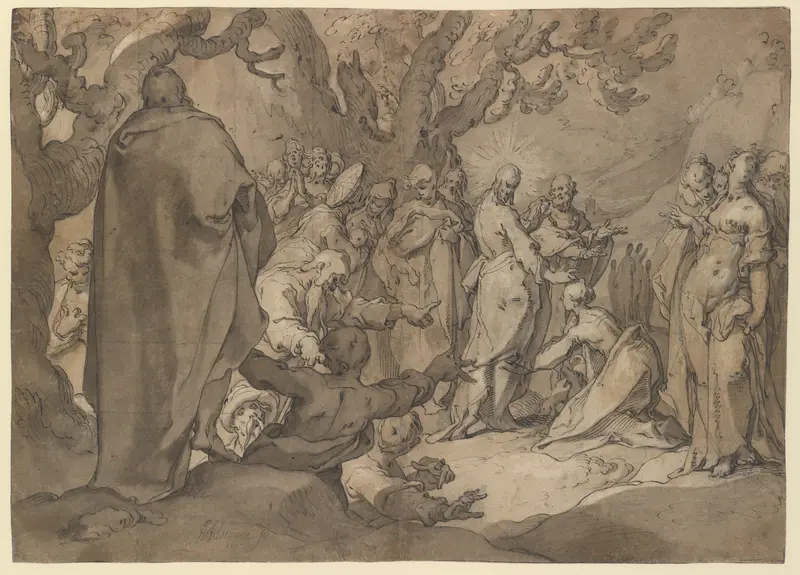
Christ and the Canaanite Women
Abraham Bloemaert
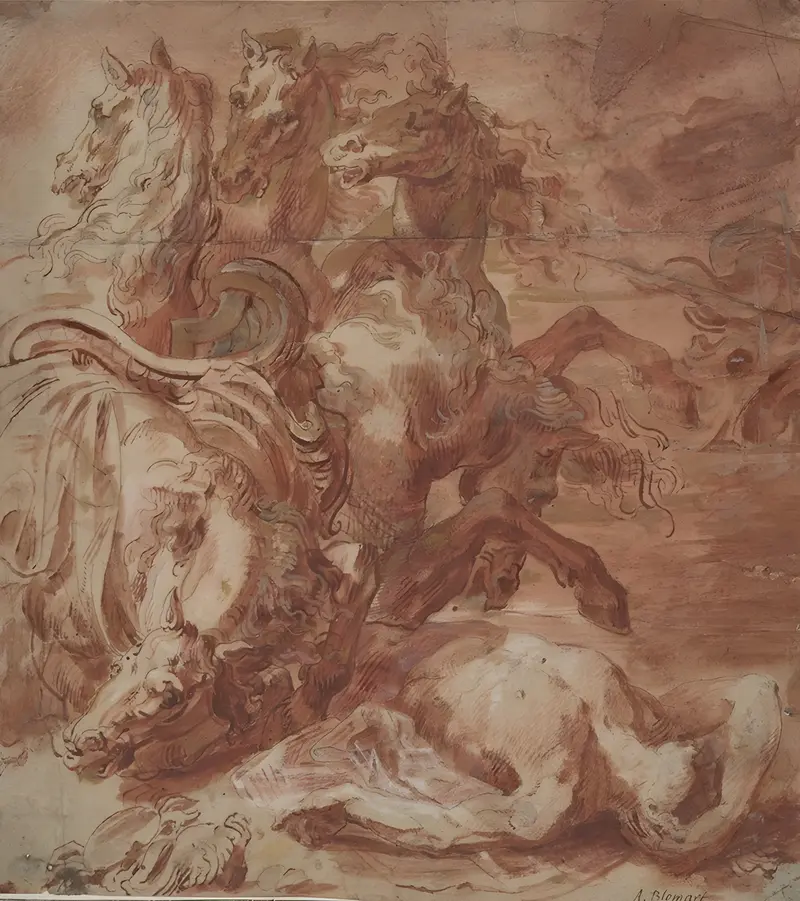
Hippolytus
Abraham Bloemaert
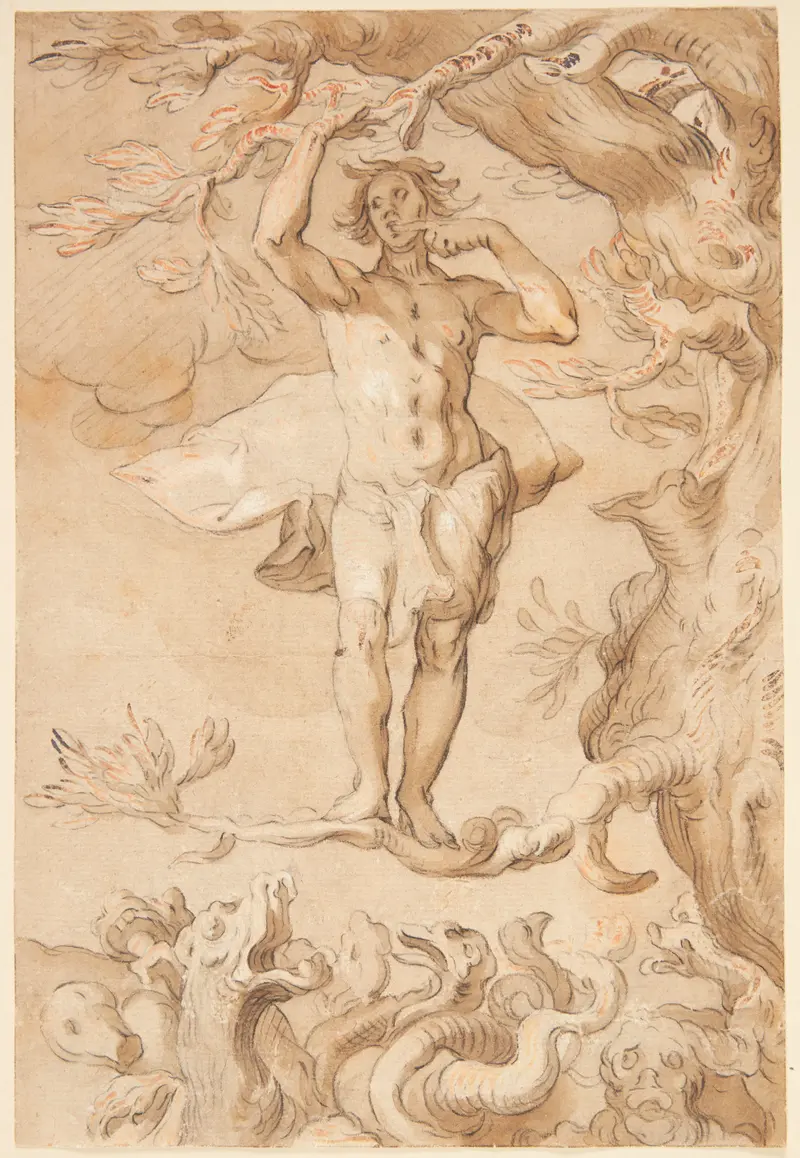
Den menneskelige glædes skrøbelighed En mand, der jages af en drage, klynger sig til en gren, mens han slikker honning af sin finger
Abraham Bloemaert

Moses Striking the Rock
Abraham Bloemaert
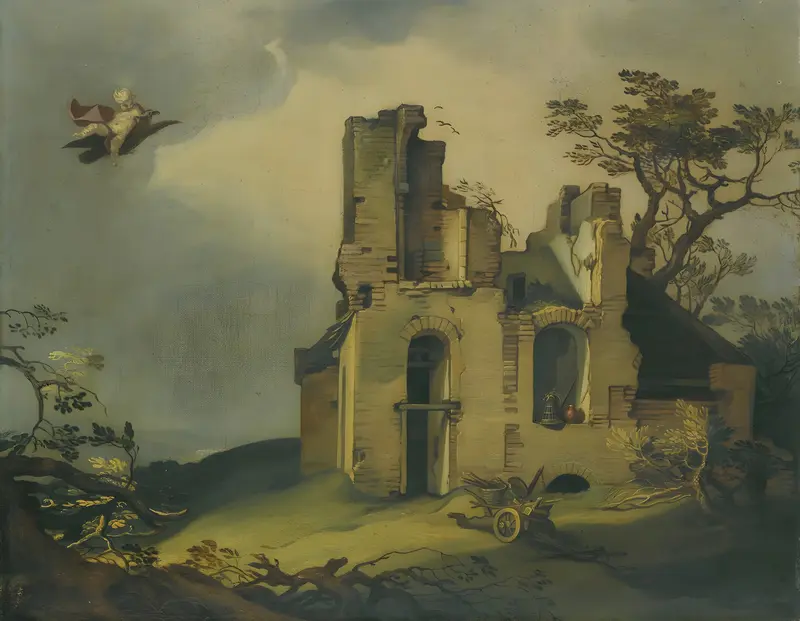
A Landscape With Ruins, With The Rape Of Ganymede
Abraham Bloemaert





