
Le Sommeil Des Paysans — History & Facts
When a teenage Théodore Géricault painted Le Sommeil Des Paysans in 1810, he was still a student at the studio of Pierre-Narcisse Guérin, yet the work already hints at the bold realism that would later mark his career. Remarkably, this early canvas was created at a time when French academic art favored mythological and historical grandeur, making Géricault’s choice of humble rural laborers as subjects a quiet act of rebellion. The painting’s fate for many years was obscured, as it was long overshadowed by the artist’s later, more dramatic works such as The Raft of the Medusa.
Only in recent decades has it been recognized as a significant stepping stone in Géricault’s development. At the heart of Le Sommeil Des Paysans, two exhausted peasants are caught in the midst of their slumber, sprawled on the ground after a day’s toil. Their coarse clothing, dirt-smudged faces, and the simple tools lying nearby speak to the realities of rural life in Napoleonic France. The soft, low light falls gently across their bodies, emphasizing not only their vulnerability but also a rare moment of peace.
Unlike the heroic peasants of Jean-François Millet decades later, Géricault’s figures are not idealized; instead, they are rendered with the unvarnished honesty of direct observation. The painting invites the viewer into a world far removed from the grand salons, where dignity is found in rest rather than labor. The precise early history of this painting is not fully documented, but it is believed to have remained in private hands for much of the nineteenth century, possibly passing through the Géricault family. Its attribution to Théodore Géricault was once questioned, given the artist’s youth and the painting’s departure from his later, more dramatic style.
Today, however, scholars recognize it as a formative work, showing the seeds of the realism and empathy that would define his mature output. Le Sommeil Des Paysans now stands as a testament to Géricault’s early interest in the everyday lives of ordinary people, a theme that would later influence the course of French painting.
More Artworks by Théodore Géricault
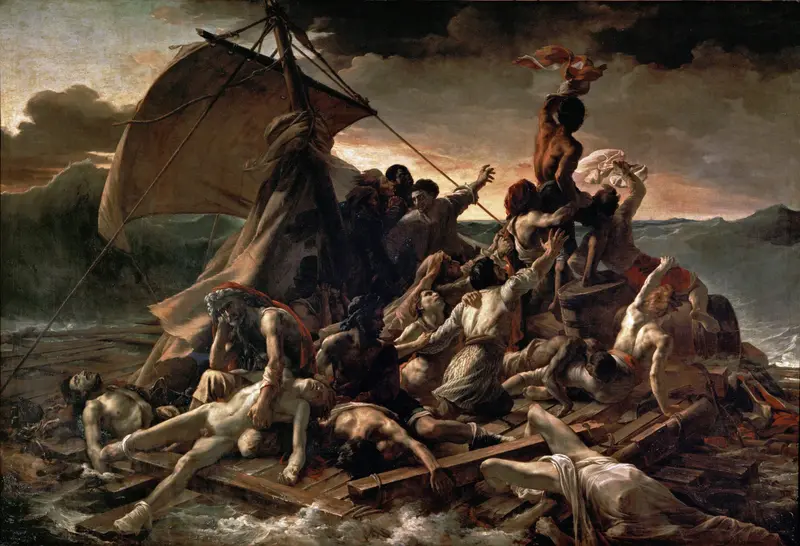
The Raft of the Medusa
Théodore Géricault

Géricault - Le naufrage du radeau de la Méduse, MBA 790
Théodore Géricault
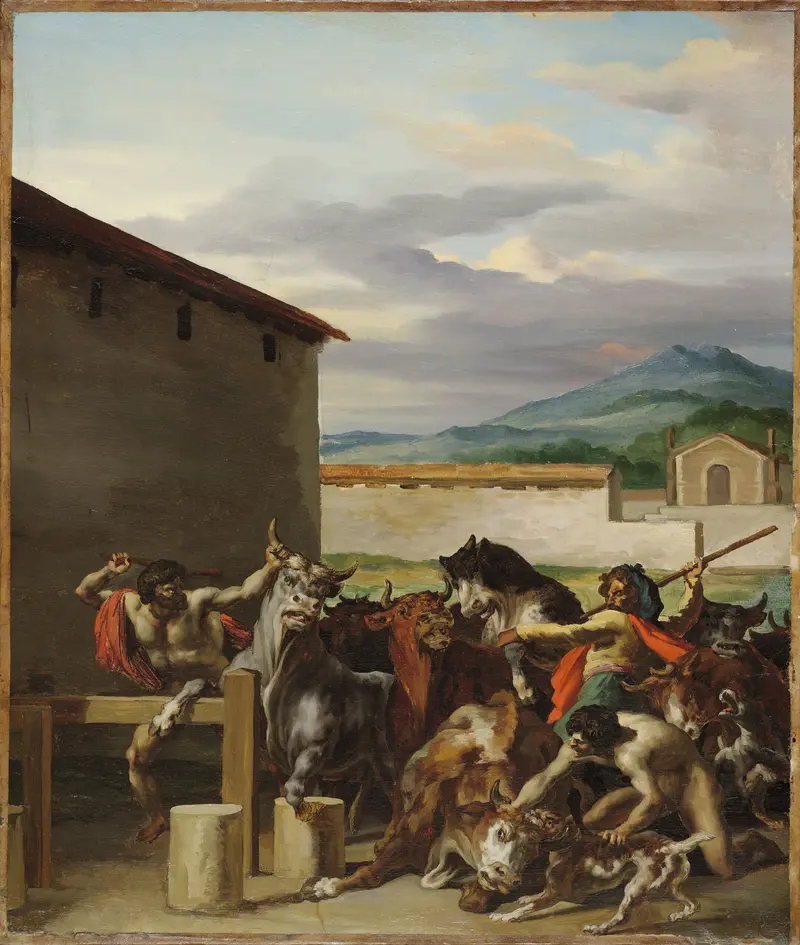
Cattle Market
Théodore Géricault
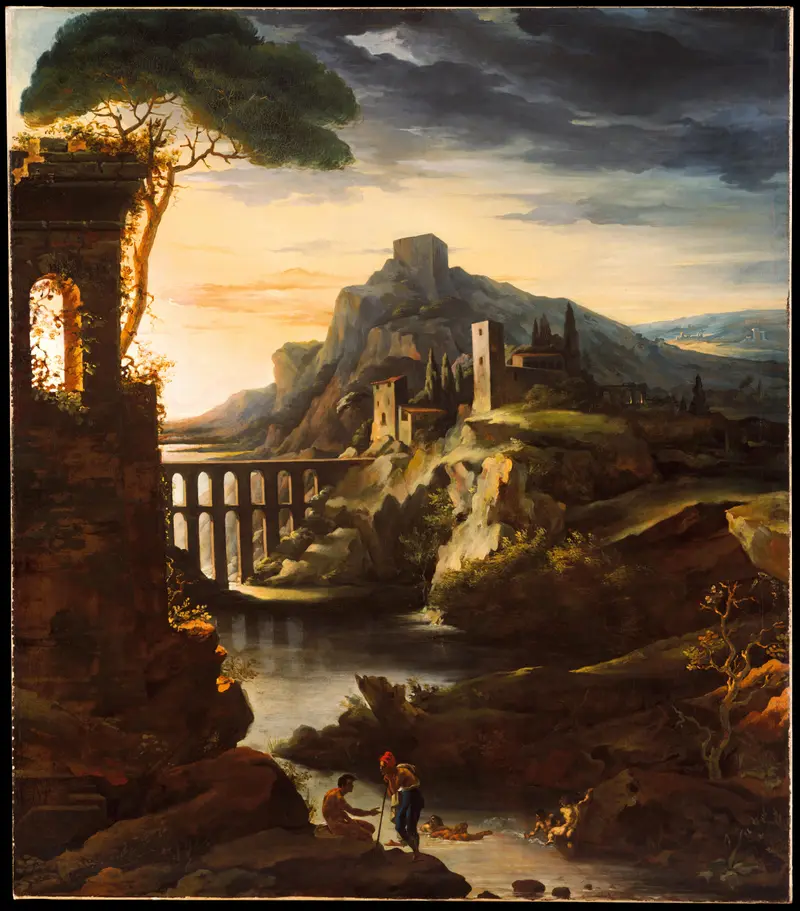
Evening; Landscape with an Aqueduct
Théodore Géricault
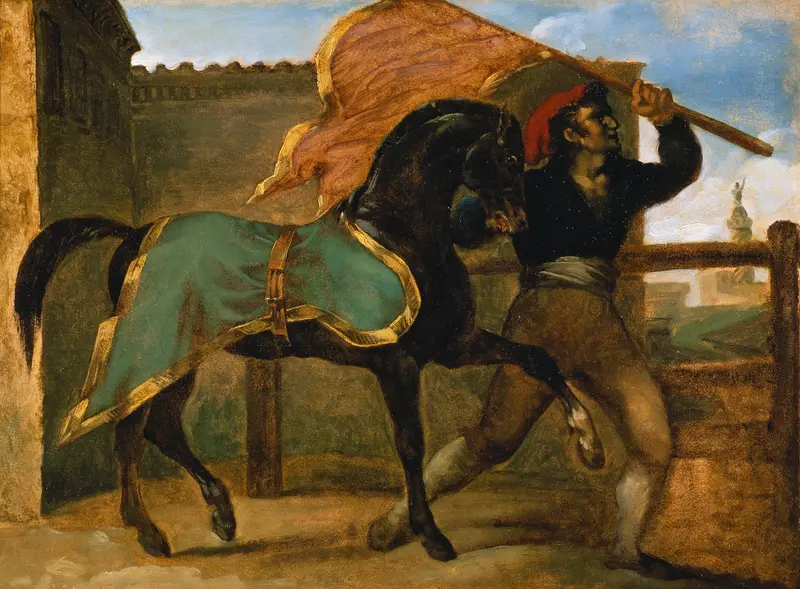
Horse Race
Théodore Géricault

Horses Standing in a Mews
Théodore Géricault
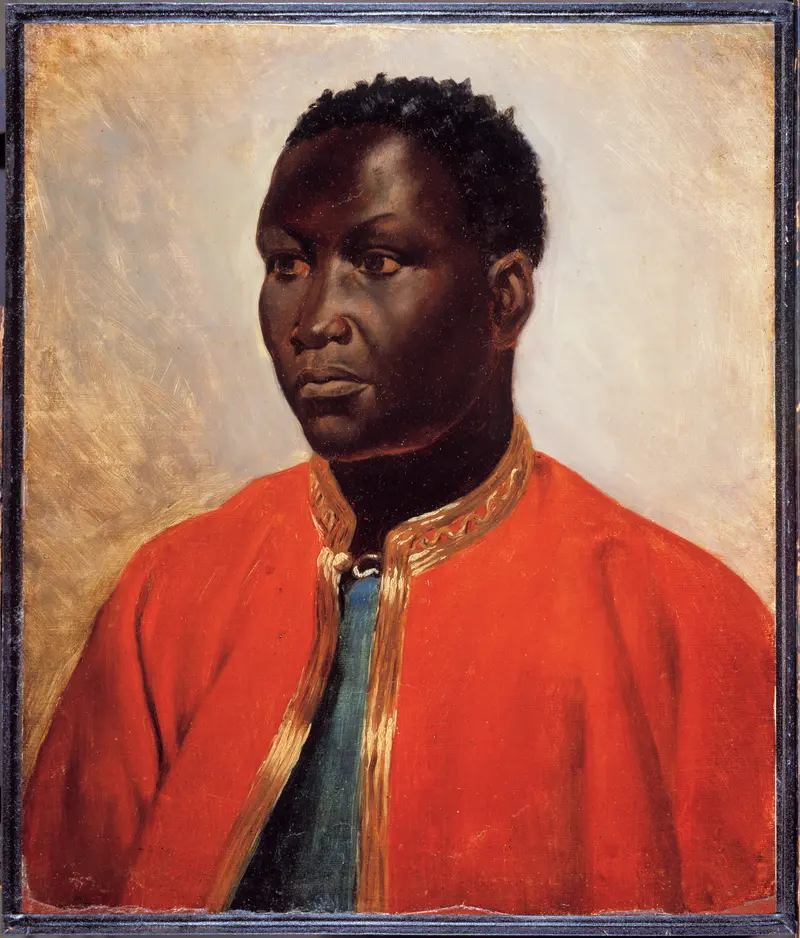
Portrait of a Negro
Théodore Géricault
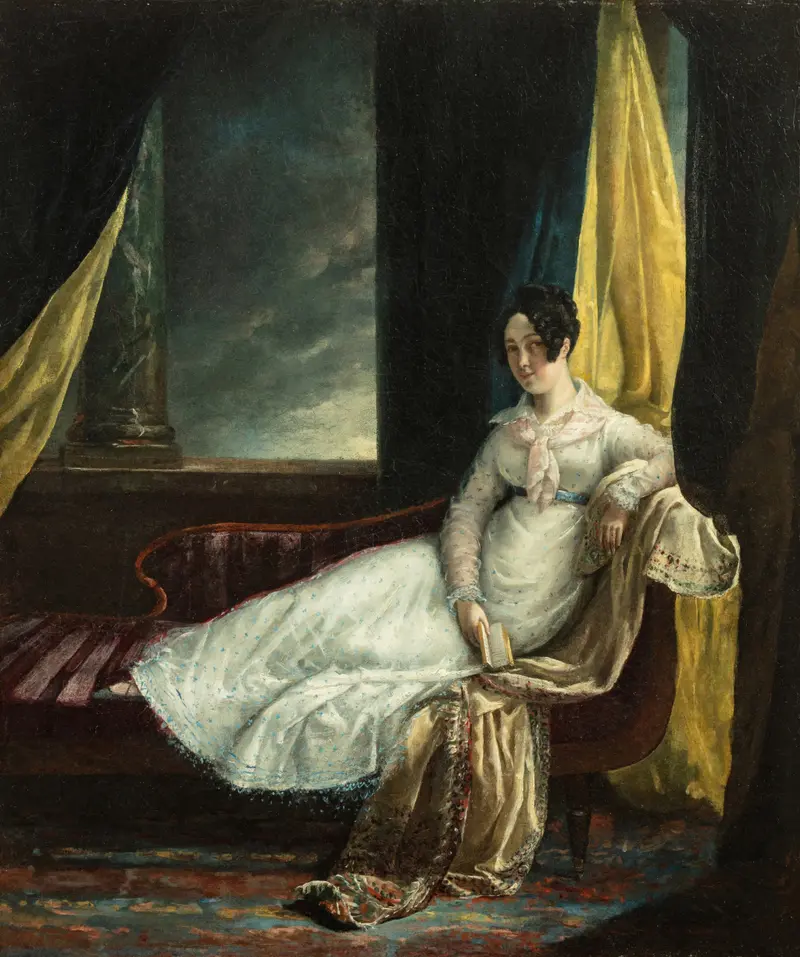
Portrait of Zoë Elmore
Théodore Géricault
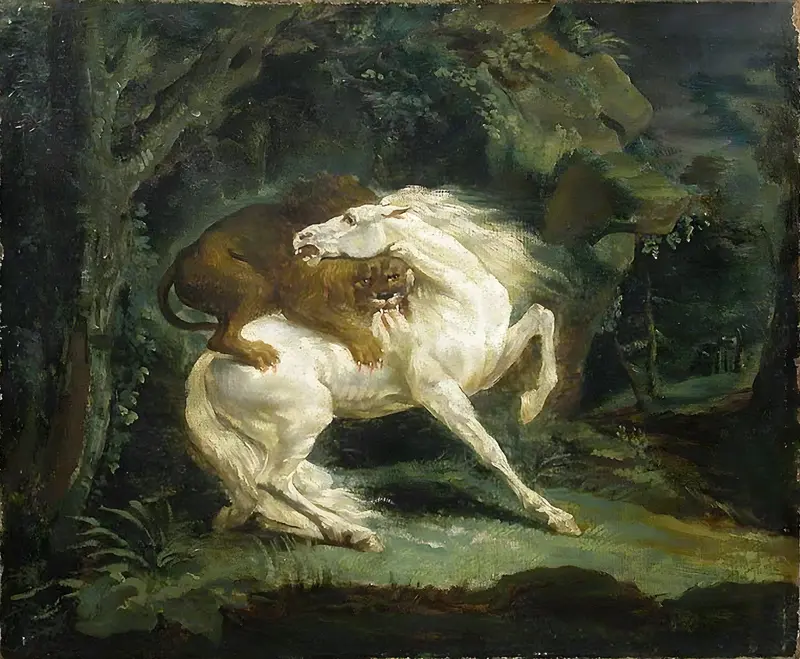
Cheval attaqué par un lion
Théodore Géricault
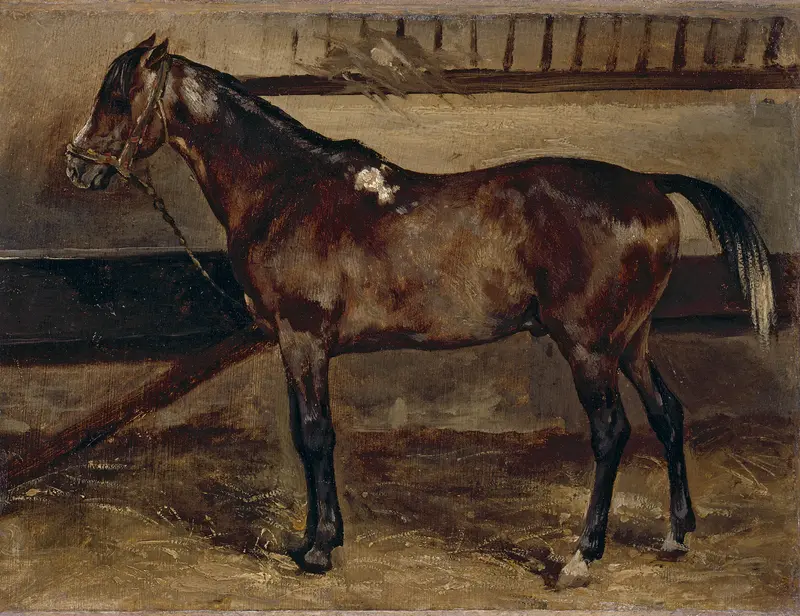
Cheval brun à l'écurie
Théodore Géricault
More Genre Scene Art

Banquet of the Officers of the St George Civic Guard
Frans Hals

Rembrandt and Saskia in the Scene of the Prodigal Son
Rembrandt van Rijn

Bal du moulin de la Galette
Pierre-Auguste Renoir

Quadrille at the Moulin Rouge
Henri de Toulouse-Lautrec

A Burial at Ornans
Gustave Courbet

When Will You Marry?
Paul Gauguin