
Les Saltimbanques — History & Facts
When Les Saltimbanques appeared at the Salon of 1874, Paris was still reeling from the upheavals of the Franco-Prussian War and the Commune. Audiences were struck by the painting’s unflinching gaze at the itinerant performers who haunted the city’s boulevards, and some critics saw in it a mirror of France’s own precariousness. Gustave Doré, already famous as an illustrator, surprised many by turning his attention to the lives of the marginalized, choosing not to idealize but to record with a mixture of empathy and realism.
No fewer than three versions of the saltimbanque theme are known from Doré’s hand, but this 1874 canvas is the most ambitious and haunting. The scene Doré selects is one of weary pause rather than spectacle: a troupe of acrobats and clowns, their costumes faded, gather at the edge of a makeshift stage. A small child, dressed as a harlequin, gazes out with an expression far older than his years, while a heavy-lidded juggler slumps nearby, his props abandoned. The light is cold and gray, pooling around the figures and casting the background into shadow, as if the world beyond their circle is indifferent.
Each object—drums, battered hats, a sagging tent—speaks of hardship, and the performers’ gestures are heavy with fatigue. Unlike the bright, bustling saltimbanques of Pablo Picasso’s later Rose Period, Doré’s troupe is marked by silence and vulnerability, their artistry a fragile defense against poverty. The painting’s subsequent history is less well documented than its reception. It is not clear for whom Doré painted this particular version, though he exhibited it himself and seems to have kept it in his studio for some years.
After Doré’s death in 1883, the work passed through several private collections in France, surfacing occasionally at auction but never straying far from Paris. Today, Les Saltimbanques is recognized as a key moment in Doré’s late career, when he sought to reinvent himself as a painter of modern life rather than a mere illustrator of fantasy. It stands as a rare, moving record of the invisible lives that animated the city in the aftermath of war.
More Artworks by Gustave Doré

The Deluge
Gustave Doré
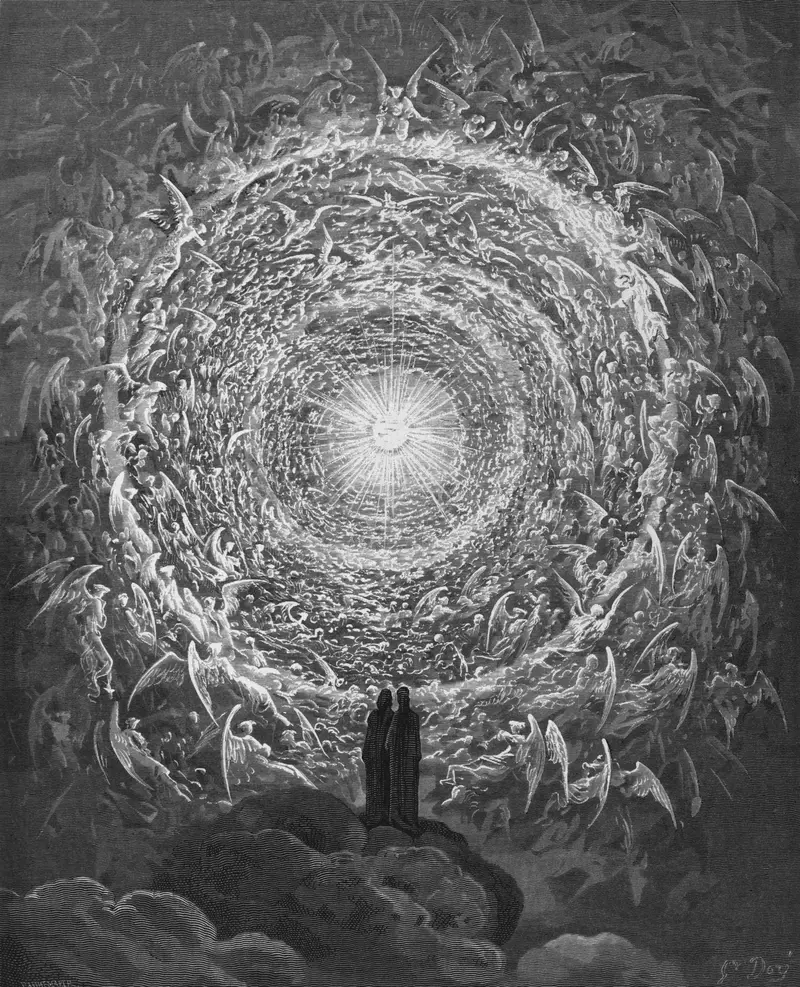
The Empyrean (Paradiso, Canto 31)
Gustave Doré
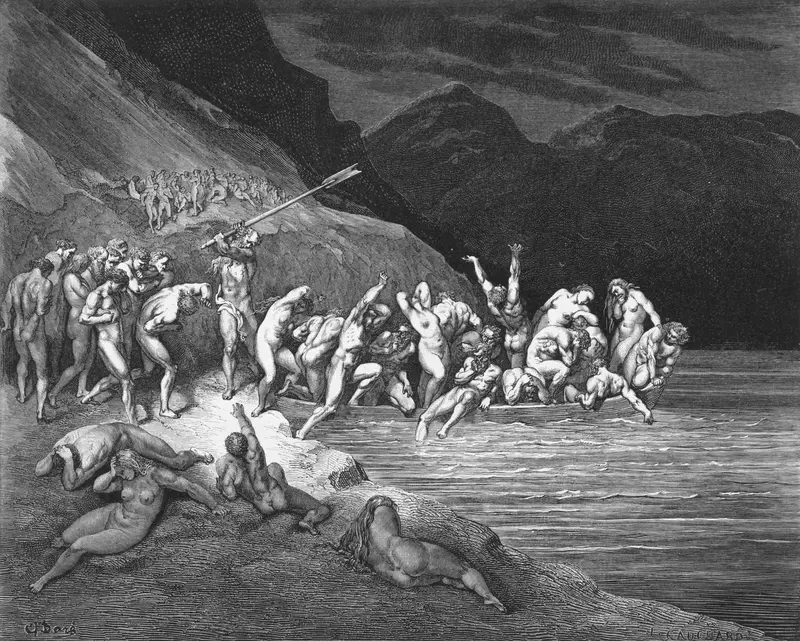
Charon (Inferno, Canto 3)
Gustave Doré
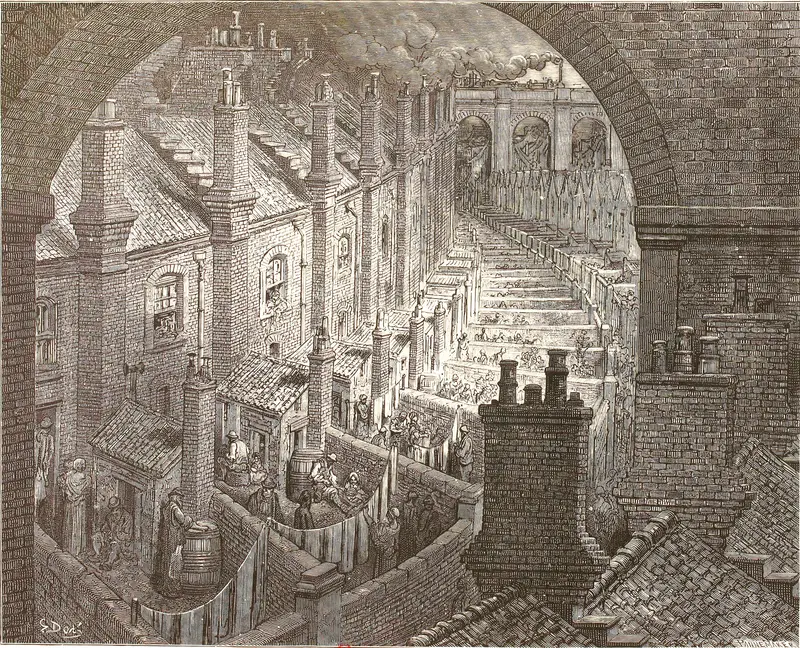
Over London by Rail
Gustave Doré
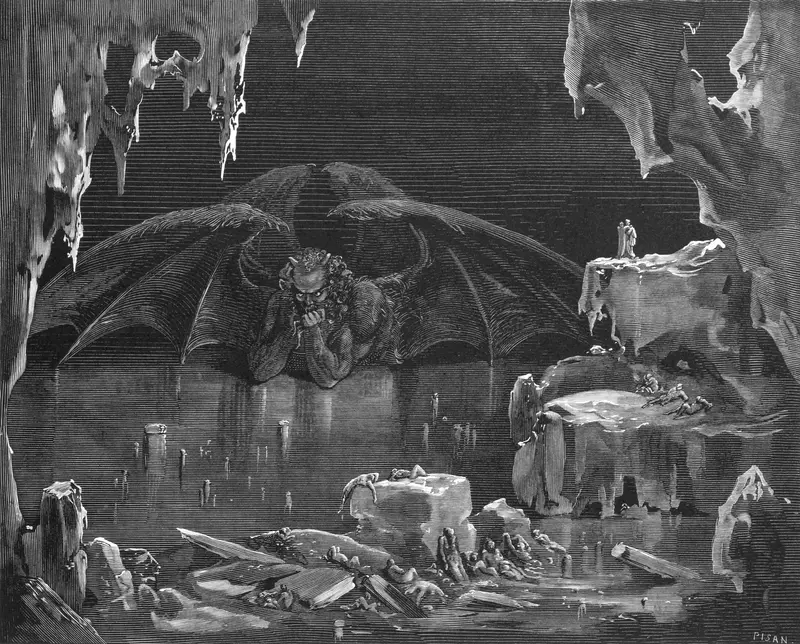
Lucifer, King of Hell
Gustave Doré
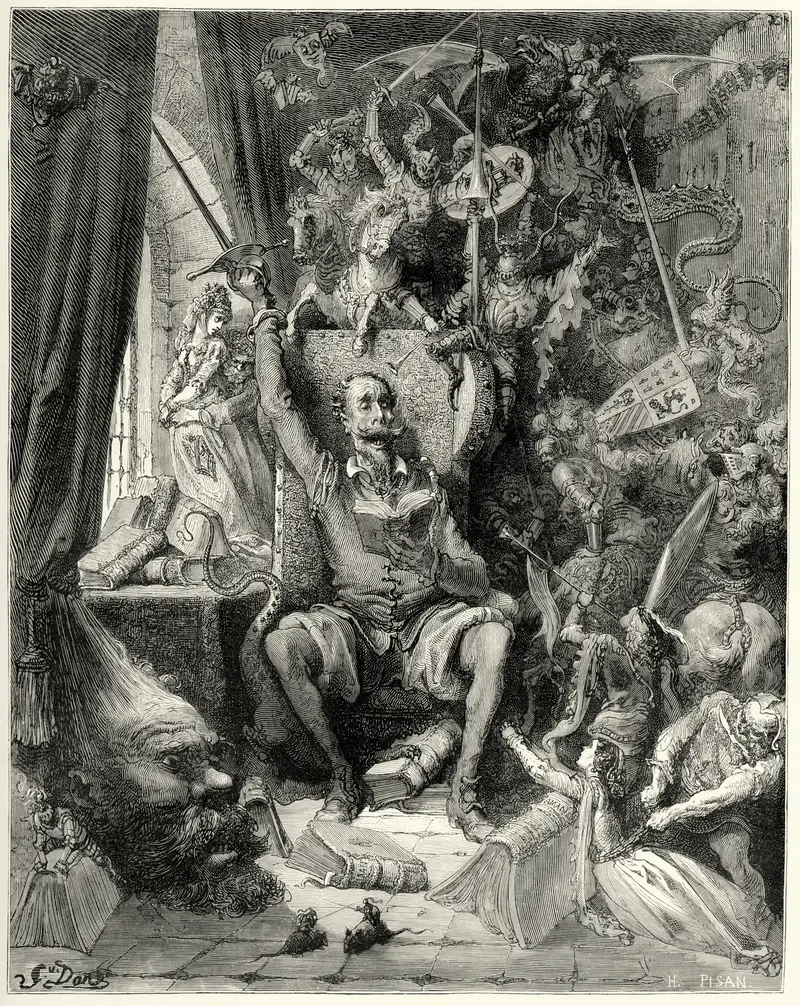
Don Quixote in His Library
Gustave Doré
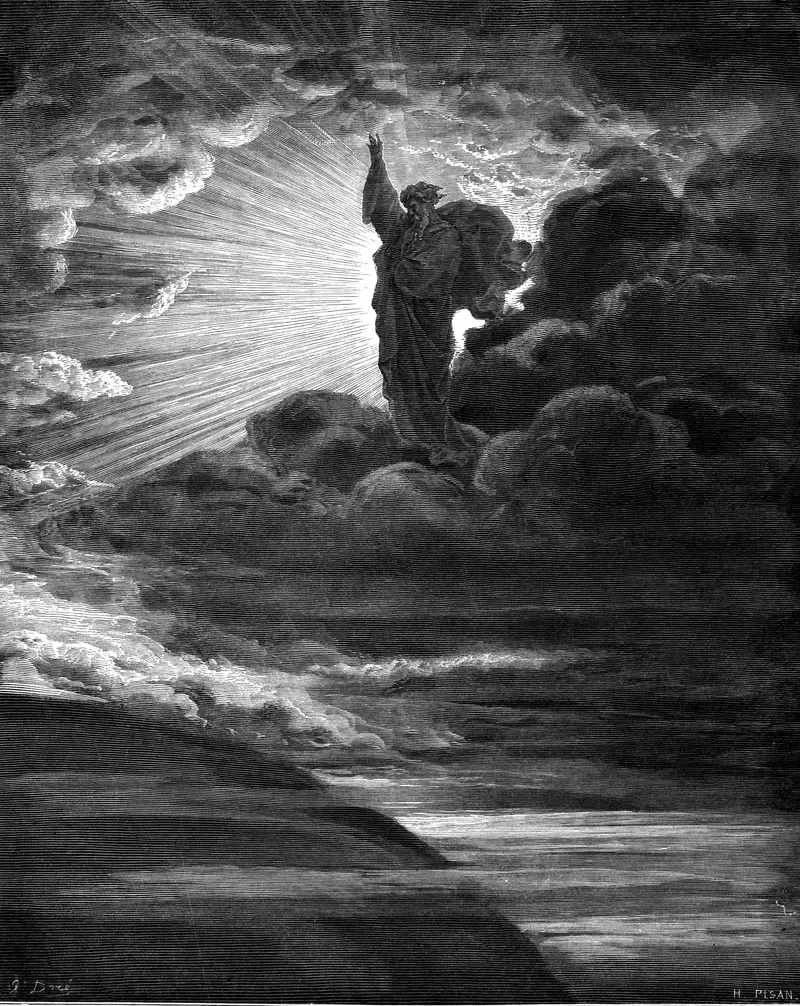
The Creation of Light
Gustave Doré
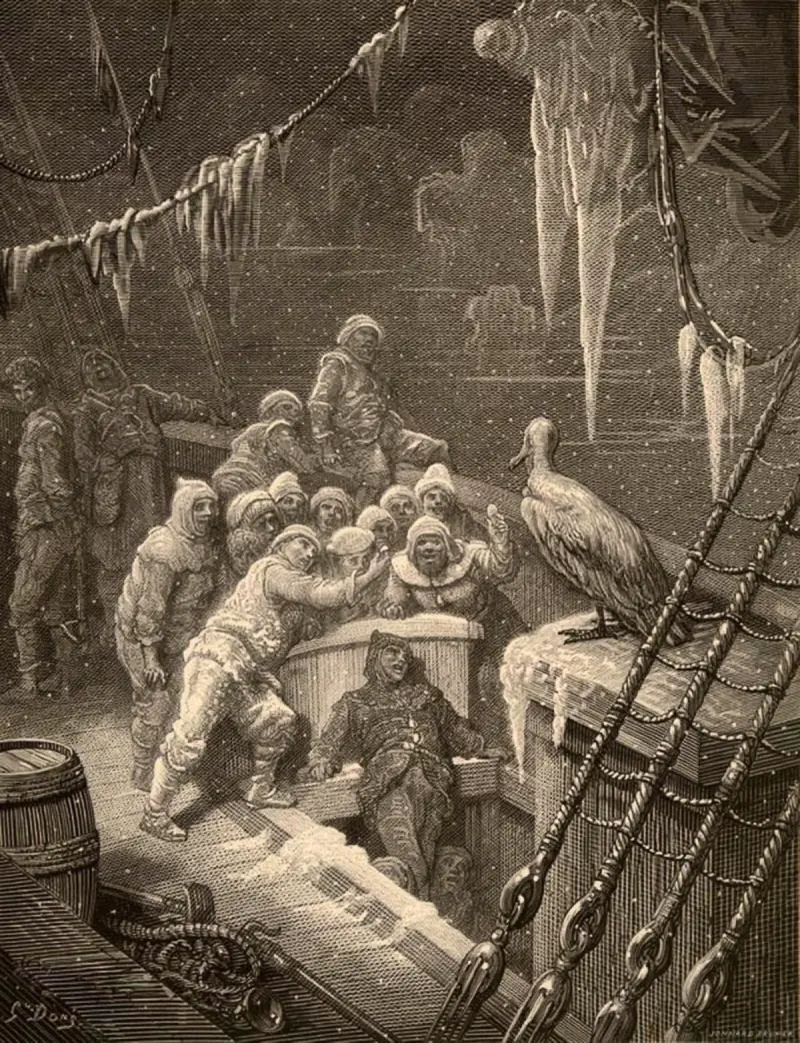
The Albatross (The Rime of the Ancient Mariner)
Gustave Doré
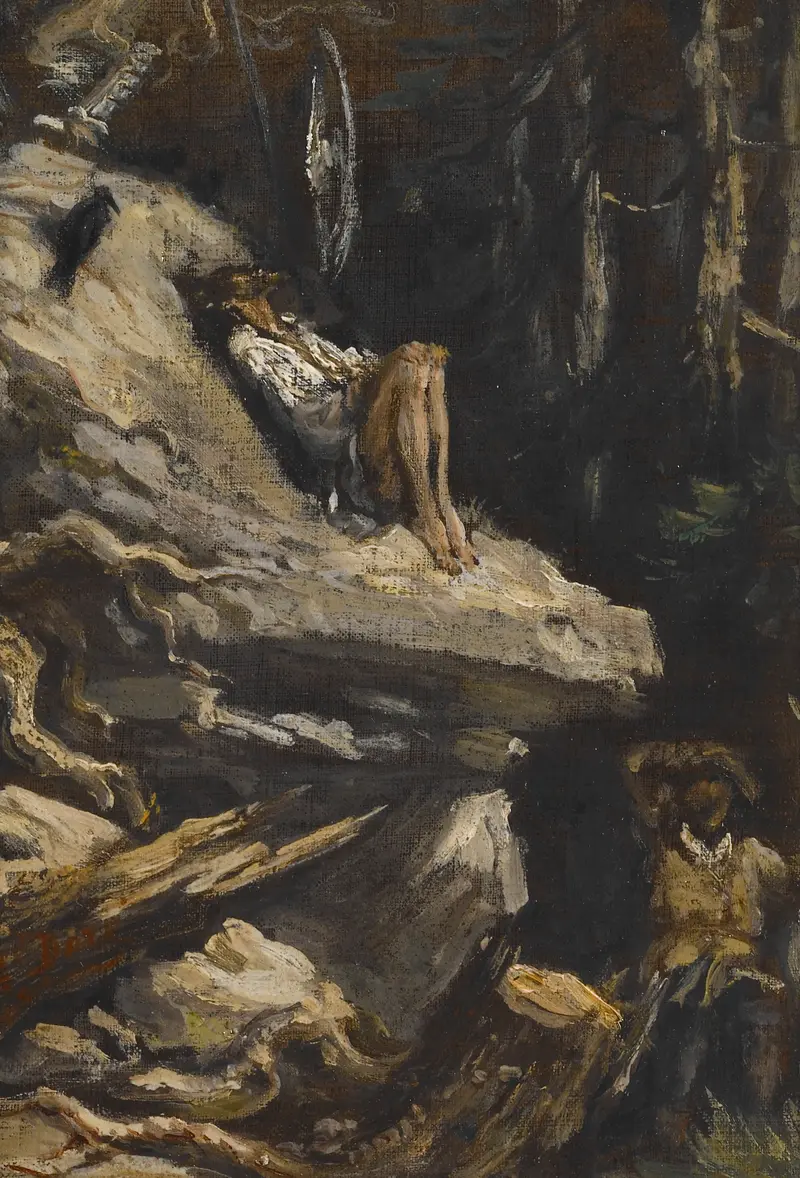
"'Alas!' answered Sancho, 'I found him in his shirt, lean, pale, and almost starved, sighing for his Lady Dulcinea'" from Don Quixote
Gustave Doré
Christ's Entry into Jerusalem
Gustave Doré
More Genre Scene Art

Banquet of the Officers of the St George Civic Guard
Frans Hals

Rembrandt and Saskia in the Scene of the Prodigal Son
Rembrandt van Rijn

Bal du moulin de la Galette
Pierre-Auguste Renoir

Quadrille at the Moulin Rouge
Henri de Toulouse-Lautrec

A Burial at Ornans
Gustave Courbet

When Will You Marry?
Paul Gauguin