
Love as Folly — History & Facts
When Love as Folly was first exhibited, it was part of a playful and daring series by Jean-Honoré Fragonard, each work personifying Love in a different guise. Commissioned in the early 1770s by the wealthy financier Jean-François Bergeret de Grandcourt for his Parisian hôtel particulier, the series was intended to decorate a private boudoir—a setting as intimate and mischievous as the paintings themselves. The cycle, which included Love the Sentinel and Love the Jester, was never completed, and the panels were dispersed soon after the French Revolution, their whereabouts a mystery for decades. Here, Fragonard captures Cupid not as the classical god but as a masked trickster, perched atop a crumbling pedestal, his bow and quiver slung carelessly at his side.
The god of love is disguised in a jester’s cap, his eyes peeking out with a conspiratorial glint, inviting the viewer into the joke. The lush, swirling brushwork and soft Rococo palette draw the eye to Cupid’s exposed, vulnerable form, while the mask and cap hint at the folly and deception inherent in love. The painting’s mood is lighter and more teasing than, for example, Boucher’s more sentimental depictions of Cupid; Fragonard delights in the comedy and chaos of desire rather than its innocence or purity. The precise provenance of Love as Folly remains uncertain, as with many works by Fragonard from this period.
After its initial display in Bergeret’s home, the painting was likely separated from its companion pieces during the upheavals of the late 18th century, passing through private collections and occasional auctions. Its attribution to Fragonard has never been seriously challenged, thanks to the unmistakable energy of the brushwork and the playful wit so characteristic of his mature style. Today, it stands as a testament to the artist’s ability to blend humor, sensuality, and technical brilliance in the waning days of the Rococo movement.
More Artworks by Jean-Honoré Fragonard
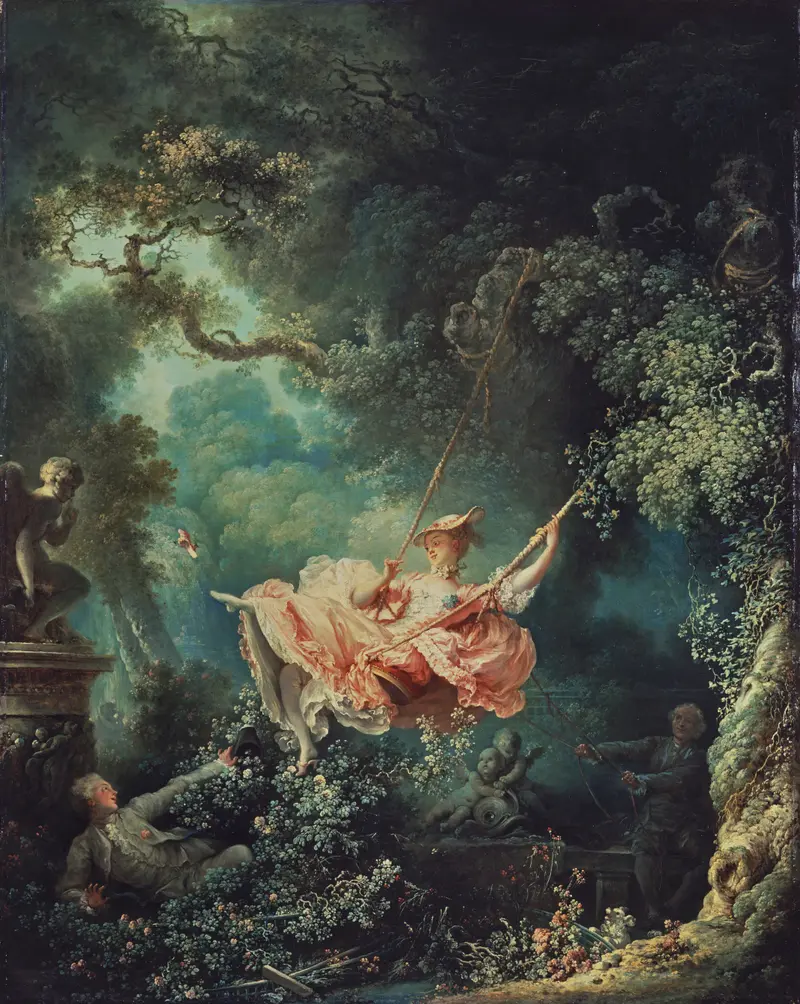
The Swing
Jean-Honoré Fragonard

The Swing
Jean-Honoré Fragonard
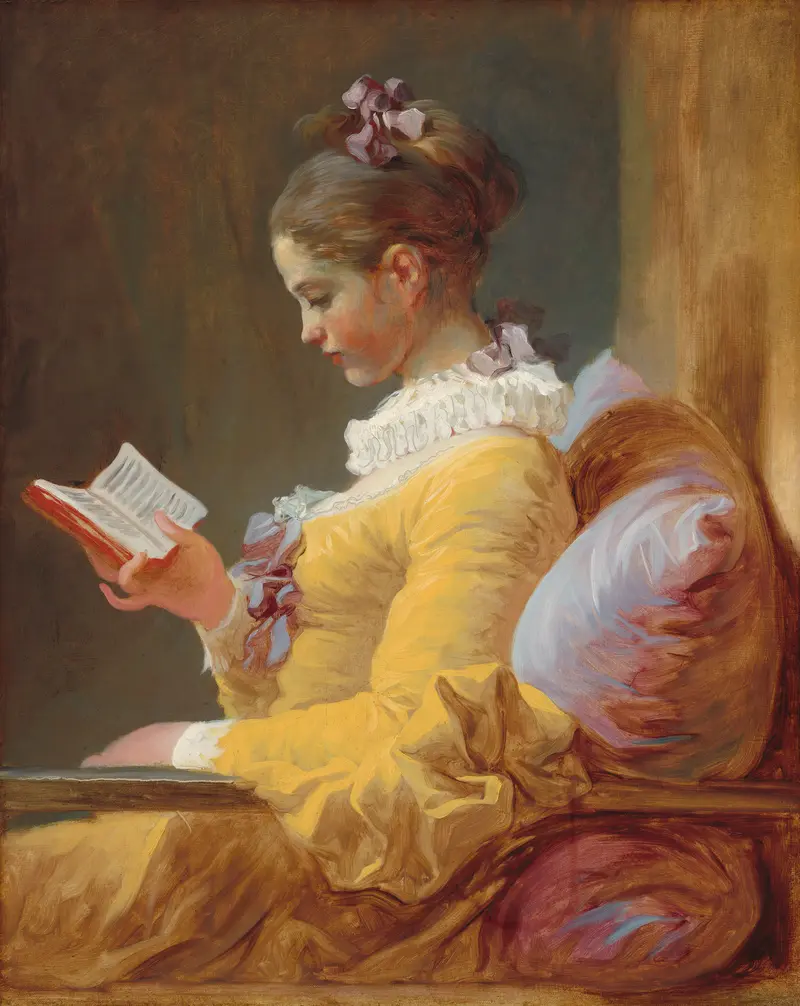
A Young Girl Reading
Jean-Honoré Fragonard
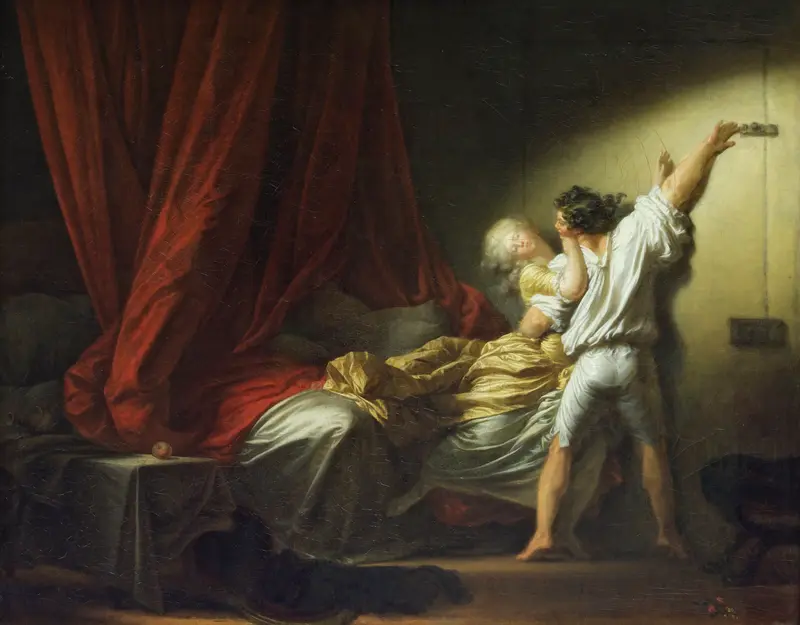
The Lock
Jean-Honoré Fragonard
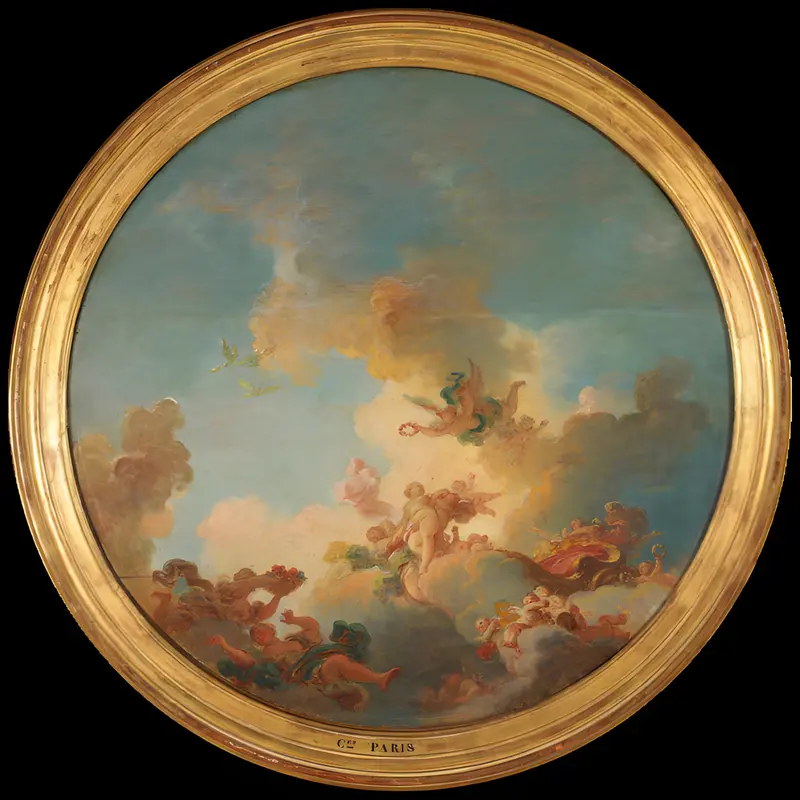
The Triumph of Venus
Jean-Honoré Fragonard
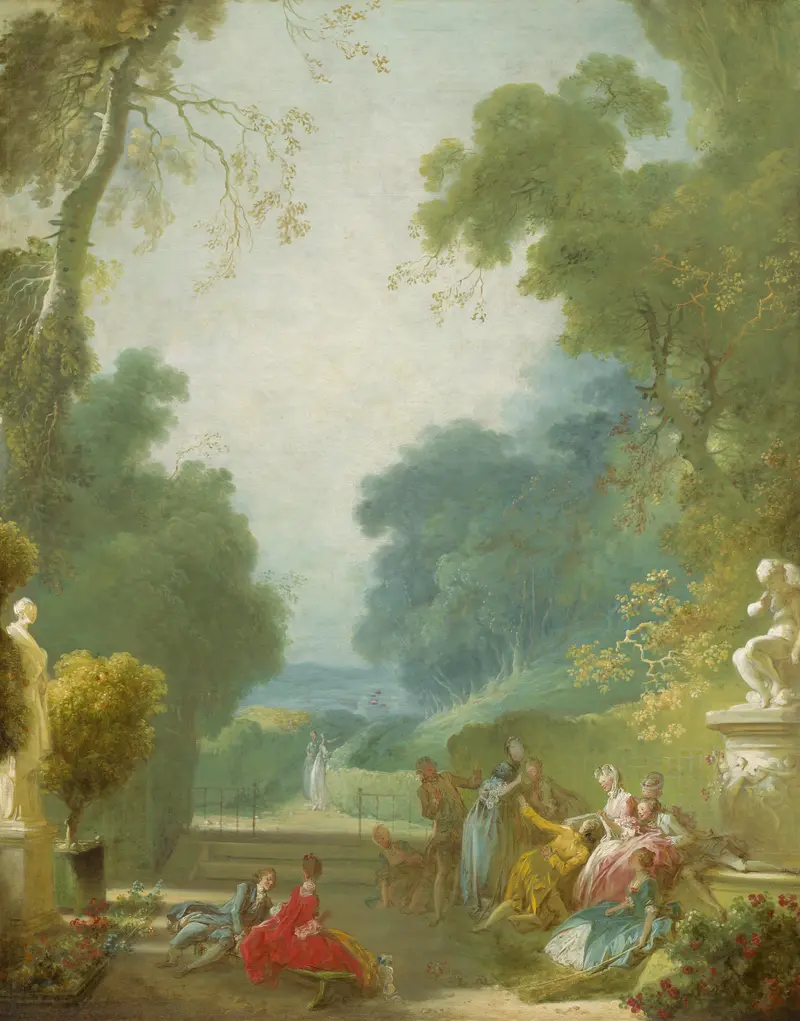
A Game of Hot Cockles
Jean-Honoré Fragonard
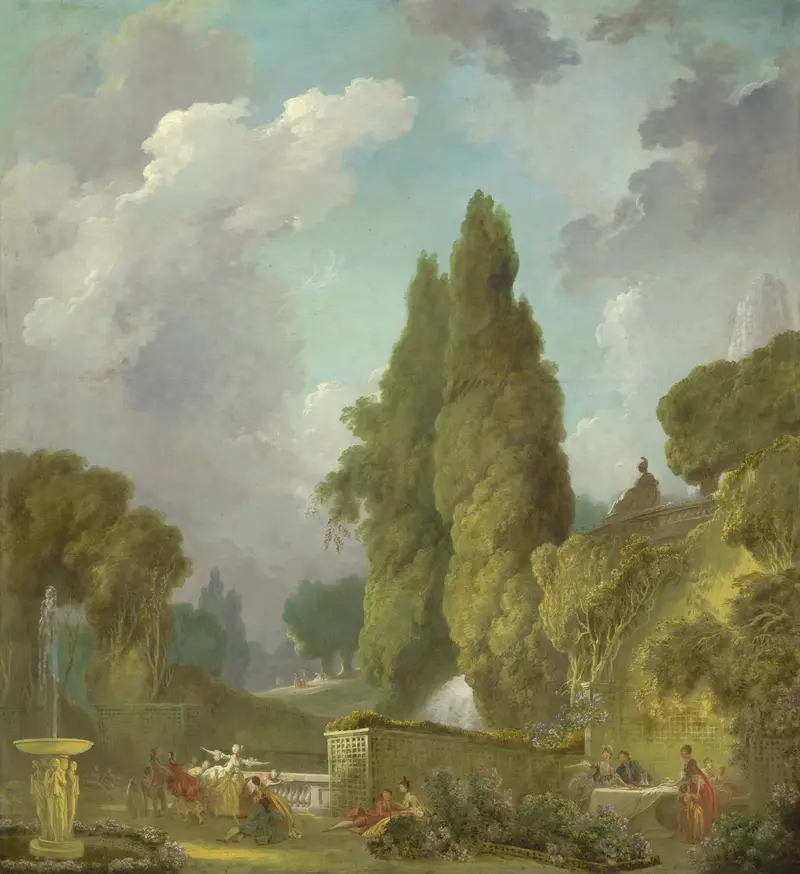
Blindman’s Buff
Jean-Honoré Fragonard
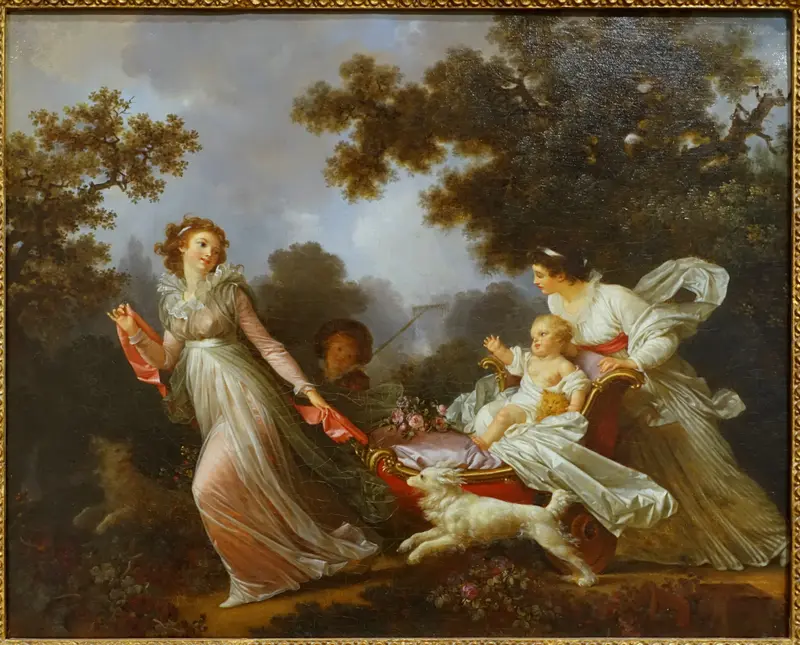
The Beloved Child
Jean-Honoré Fragonard
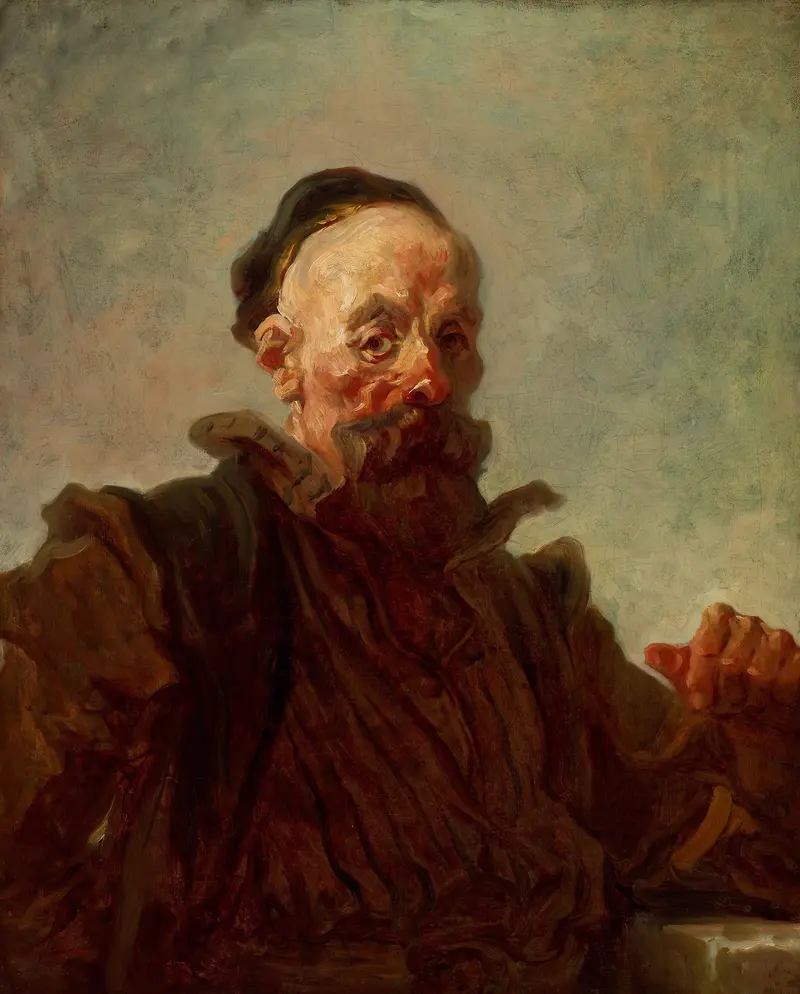
Portrait of a Man in Costume
Jean-Honoré Fragonard
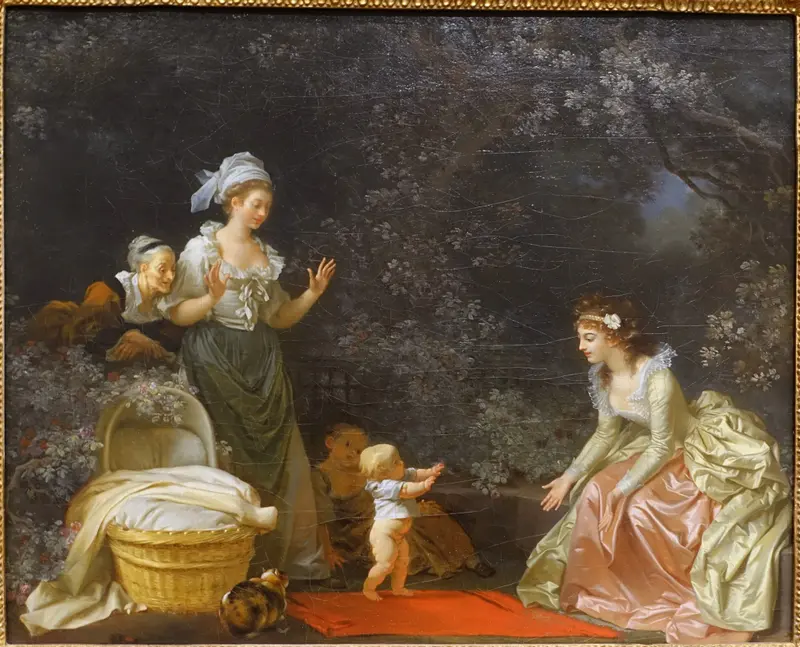
The First Steps
Jean-Honoré Fragonard





