
Madame Bergeret de Frouville as Diana — History & Facts
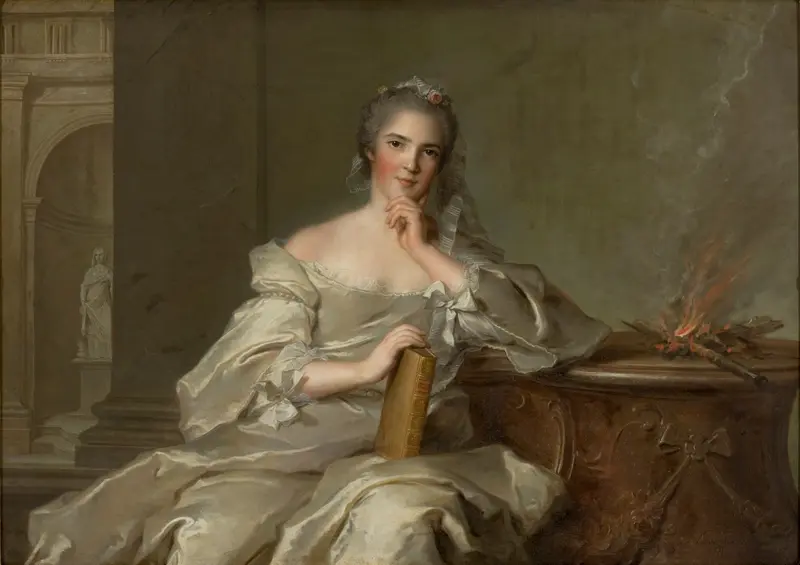
The first thing to catch the eye is the sitter’s transformation: a woman of eighteenth-century France, poised and powdered, yet costumed as Diana, goddess of the hunt. The leopard skin draped across her shoulders is no mere accessory—it signals her mythological role, while the golden bow and quiver of arrows in her hands complete the illusion. Notice how her gaze is alert but serene, as if she has paused mid-hunt, her attention caught by something just beyond our sight.
The painter’s light falls directly on her face and arms, drawing us into her world of artifice and play, while the lush, green background and curling red drapery create a stage for this masquerade. Portraits like this, painted in 1756 by Jean-Marc Nattier, were not simply records of appearance but declarations of identity and fantasy. In the France of Louis XV, fashionable women commissioned portraits that blended their own likenesses with allegorical or mythological personae, a practice that allowed them to claim wit, virtue, or power through the language of ancient myth. The sitter here, now identified as Elisabeth Marguerite Thérèse de La Haye des Fossés, became Madame Bergeret de Frouville in 1749, and her choice of Diana suggests both chastity and independence—qualities admired in the goddess and, perhaps, aspired to by the sitter herself.
History has kept few traces of her life, but in this painting, her presence is immediate and commanding, inviting us to linger and imagine the world she inhabited.
More Artworks by Jean-Marc Nattier

Madame Crozat de Thiers and Her Daughter
Jean-Marc Nattier
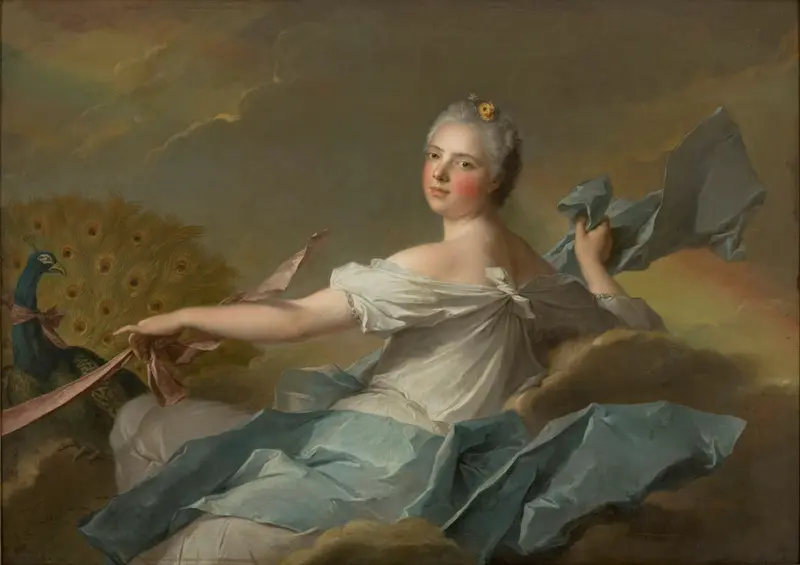
Princess Marie Adélaïde of France - The Air
Jean-Marc Nattier
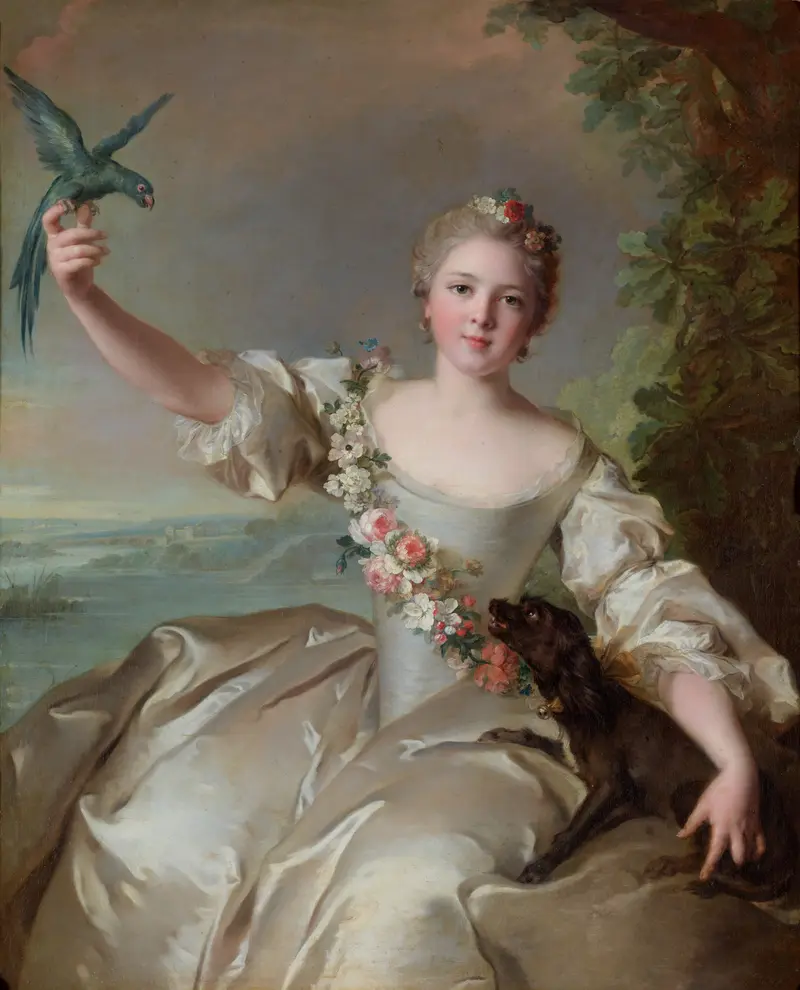
Portrait de Mathilde de Canisy, marquise d'Antin
Jean-Marc Nattier
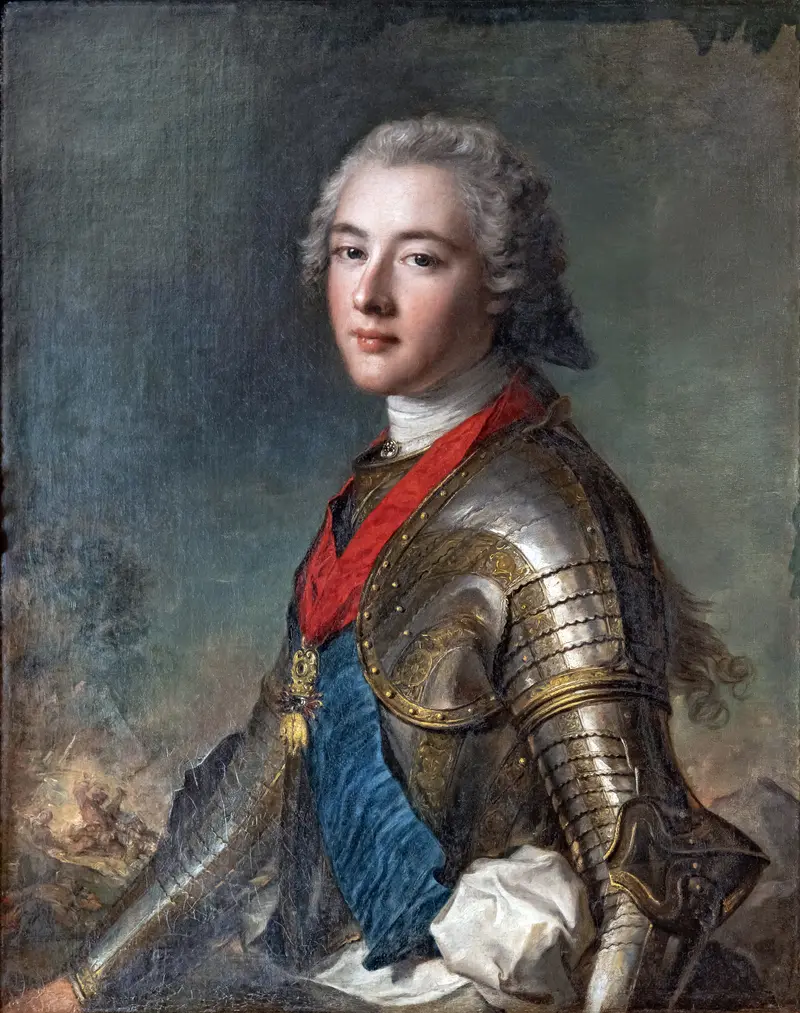
Bemberg Fondation Toulouse - Portrait de Louis Jean Marie de Bourbon, Duc de Penthièvre - Jean Marc Nattier inv.1158 82x65.4
Jean-Marc Nattier
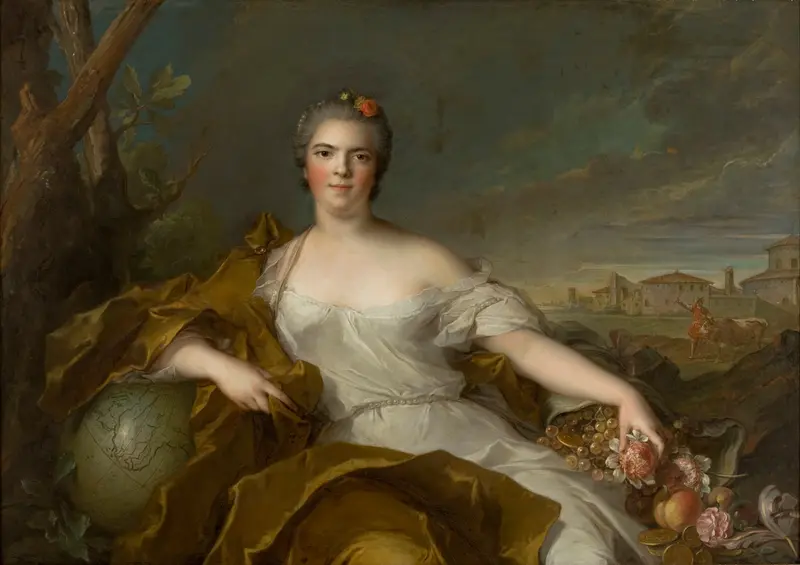
Princess Louise-Élisabeth of France - The Earth
Jean-Marc Nattier
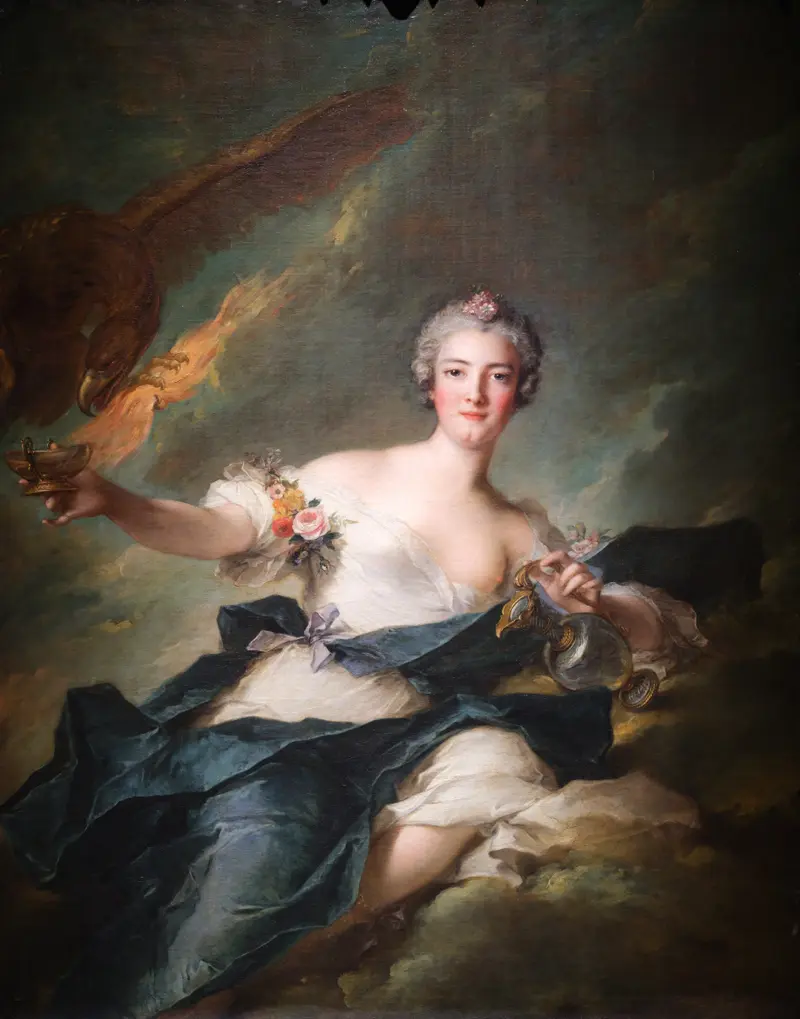
The Duchess of Chaulnes Represented as Hebe
Jean-Marc Nattier
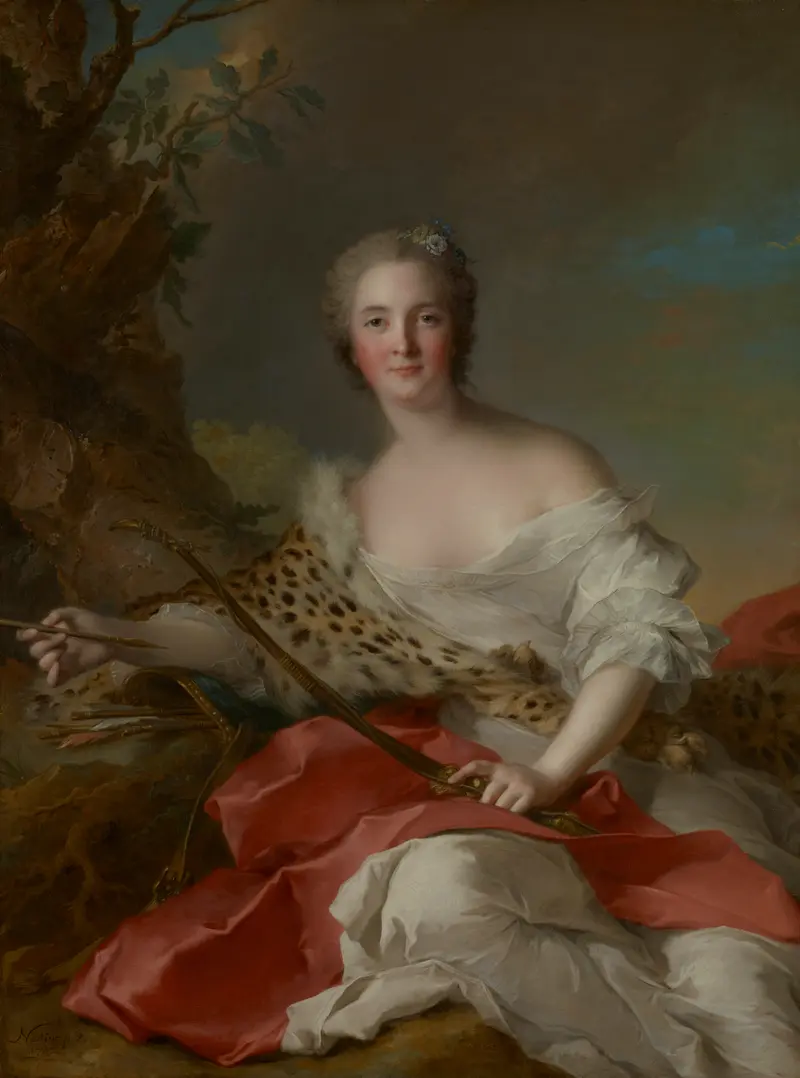
Portrait of Madame Bonnier de la Mosson as Diana (Constance-Gabrielle-Magdeleine du Monciel de Lauraille
Jean-Marc Nattier
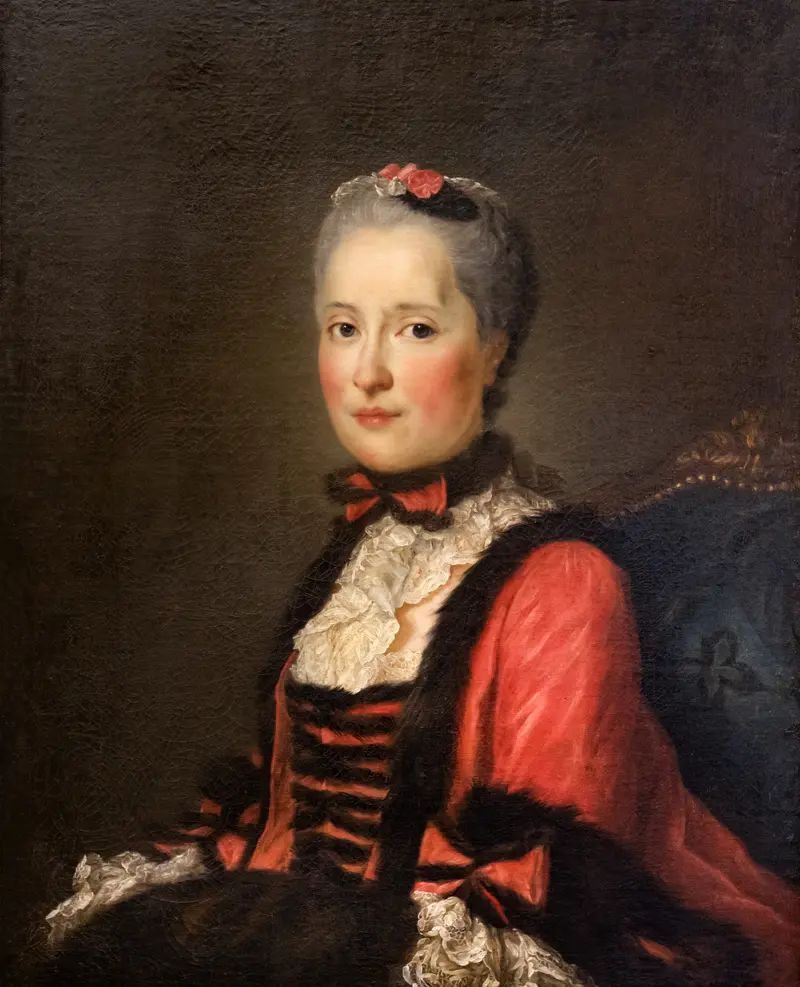
Portrait of Marie-Josephe of Saxony, Dauphine of France
Jean-Marc Nattier
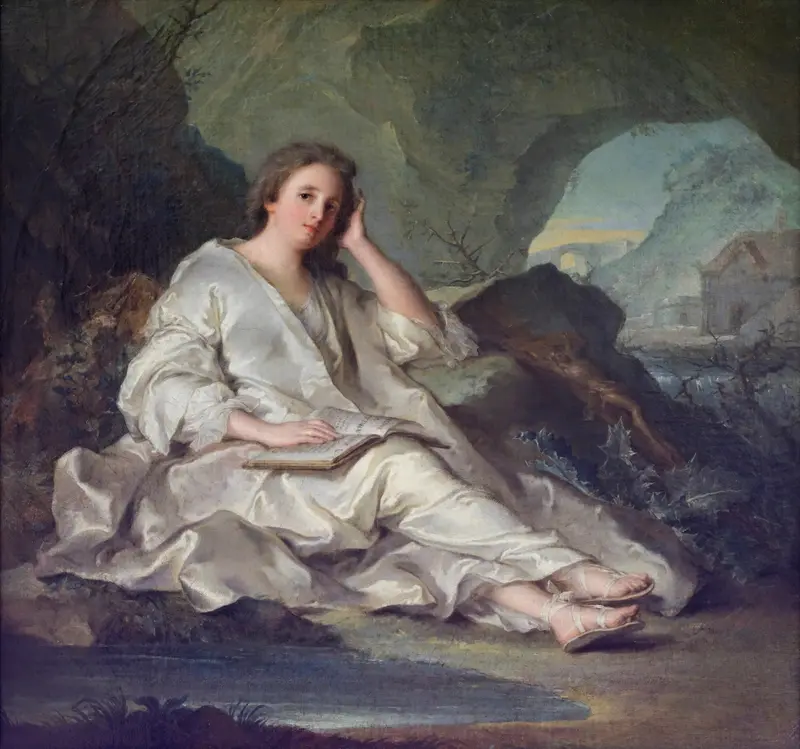
La Madeleine, ou Une Pénitente dans le désert Musée du Louvre Peintures INV 6880 ; MR
Jean-Marc Nattier
Princess Anne-Henriette of France - The Fire
Jean-Marc Nattier





