
Madonna of the Rose — History & Facts
No other painting by Raphael has sparked as much debate over its authorship and alterations as Madonna of the Rose. For centuries, scholars have puzzled over whether the delicate rose in the Virgin’s hand was part of the original composition or a later addition, possibly by another hand. Some even suggest that the famed Spanish painter Murillo may have retouched the canvas in the 17th century, adding the rose and the background landscape.
The painting’s mysterious evolution has made it a touchstone for discussions about restoration, authenticity, and the ways in which great works are shaped by the centuries. At the heart of the scene, the Virgin Mary sits serenely, cradling the Christ Child on her lap. The infant John the Baptist, identifiable by his reed cross and camel-hair tunic, kneels in adoration, while the Christ Child reaches toward him in a gesture of blessing. The rose, held delicately in Mary’s right hand, is more than a botanical detail: it symbolizes her purity and the unfolding mystery of Christ’s future Passion.
The gentle play of light across the figures, the soft modeling of flesh, and the intimate, pyramidal grouping echo Raphael’s earlier treatments of the Madonna theme, such as in his Madonna della Seggiola, but here the mood is quieter, the symbolism more overt. Commissioned during the last years of Raphael’s life, Madonna of the Rose is believed to have been painted around 1517, though the exact patron remains uncertain. The work’s journey from Italy to Spain is not fully documented, but it entered the Spanish royal collection by the 17th century and has since been housed in the Museo del Prado. Over the years, technical examinations and restoration efforts have revealed pentimenti and possible interventions by later artists, fueling ongoing debates about the painting’s authorship and original appearance.
Today, it stands as a testament to Raphael’s enduring influence and the layered history of Renaissance masterpieces.
More Artworks by Raphael

Madonna of the Goldfinch
Raphael

Madonna with the Fish
Raphael
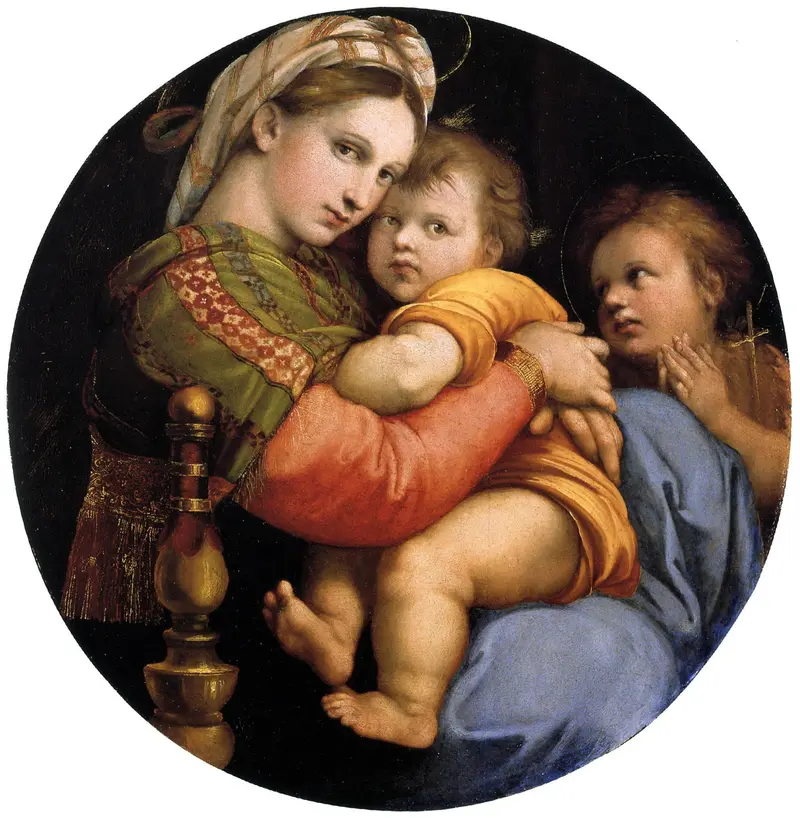
Madonna and Child (Madonna della Seggiola)
Raphael
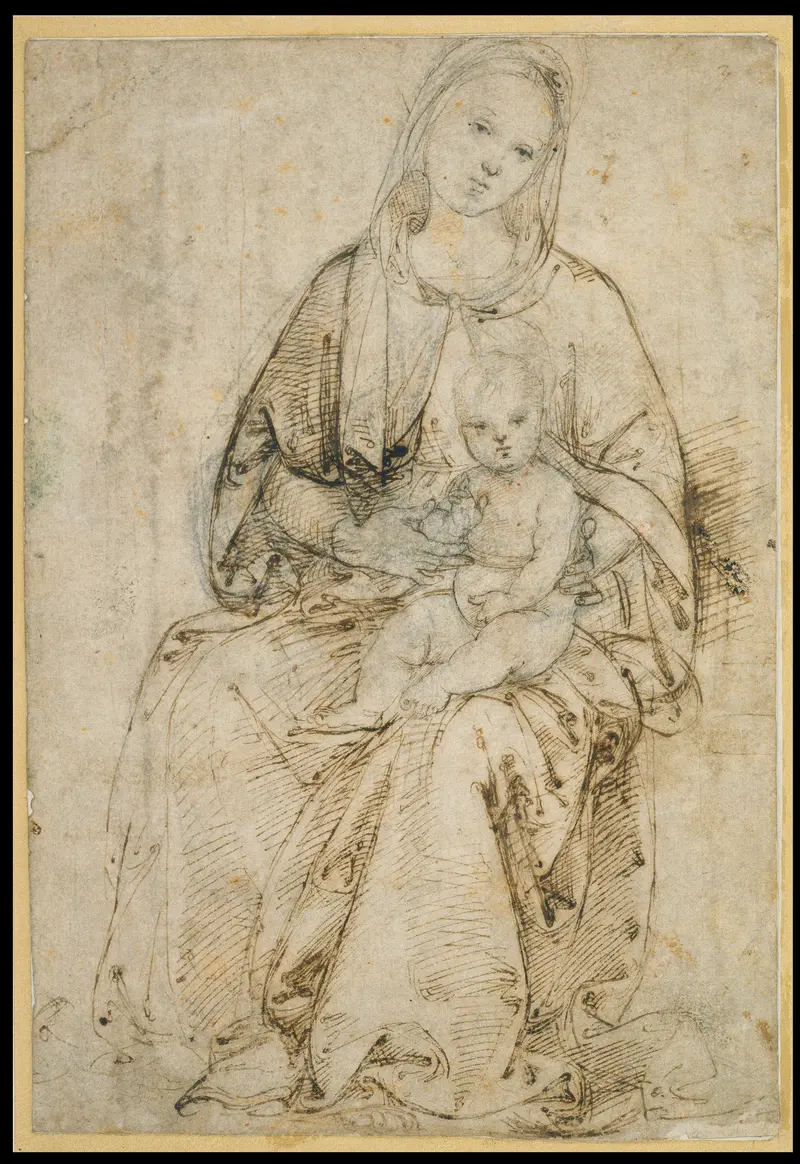
Seated Madonna and Child
Raphael
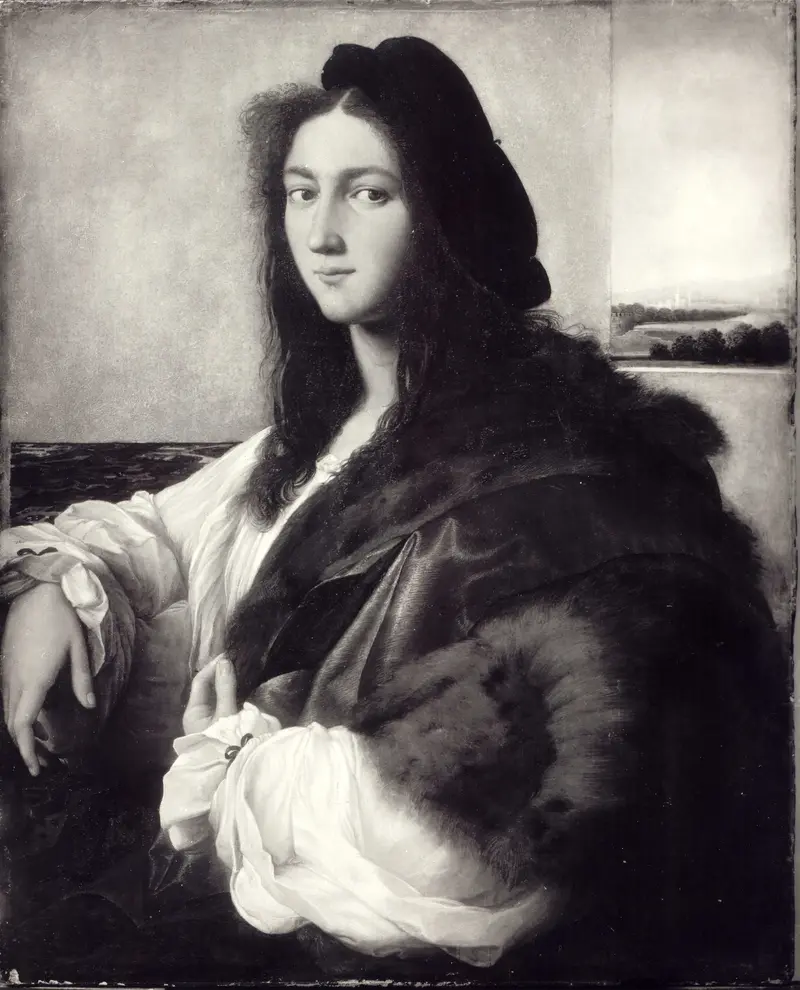
Portrait of a Young Man
Raphael
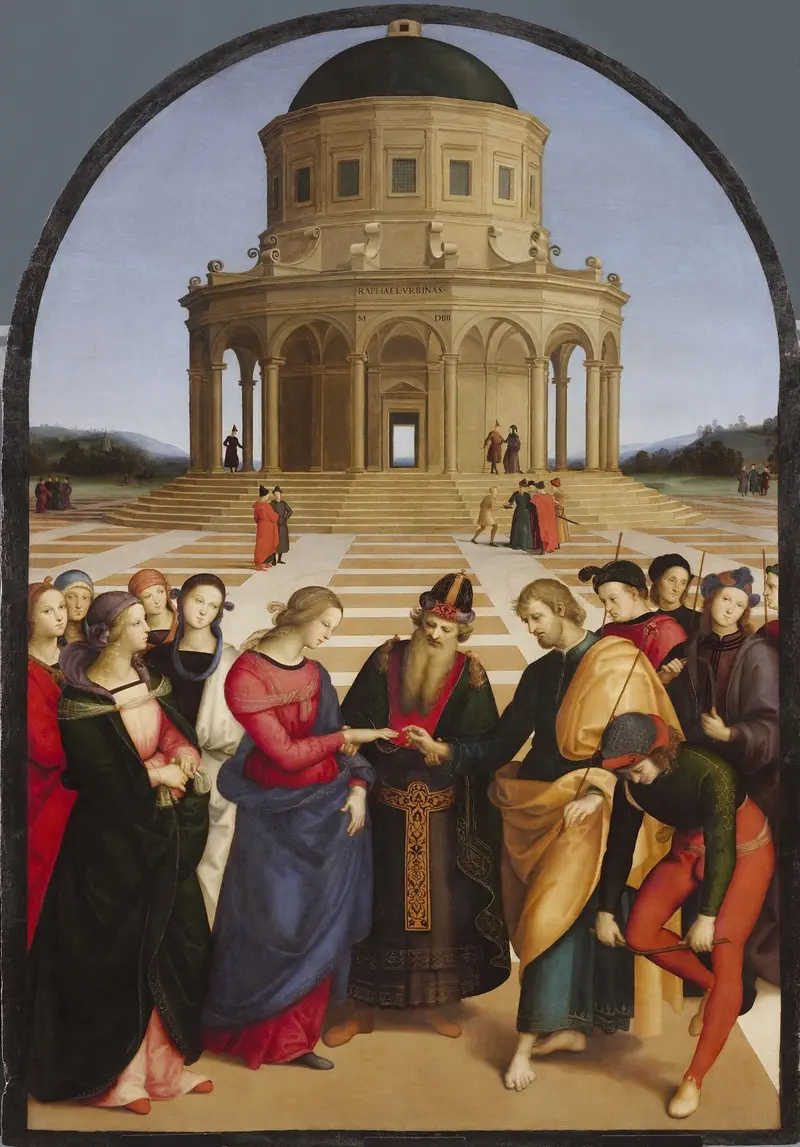
The Marriage of the Virgin
Raphael
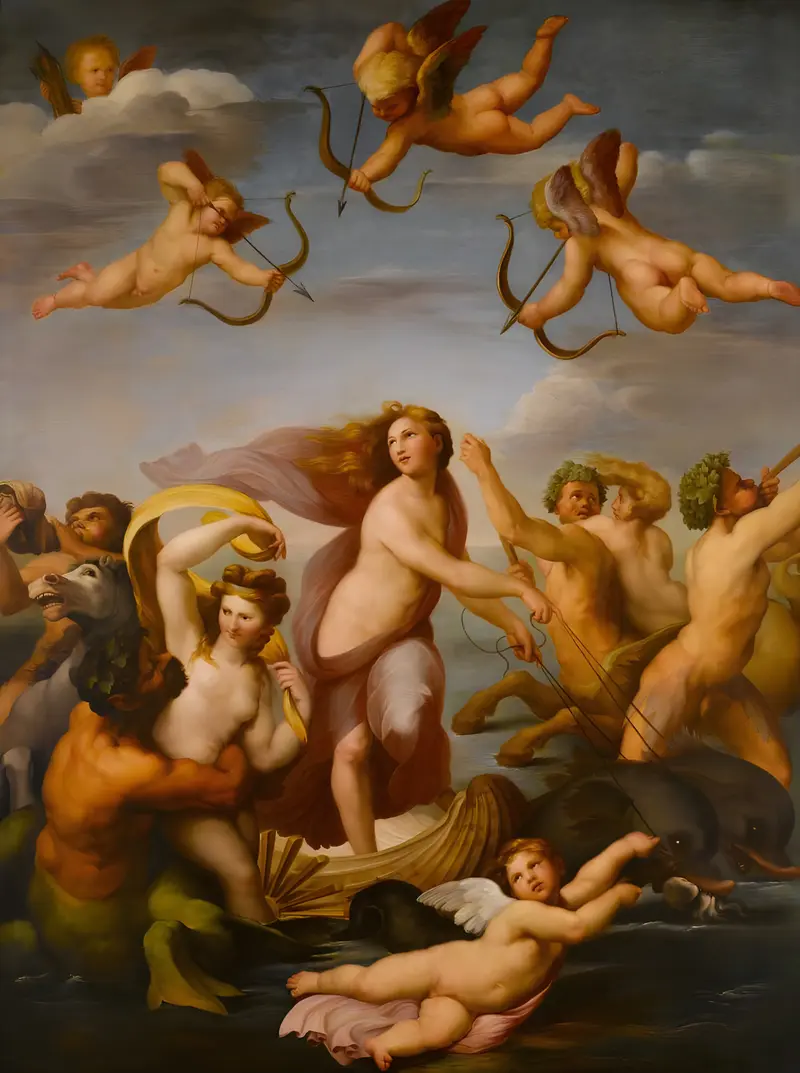
The Triumph of Galatea (copy after Raphael)
Raphael
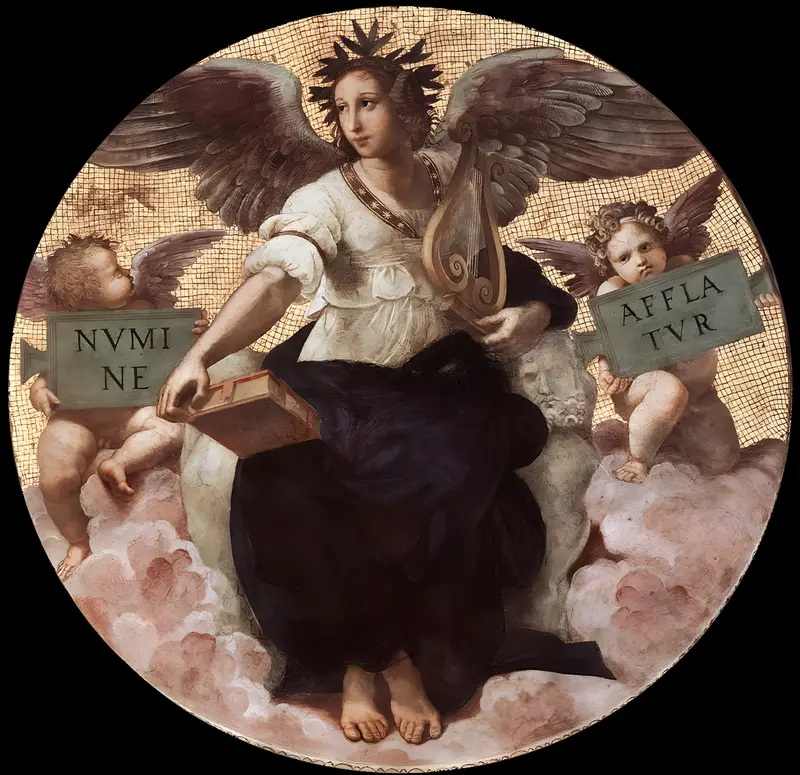
Poetry
Raphael
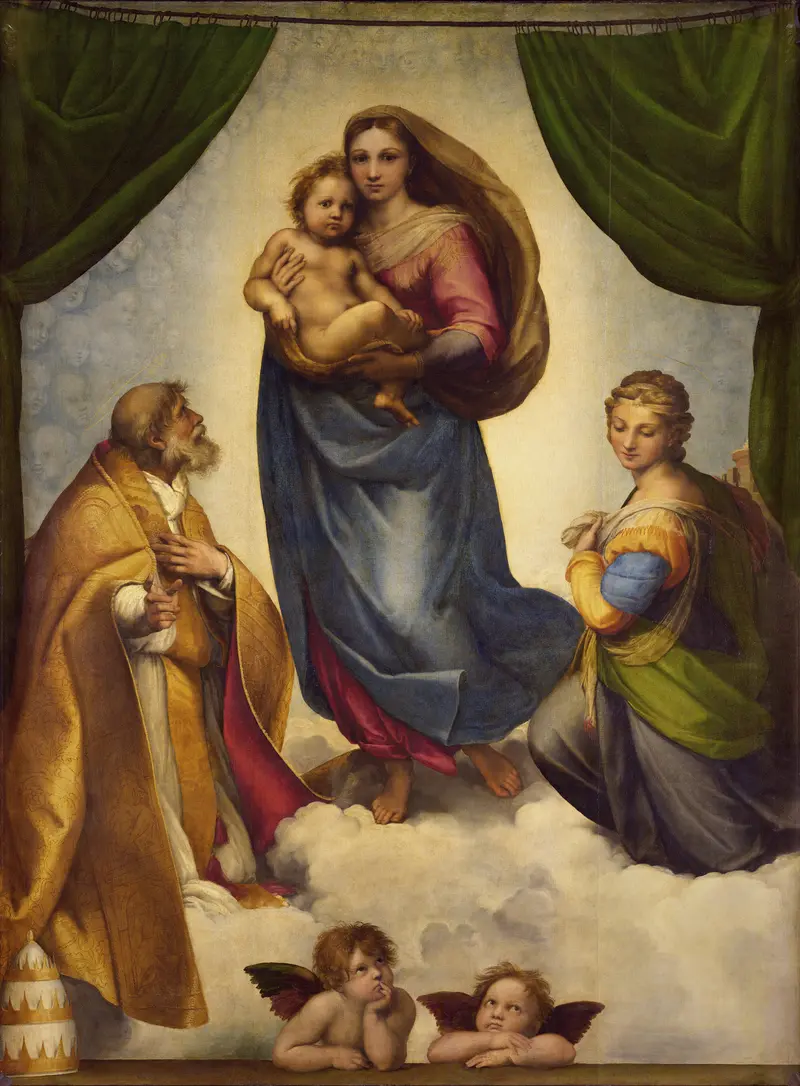
Sistine Madonna
Raphael
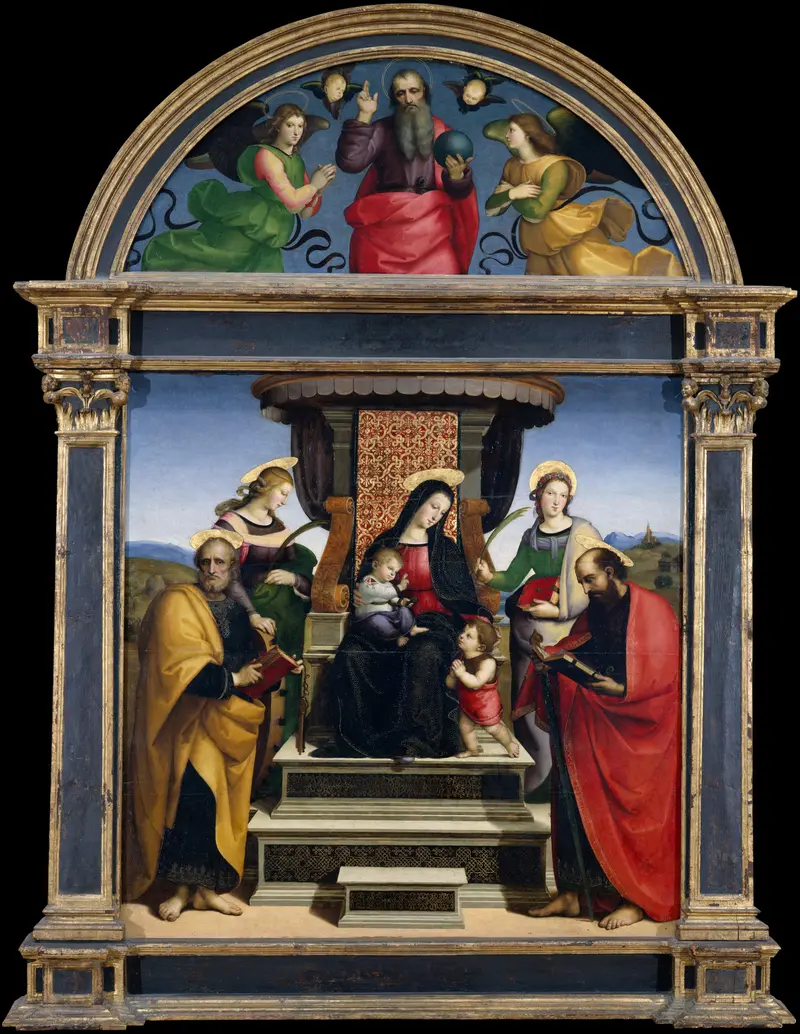
Madonna and Child Enthroned with Saints
Raphael




