
Mother and two children - — History & Facts
In 1901, Mary Cassatt was already celebrated as the only American to exhibit with the French Impressionists, yet her focus had shifted almost entirely to the intimate world of mothers and children. Mother and two children - stands out among her late works for its rare depiction of not one, but two children, a composition she explored only a handful of times. The painting’s uncertain medium—possibly oil, pastel, or a combination—adds to its intrigue, as Cassatt was known for her technical experiments during this period.
Scholars note that this work marks a moment when Cassatt was grappling with failing eyesight, making her continued exploration of maternal themes all the more remarkable. Here, the scene captures a mother, seated and calm, holding her two young children close. The older child leans in, their small hand resting on the mother's arm, while the infant nestles securely in her lap. The mother’s gaze, directed downward, is both protective and absorbed, creating a private world within the frame.
The soft, loose brushwork—hallmarks of Impressionism—blurs the boundaries between figures and background, emphasizing emotional connection over physical detail. Unlike Renoir’s more decorative mother-and-child scenes, Cassatt focuses on the quiet strength of maternal care, using light to draw the viewer’s eye to the tender triangle formed by the three heads. The exact provenance of Mother and two children - remains unclear, as with many of Cassatt’s works from this period, which were often sold directly to American collectors or exhibited in Parisian salons. Today, the painting is held in a private collection, rarely seen by the public, and its medium continues to prompt debate among curators.
In the broader arc of Cassatt’s career, this painting exemplifies her dedication to the theme of motherhood, a subject she returned to repeatedly after 1890. It stands as a testament to her ability to blend French Impressionist technique with a distinctly American sensitivity to domestic life.
More Artworks by Mary Cassatt

The Child's Bath
Mary Cassatt
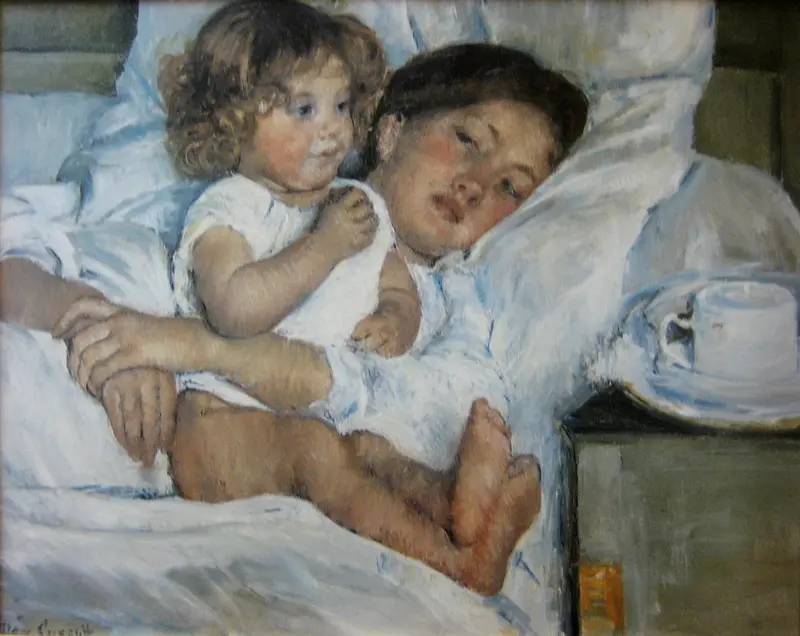
Breakfast in Bed
Mary Cassatt

Mother and Child (Baby Getting Up from His Nap)
Mary Cassatt
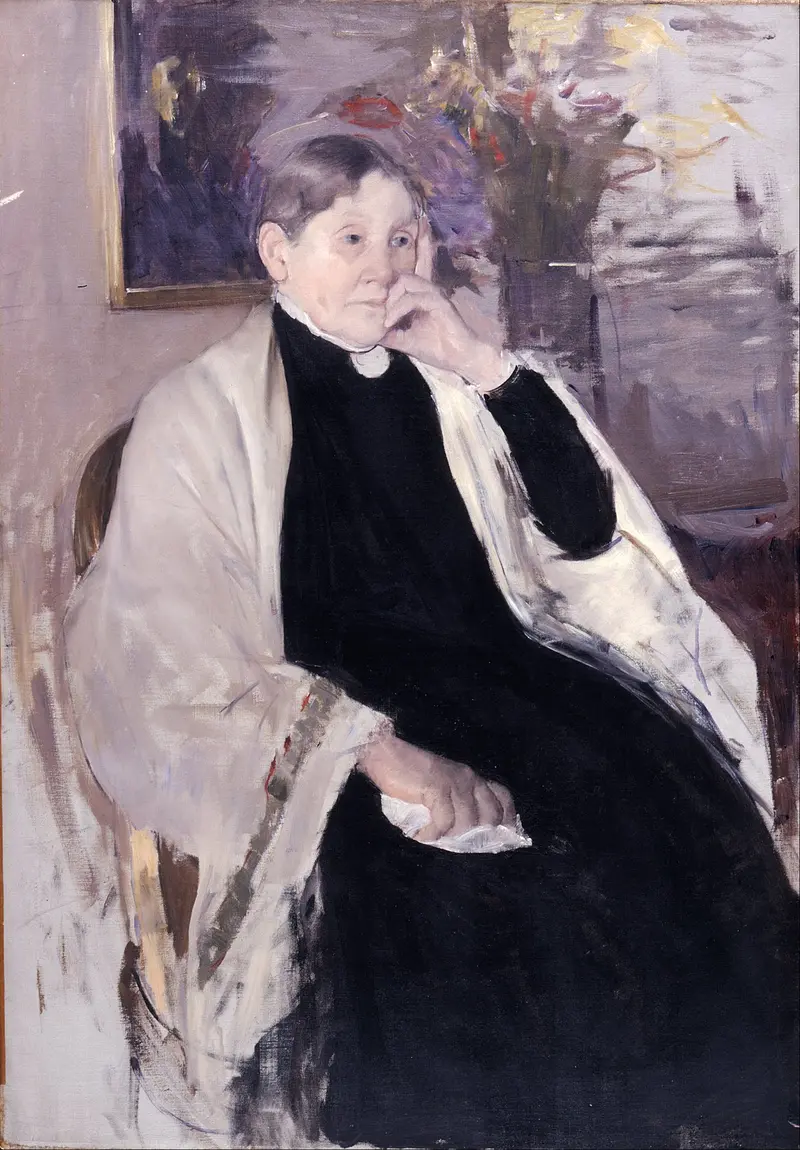
Mrs. Robert S. Cassatt, the Artist's Mother
Mary Cassatt
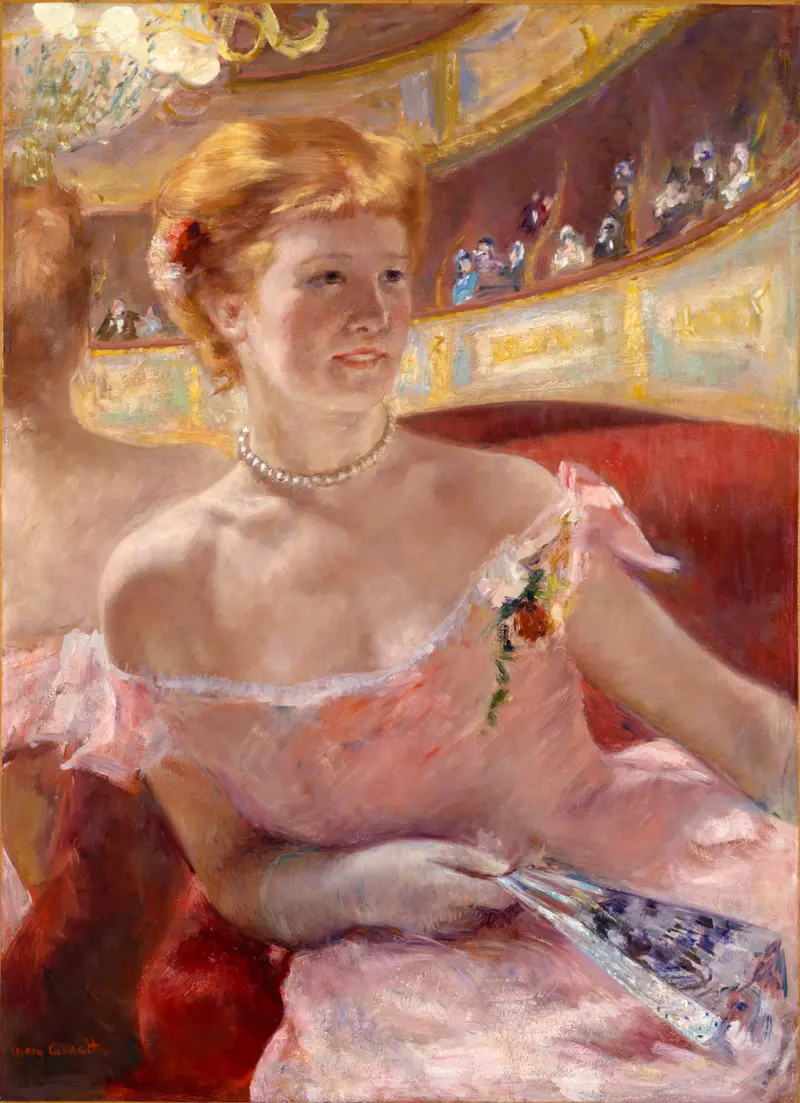
Woman with a Pearl Necklace in a Loge
Mary Cassatt
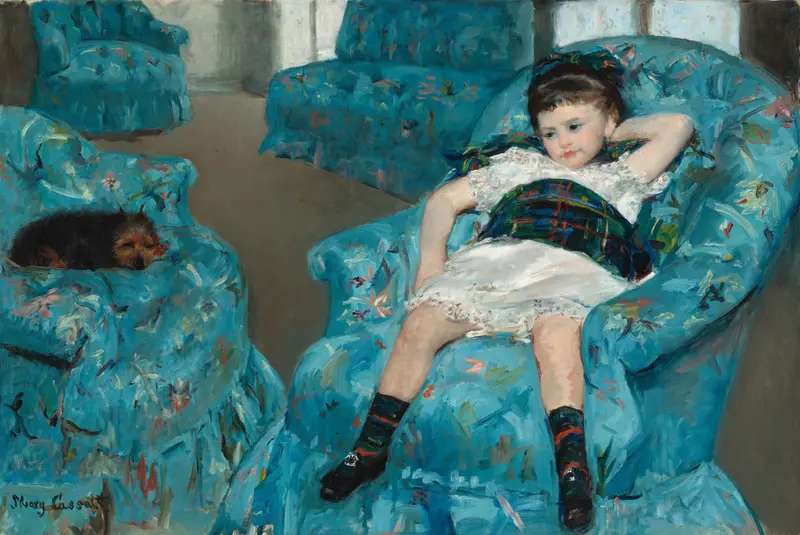
Little Girl in a Blue Armchair
Mary Cassatt
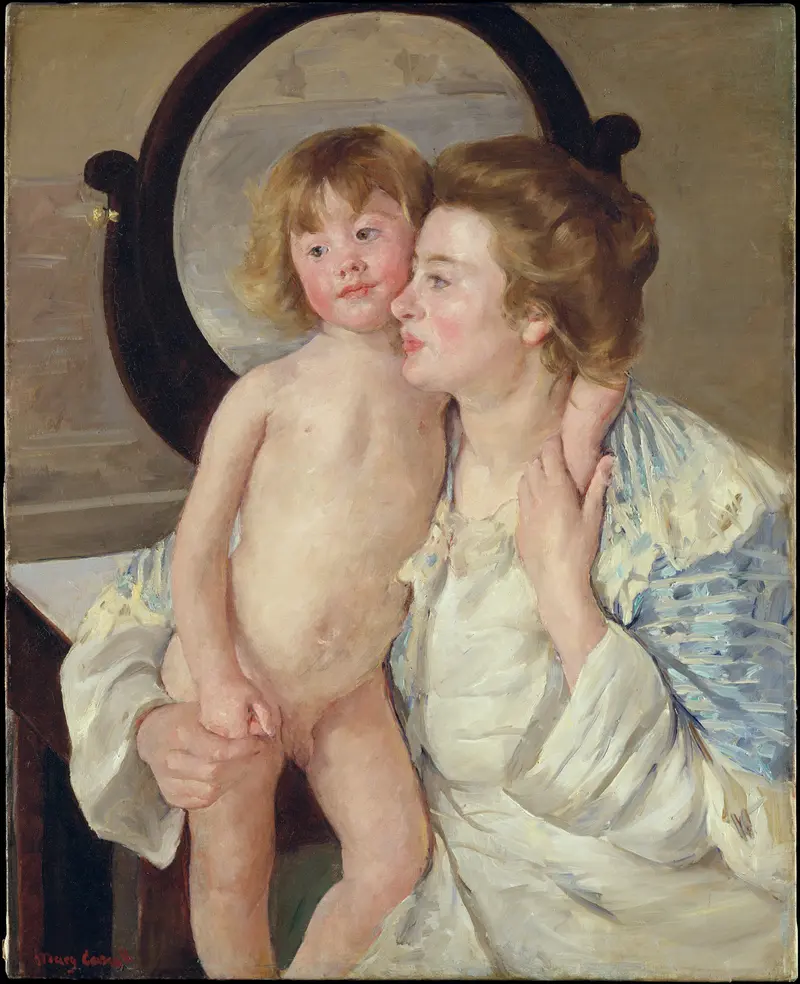
Mother and Child (The Oval Mirror)
Mary Cassatt
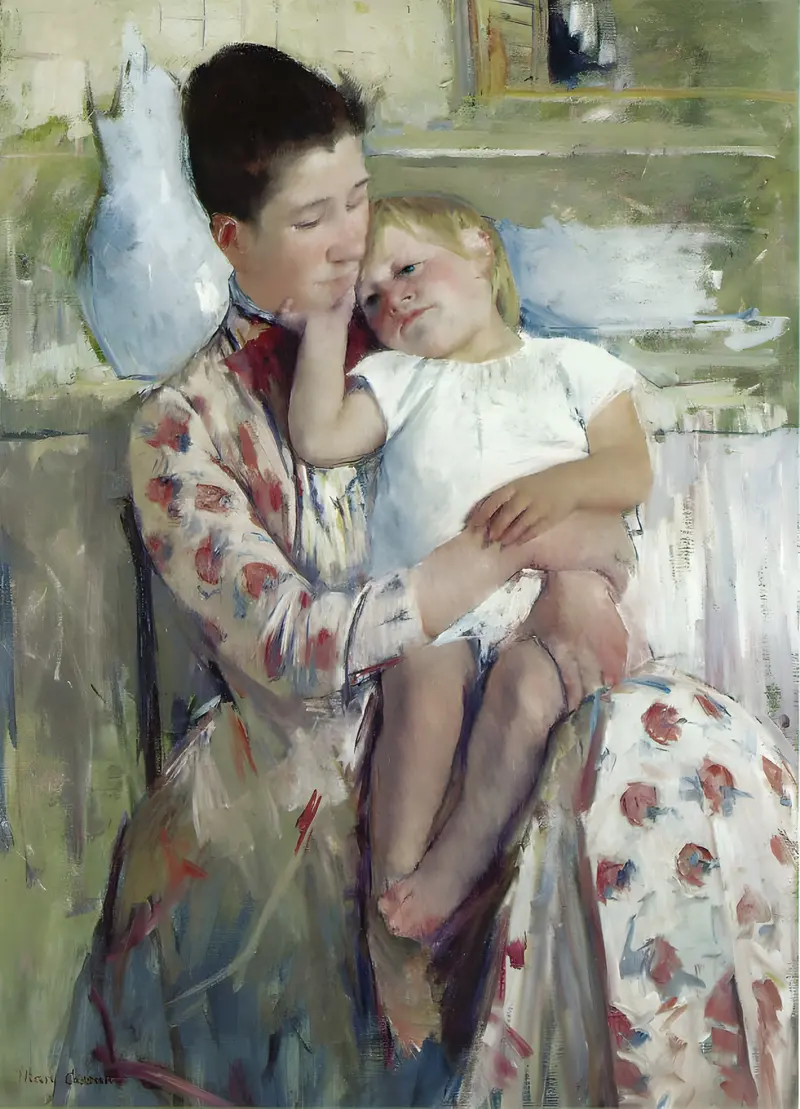
Mother and Child
Mary Cassatt
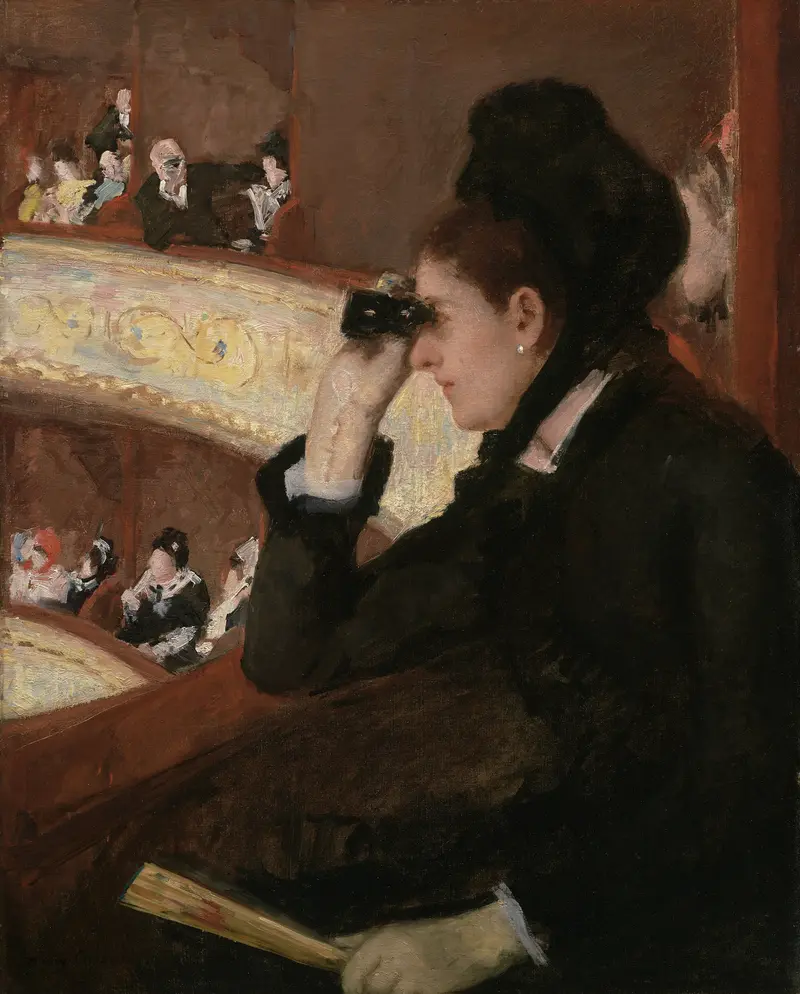
In The Loge
Mary Cassatt
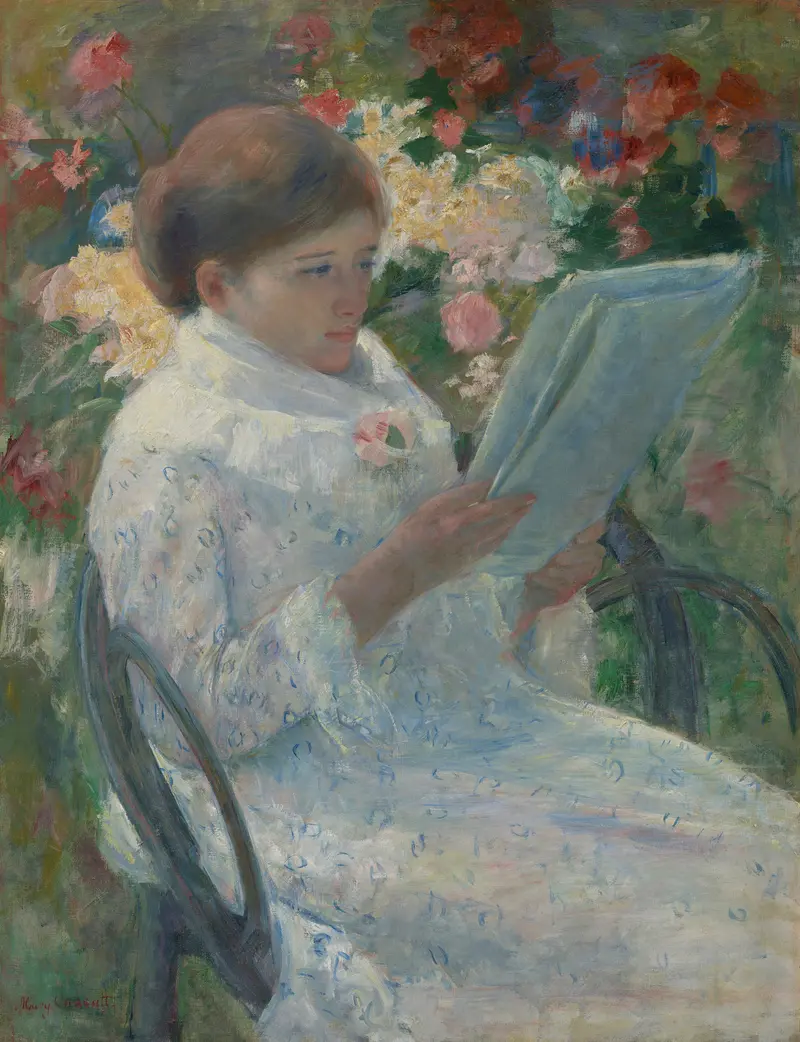
On a Balcony
Mary Cassatt
More Genre Scene Art

Banquet of the Officers of the St George Civic Guard
Frans Hals

Rembrandt and Saskia in the Scene of the Prodigal Son
Rembrandt van Rijn

Bal du moulin de la Galette
Pierre-Auguste Renoir

Quadrille at the Moulin Rouge
Henri de Toulouse-Lautrec

A Burial at Ornans
Gustave Courbet

When Will You Marry?
Paul Gauguin