
Napoléon Bonaparte Premier Consul — History & Facts
Few images have shaped the public face of Napoleon as enduringly as Napoléon Bonaparte Premier Consul by François Gérard. Commissioned at the height of Bonaparte’s political ascent, the portrait was crafted to circulate his image across Europe, reinforcing his authority after the coup of 18 Brumaire in 1799. Gérard’s vision became so influential that it was widely copied and adapted, both officially and unofficially, serving as the template for depictions of the First Consul in embassies, government offices, and even private homes.
The painting’s fame was such that, as the art historian Pierre Rosenberg observed, “Gérard’s Bonaparte became the face of a new era.” The moment Gérard selects is one of poised, deliberate calm: Bonaparte stands, hand tucked into his waistcoat, eyes fixed with steely resolve. The uniform of the First Consul is rendered with crisp precision, its red sash and gold embroidery signaling both revolutionary origins and monarchical ambition. The desk beside him, scattered with papers and a quill, hints at his role as both military leader and statesman, while the classical column in the background roots his authority in the traditions of Rome.
Unlike Jacques-Louis David’s more theatrical Bonaparte Crossing the Alps, Gérard’s approach is restrained, presenting Napoleon as a man of reason and order rather than mythic heroism. The exact journey of this particular version remains uncertain—like many portraits of Napoleon, it was likely replicated for diplomatic gifts and official display. What is clear is that Gérard’s original played a pivotal role in defining his career, cementing his reputation as the portraitist of the Empire. Today, versions of Napoléon Bonaparte Premier Consul reside in major collections, including the Château de Malmaison and the Musée National du Château de Versailles, each bearing subtle differences that attest to their unique histories.
The painting stands as both a political tool and a testament to the power of art in shaping historical memory.
More Artworks by François Gérard

Portrait of Emperor Napoleon I
François Gérard
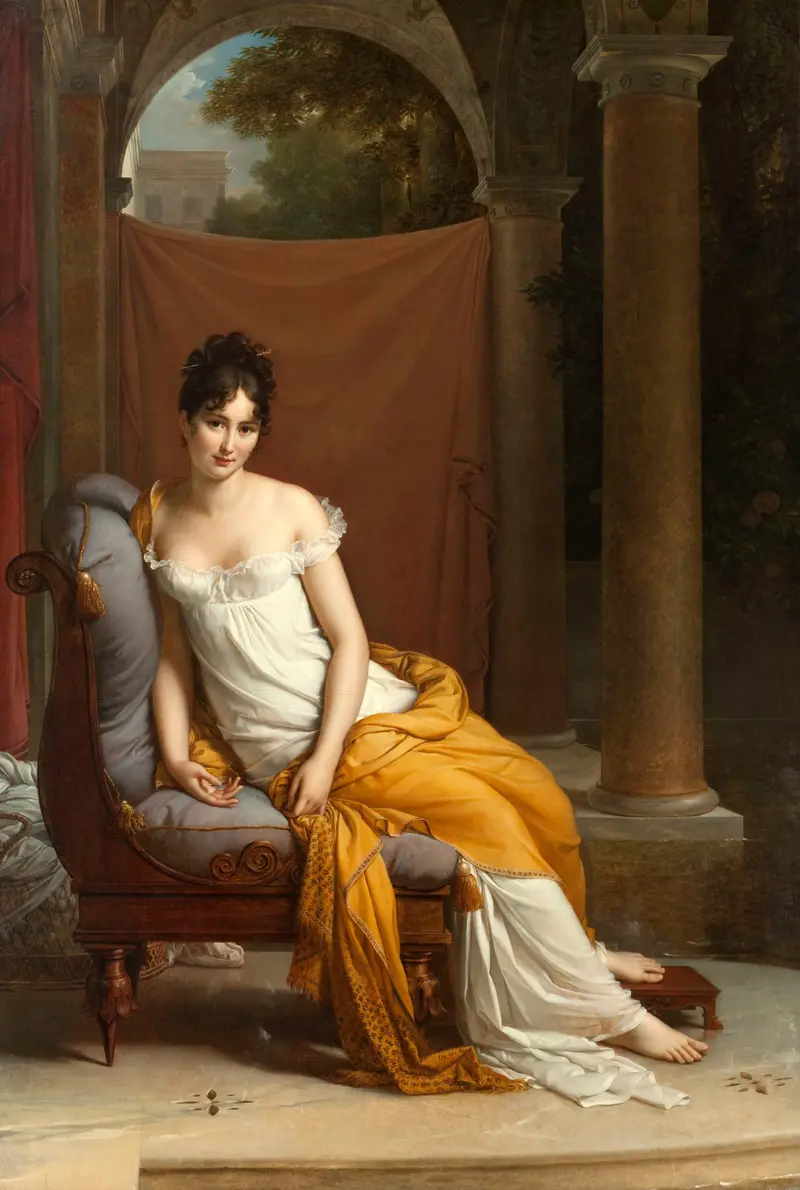
Portrait of Juliette Récamier, née Bernard
François Gérard
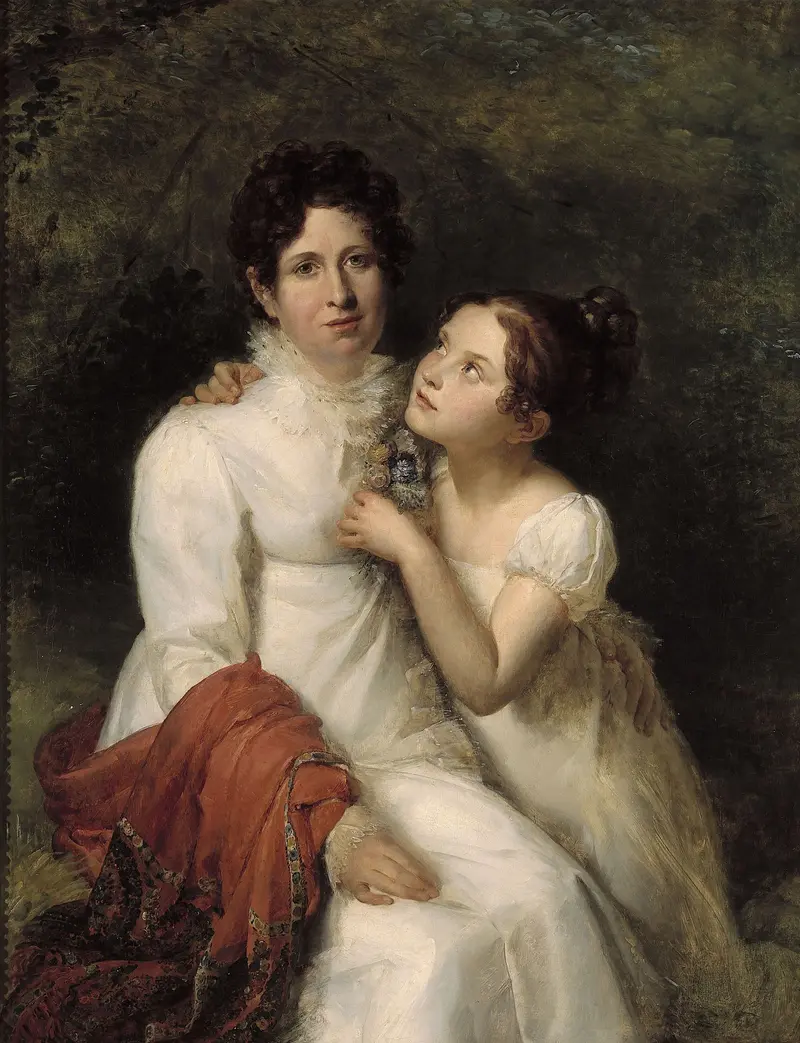
Portrait de Madame Bauquin Du Boulay et de sa nièce Mademoiselle Bauquin de La Souche
François Gérard
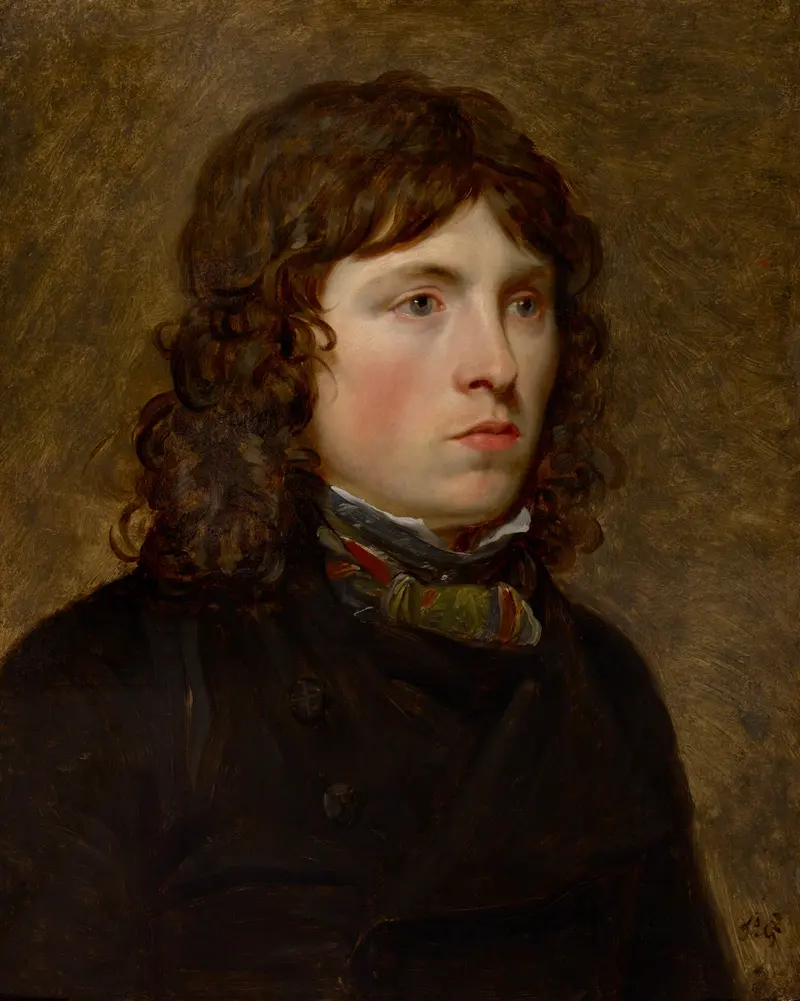
Portrait of G. F. Reverdin
François Gérard
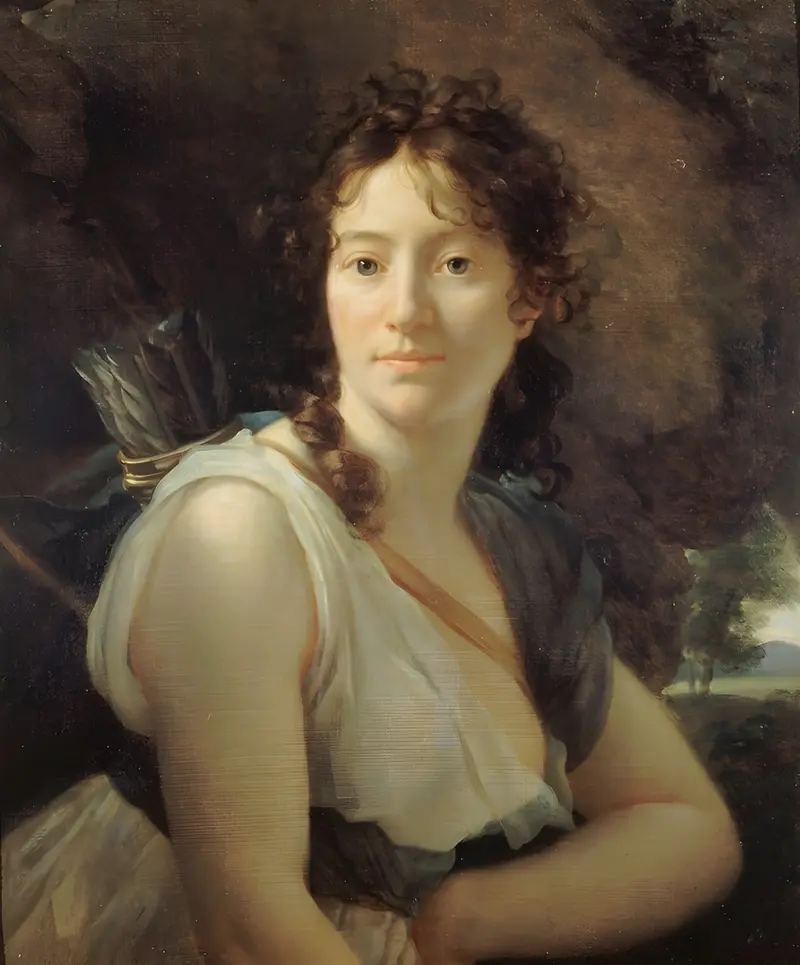
Portrait Of Mademoiselle Duchesnois (1777-1835), Member Of The Comédie-Française, In The Role Of Dido.
François Gérard
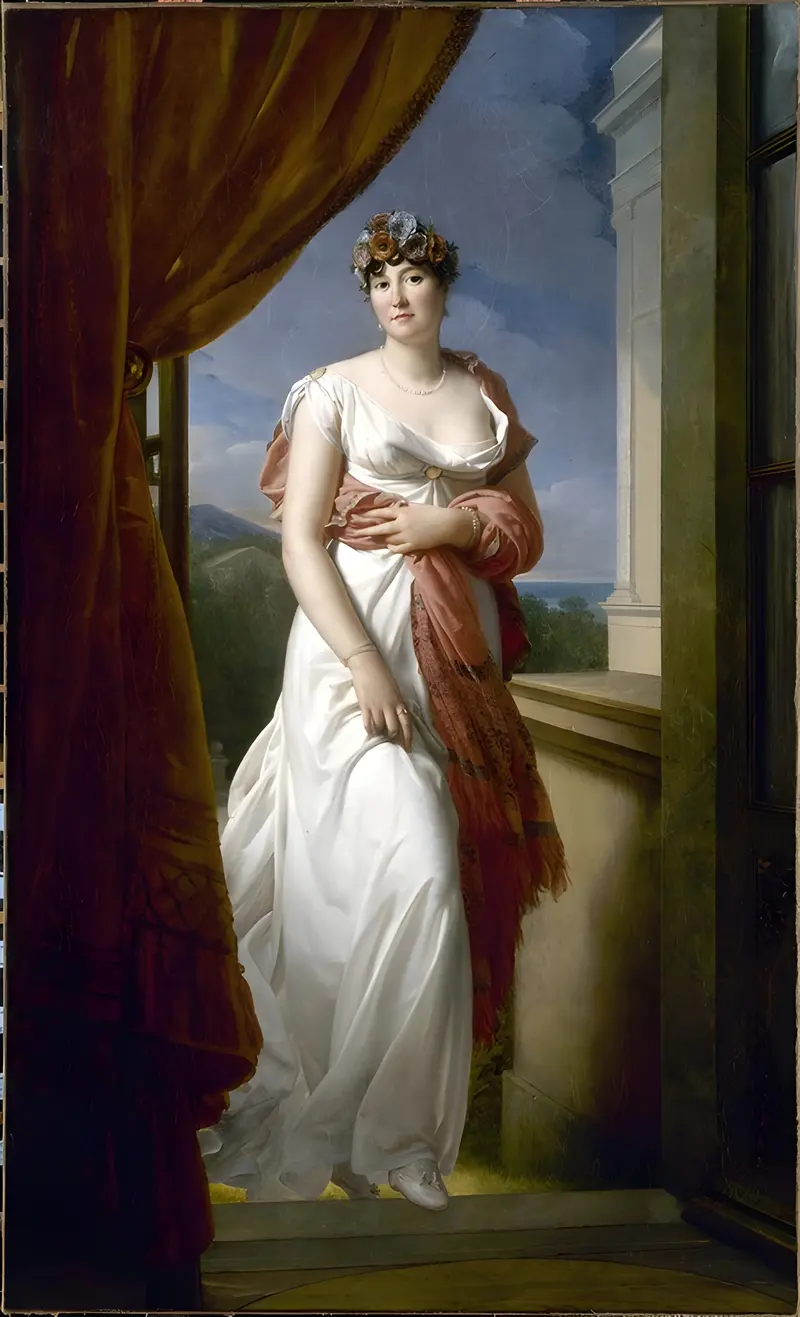
Portrait Of Theresia Cabarrus (1773-1835), Wife Tallien, Then Princess Of Caraman-Chimay
François Gérard
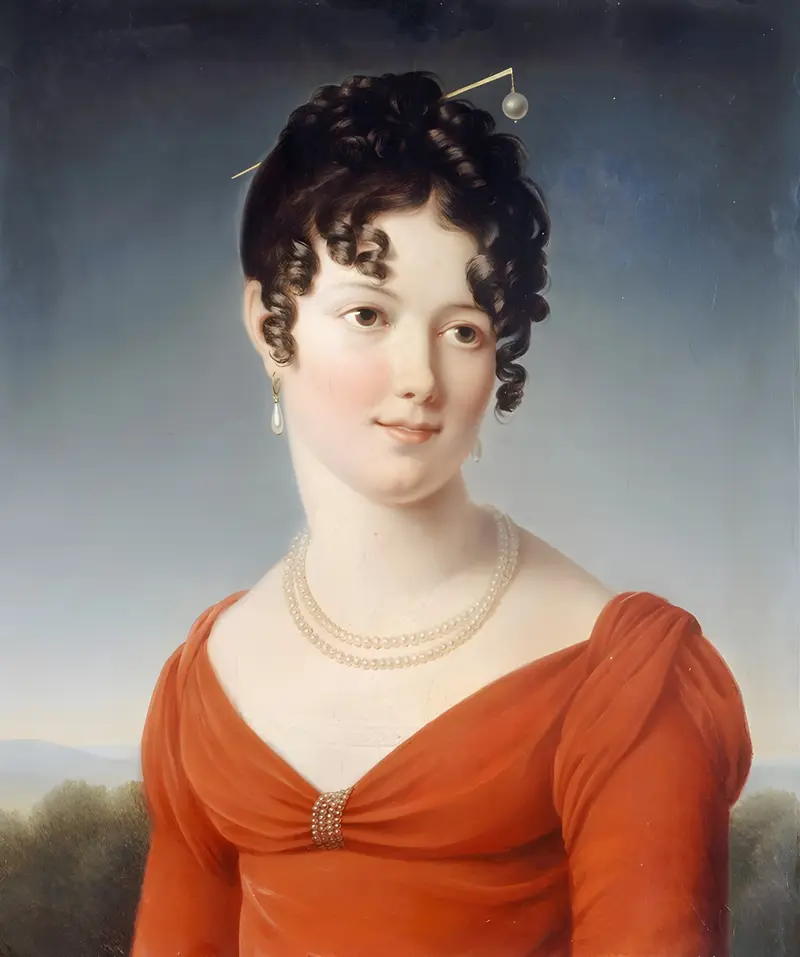
Bust Portrait Of Alexandrine-Anne De La Pallu, Marquise De Flers (1786-1832)
François Gérard
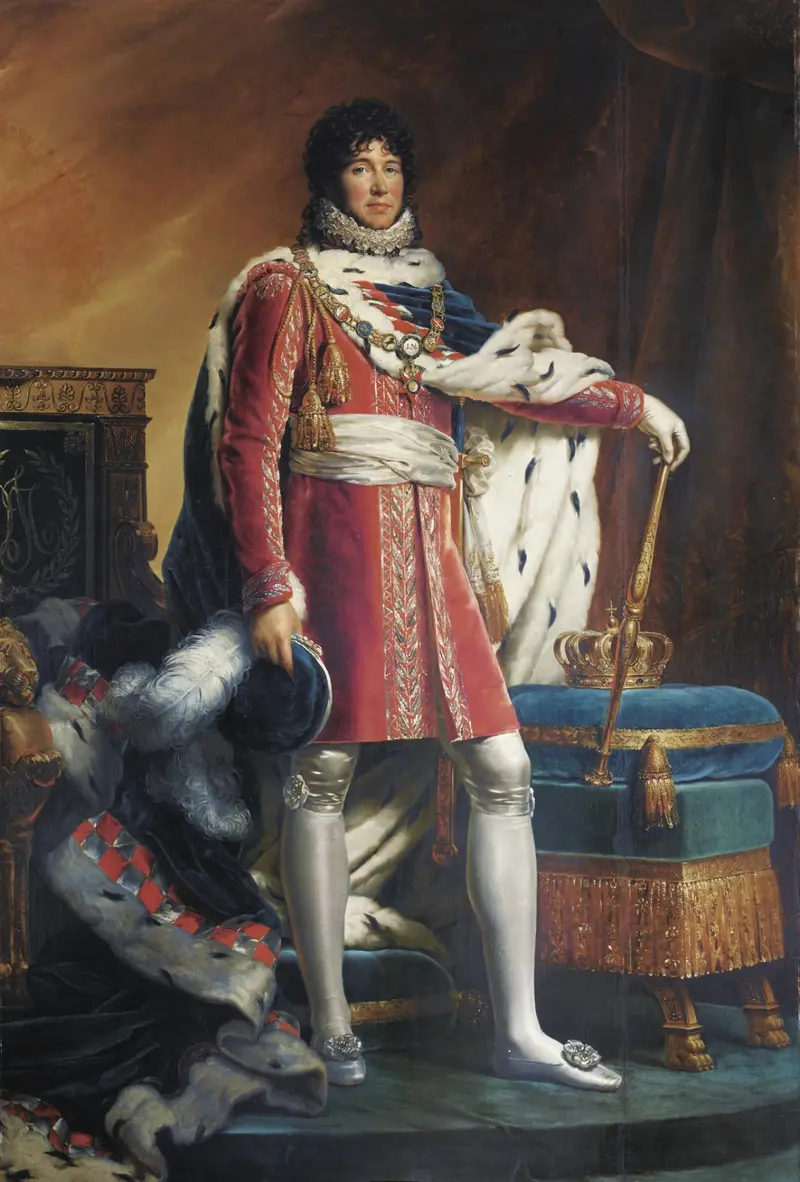
Portrait of Joachim Napoléon Murat, King of Naples and of the two Sicilies
François Gérard
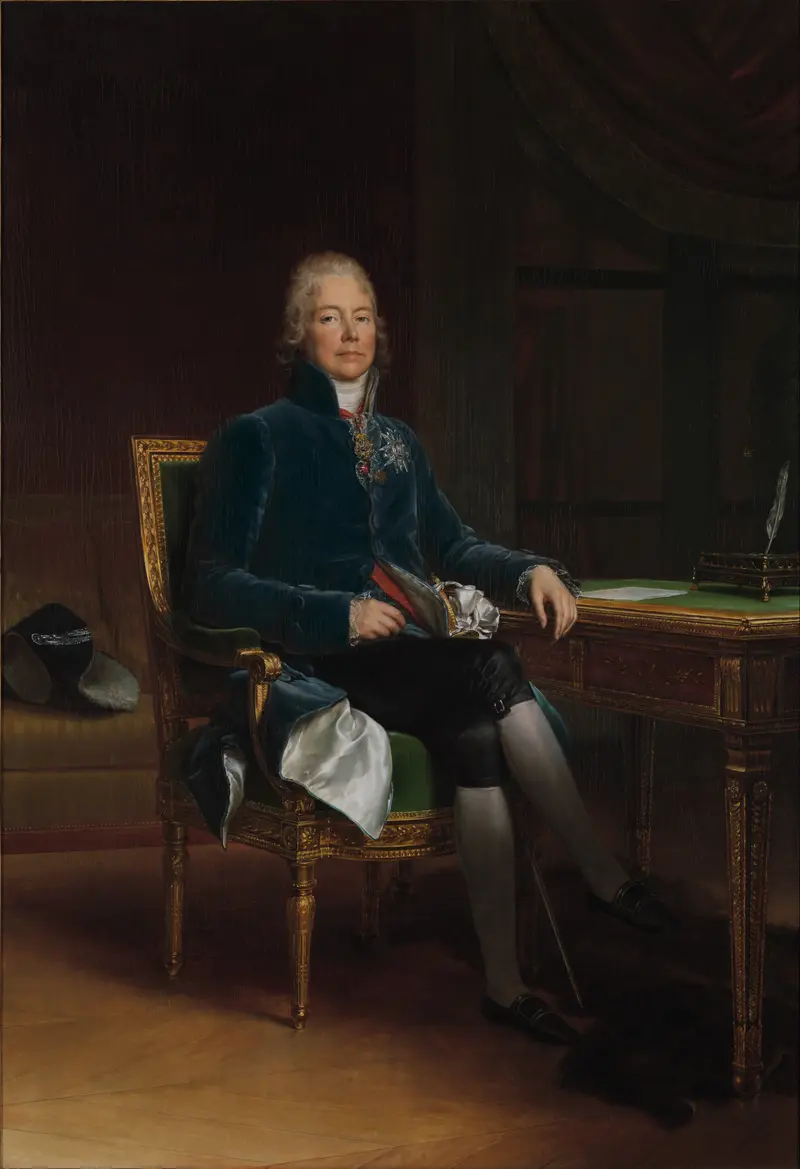
Charles Maurice de Talleyrand Périgord (1754–1838), Prince de Bénévent
François Gérard
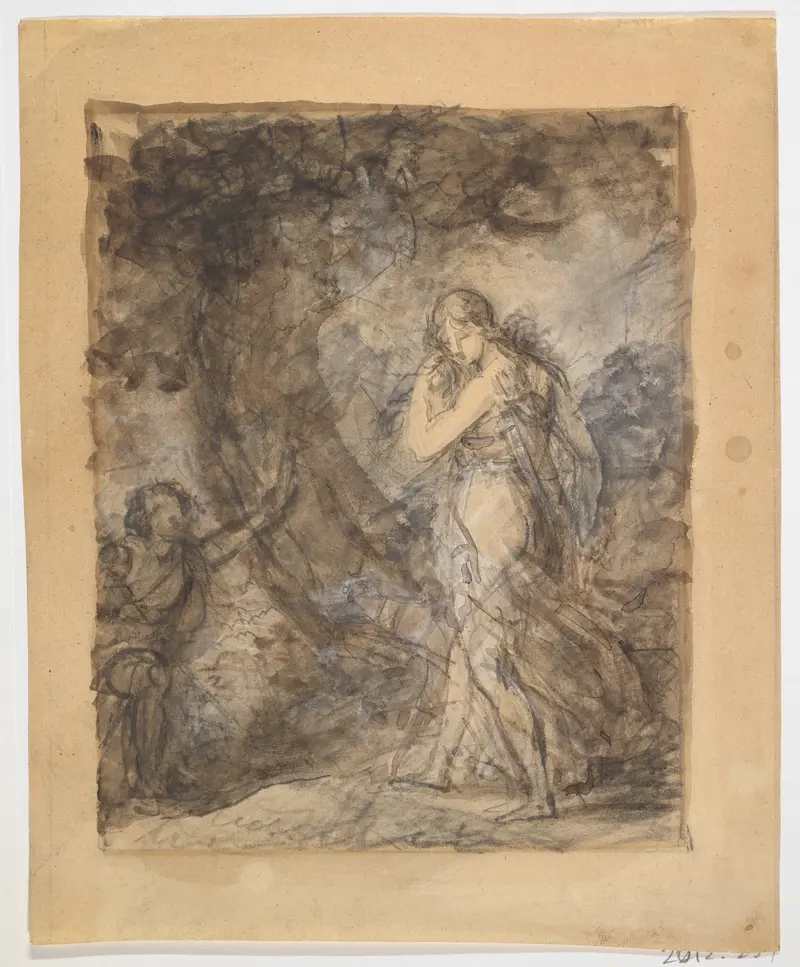
Daphnis Running toward Chloe
François Gérard





