
Oedipus Separating from Jocasta — History & Facts
When Alexandre Cabanel first exhibited Oedipus Separating from Jocasta in 1843, he was just twenty years old and still a student at the École des Beaux-Arts. This ambitious canvas was his entry for the prestigious Prix de Rome, a competition that launched many French painters’ careers. The theme, taken from Sophocles, was a favorite among history painters, but Cabanel’s interpretation was noted for its intense psychological focus.
Contemporary critics remarked on the boldness of a young artist tackling such a fraught and tragic subject. At the heart of the painting is the terrible moment of revelation: Oedipus, having solved the riddle of the Sphinx and become king of Thebes, discovers that he has unwittingly killed his father and married his mother, Jocasta. Cabanel captures the instant when Oedipus, stricken with horror, recoils from Jocasta, who reaches toward him in a gesture of desperate love and despair. The drama is heightened by the composition: Oedipus’s outstretched arm creates a physical and emotional barrier, while Jocasta’s white drapery and bare arms draw the eye to her anguish.
The lighting isolates the figures against a dark background, focusing attention on their faces and hands—an approach reminiscent of Ingres’s neoclassical clarity, yet with a Romantic intensity. The fate of this early work by Cabanel is less well documented than his later, celebrated paintings. It survives as a testament to the rigorous academic training of the time and the competitive atmosphere of the Prix de Rome. While the current location and medium of Oedipus Separating from Jocasta remain uncertain, the painting stands as an important milestone in Cabanel’s development, foreshadowing the psychological depth and technical polish that would define his mature style.
Today, it is chiefly known from exhibition records and contemporary reviews, offering a glimpse into the ambitions of a young artist at the threshold of a distinguished career.
More Artworks by Alexandre Cabanel
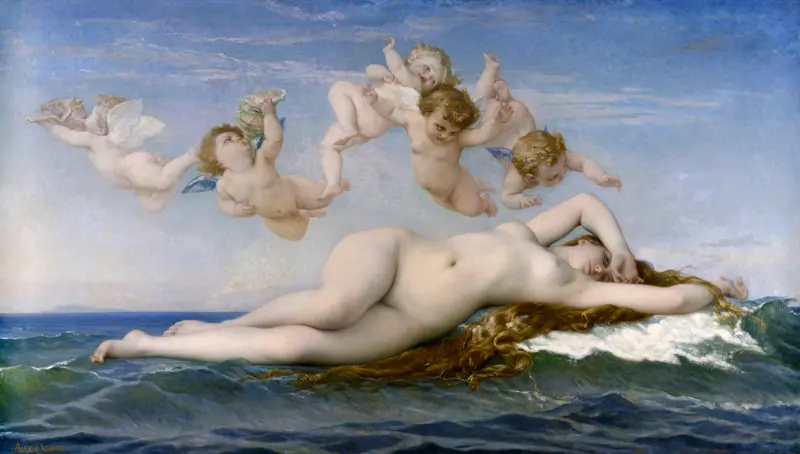
The Birth of Venus
Alexandre Cabanel
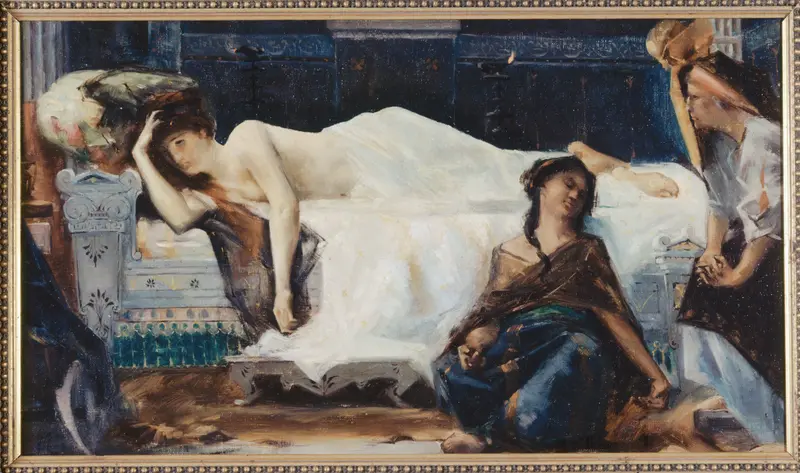
Phèdre
Alexandre Cabanel
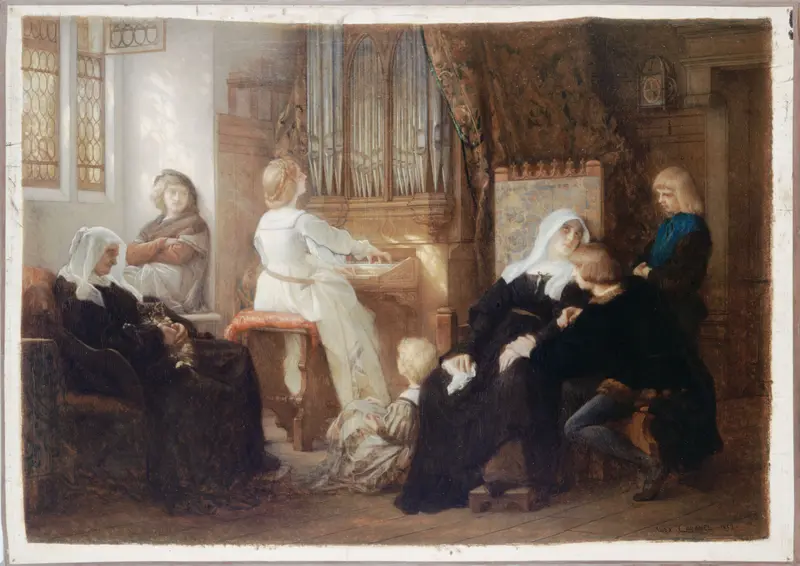
La veuve du maître de chapelle
Alexandre Cabanel
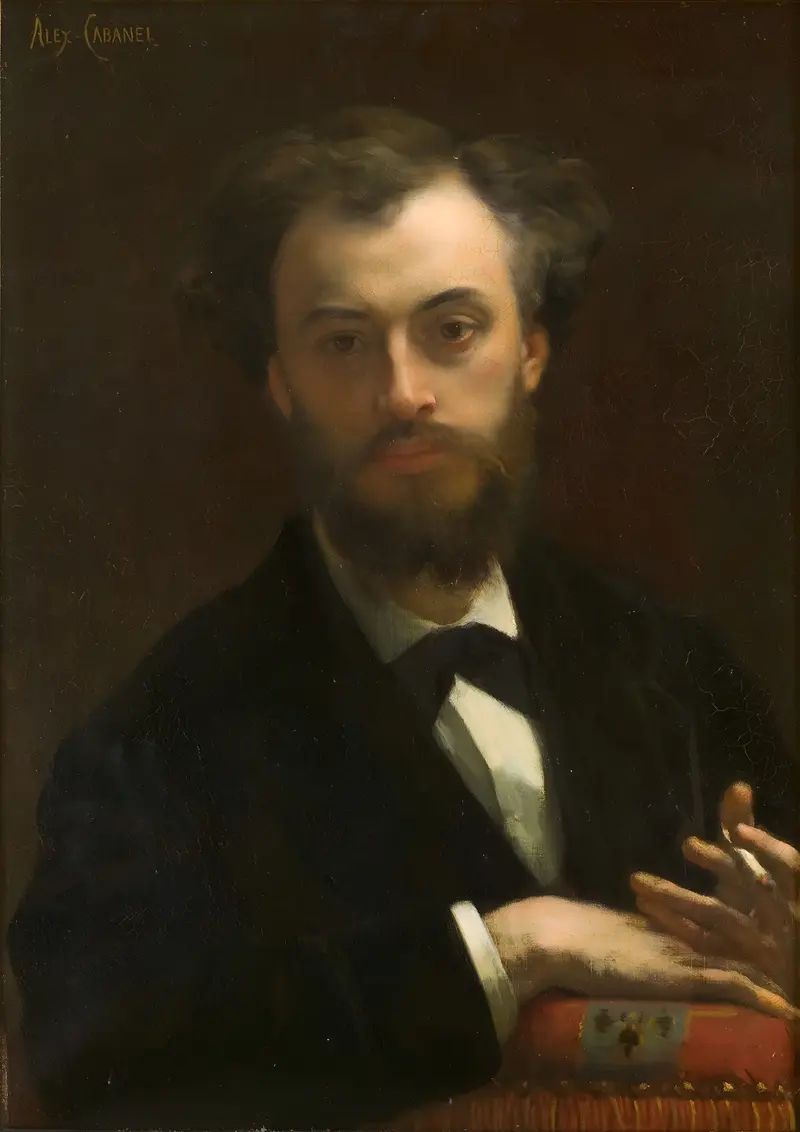
Portrait de M. Pierre Cabanel
Alexandre Cabanel
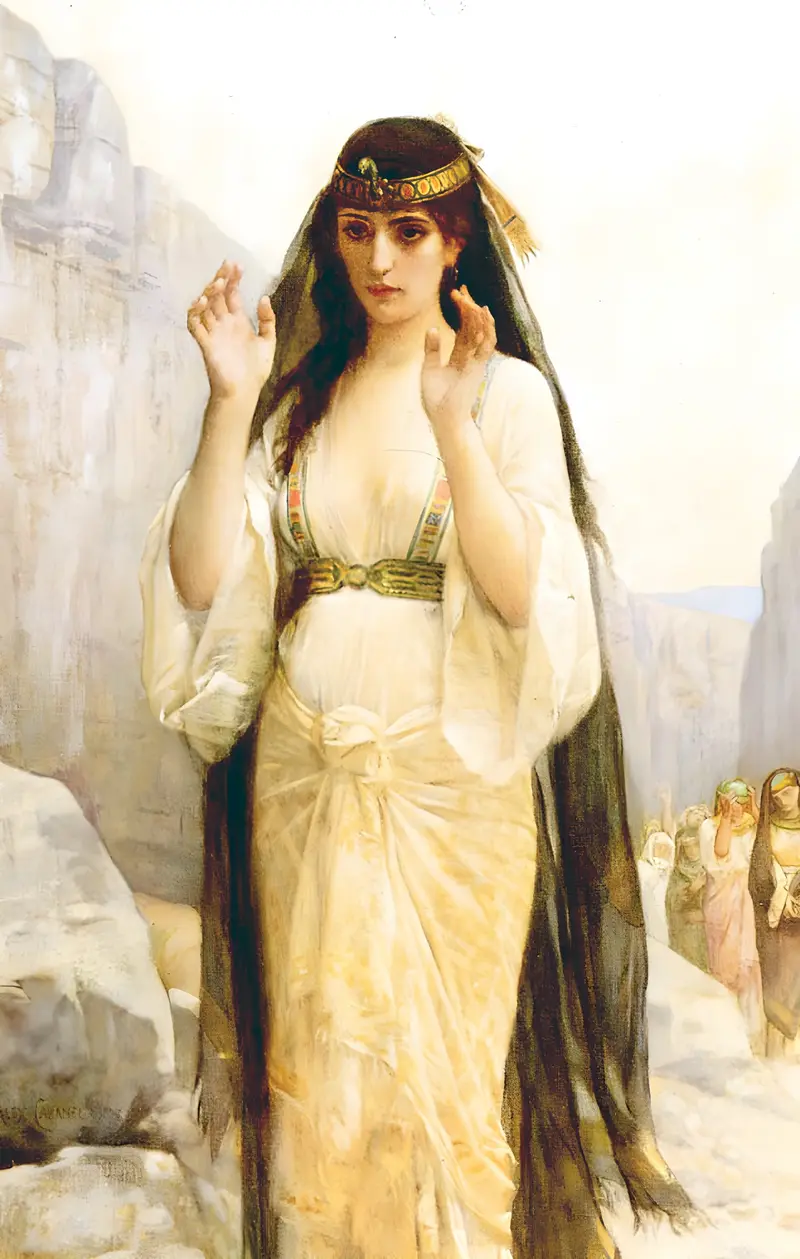
The Daughter of Jephthah
Alexandre Cabanel
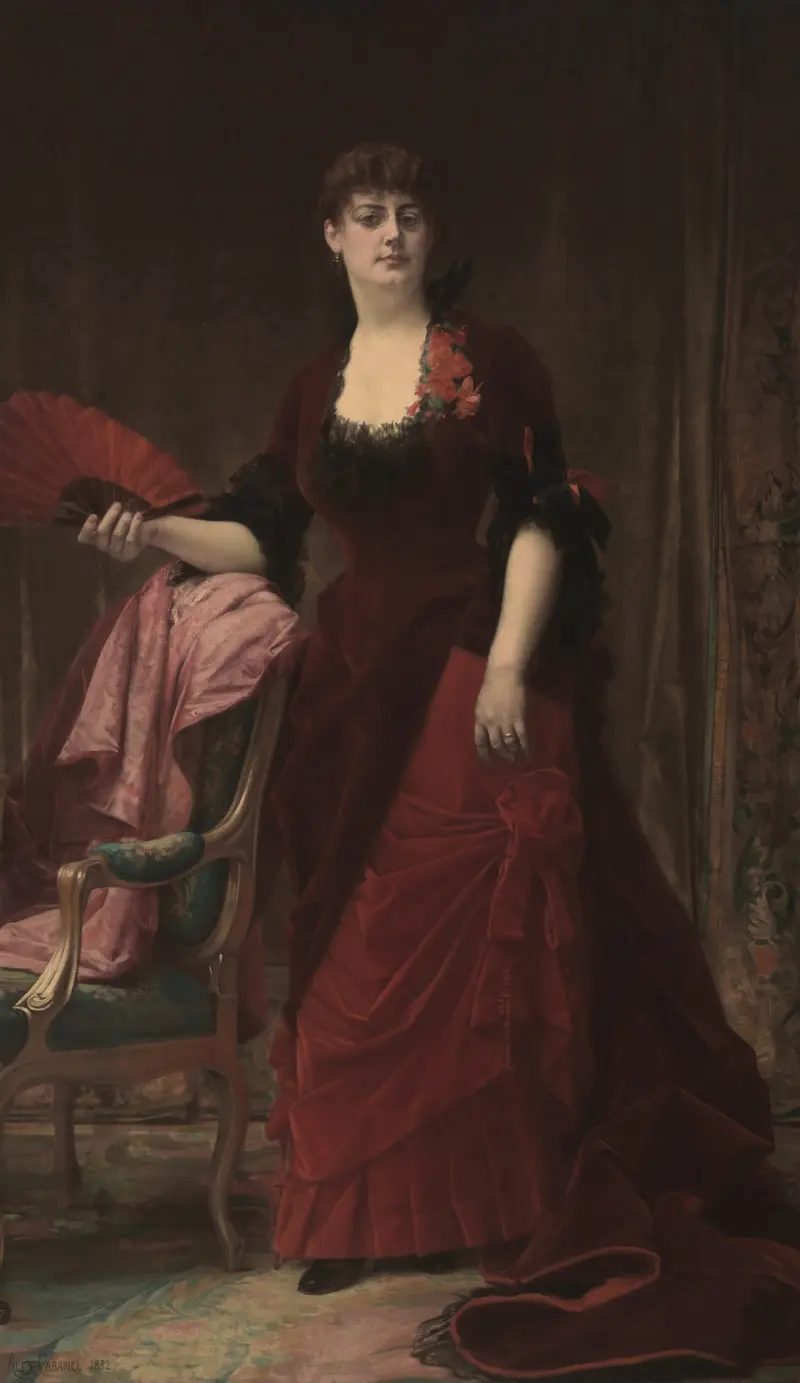
Portrait of Arabella Worsham (later Arabella Huntington)
Alexandre Cabanel
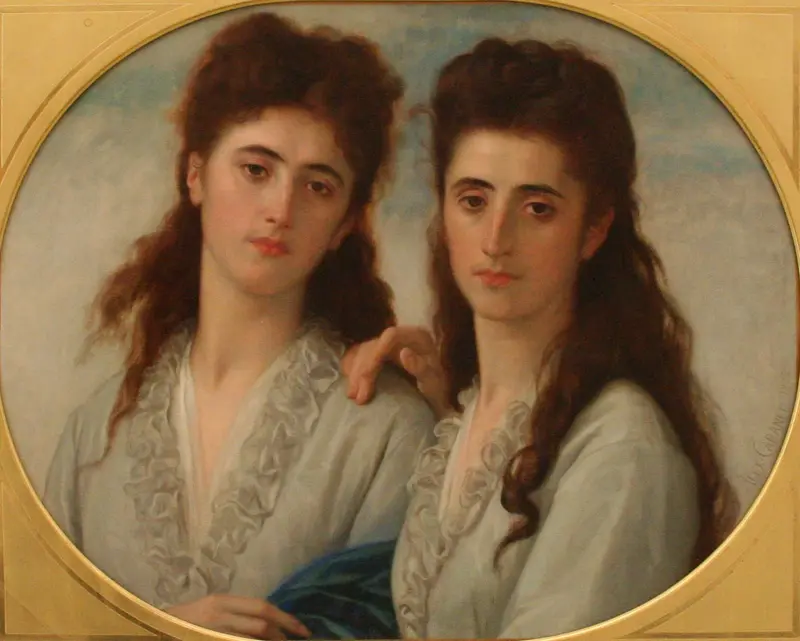
Portrait de mesdemoiselles Sophie et Berthe Cabanel
Alexandre Cabanel
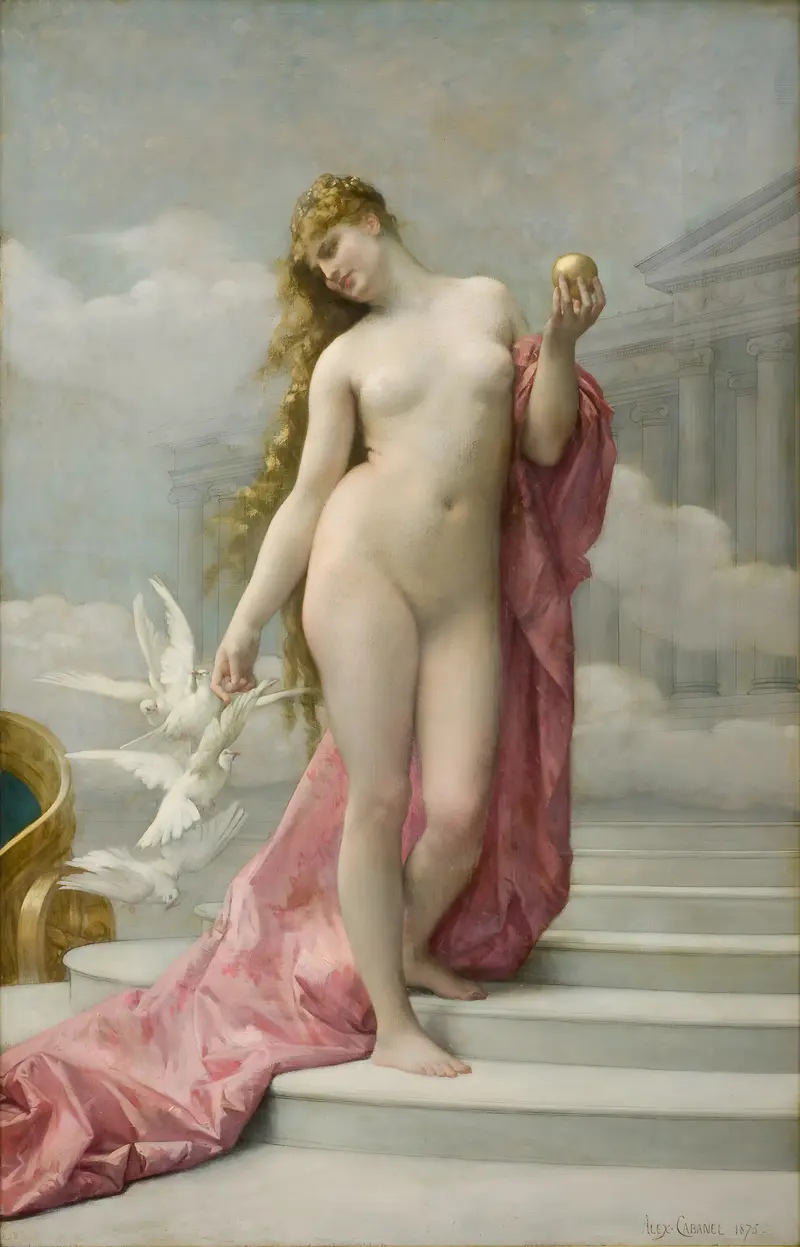
Vénus victorieuse
Alexandre Cabanel
Judith
Alexandre Cabanel
Catharine Lorillard Wolfe (1828–1887)
Alexandre Cabanel





