
Orpheus tries to hold on to Eurydice — History & Facts
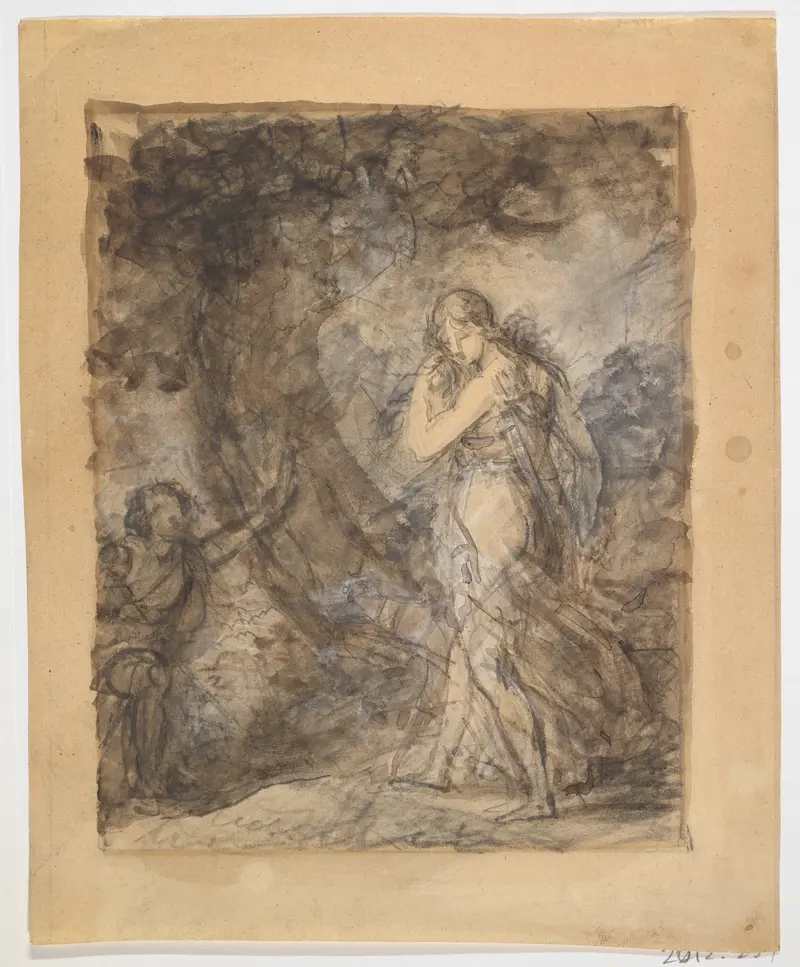
Few tales from antiquity have haunted European painters like the myth of Orpheus and Eurydice, but François Gérard’s Orpheus tries to hold on to Eurydice stands out for its focus on the very instant of loss. Unlike many artists who celebrated Orpheus’ musical triumphs, Gérard chose the moment of irreversible separation—a subject that, since the Renaissance, has been a touchstone for exploring love and fate. The painting’s date and commission remain uncertain, yet its composition and emotional intensity have led some scholars to connect it with the late 18th or early 19th century, when French artists were drawn to classical tragedy as a mirror for their own turbulent times. The myth is at its most cruel here: Orpheus, having charmed the gods of the Underworld with his lyre, leads Eurydice back towards the living world, forbidden to look back until they reach the surface.
Gérard captures the split second when Orpheus, overcome by doubt, turns—Eurydice’s form already dissolving into shadow, her hand slipping from his. The tension in Orpheus’ outstretched arm, the desperate backward glance, and the encroaching darkness all serve to heighten the sense of impending loss. Where Nicolas Poussin’s Landscape with Orpheus and Eurydice sets the drama in a broad, sunlit landscape, Gérard draws the viewer into the claustrophobia of the underworld, focusing on the human drama rather than the mythic setting. The physical history of Orpheus tries to hold on to Eurydice is as elusive as the moment it depicts.
No records have surfaced of its original patron or exhibition, and its medium—whether oil on canvas or another support—remains undocumented. This uncertainty is not unusual for works attributed to François Gérard, whose prolific output and popularity in Napoleonic France led to numerous copies and studio variants. Today, the painting is known primarily through reproductions and scholarly references, its whereabouts unknown.
Nevertheless, it remains a touchstone for those studying Gérard’s engagement with myth, and a vivid reminder of the enduring power of classical stories in European art.
More Artworks by François Gérard

Portrait of Emperor Napoleon I
François Gérard
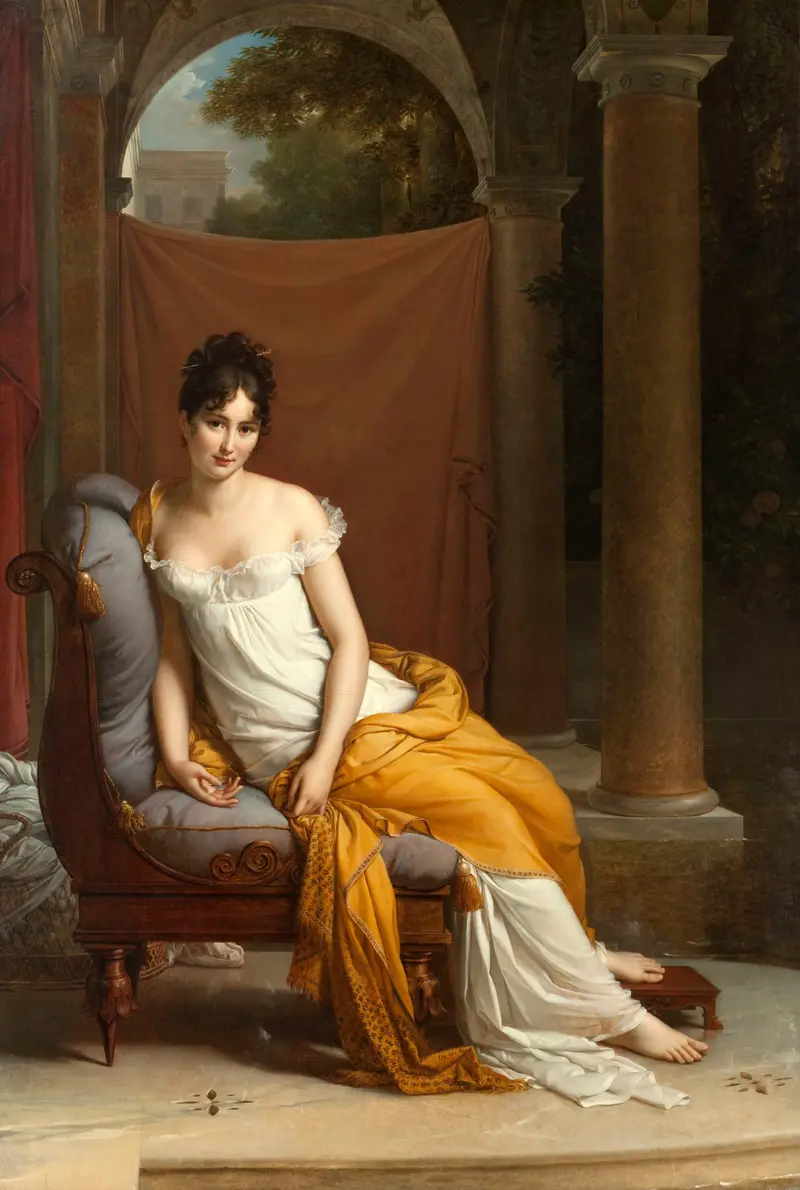
Portrait of Juliette Récamier, née Bernard
François Gérard
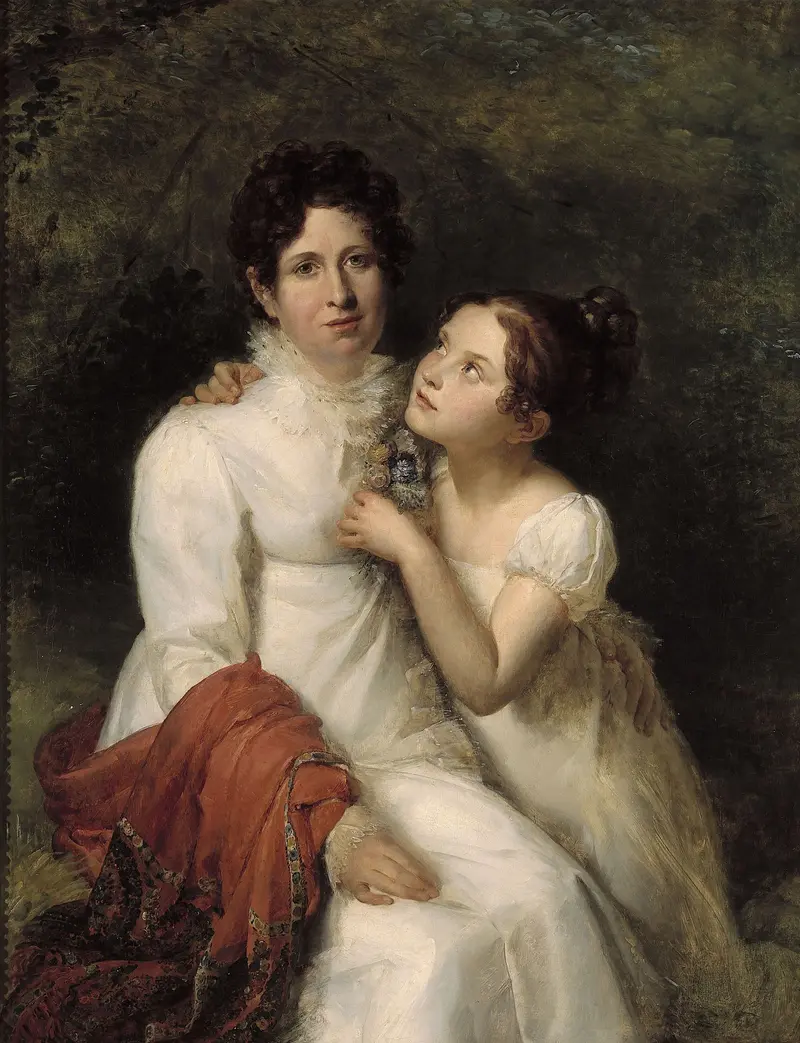
Portrait de Madame Bauquin Du Boulay et de sa nièce Mademoiselle Bauquin de La Souche
François Gérard
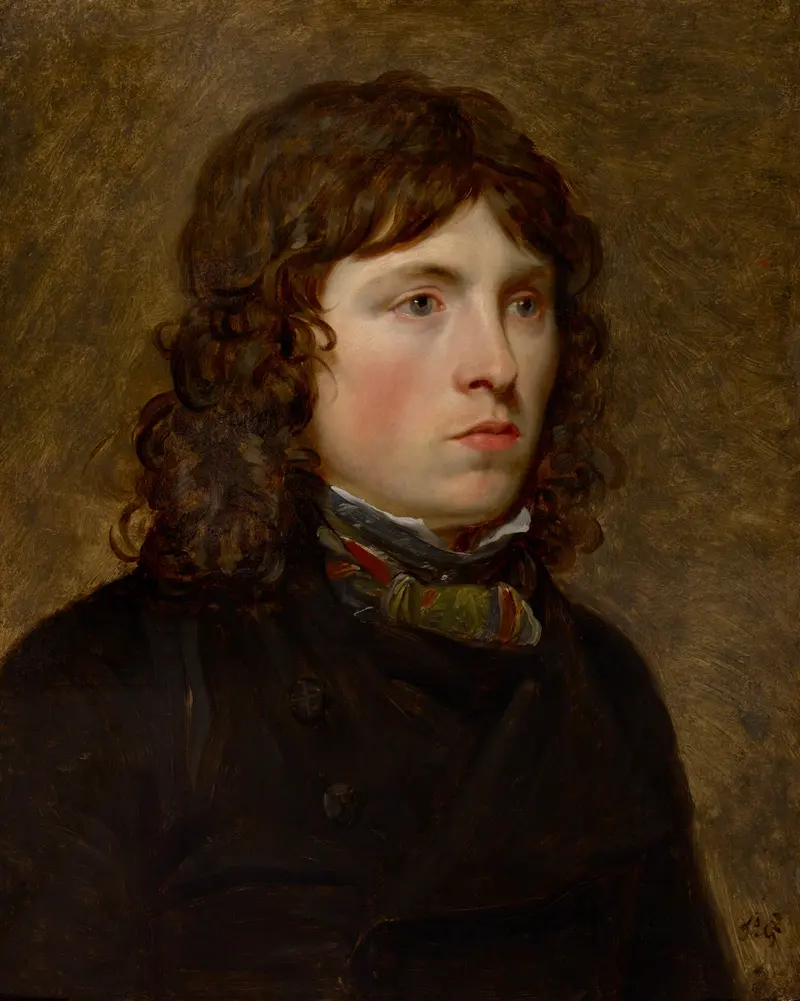
Portrait of G. F. Reverdin
François Gérard
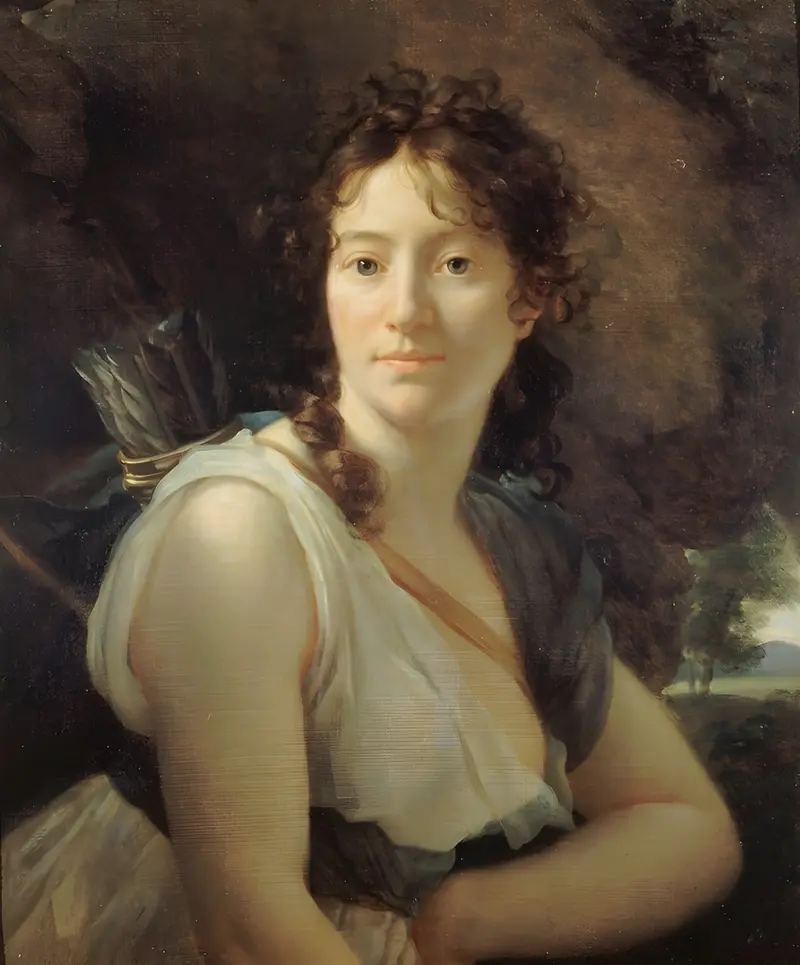
Portrait Of Mademoiselle Duchesnois (1777-1835), Member Of The Comédie-Française, In The Role Of Dido.
François Gérard
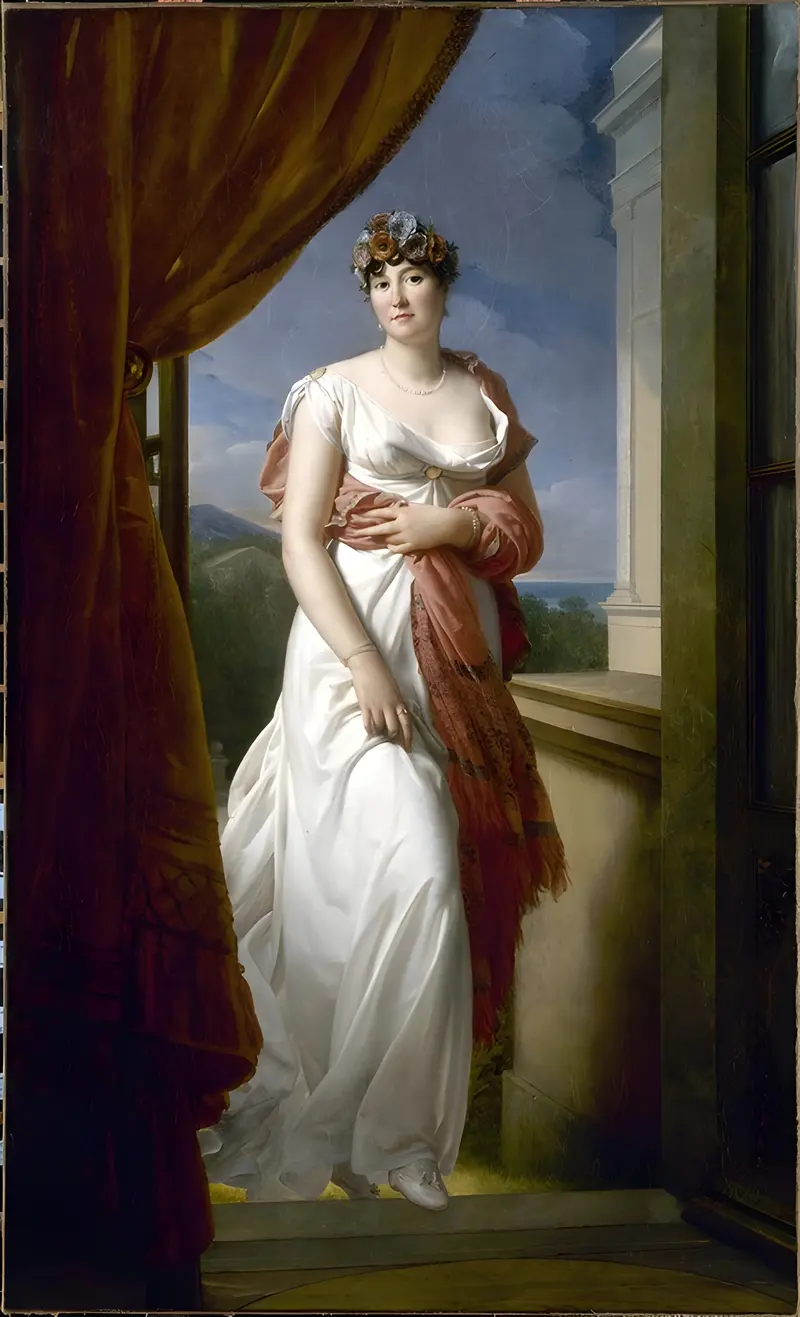
Portrait Of Theresia Cabarrus (1773-1835), Wife Tallien, Then Princess Of Caraman-Chimay
François Gérard
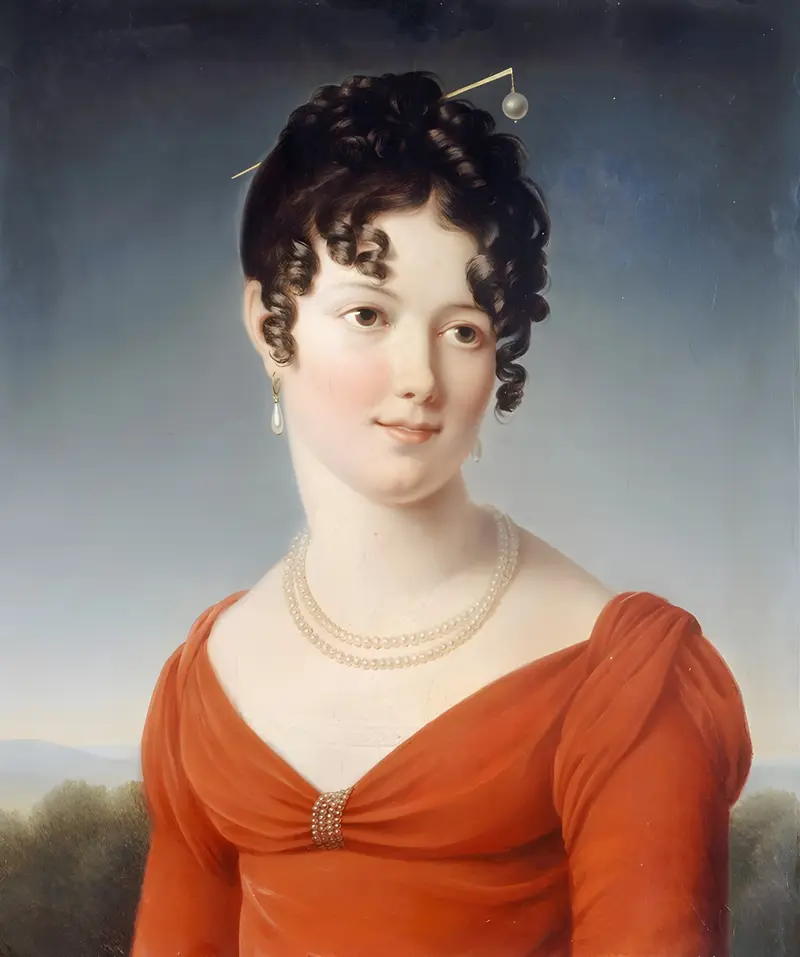
Bust Portrait Of Alexandrine-Anne De La Pallu, Marquise De Flers (1786-1832)
François Gérard
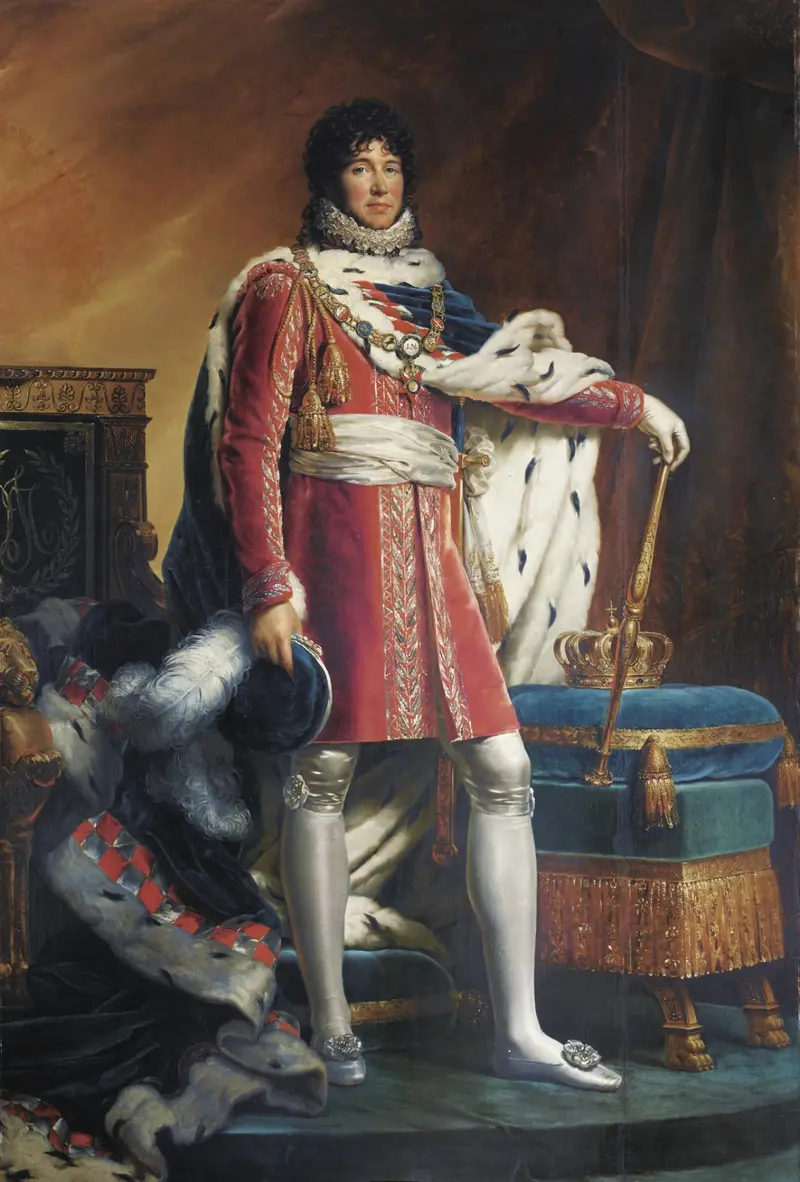
Portrait of Joachim Napoléon Murat, King of Naples and of the two Sicilies
François Gérard
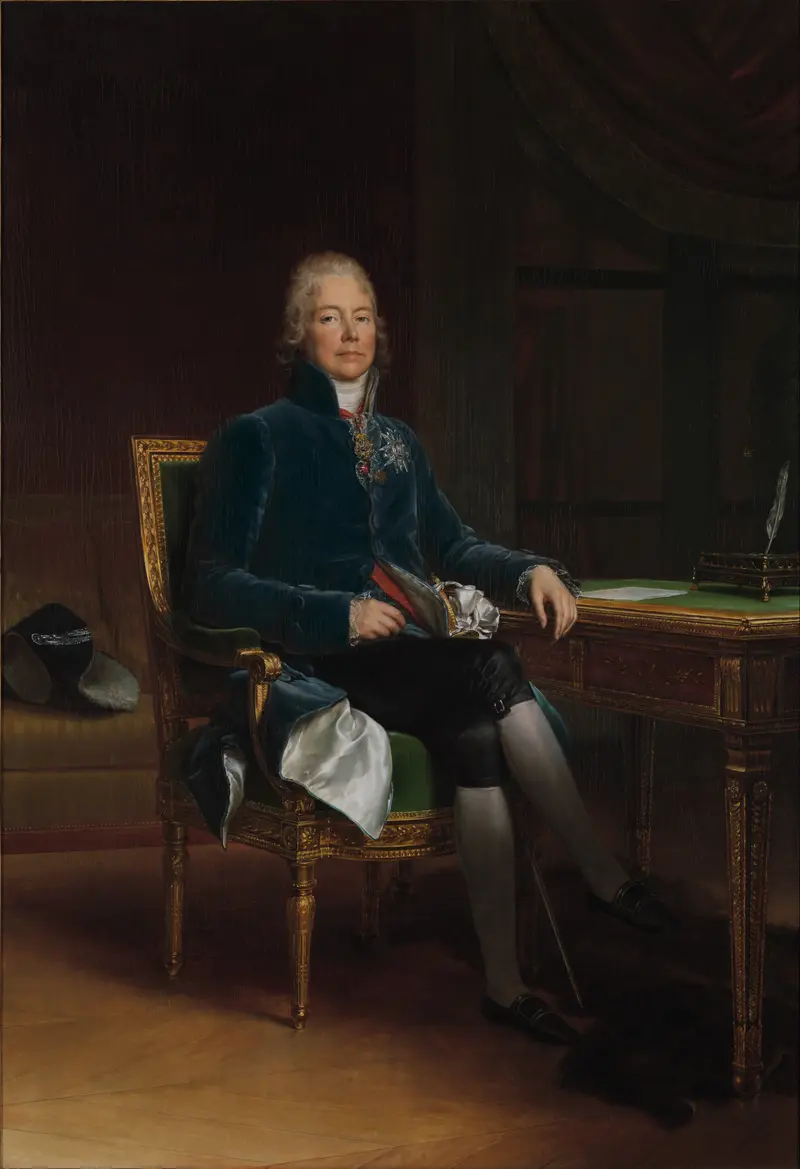
Charles Maurice de Talleyrand Périgord (1754–1838), Prince de Bénévent
François Gérard
Daphnis Running toward Chloe
François Gérard





