Partie bei Haslau an der Donau — History & Analysis
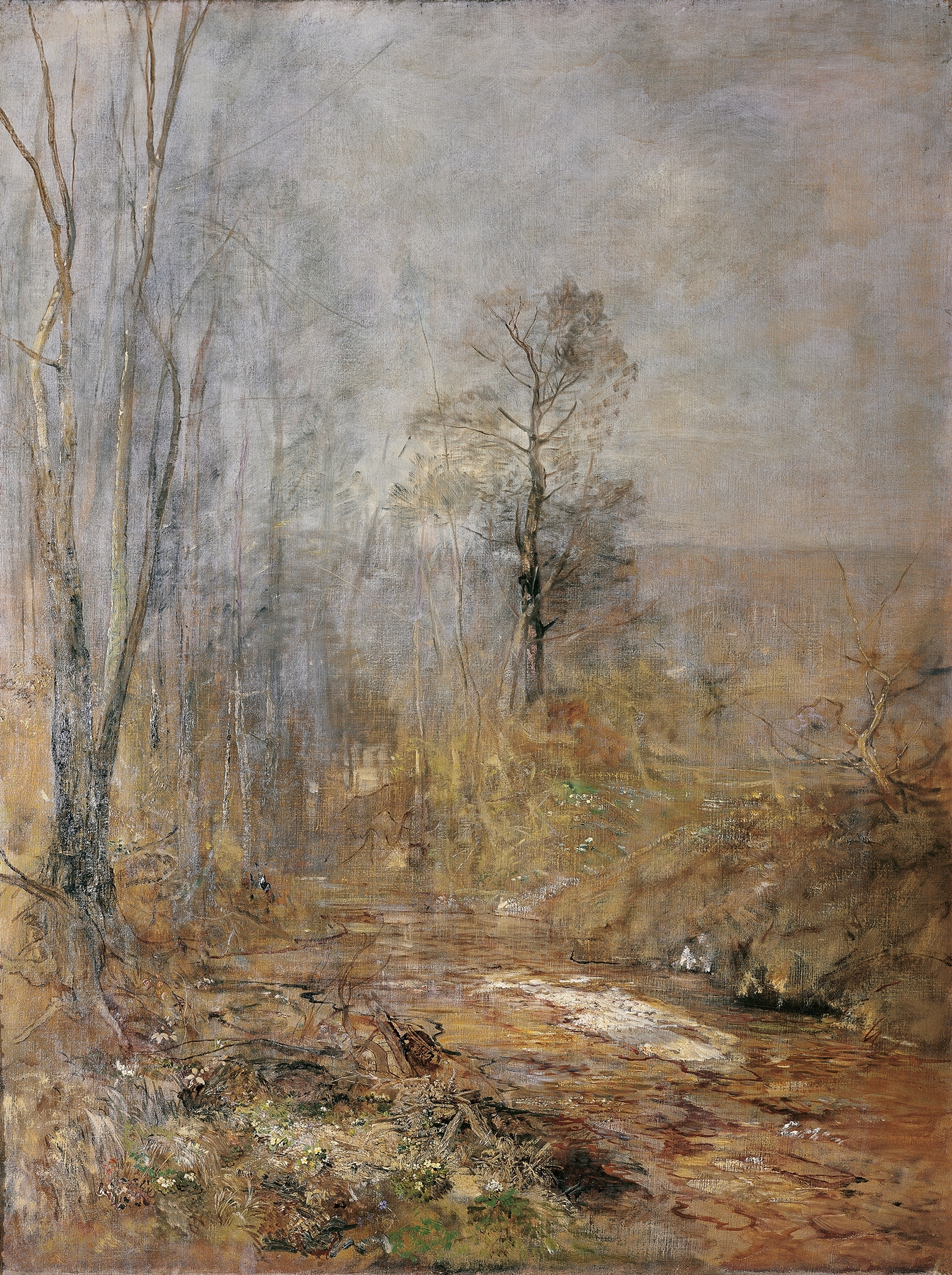
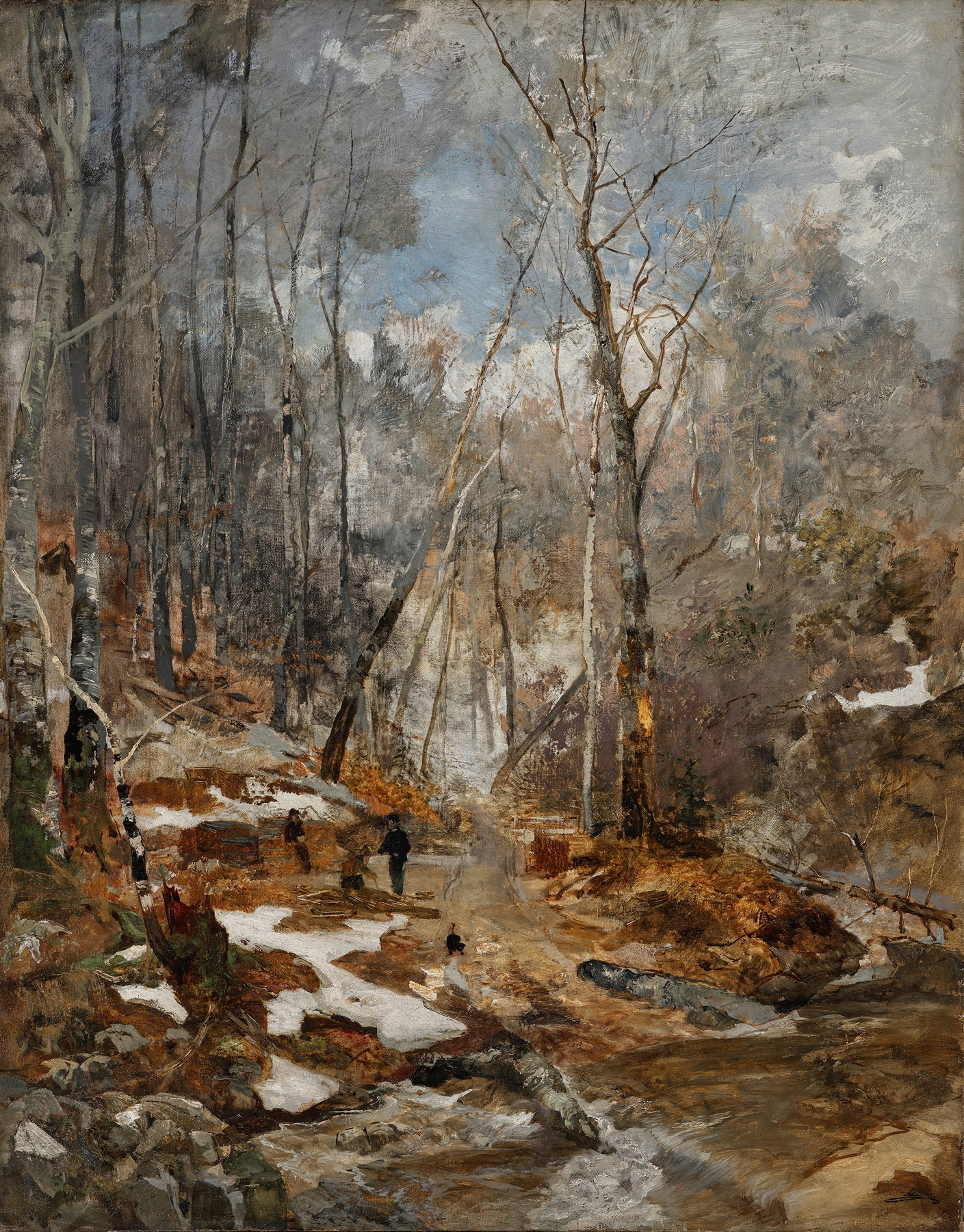
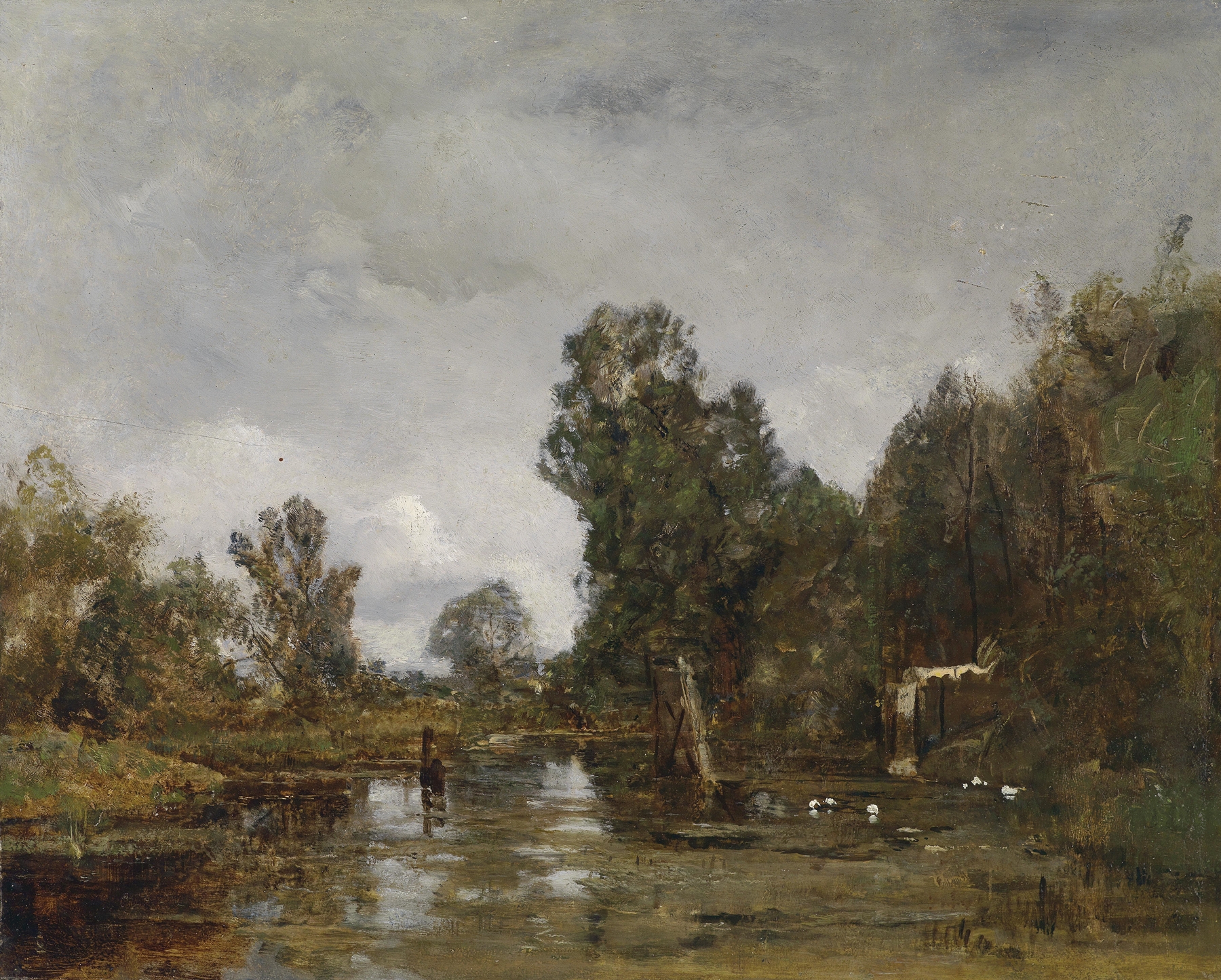
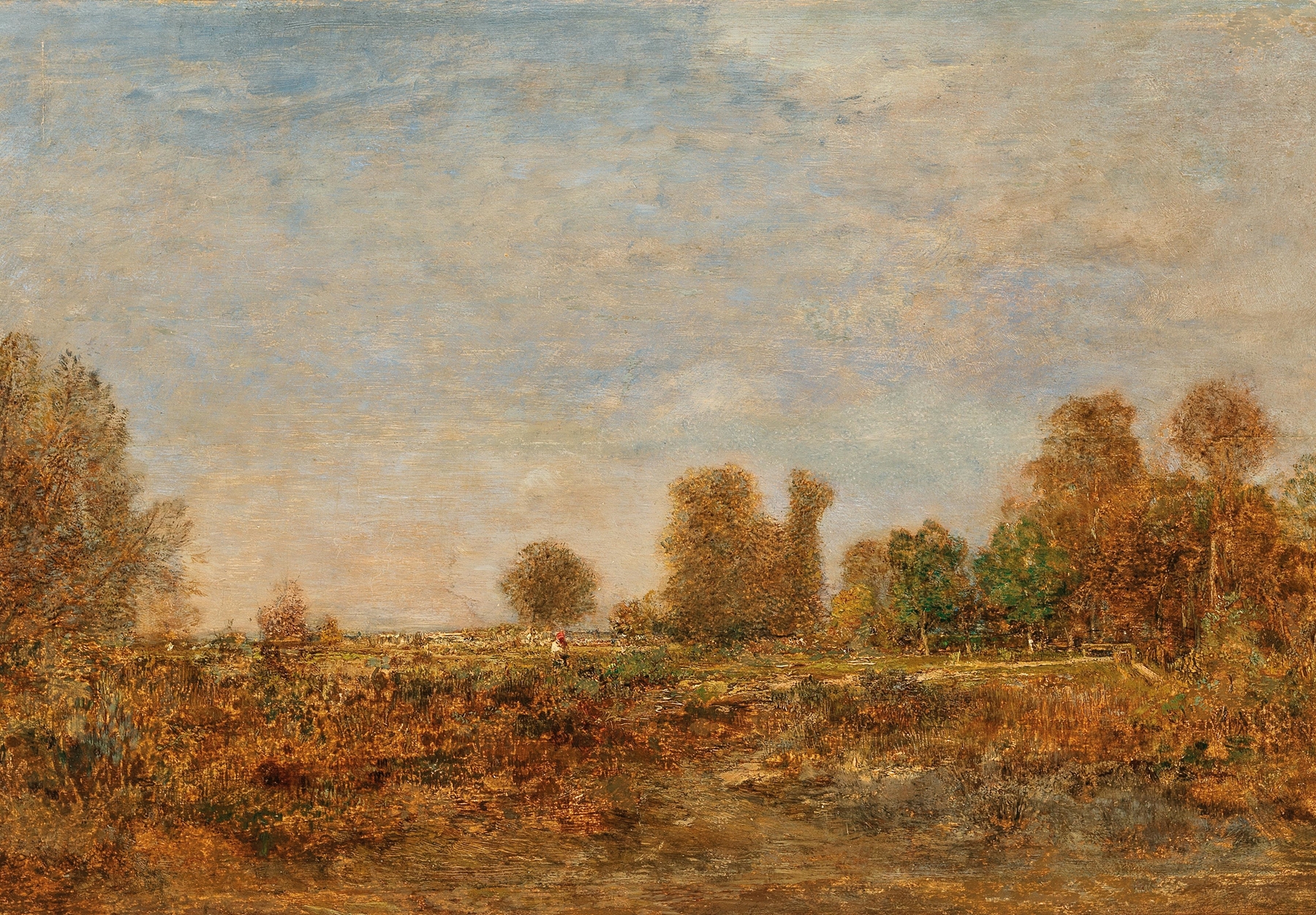
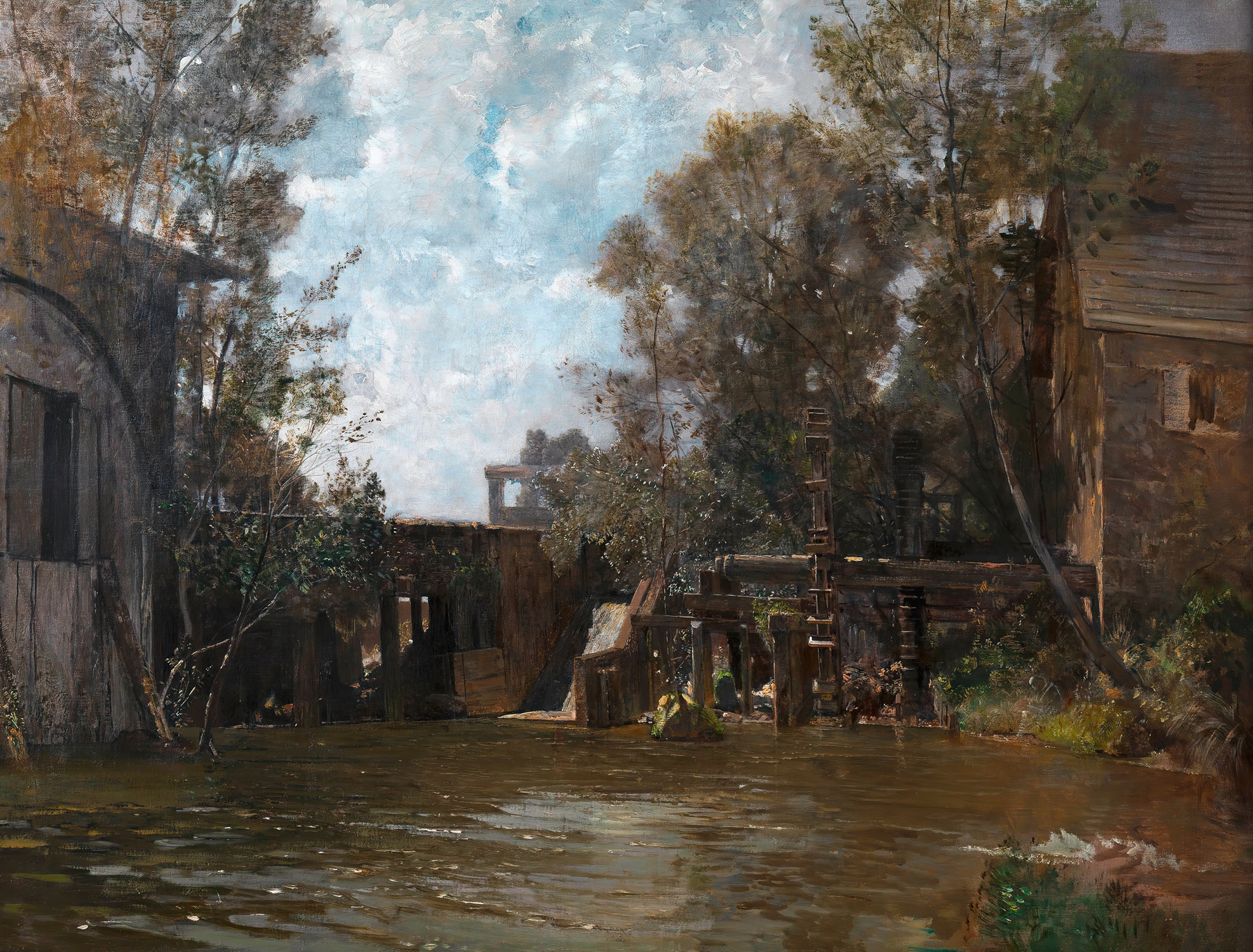
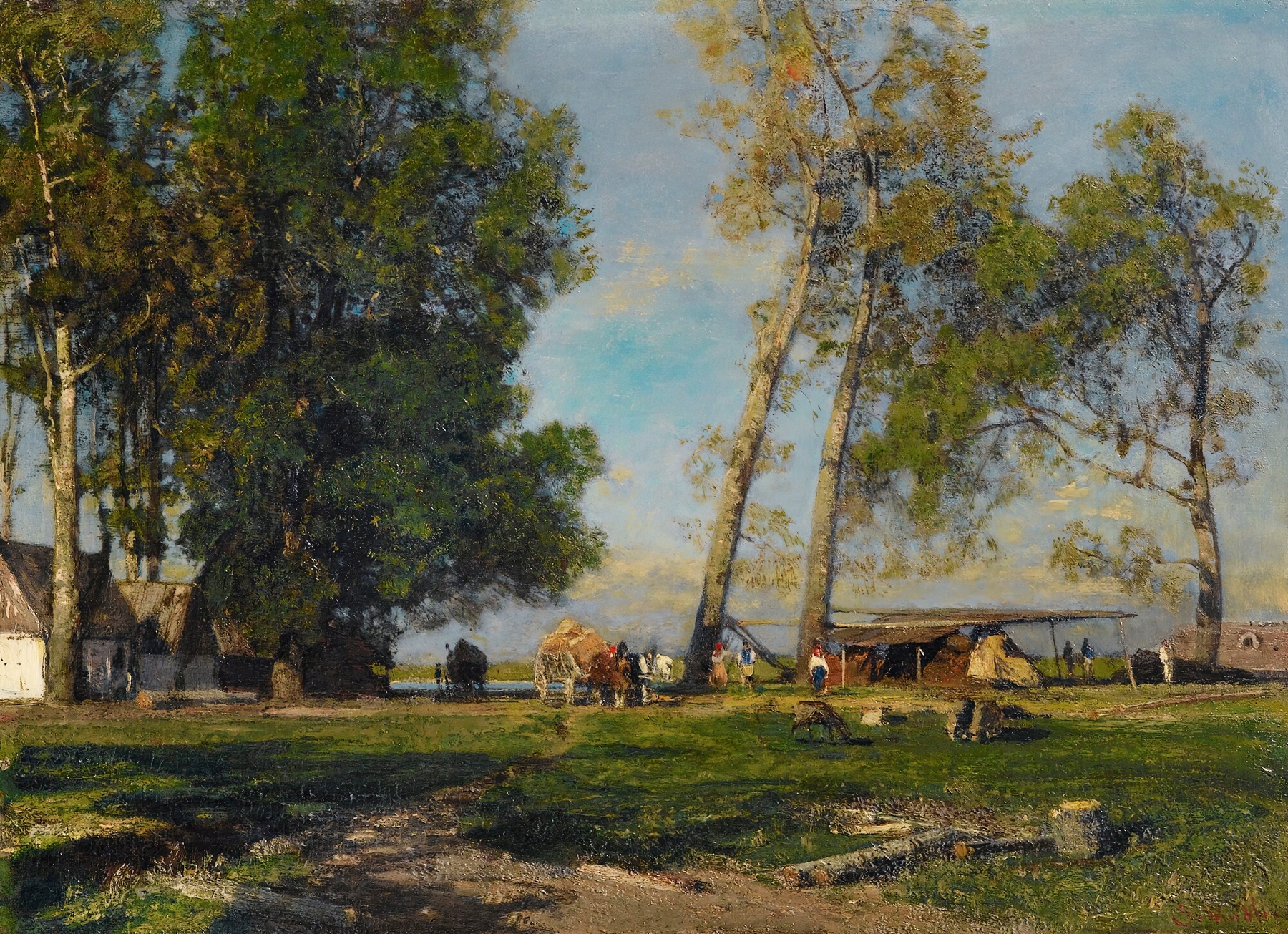
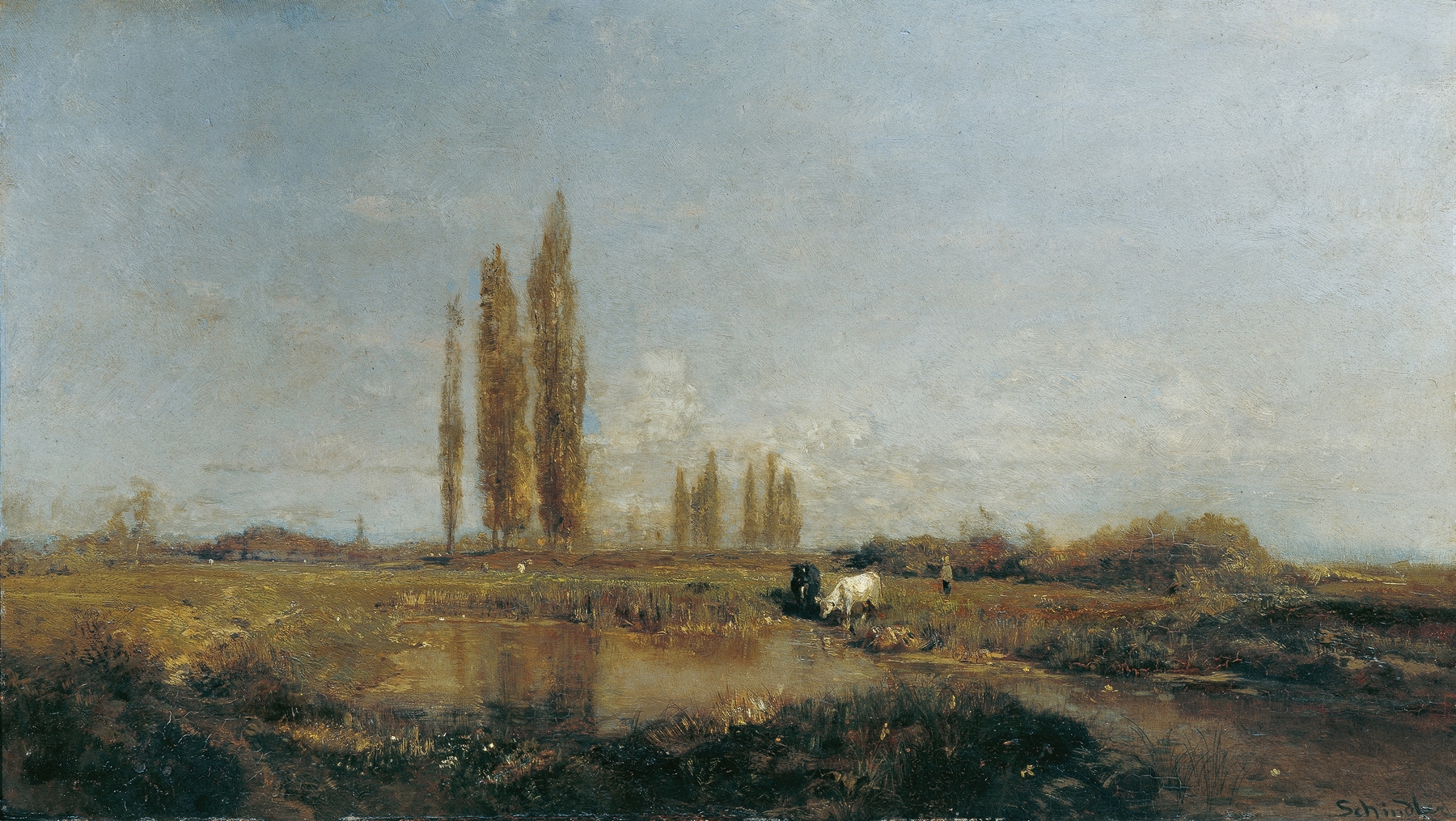
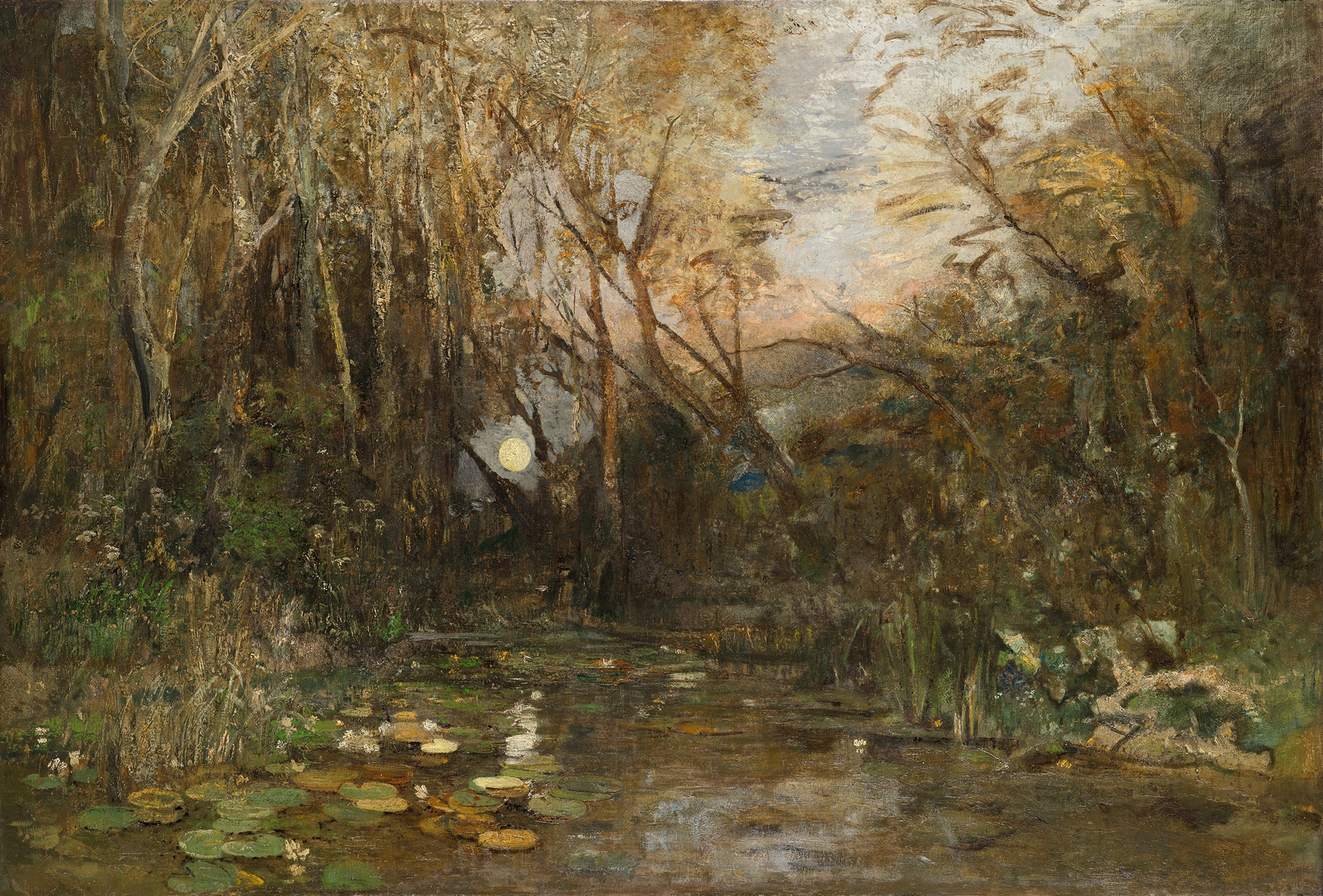
“Every brushstroke is a heartbeat remembered.” In a world where truth often feels elusive, how does art reveal the essence of our experiences? In Partie bei Haslau an der Donau, the viewer is drawn first to the vibrant greenery that envelops the scene. Look to the central figures as they engage in heartfelt conversation beneath a canopy of trees, their intimate gestures capturing the essence of camaraderie. The warm, dappled light filtering through the foliage bathes their faces in golden hues, emphasizing the joy of shared company.
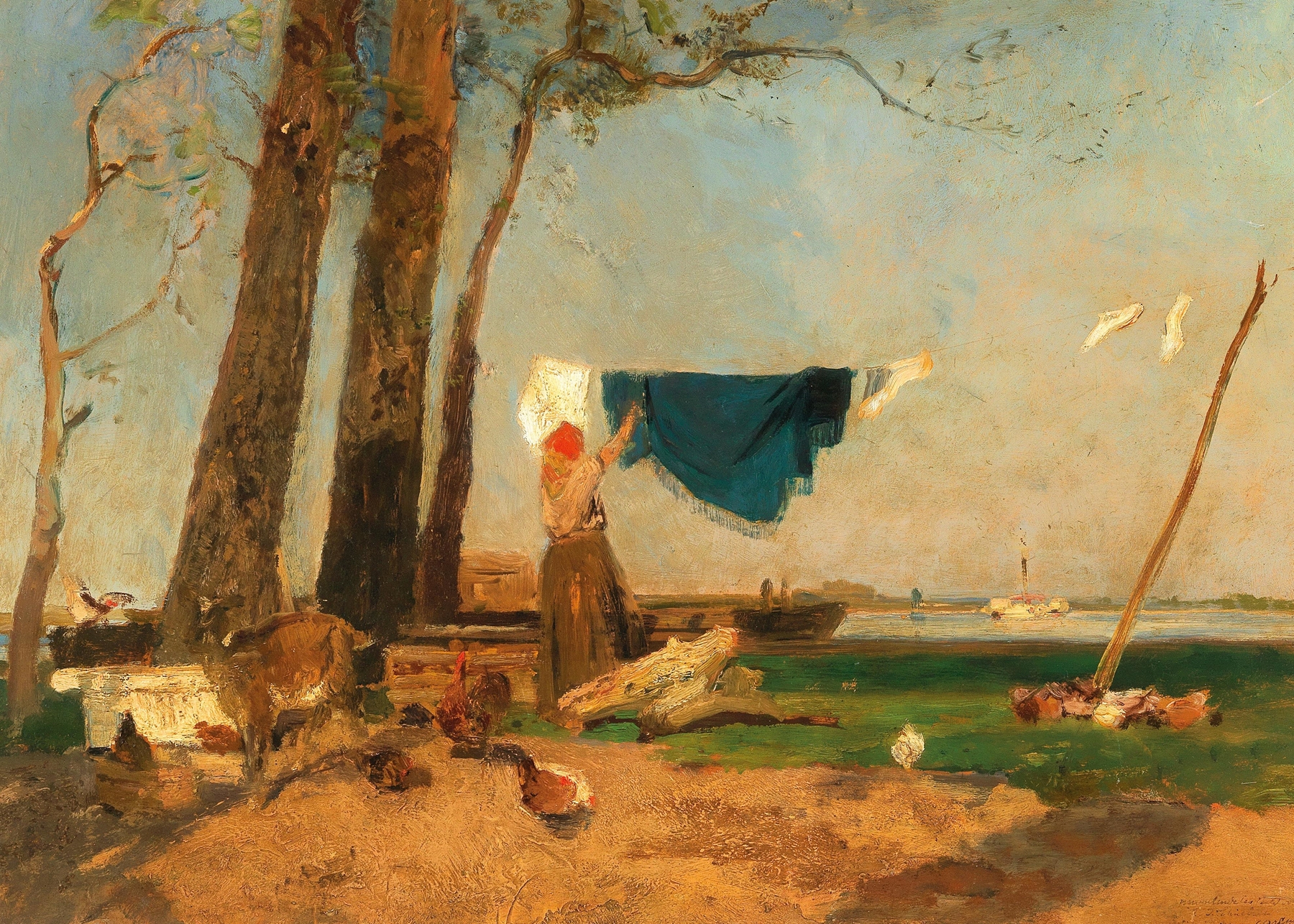
Schindler’s masterful use of color and light creates an atmosphere that is both inviting and contemplative, drawing the eye across the canvas with each nuanced stroke. As you explore further, you’ll notice the contrasting elements of nature and civilization. The figures, though relaxed and joyous, are set against a backdrop of cultivated landscape, suggesting a delicate balance between human life and the natural world. The flurry of activity in the background — a distant boat gliding on the river — underscores a sense of movement and the intertwining of human experience with the ever-flowing passage of time.
Each detail, from the flicker of leaves to the distant horizon, conveys layers of emotional tension, inviting the viewer to reflect on their own connections to place and community. Schindler painted this work between 1879 and 1880 while living in Vienna, a period marked by a vibrant art scene influenced by realism and impressionism. At this time, he was captivated by the beauty of the Danube region, seeking to capture its essence on canvas. The shifting dynamics in his life, combined with the burgeoning interest in plein air painting, significantly impacted his artistic approach, as he strived to express the truth of human experience against the backdrop of nature.