
Portrait d’un Noir — History & Facts
Few paintings have become as closely linked to the fight for human dignity as Portrait d’un Noir by Théodore Géricault. When this work was first exhibited in Paris, it was widely believed to be a preparatory study for The Raft of the Medusa, but it soon took on a life of its own. Its subject, often identified as Joseph, a model of African descent who posed for several of Géricault’s major works, became an emblem of abolitionist sentiment in early 19th-century France.
The painting’s direct gaze and psychological intensity challenged contemporary viewers to confront the humanity of its sitter at a time when debates over slavery were raging across Europe. The man in the painting meets the viewer’s eyes with a calm, searching expression. His head is turned slightly, catching the light across his brow and cheek, while the background dissolves into shadow, focusing all attention on his face. There are no props, no distractions—only the sitter’s presence, rendered with a sensitivity unusual for portraits of Black subjects in the era.
Unlike Ingres’s more decorative depictions of people of color, Géricault insists on individuality and dignity. The sitter’s posture, neither defiant nor submissive, suggests a quiet resilience, and the loose, painterly brushwork gives the portrait a sense of immediacy and honesty. The exact origins and commission of Portrait d’un Noir are still debated by art historians, as the painting lacks a clear date and provenance. It is generally agreed that Géricault painted it during the years surrounding The Raft of the Medusa (1818–1819), a period when he was deeply engaged with themes of injustice and human suffering.
The painting has passed through private collections and was not widely known until it entered public view in the 20th century. Today, it stands as a testament to Géricault’s radical empathy and his place at the forefront of the Romantic movement, continuing to spark conversations about representation and the power of portraiture.
More Artworks by Théodore Géricault
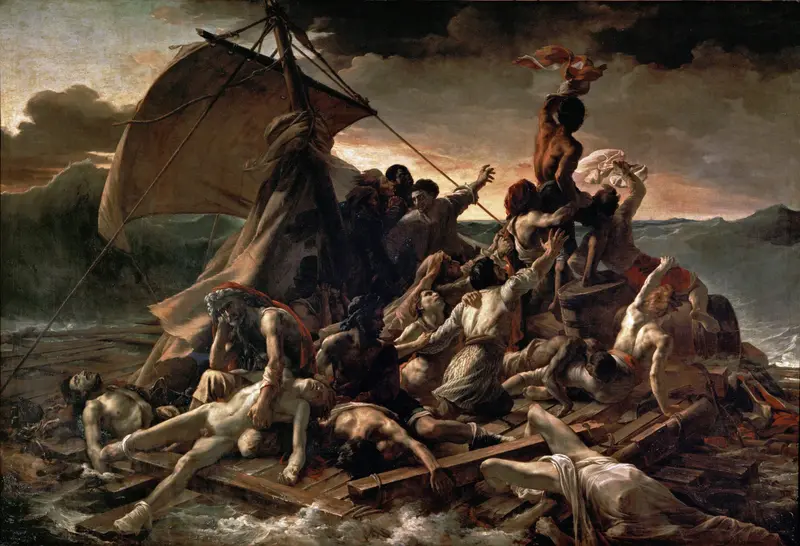
The Raft of the Medusa
Théodore Géricault

Géricault - Le naufrage du radeau de la Méduse, MBA 790
Théodore Géricault
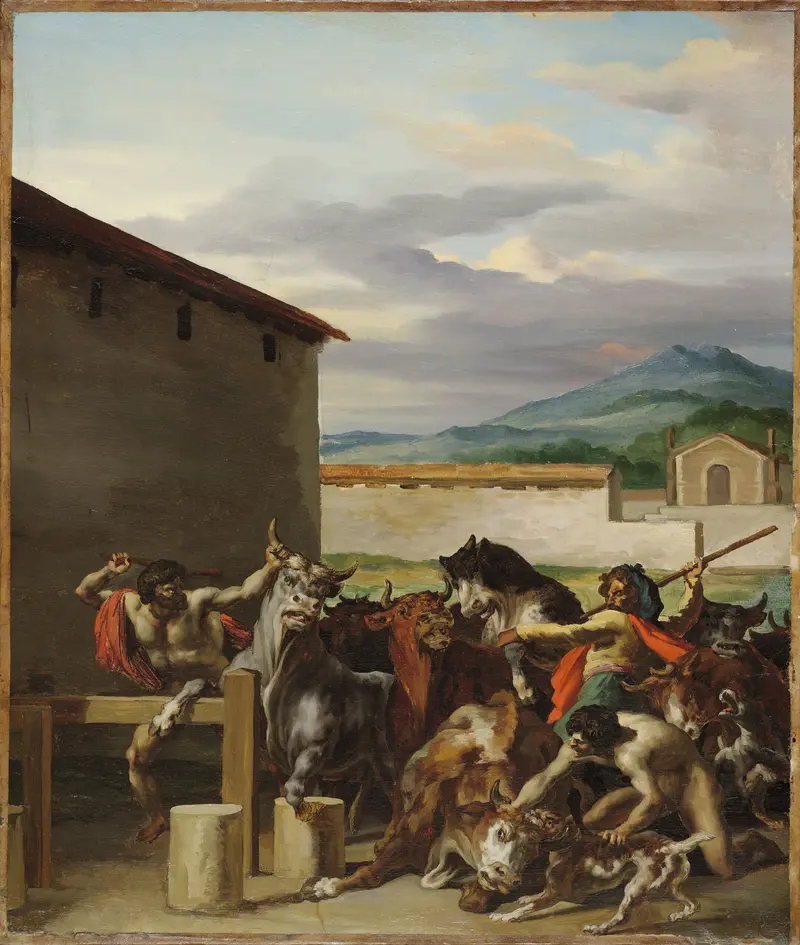
Cattle Market
Théodore Géricault
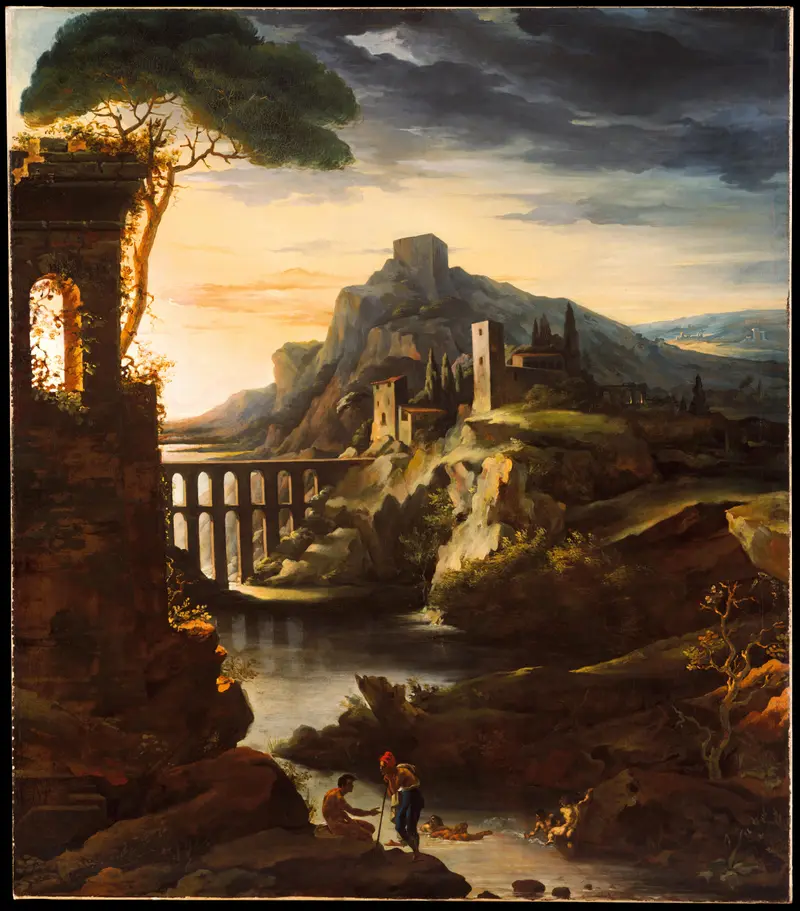
Evening; Landscape with an Aqueduct
Théodore Géricault
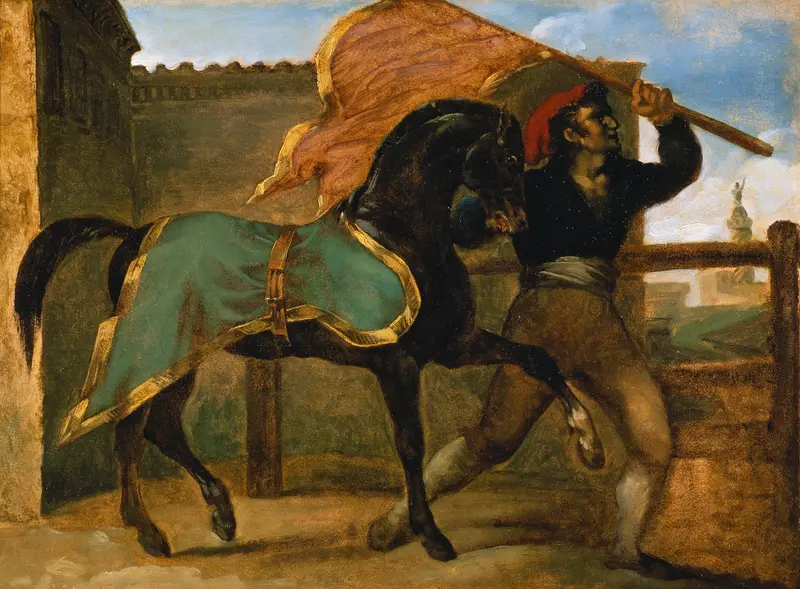
Horse Race
Théodore Géricault

Horses Standing in a Mews
Théodore Géricault
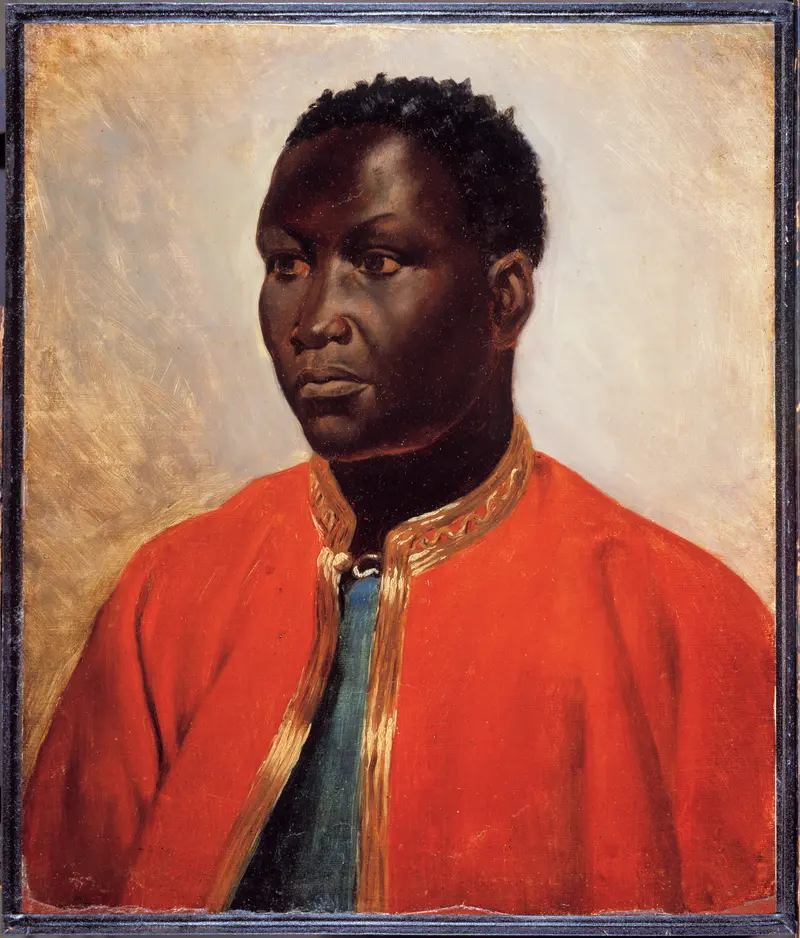
Portrait of a Negro
Théodore Géricault
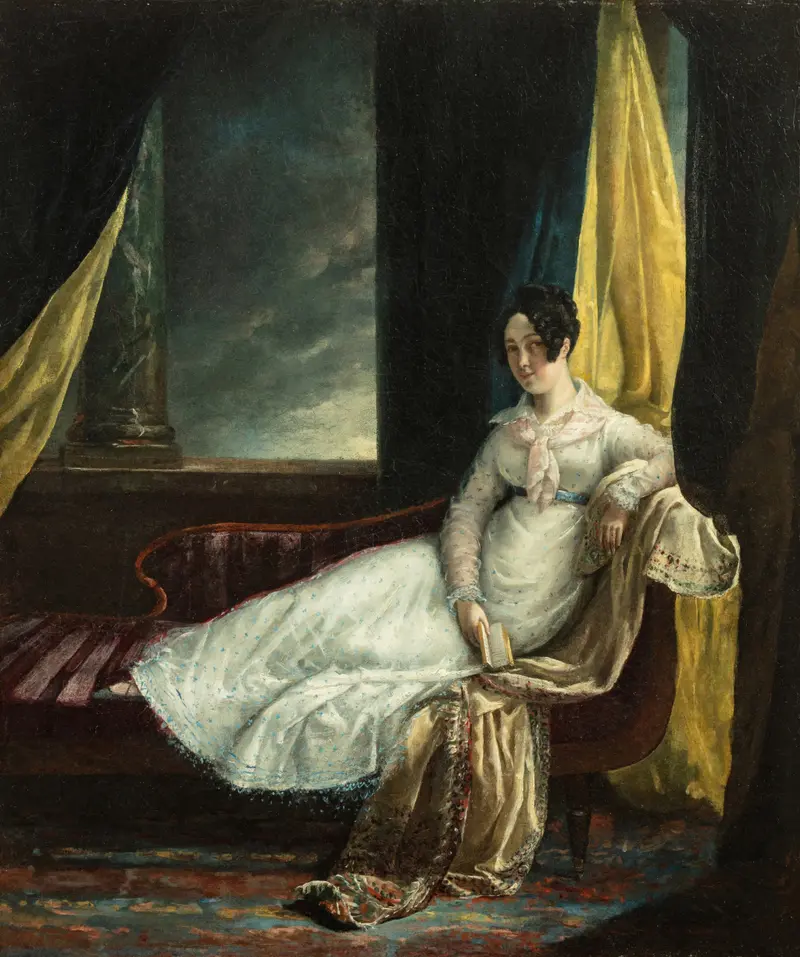
Portrait of Zoë Elmore
Théodore Géricault
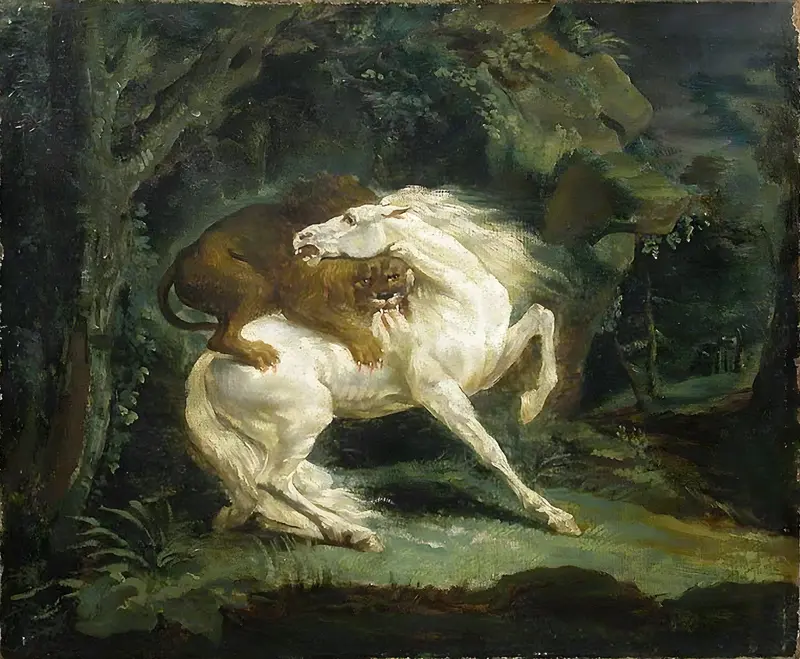
Cheval attaqué par un lion
Théodore Géricault
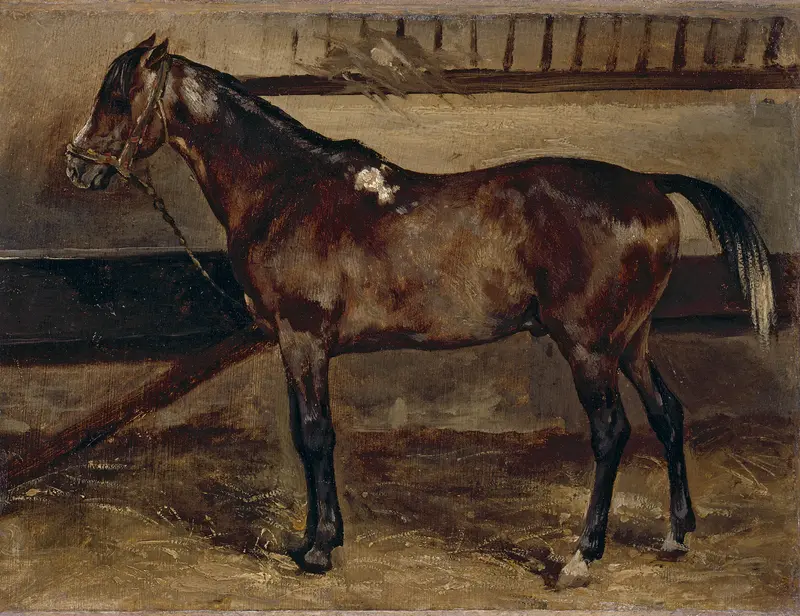
Cheval brun à l'écurie
Théodore Géricault





