
Portrait of a Cardinal — History & Facts
The most intriguing aspect of Portrait of a Cardinal is that, despite its fame and the hand of Raphael, the sitter’s identity remains a mystery. Over centuries, scholars have debated whether the subject is Alessandro Farnese, future Pope Paul III, or another high-ranking churchman from the artist’s Roman circle. No contemporary document records the commission, and no inscription reveals the cardinal’s name.
This uncertainty has only deepened the painting’s allure, drawing viewers and art historians alike into a centuries-old guessing game. The cardinal sits three-quarters to the viewer, his gaze both direct and reserved, dressed in the rich, deep red of ecclesiastical power. The folds of his mozzetta and the delicate white of his rochet are rendered with a precision that speaks of both wealth and spiritual authority. Raphael’s attention to the sitter’s hands—resting calmly, one gloved, one bare—suggests both readiness and restraint, a man accustomed to wielding influence with subtlety.
The soft light models his features, giving the cardinal a humanity that contrasts with the more formal, distant portraits of churchmen by earlier artists like Perugino. Where Perugino favored symmetry and idealized calm, Raphael brings psychological presence, hinting at the inner life of his anonymous subject. As with many of Raphael’s portraits, the painting’s early history is obscure. It likely dates from his Roman period, around 1510-1511, when he was at the height of his powers and in demand among the papal court.
The work has passed through the hands of several European collections, its attribution to Raphael never seriously doubted, though the lack of documentation has left room for speculation. Today, Portrait of a Cardinal is admired not only for its technical brilliance but also as a key example of Raphael’s mature portrait style—combining psychological insight with refined elegance. Its place in the artist’s career marks a turning point, when portraiture became as important to him as grand religious commissions.
More Artworks by Raphael

Madonna of the Goldfinch
Raphael

Madonna with the Fish
Raphael
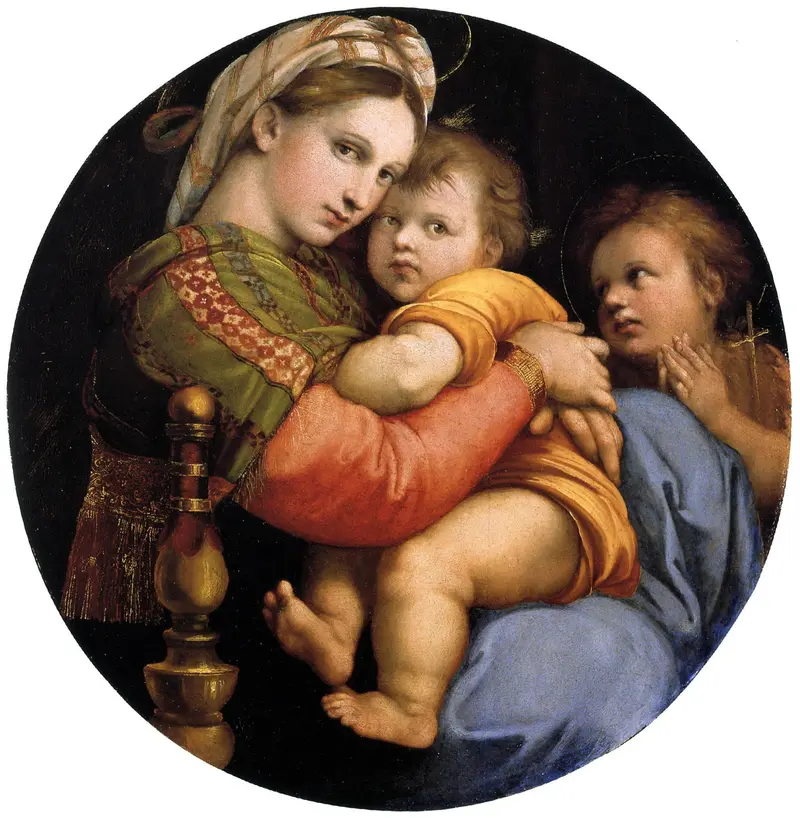
Madonna and Child (Madonna della Seggiola)
Raphael
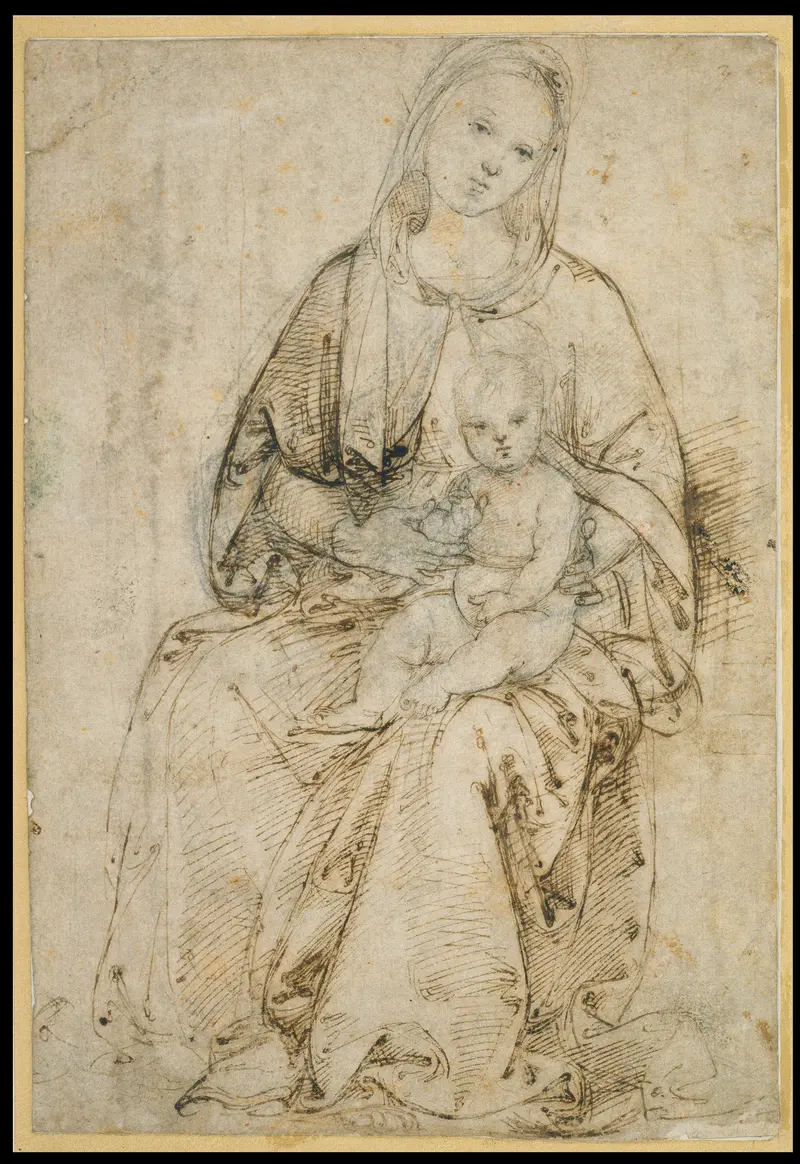
Seated Madonna and Child
Raphael
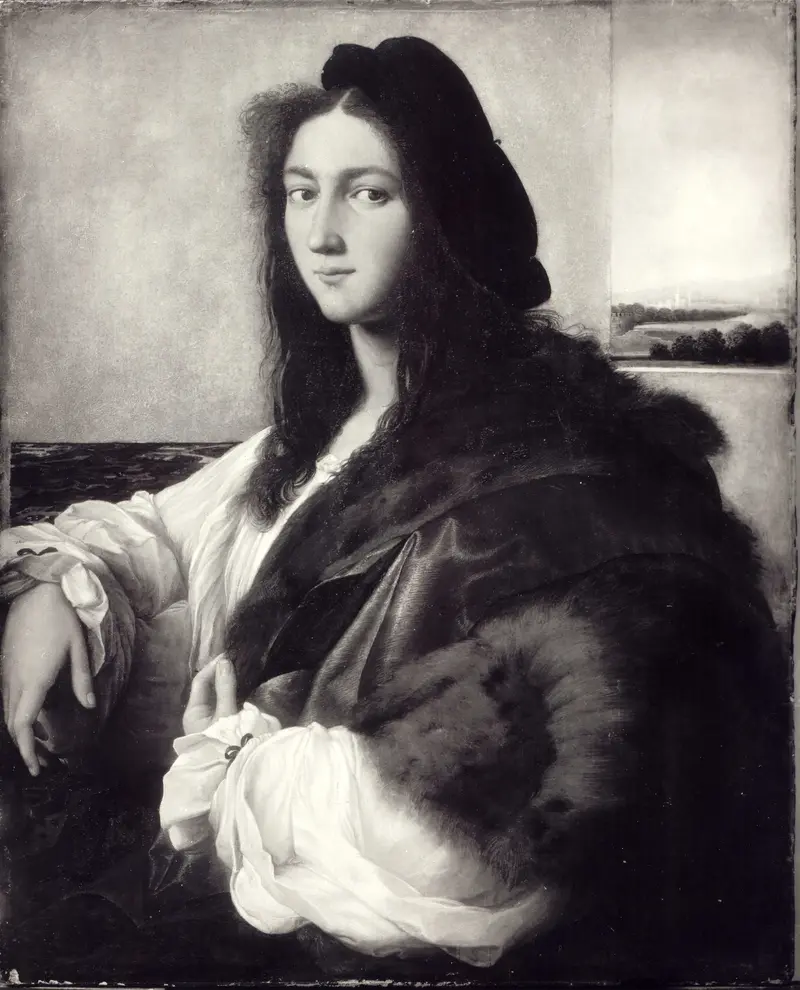
Portrait of a Young Man
Raphael
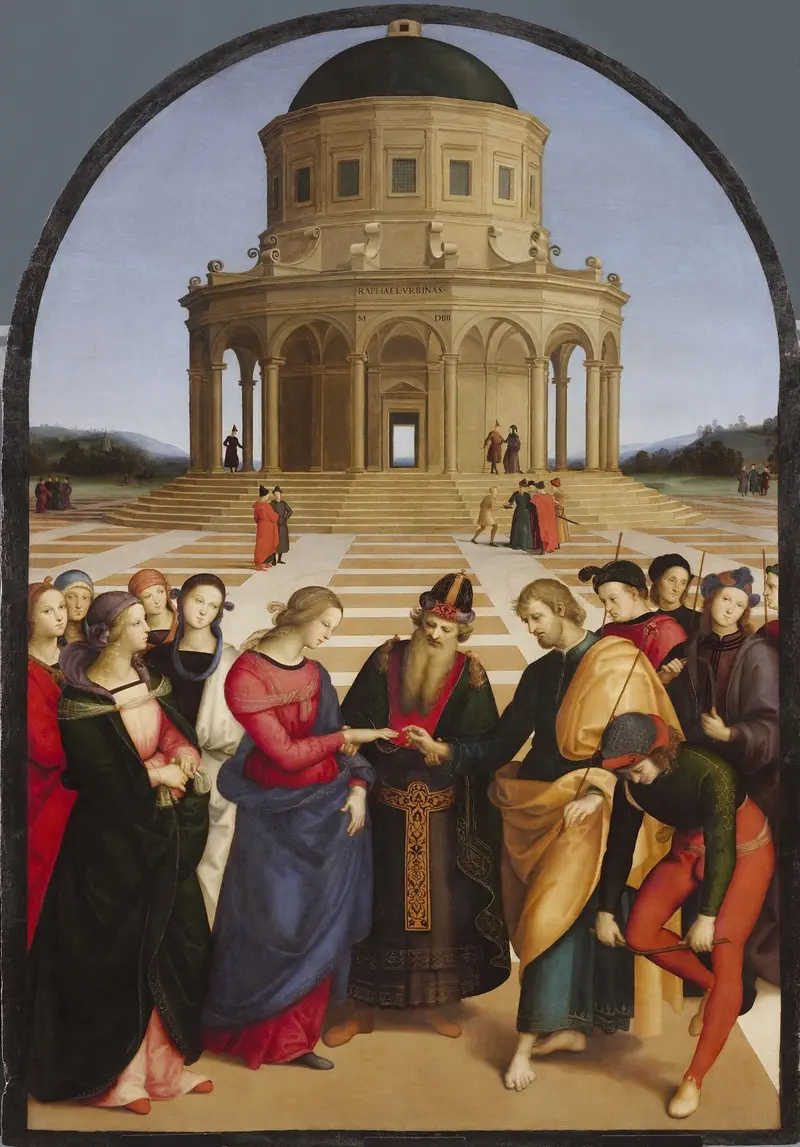
The Marriage of the Virgin
Raphael
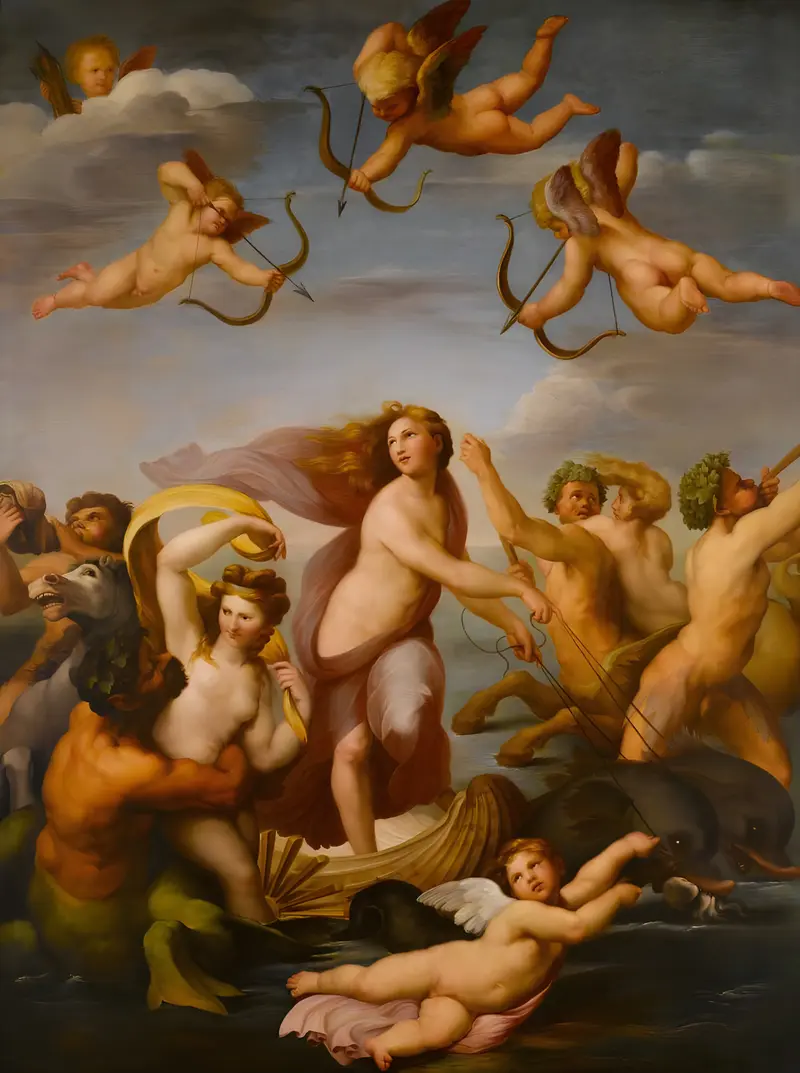
The Triumph of Galatea (copy after Raphael)
Raphael
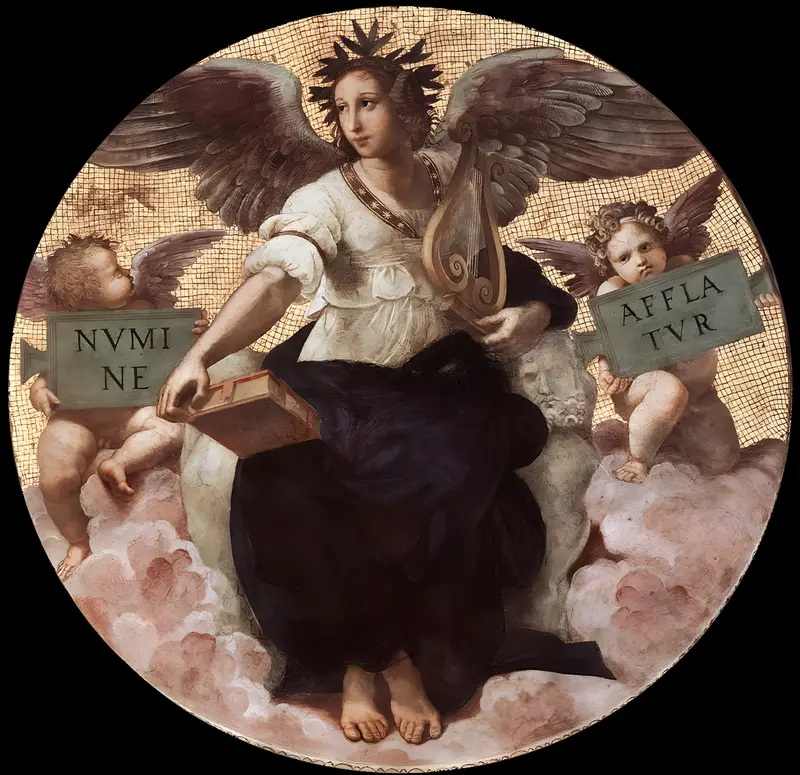
Poetry
Raphael
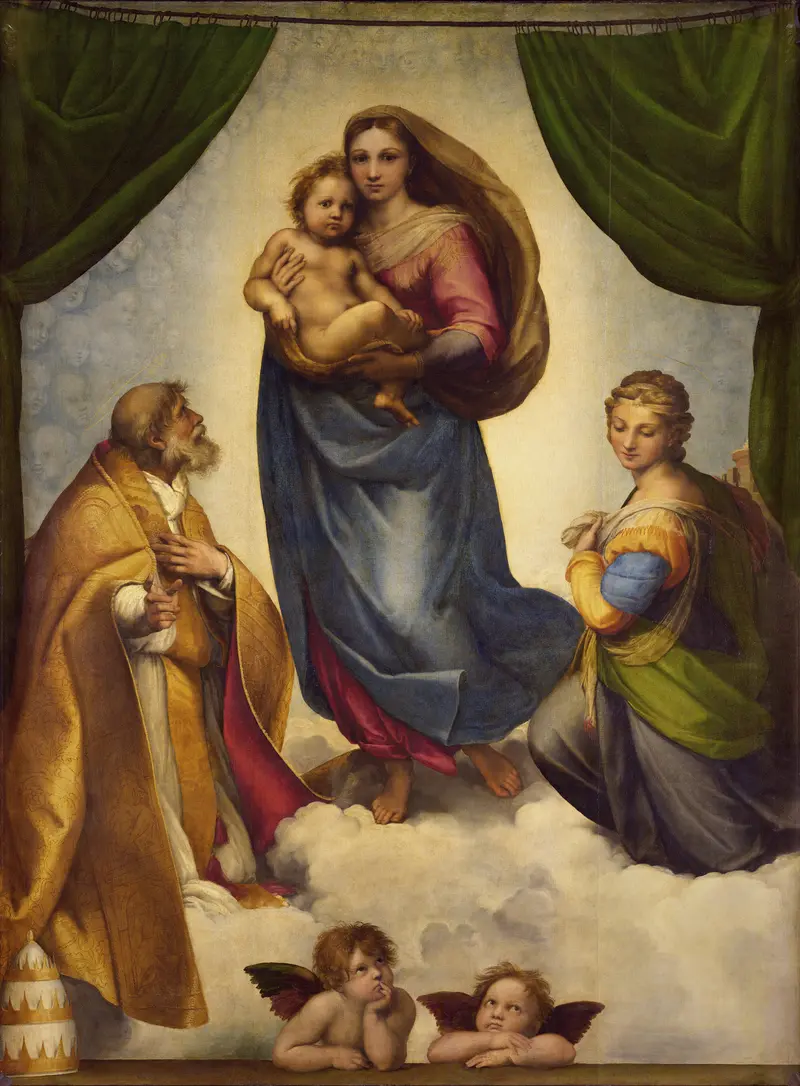
Sistine Madonna
Raphael
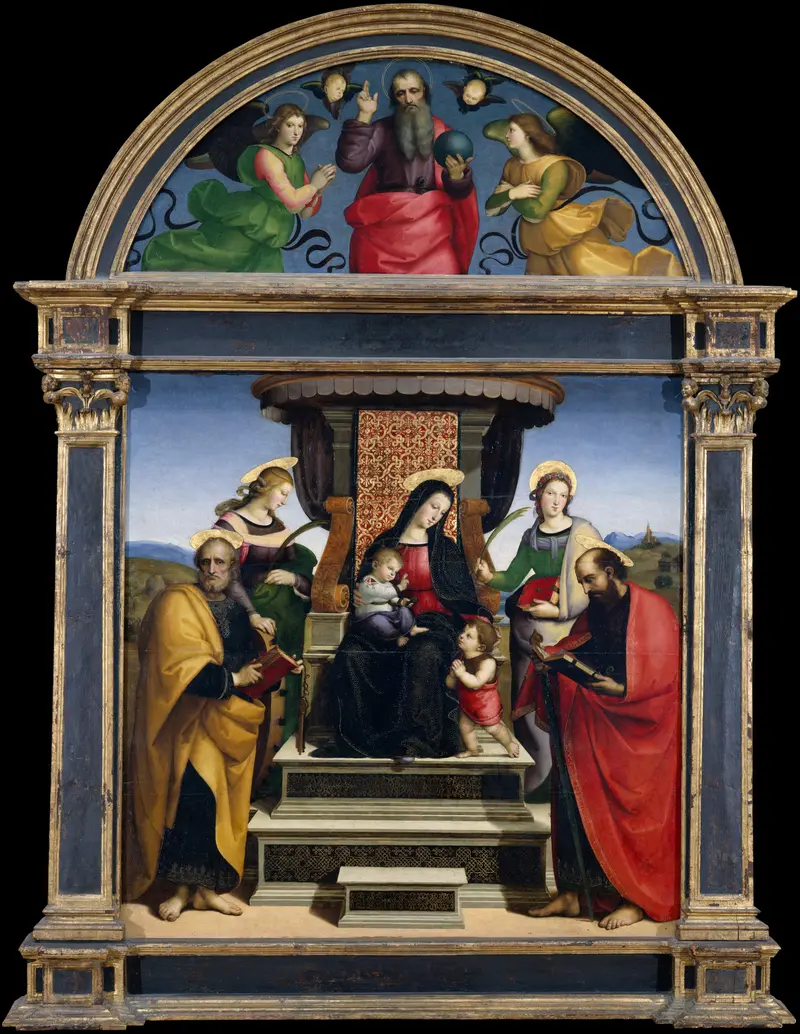
Madonna and Child Enthroned with Saints
Raphael





