
Portrait of a Kleptomaniac — History & Facts
Few portraits in Western art are as unsettling in their honesty as Portrait of a Kleptomaniac by Théodore Géricault. Painted in 1820, this work is one of a remarkable series of studies Géricault made of patients at the Salpêtrière asylum in Paris, commissioned by the pioneering psychiatrist Étienne-Jean Georget. Rather than depicting aristocrats or generals, Géricault turned his attention to the marginalized, seeking to capture the faces of mental illness with the same gravity and dignity as any official portrait.
This series, sometimes called the "monomaniac" portraits, was radical in its time: never before had the symptoms of madness been treated as worthy of such close, compassionate observation. The sitter in Portrait of a Kleptomaniac is caught at a moment of uneasy stillness. His gaze is distant, his lips pressed tight, his hair unkempt—details that speak to a mind troubled by compulsion and isolation. Géricault’s brushwork is direct and unflinching, the palette somber, the background stripped of distraction.
The light falls across the man's face, emphasizing the furrowed brow and the haunted eyes, inviting the viewer to look past the label of "thief" and see the suffering individual. Unlike Francisco de Goya’s depictions of madness, which often verge on caricature, Géricault’s approach is clinical yet empathetic, making no attempt to sensationalize or judge. As an object, Portrait of a Kleptomaniac was not painted for public exhibition, but as part of Géricault’s research into the human psyche following his monumental work The Raft of the Medusa. The painting’s early history is not fully documented, and it was long overshadowed by Géricault’s larger, more dramatic canvases.
Today, it is recognized as a key work in the development of psychological portraiture and is held in the Musée des Beaux-Arts de Lyon. The series marks a turning point in both art and medicine, reflecting the Romantic era’s fascination with the inner workings of the mind, and Géricault’s own restless search for truth in the human condition.
More Artworks by Théodore Géricault
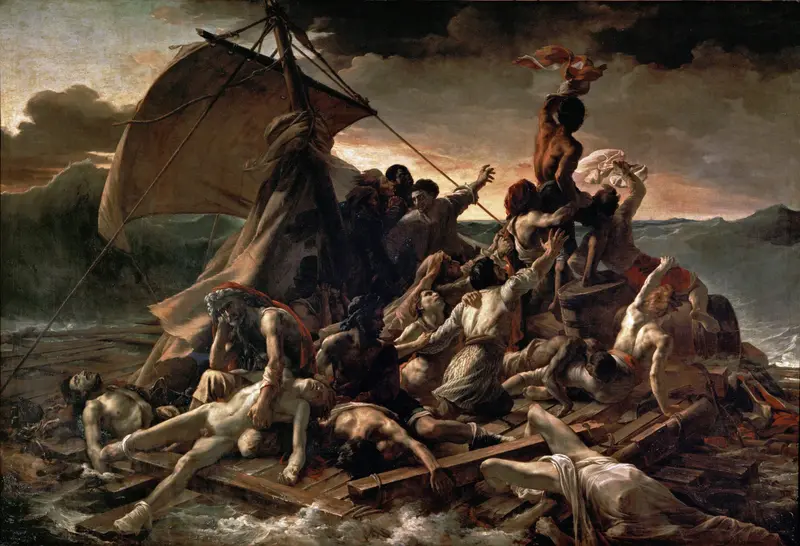
The Raft of the Medusa
Théodore Géricault

Géricault - Le naufrage du radeau de la Méduse, MBA 790
Théodore Géricault
Cattle Market
Théodore Géricault
Evening; Landscape with an Aqueduct
Théodore Géricault
Horse Race
Théodore Géricault

Horses Standing in a Mews
Théodore Géricault
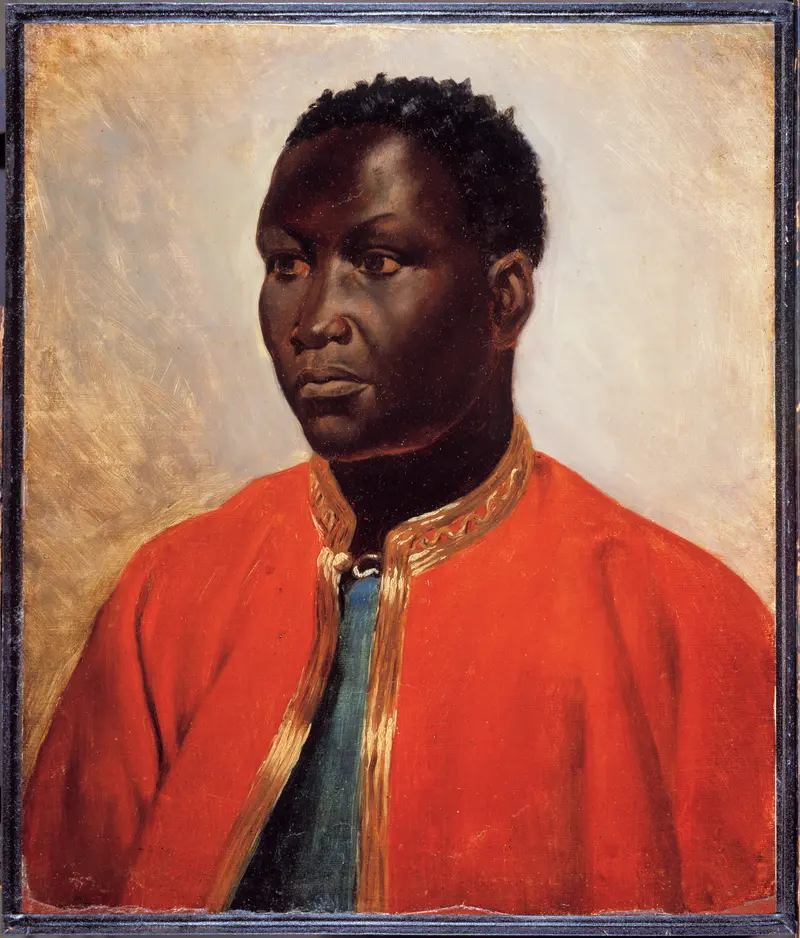
Portrait of a Negro
Théodore Géricault
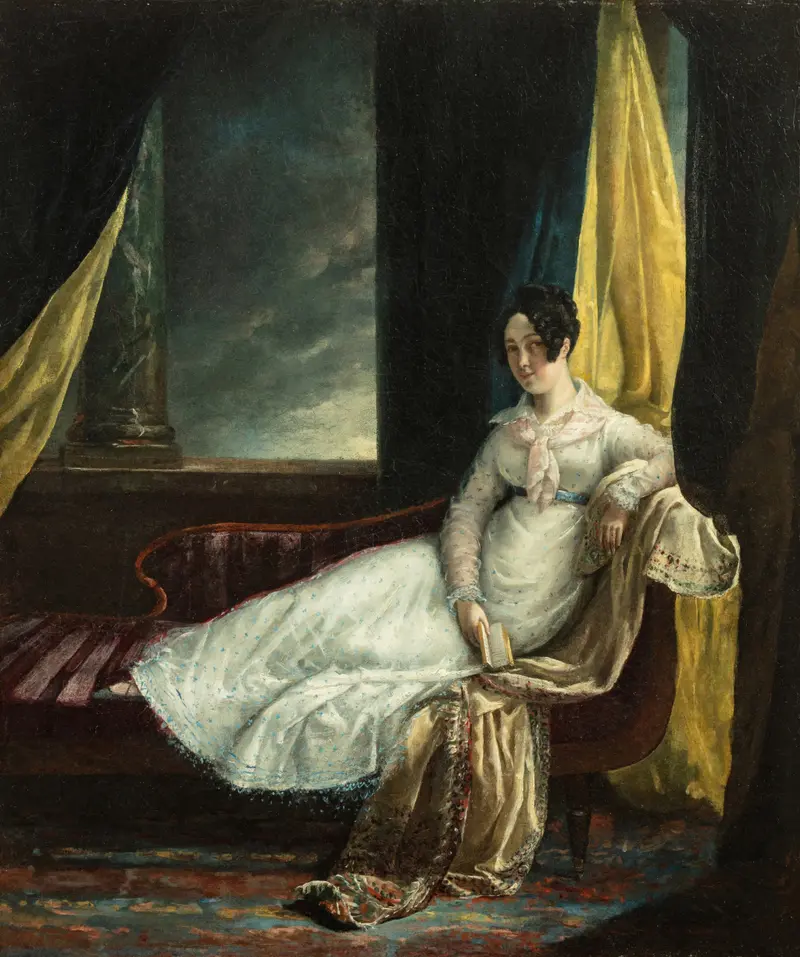
Portrait of Zoë Elmore
Théodore Géricault
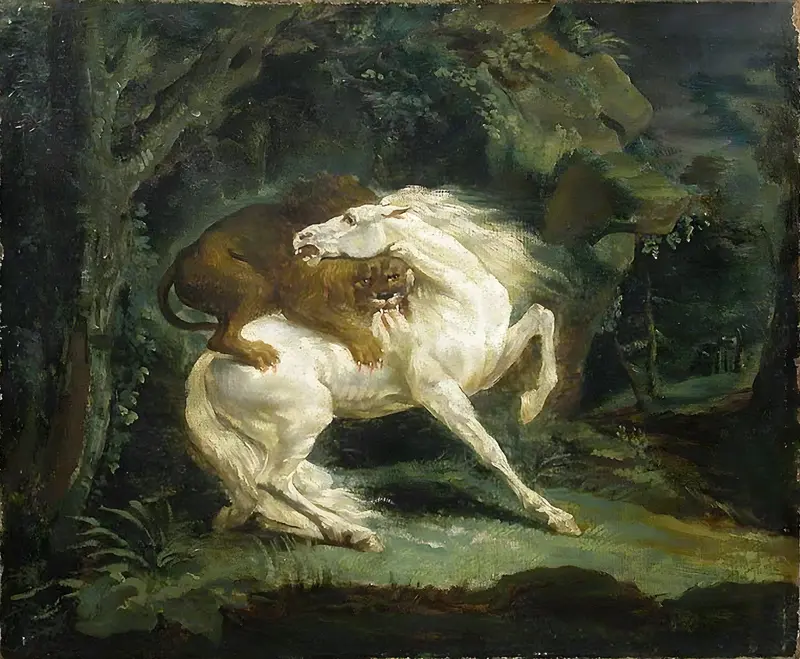
Cheval attaqué par un lion
Théodore Géricault
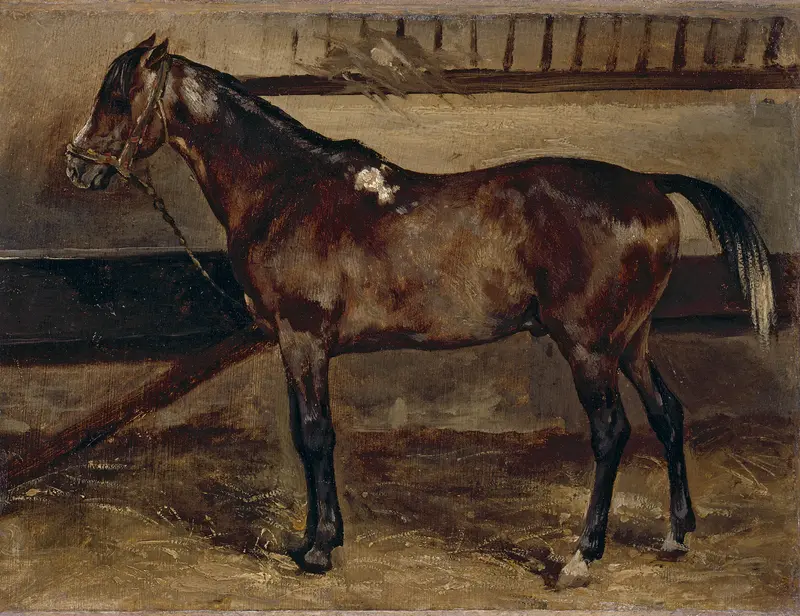
Cheval brun à l'écurie
Théodore Géricault





