
Portrait of two fisherboys with one holding a crab — History & Facts
Few paintings by Frans Hals have sparked as much curiosity as Portrait of two fisherboys with one holding a crab, for the simple reason that its subject—two street children from Haarlem—was so rarely granted a place of honor in 17th-century portraiture. In an age when most artists reserved their skills for the wealthy or the pious, Hals turned his brush to the city’s working poor, capturing their quick wit and rough charm. The painting’s date, 1629, places it at the height of Hals’s reputation, when his lively manner was already the talk of the Dutch Republic. The scene is caught in a moment of laughter: one boy, grinning broadly, displays a wriggling crab, while his companion leans in, perhaps teasing or daring him.
Hals’s loose, energetic brushwork animates the boys’ faces and hands, the crab’s claws vivid against the muted background. Their clothes are patched and worn, yet their expressions are full of mischief and life, suggesting a world beyond poverty—a world of camaraderie and resourcefulness. Unlike the moralizing tone of Jan Steen’s genre scenes, Hals offers no lesson, only a glimpse of real childhood.
The crab itself, a humble catch, may hint at the boys’ daily struggle for survival, but also at their pride and ingenuity. The precise origins of Portrait of two fisherboys with one holding a crab remain uncertain; no commission or patron is recorded, and the painting’s early history is lost. Works of this type—genre portraits of ordinary people—were likely painted for the open market, catering to the tastes of Haarlem’s prosperous burghers. Over the centuries, the painting has passed through several private collections, occasionally misattributed but now firmly recognized as a work by Frans Hals.
Today, it stands as a testament to the artist’s fascination with the vitality of everyday life, and to the enduring appeal of his quick, honest eye.
More Artworks by Frans Hals

Banquet of the Officers of the St George Civic Guard
Frans Hals

Portrait of Jacob Pietersz Olycan (1596-1638)
Frans Hals
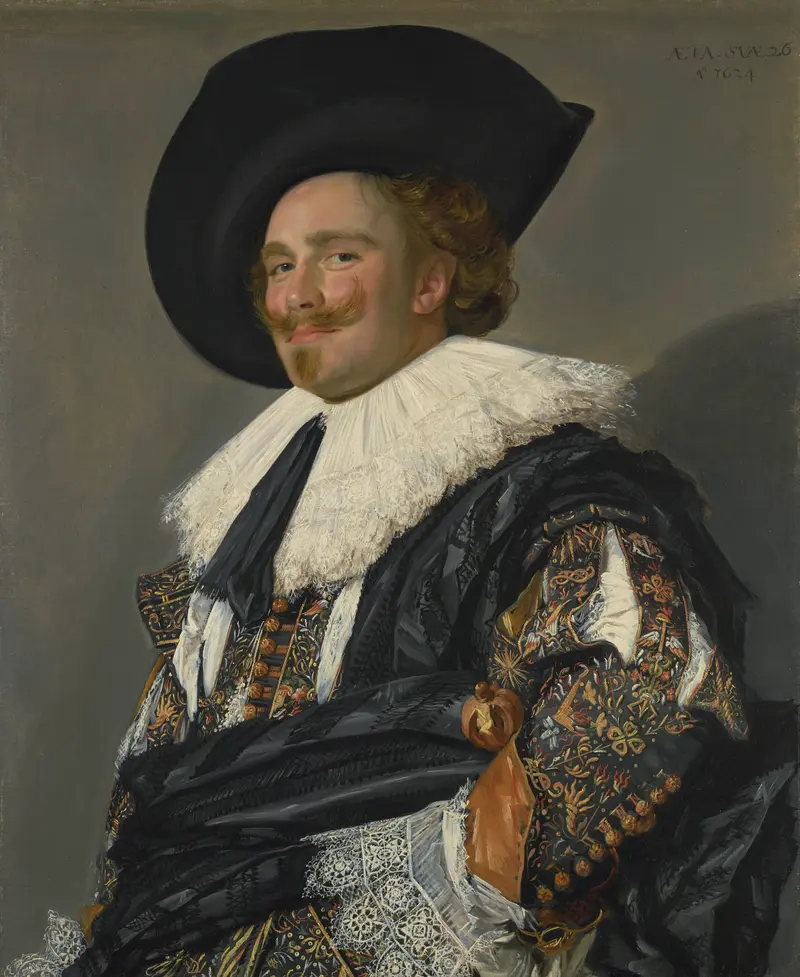
Laughing Cavalier
Frans Hals

Militia Company of District XI under the Command of Captain Reynier Reael, Known as ‘The Meagre Company’
Frans Hals
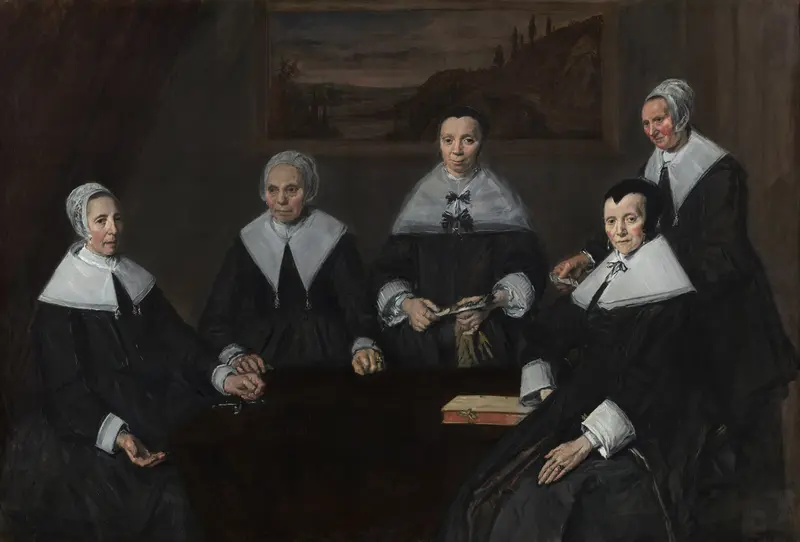
Regentesses of the Old Men's Alms House
Frans Hals
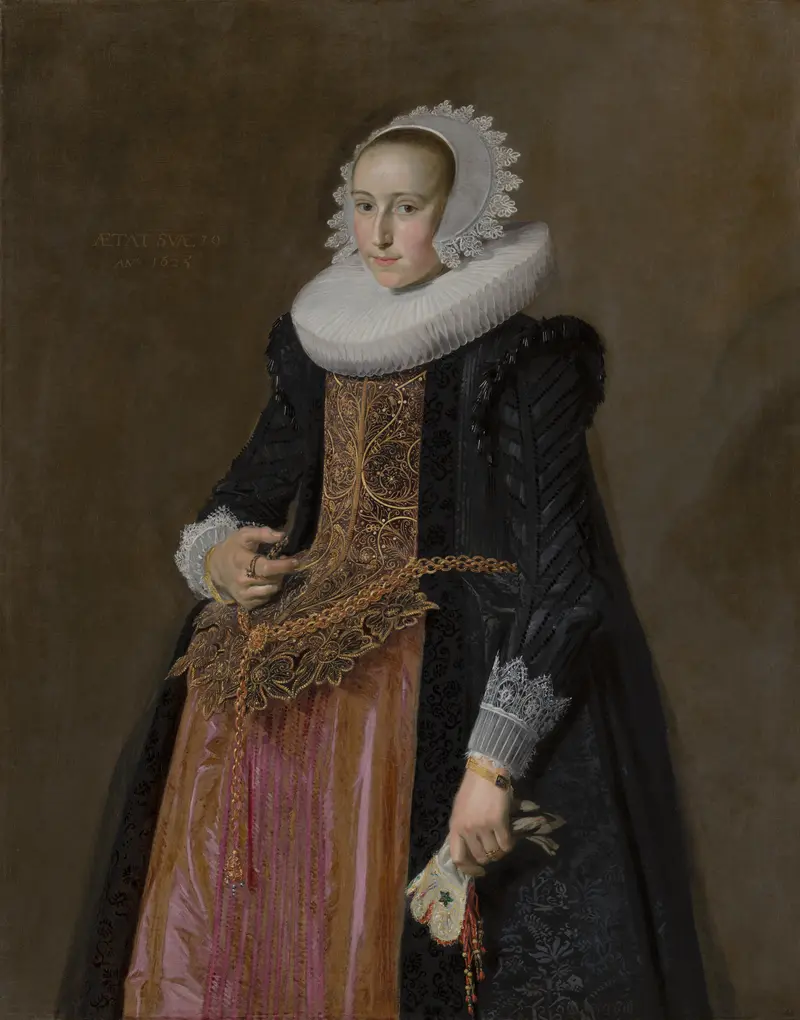
Portrait of Aletta Hanemans (1606–1653)
Frans Hals
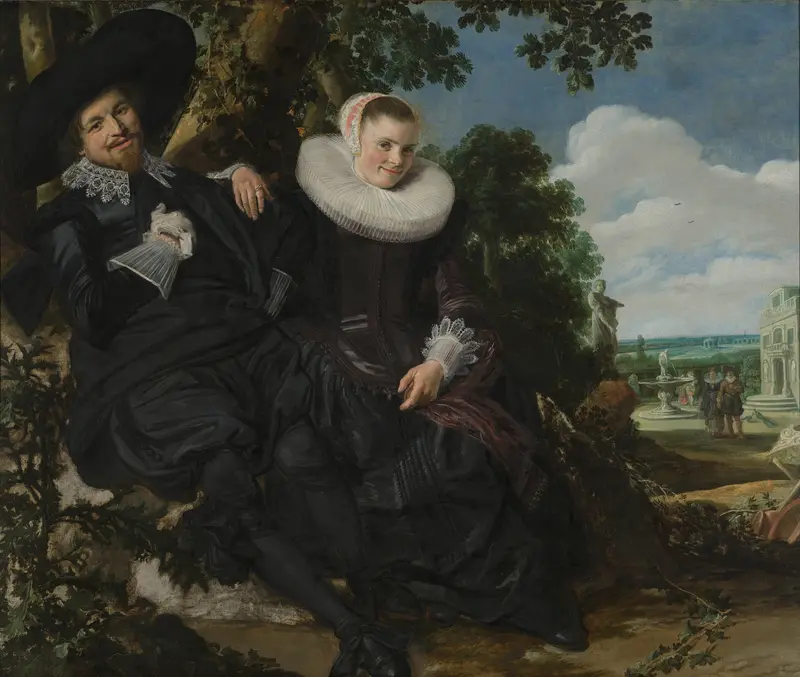
Portrait of a Married Couple, Likely Isaac Abrahamsz Massa and Beatrix van der Laen
Frans Hals
The Merry Drinker
Frans Hals
Portrait of Paulus Verschuur
Frans Hals
Portrait of Pieter van den Broecke
Frans Hals
More Genre Scene Art
Banquet of the Officers of the St George Civic Guard
Frans Hals

Rembrandt and Saskia in the Scene of the Prodigal Son
Rembrandt van Rijn

Bal du moulin de la Galette
Pierre-Auguste Renoir

Quadrille at the Moulin Rouge
Henri de Toulouse-Lautrec

A Burial at Ornans
Gustave Courbet

When Will You Marry?
Paul Gauguin