
Portrait Of William Murray, Esq — History & Facts
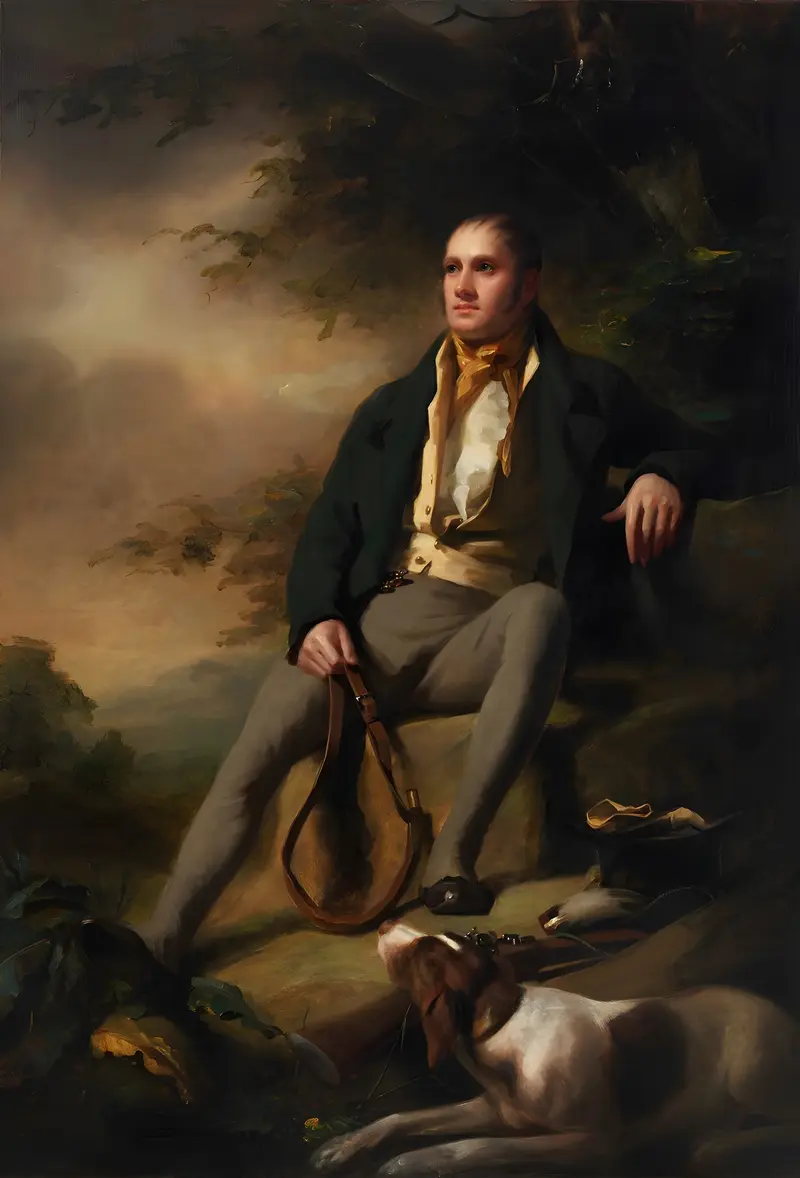
When Sir Henry Raeburn painted Portrait Of William Murray, Esq, he was already celebrated for capturing the rising Scottish elite with a directness that set him apart from his contemporaries. The sitter, William Murray, was a prominent Edinburgh lawyer whose reputation for wit and reformist ideals made him a fixture in the city’s legal circles. Raeburn’s portraits were often commissioned by ambitious men keen to assert their place in a rapidly changing Scotland, and this painting is believed to have been created during the early 19th century, when the artist was at the peak of his powers.
Unlike many of Raeburn’s sitters, Murray’s likeness has not been widely reproduced, making this work a rare glimpse into the personal ambitions of Edinburgh’s professional class. Murray is caught in a moment of poised reflection, his gaze directed just beyond the viewer as if considering a case yet to be argued. The crisp white collar and black coat speak to his legal profession, while the relaxed posture—one hand resting lightly on a chair—suggests a man comfortable in his authority. Raeburn’s signature use of natural light falls across Murray’s face, highlighting the sharpness of his features and the intelligence in his eyes.
This approach differs from the grander, more theatrical portraits of Sir Thomas Lawrence, whose sitters often appear elevated by allegory; Raeburn, by contrast, grounds Murray in the tangible world of civic duty and personal achievement. The painting’s early history remains somewhat obscure, as records of its first owner and exhibition are lacking. It is likely that the portrait remained in the Murray family or among Edinburgh’s legal fraternity for much of the 19th century, as was common with Raeburn’s private commissions. Over time, the work has come to be recognized as a fine example of Raeburn’s mature style, marked by psychological insight and a keen sense of character.
Today, Portrait Of William Murray, Esq stands as a testament to both the ambitions of its sitter and the enduring appeal of Raeburn’s honest, direct approach to portraiture. Its precise journey to the present collection is not fully documented, but its place within the tradition of Scottish portraiture is secure.
More Artworks by Sir Henry Raeburn

Portrait of Hugh Hope
Sir Henry Raeburn
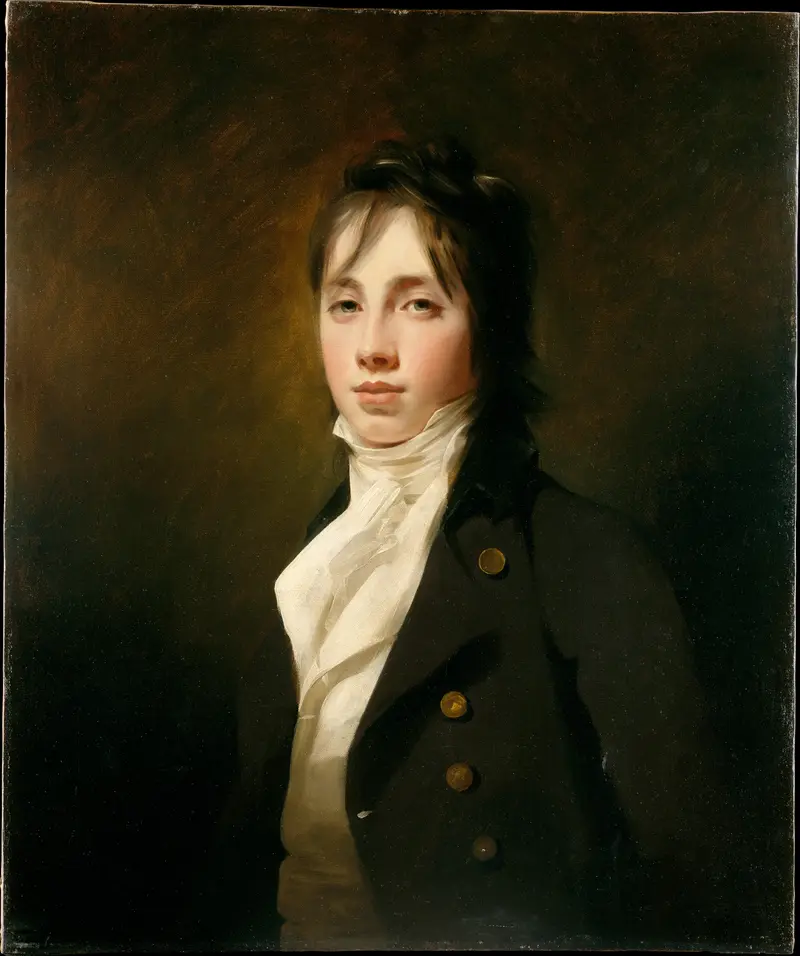
William Fraser of Reelig (1784–1835)
Sir Henry Raeburn
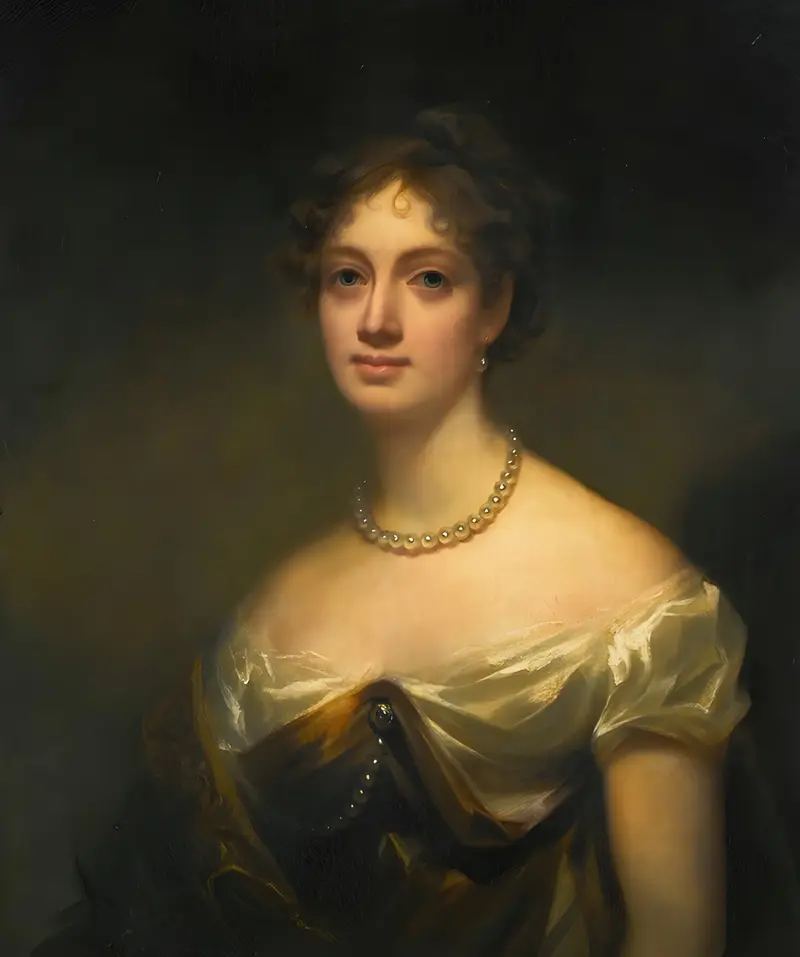
Portrait Of Anne Blair Maconochie Welwood Of Garvock, Lady Meadowbank (1784–1866)
Sir Henry Raeburn
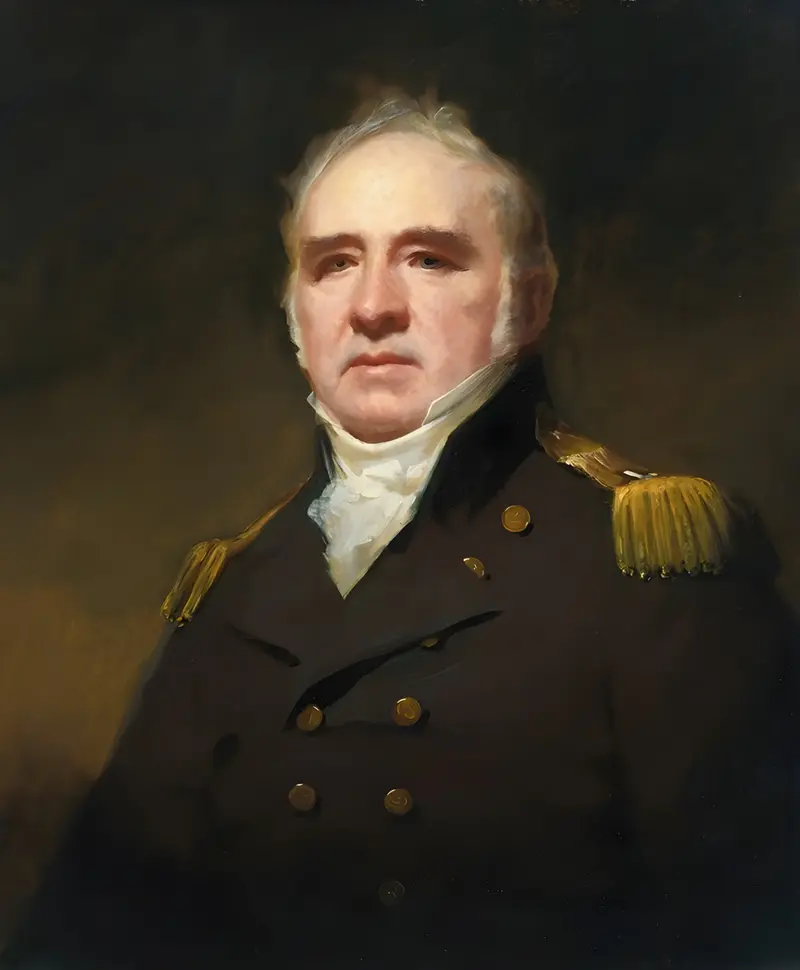
Portrait Of Captain James Forbes-Drummond, R.N., Of Hawthornden
Sir Henry Raeburn
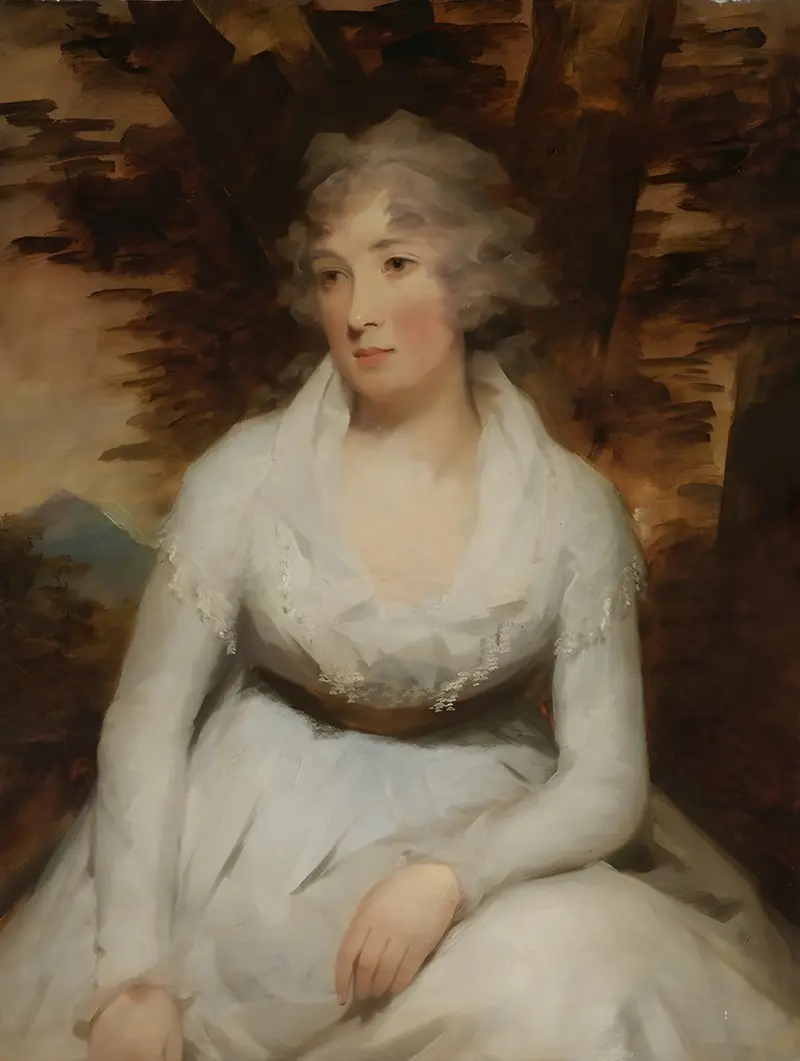
Miss Elizabeth Dalrymple (afterwards Mrs. George Leith)
Sir Henry Raeburn
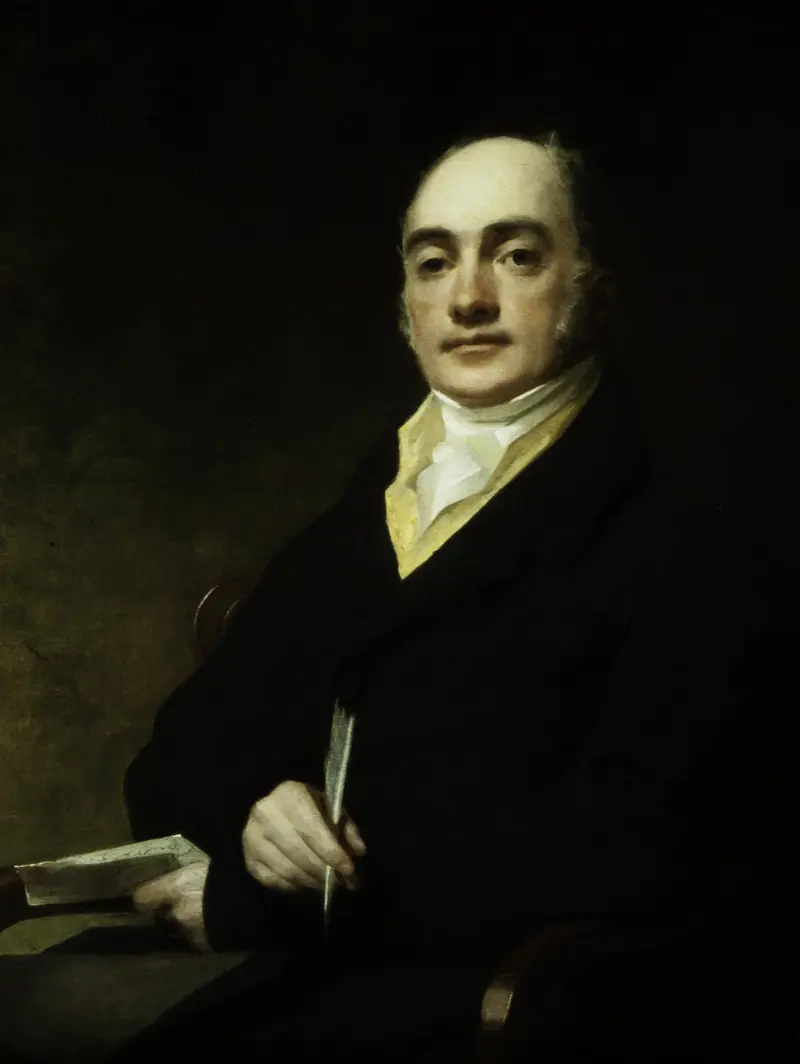
Portrait of John Baillie (1772-1833)
Sir Henry Raeburn
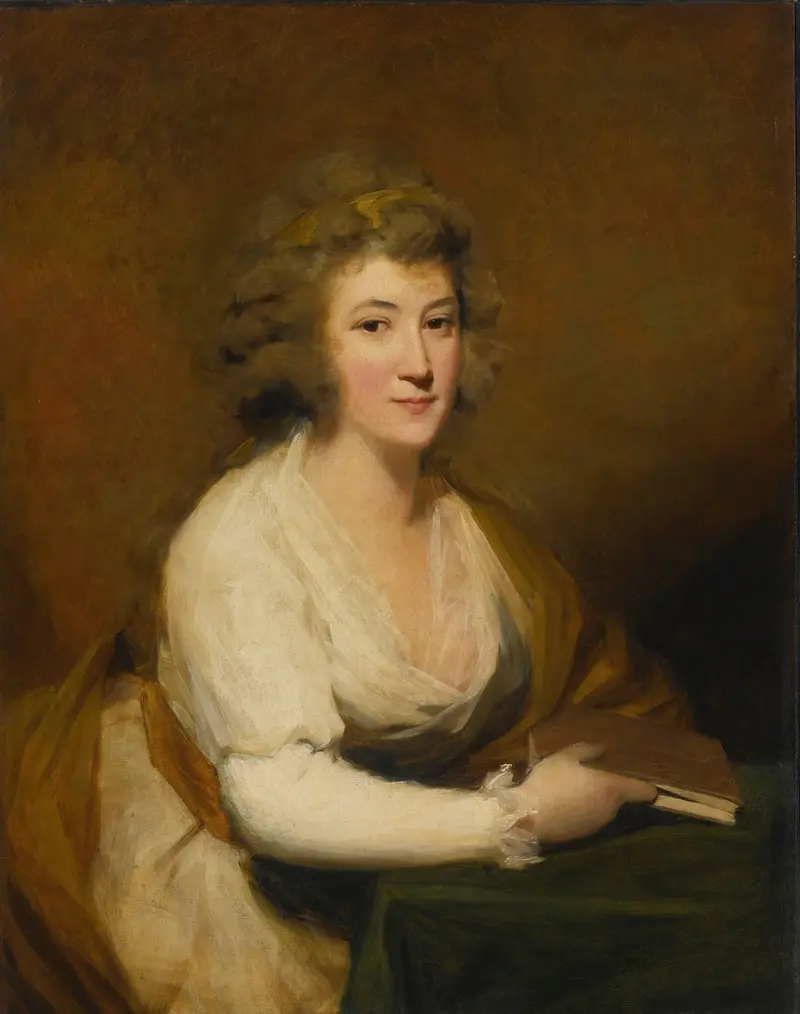
Portrait Of Lady Nasmyth, In A White Dress And Brown Shawl, Seated At A Table, Holding A Book
Sir Henry Raeburn
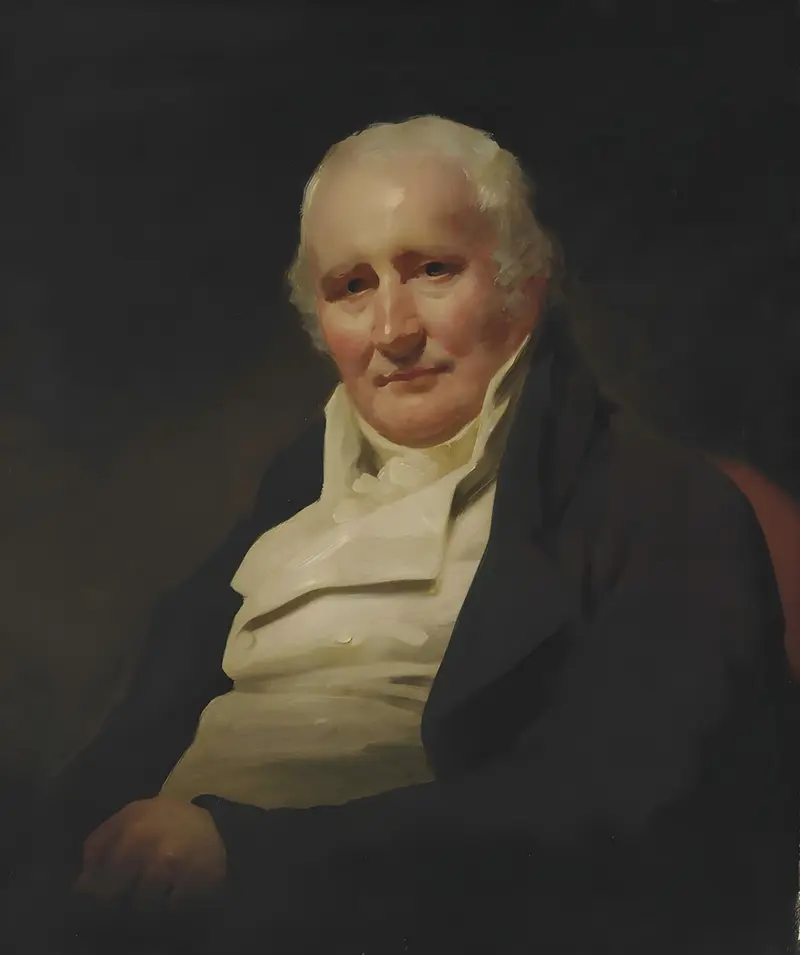
Portrait Of Mr. Spottiswood
Sir Henry Raeburn
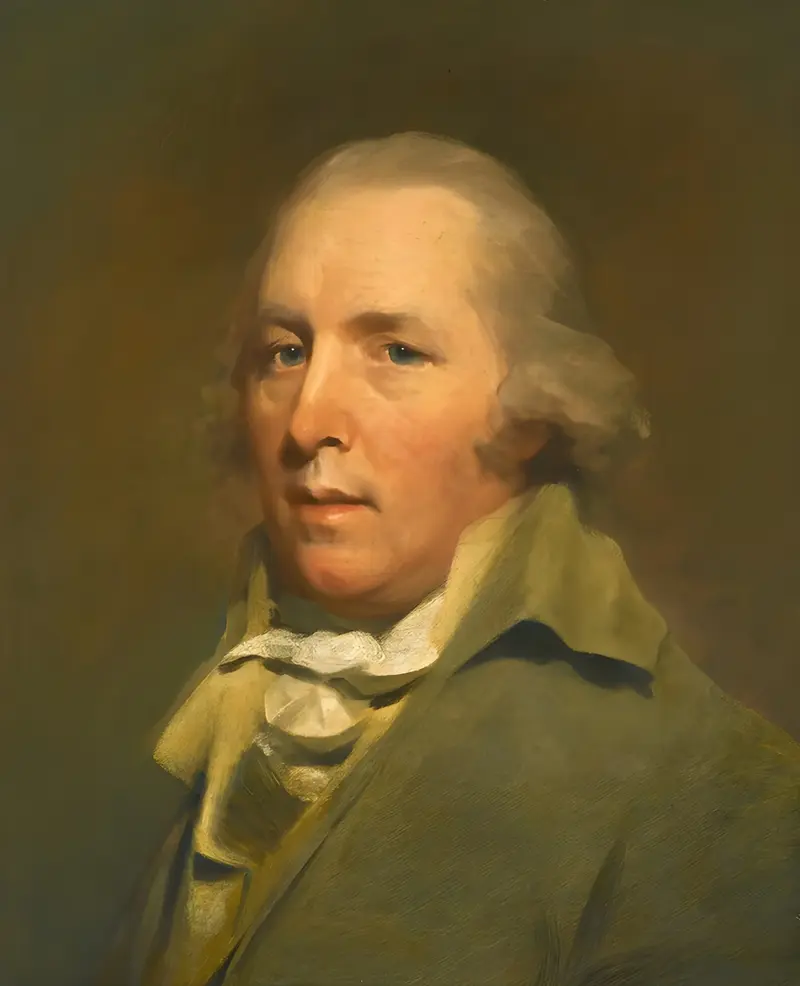
Portrait Of The Reverend John Home (1722-1808)
Sir Henry Raeburn
Portrait of William Hunt (c.1796-1854), Pittencrief House, Dunfermline
Sir Henry Raeburn





