
Resurrection of Christ — History & Facts
Few works in the history of art can claim to be the documented first painting by a future giant, but Resurrection of Christ holds that distinction for Raphael. Created around 1500, when the artist was barely seventeen, this panel is widely accepted as his earliest known independent work. Scholars have long debated whether the young Raphael painted it entirely himself or with assistance from his master, Perugino, but the consensus today leans toward the former.
The painting was likely commissioned for the church of San Domenico in Città di Castello, a small Umbrian town, marking the start of Raphael's career in religious commissions. Its youthful energy and careful detail already hint at the genius to come. The scene captures the very instant of Christ's resurrection: Christ, robed in radiant white, rises triumphantly from the tomb, his right hand raised in blessing, his left holding a fluttering banner of victory. The stunned Roman guards tumble away in fear, their armor and weapons scattered at the tomb’s base.
The golden light that surrounds Christ is not just a painterly device, but a symbol of divine glory and the promise of salvation. Every gesture and gaze in the picture is orchestrated to emphasize the miraculous nature of the event. Compared to Piero della Francesca’s Resurrection, where Christ is stoic and monumental, Raphael’s figure is lighter, more youthful, and imbued with a sense of movement and hope. As an object, Resurrection of Christ has traveled far from its original home.
After centuries in Città di Castello, the panel was eventually removed and entered private collections before finding its way to the Museo di Arte Antica in São Paulo, Brazil, where it resides today. The painting’s attribution was once questioned, but technical analysis and stylistic comparisons have confirmed it as an early work by Raphael. This piece stands at the threshold of Raphael’s career, bridging the Umbrian tradition of his youth and the innovations that would define the High Renaissance.
More Artworks by Raphael

Madonna of the Goldfinch
Raphael

Madonna with the Fish
Raphael
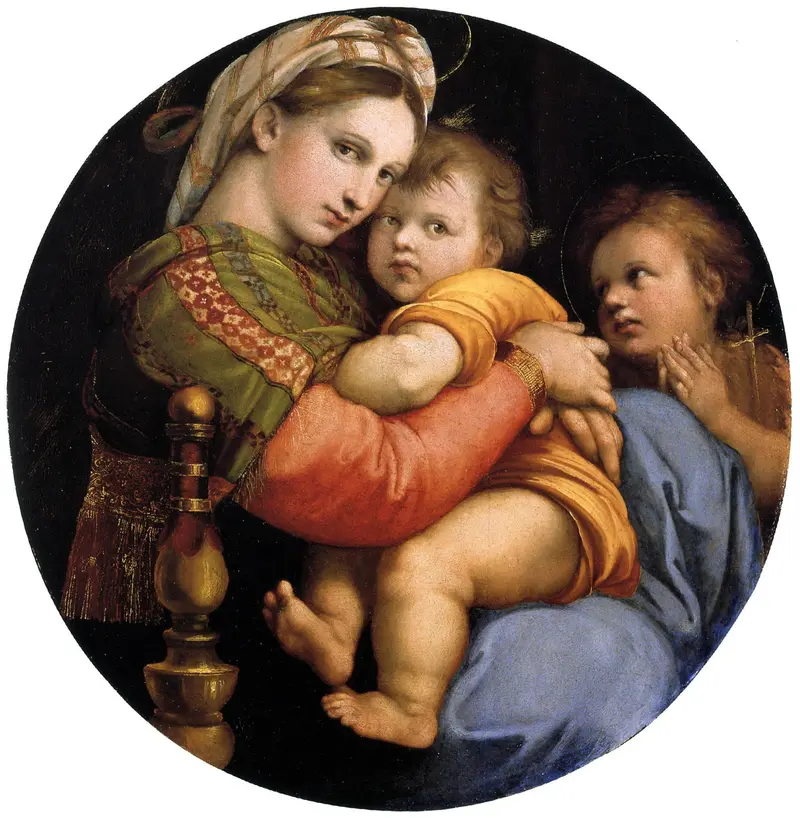
Madonna and Child (Madonna della Seggiola)
Raphael
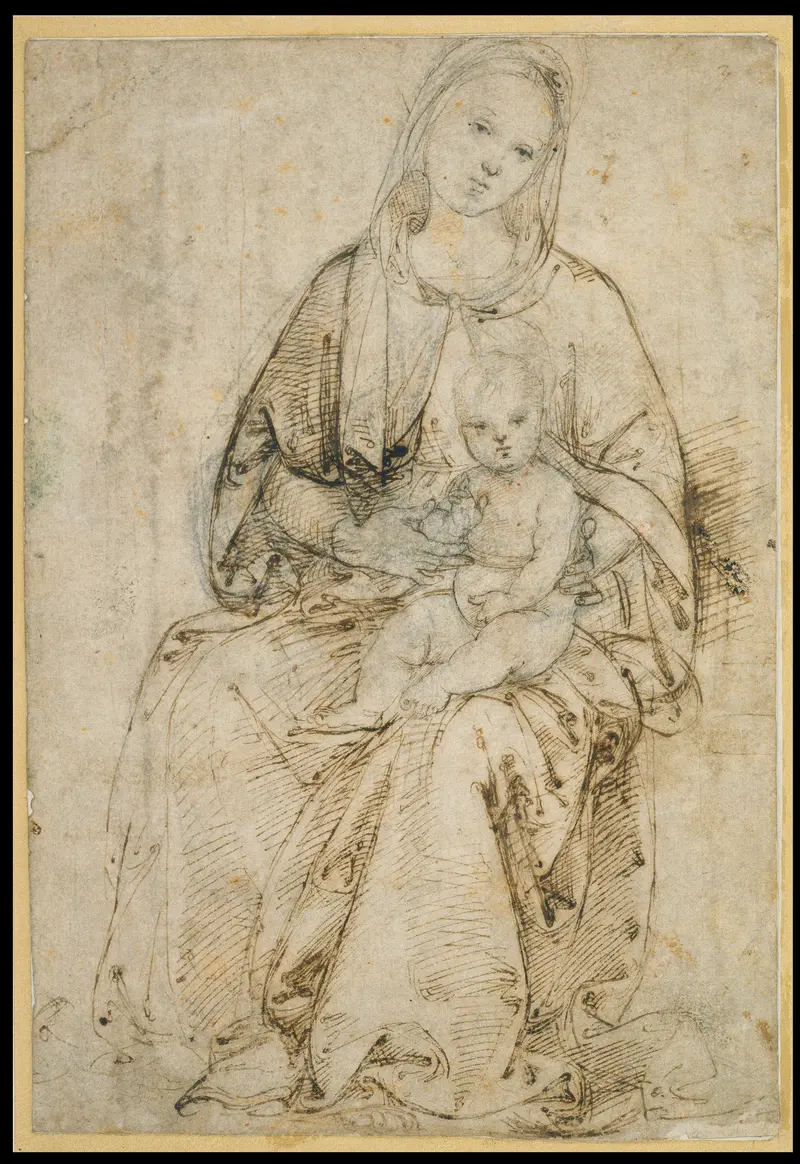
Seated Madonna and Child
Raphael
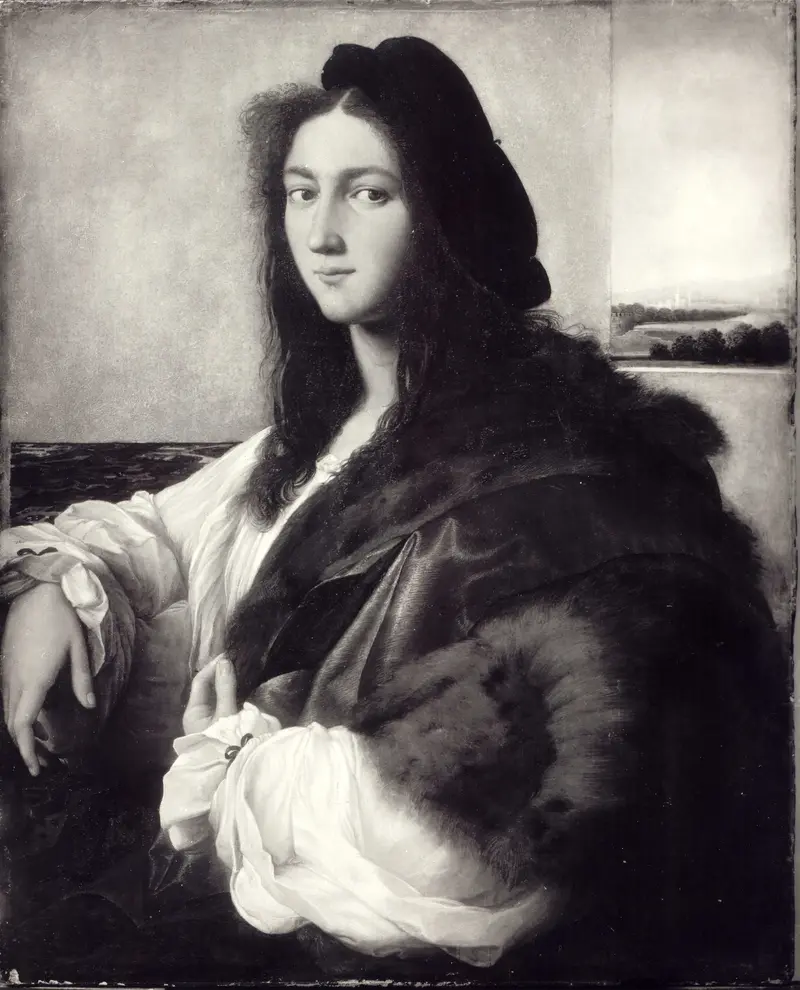
Portrait of a Young Man
Raphael
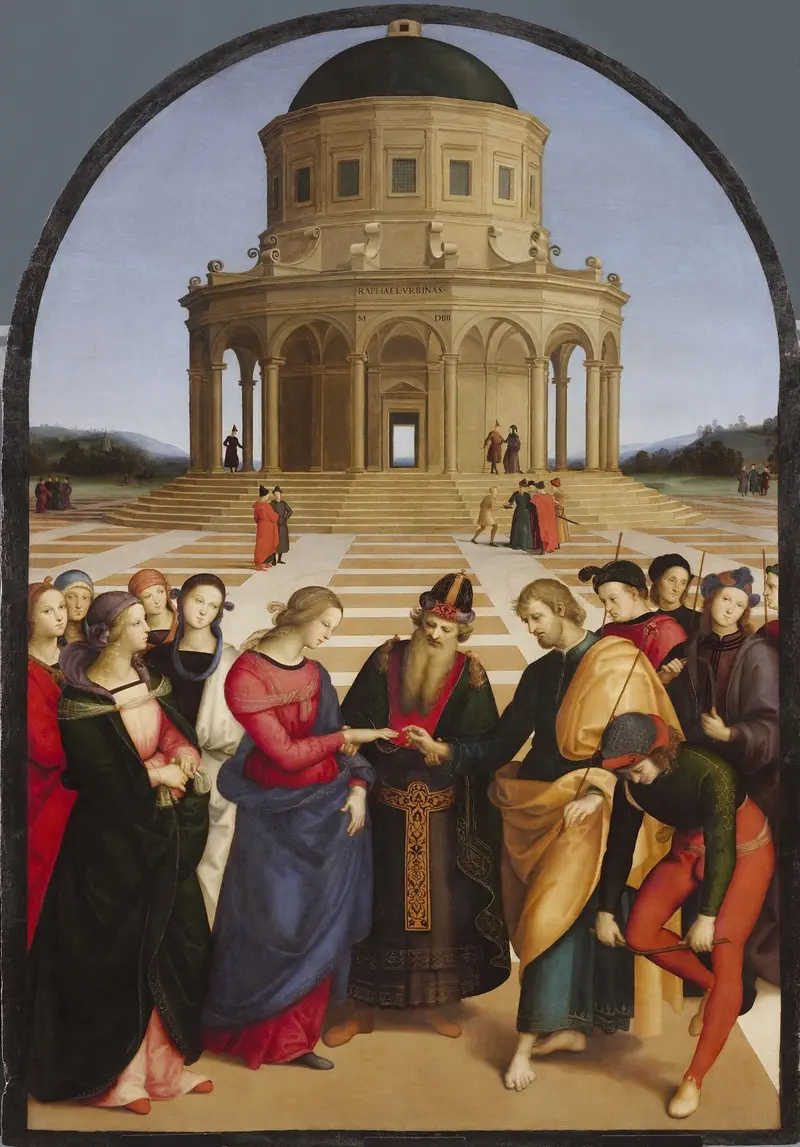
The Marriage of the Virgin
Raphael
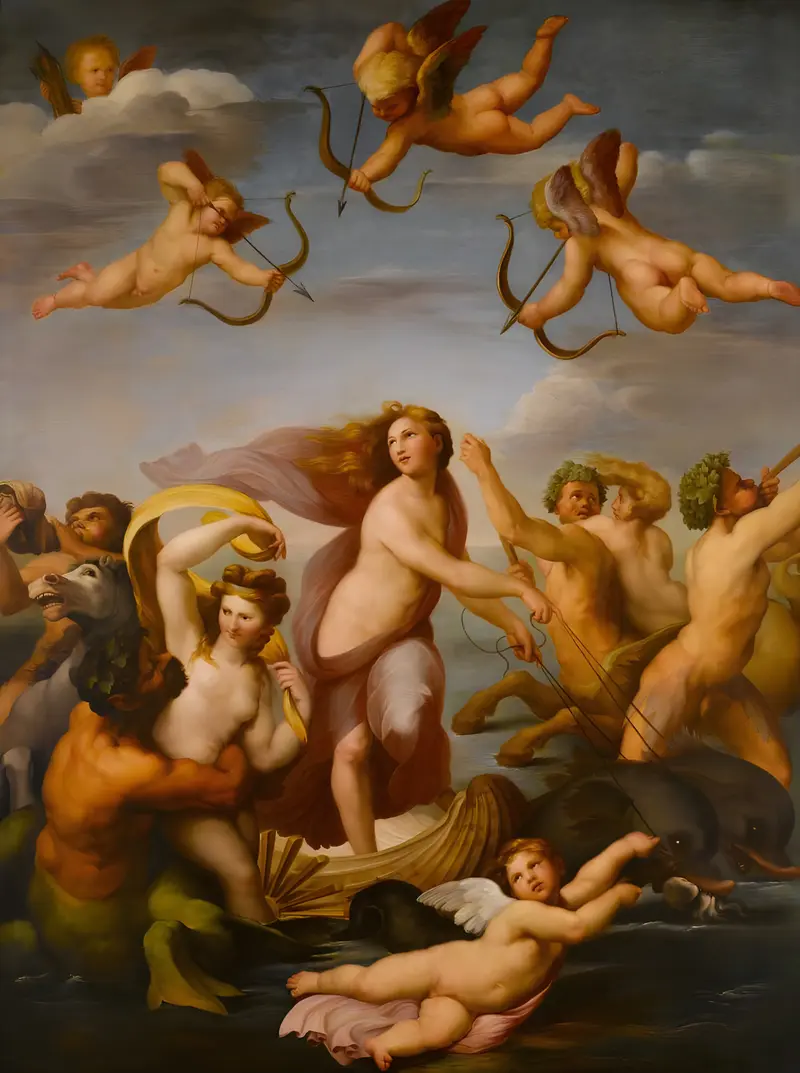
The Triumph of Galatea (copy after Raphael)
Raphael
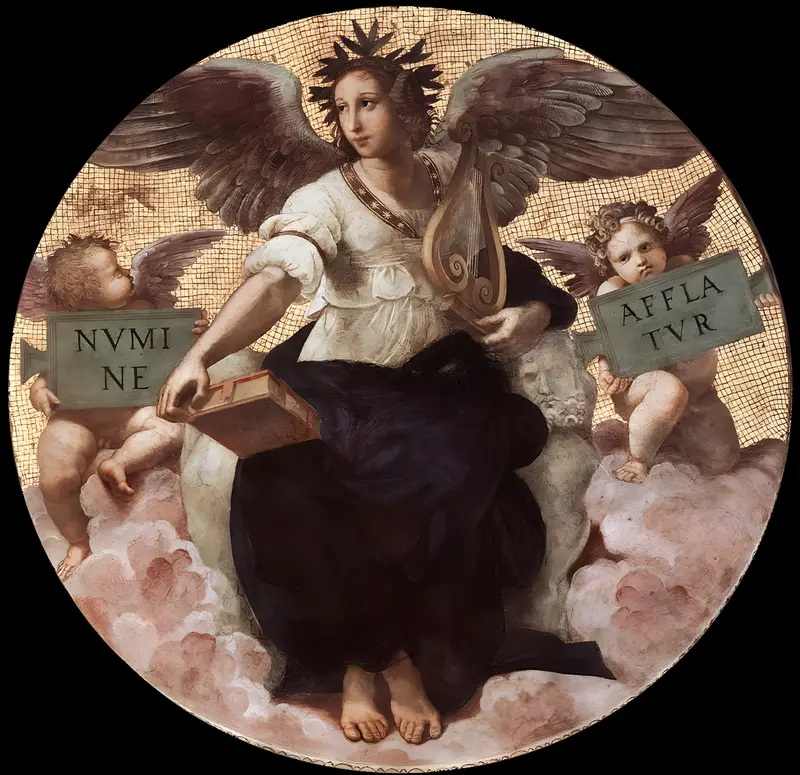
Poetry
Raphael
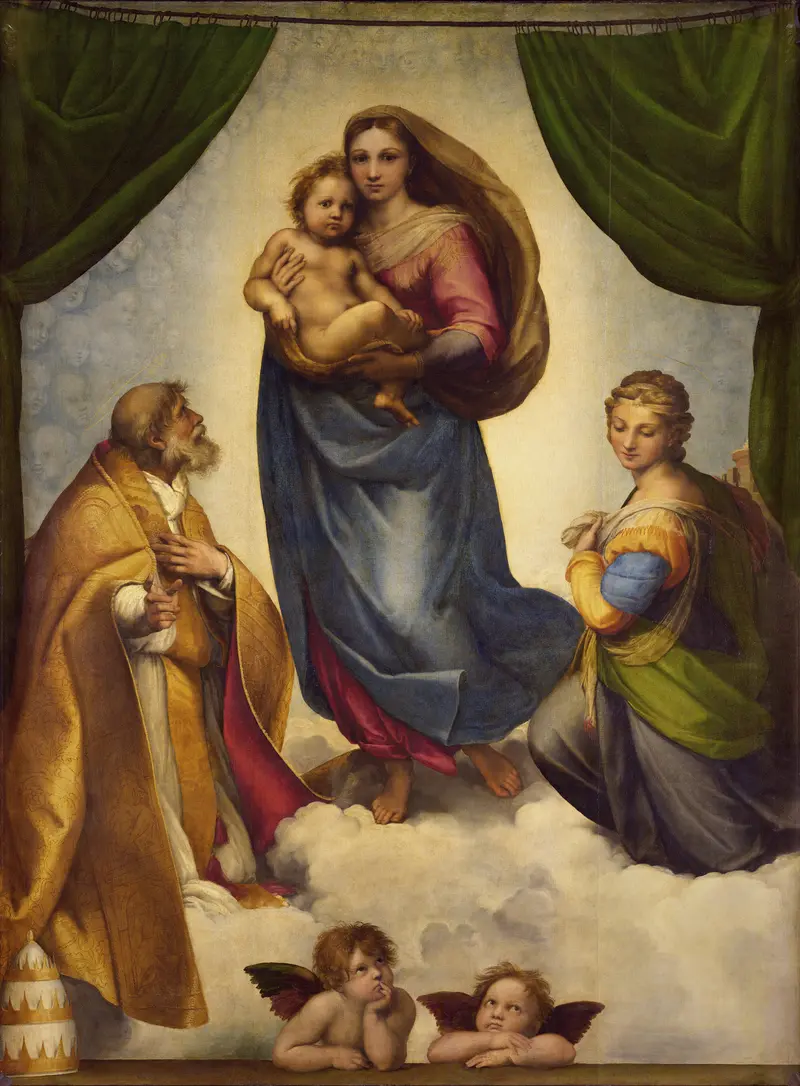
Sistine Madonna
Raphael
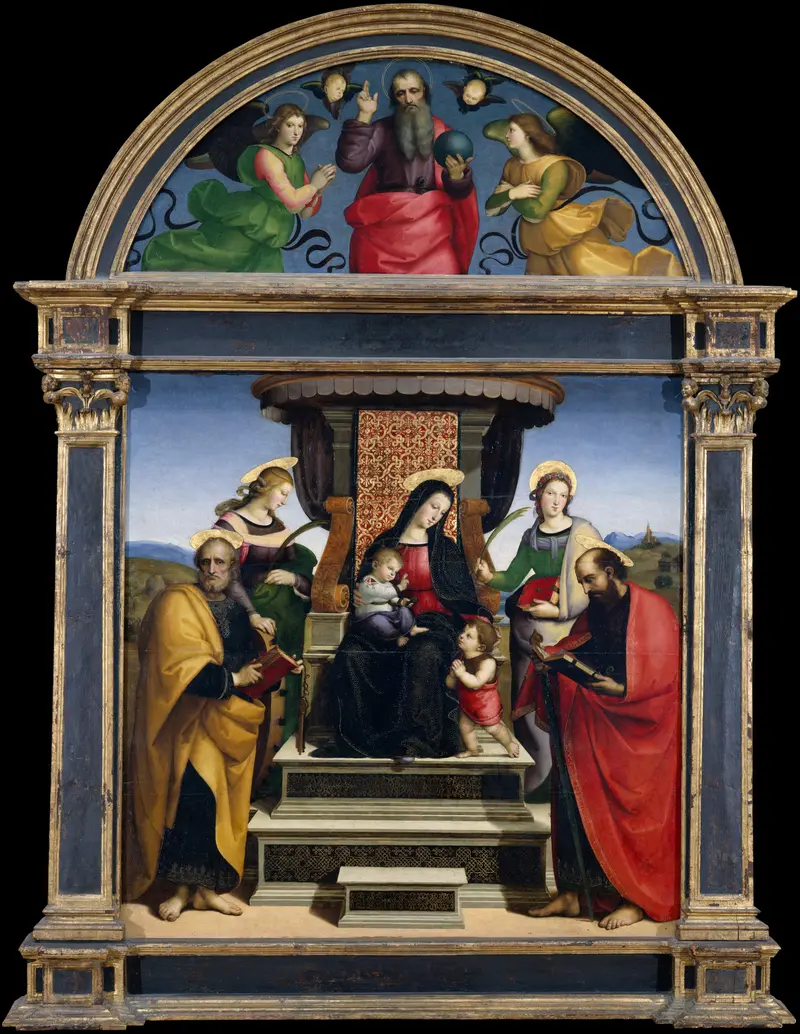
Madonna and Child Enthroned with Saints
Raphael




