
Reuben — History & Facts
When Francisco de Zurbarán received the commission in 1641 to paint a series of Jacob and his twelve sons for the Monastery of Guadalupe, he was tasked with an unusual challenge: to give each biblical patriarch a distinct personality and presence, despite the fact that the Bible offers little visual description. Reuben is one of these rare portraits, part of a set that was so admired in its time that several versions were soon requested for export to the New World. The original series, including Reuben, remains a landmark in Spanish religious art for its psychological depth and its role in shaping the iconography of the Old Testament in Catholic Spain. In this painting, Zurbarán captures Reuben at a moment of introspection, perhaps burdened by the guilt of his actions as the eldest son who failed to protect Joseph from his brothers’ betrayal.
Reuben stands alone, his gaze cast downward, hands folded in a gesture that suggests both humility and regret. The austere background and the dramatic play of light across his face and garments recall the influence of Caravaggio, yet Zurbarán’s approach is more meditative, less theatrical. The rich, heavy cloak and the ornate chain across Reuben’s chest signal his status, while the absence of narrative clutter focuses our attention on his inner life—a stark contrast to the bustling, multi-figure scenes painted by Rubens on similar subjects. The exact journey of Reuben after its creation is not fully documented, but the series was likely intended for the sacristy of the Monastery of Guadalupe, where it would serve as a visual genealogy for the faithful.
Over the centuries, several of these patriarch portraits were dispersed, with some now residing in collections as far afield as Auckland and New York. Today, Reuben is held by the Museo del Prado, where it stands as a testament to Zurbarán’s ability to fuse Spanish realism with spiritual gravitas, and as a key example of the devotional portraiture that defined his later career.
More Artworks by Francisco de Zurbarán
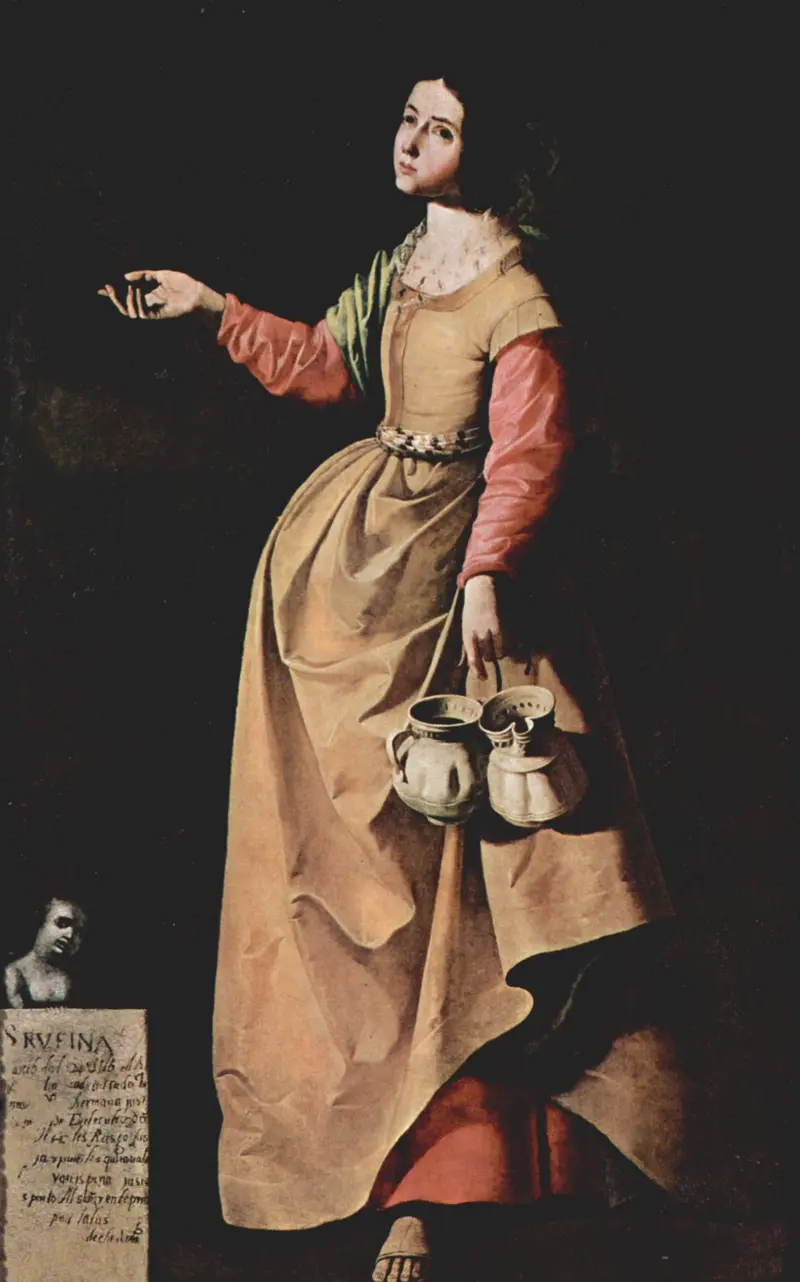
Saint Rufina
Francisco de Zurbarán
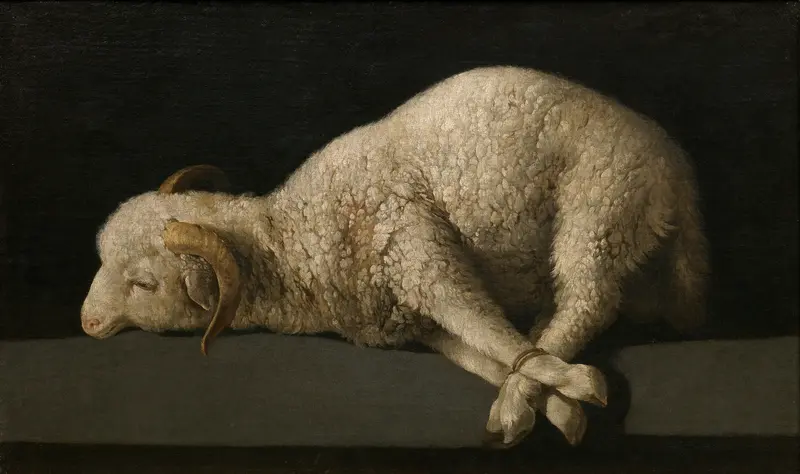
Agnus Dei
Francisco de Zurbarán
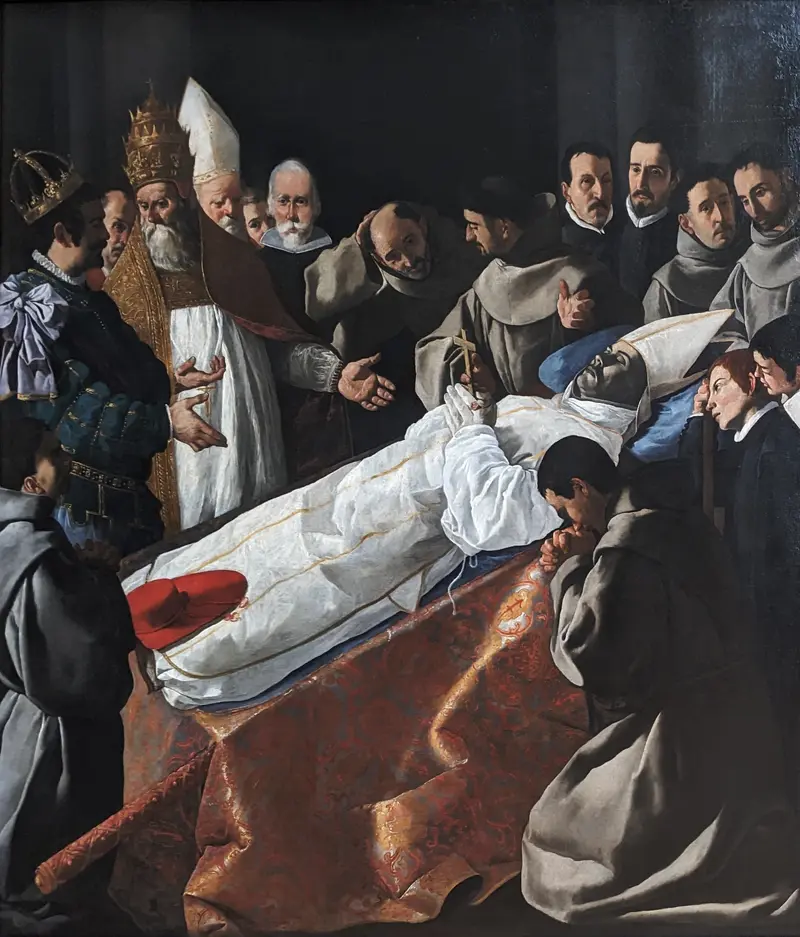
Saint Bonaventure's Body Lying in State
Francisco de Zurbarán
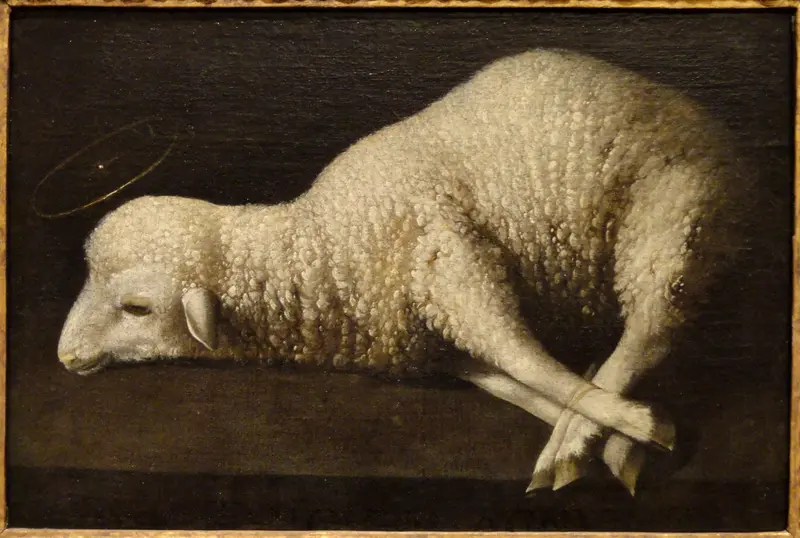
The Lamb of God
Francisco de Zurbarán

Adoration of the Magi
Francisco de Zurbarán
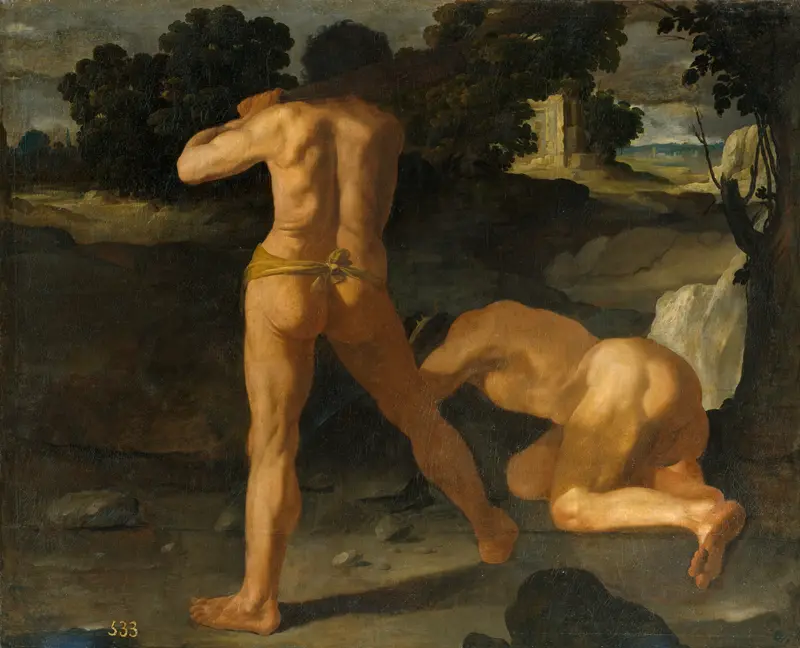
Hercules defeats King Geryon
Francisco de Zurbarán
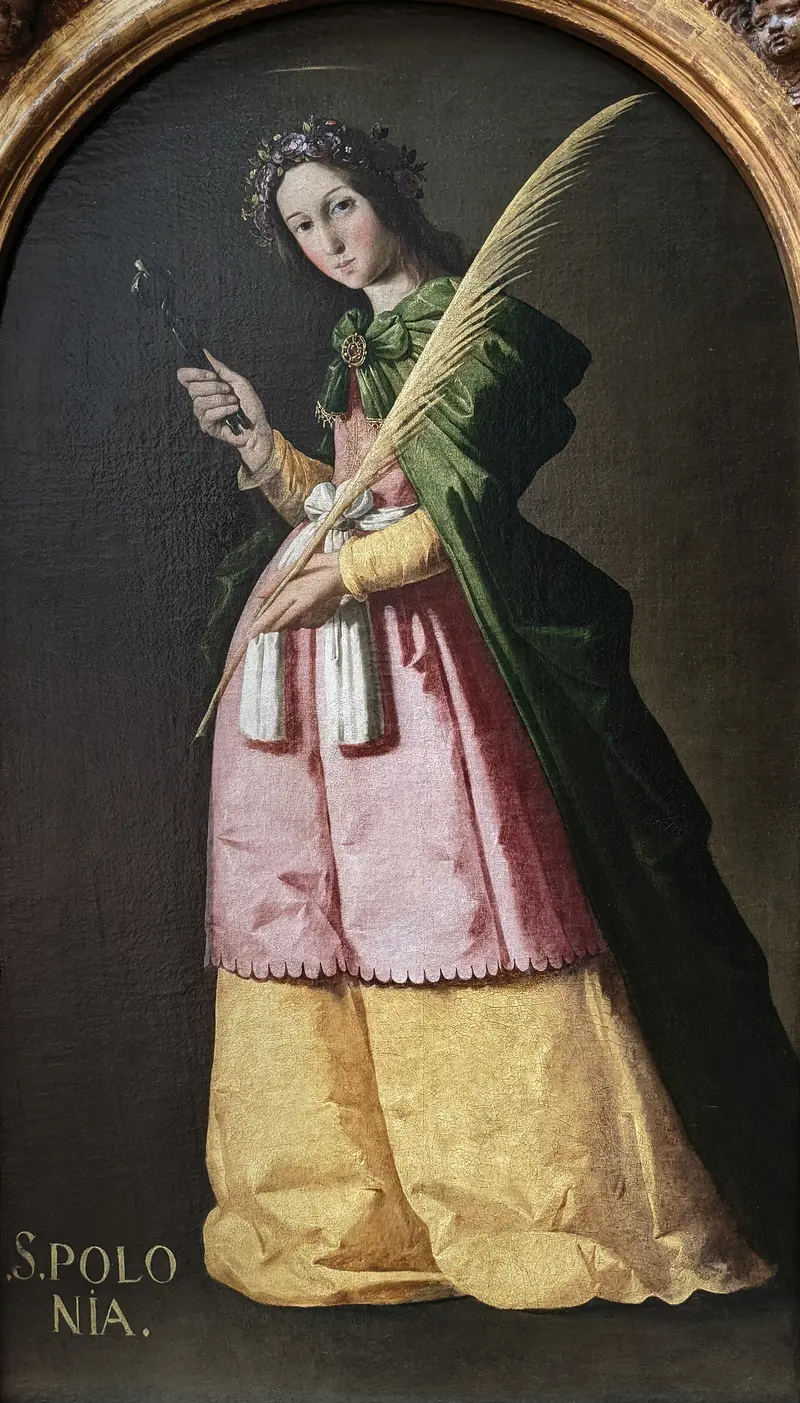
Saint Apollonia
Francisco de Zurbarán
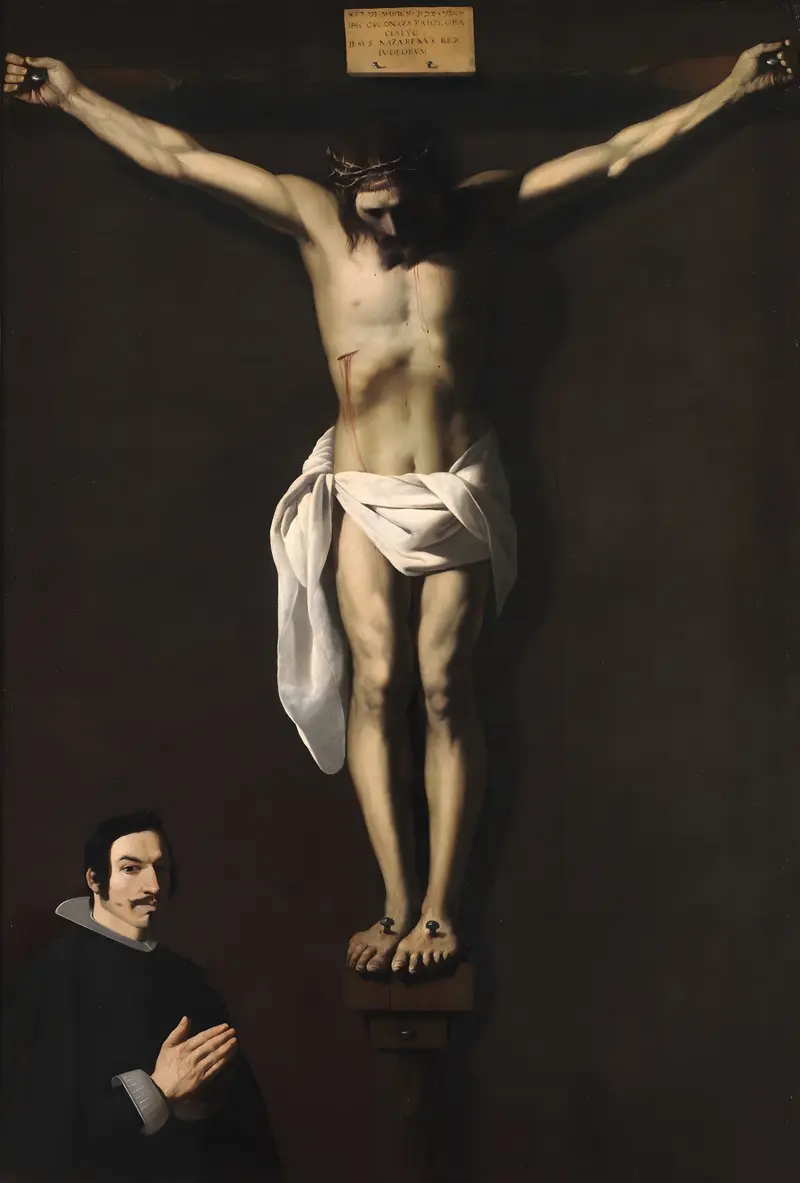
The Crucified Christ with a Donor
Francisco de Zurbarán
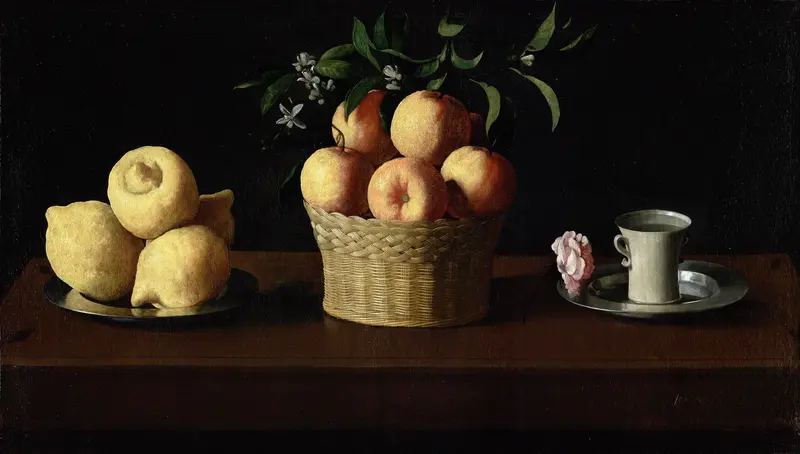
Still Life with Lemons, Oranges and a Rose
Francisco de Zurbarán
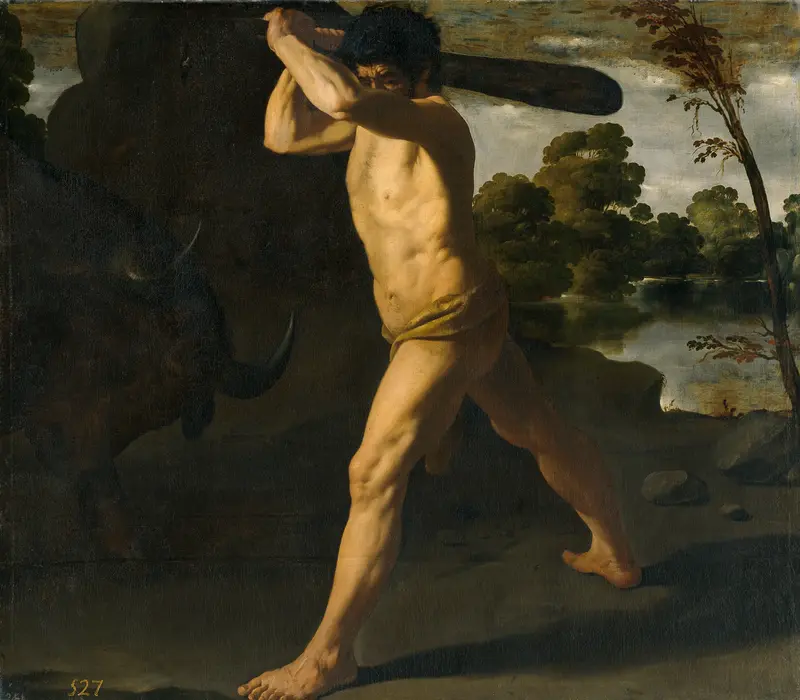
Hercules and the Cretan Bull
Francisco de Zurbarán





