
Saint Bernard — History & Facts
Few paintings by Gustave Van de Woestijne have sparked as much quiet speculation as Saint Bernard. The work’s date and medium remain uncertain, a rarity for an artist whose career is otherwise well documented, and no records have surfaced to explain its commission or early history. Yet, this air of mystery only deepens its allure, inviting viewers to puzzle over both its origins and its meaning.
The painting stands apart in Van de Woestijne’s oeuvre, often discussed for its unusually direct engagement with religious subject matter compared to his more allegorical or rural scenes. At the heart of the canvas is Bernard of Clairvaux, the 12th-century abbot and theologian, caught in a moment of rapt devotion. Van de Woestijne presents the saint alone, his ascetic features illuminated by a cold, searching light that isolates him from any worldly distraction. The sparse setting, the monk’s coarse habit, and the tightly clasped hands all speak to Bernard’s legendary austerity and spiritual intensity.
Unlike the dramatic visions painted by earlier artists—such as Saint Bernard’s Vision by Fra Bartolommeo, where angels descend in a blaze—Van de Woestijne’s Bernard is inward, contemplative, the miracle suggested not by spectacle but by the tension in the figure’s posture and the almost sculptural stillness of the scene. The painting’s provenance remains largely undocumented, and its journey into public collections is shrouded in the same uncertainty as its creation. What is certain is that Saint Bernard occupies a unique position in Van de Woestijne’s body of work, bridging his Symbolist roots with the restrained, psychological realism that marked his later years. Today, it is recognized as a significant example of early 20th-century Belgian religious painting, reflecting the artist’s ongoing fascination with the inner life and the enduring power of faith.
Its current location is not widely publicized, adding one more layer to its enigmatic reputation.
More Artworks by Gustave Van de Woestijne
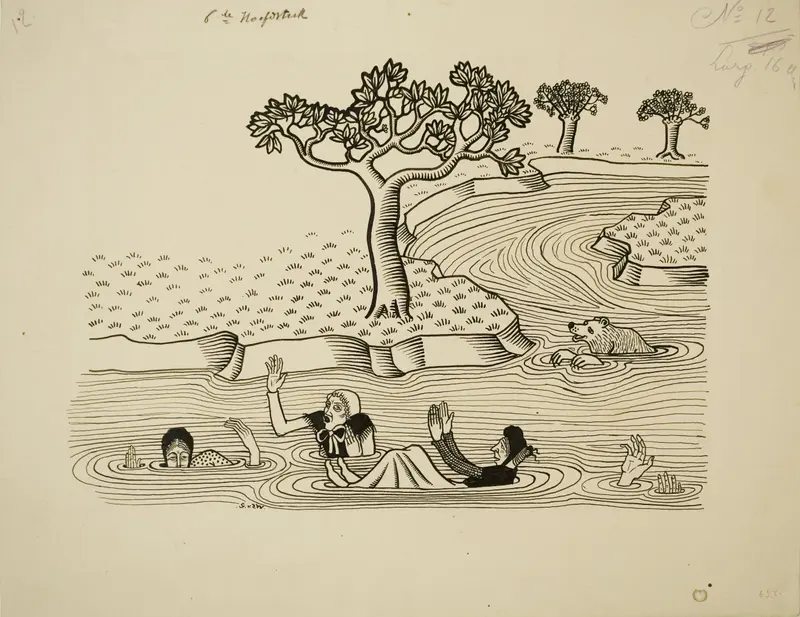
How Brown went out with Reynard where he thought he was eating honey and how he was caught by head and feet and suffered further misfortune
Gustave Van de Woestijne
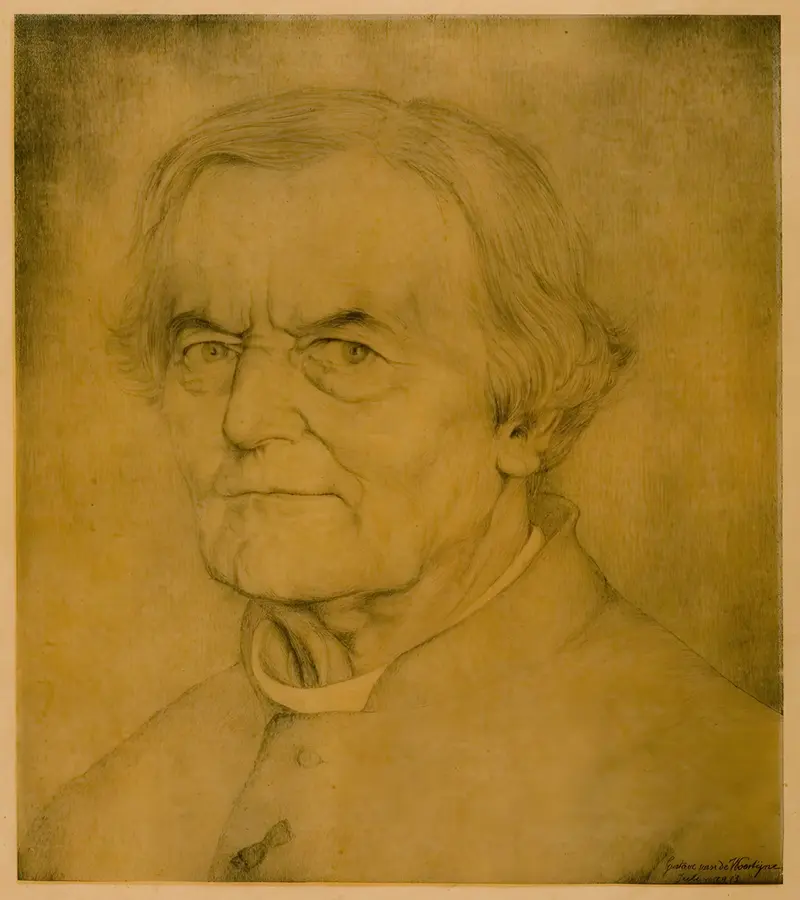
Portrait of Hugo Verriest
Gustave Van de Woestijne
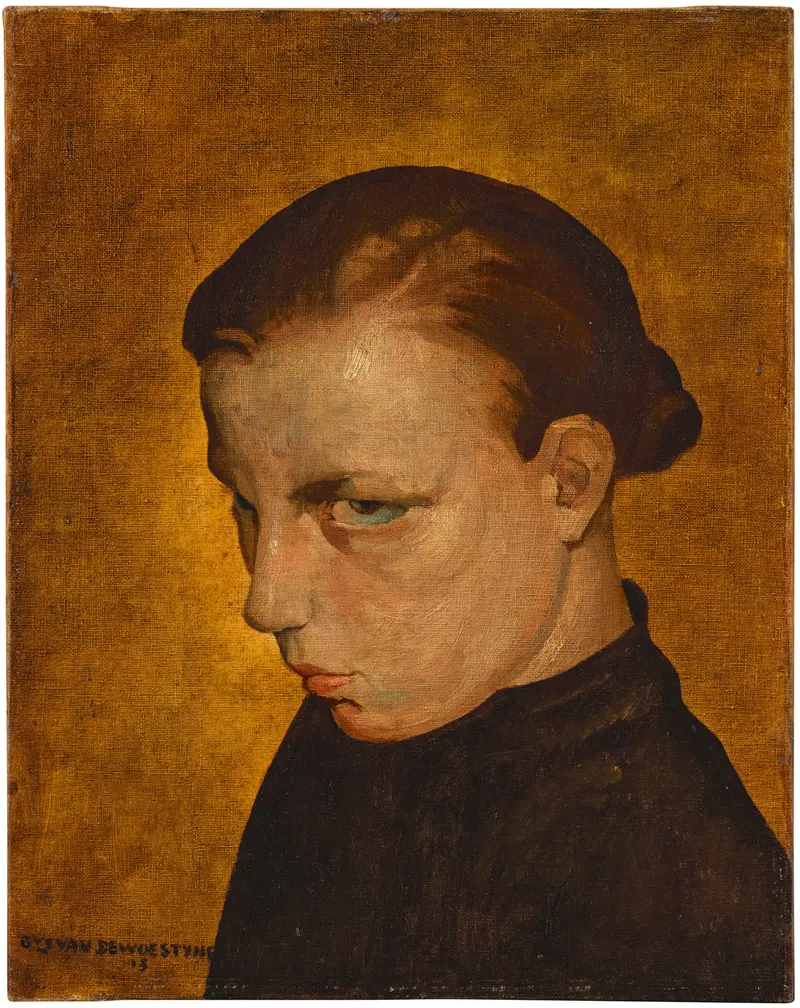
Angèle
Gustave Van de Woestijne
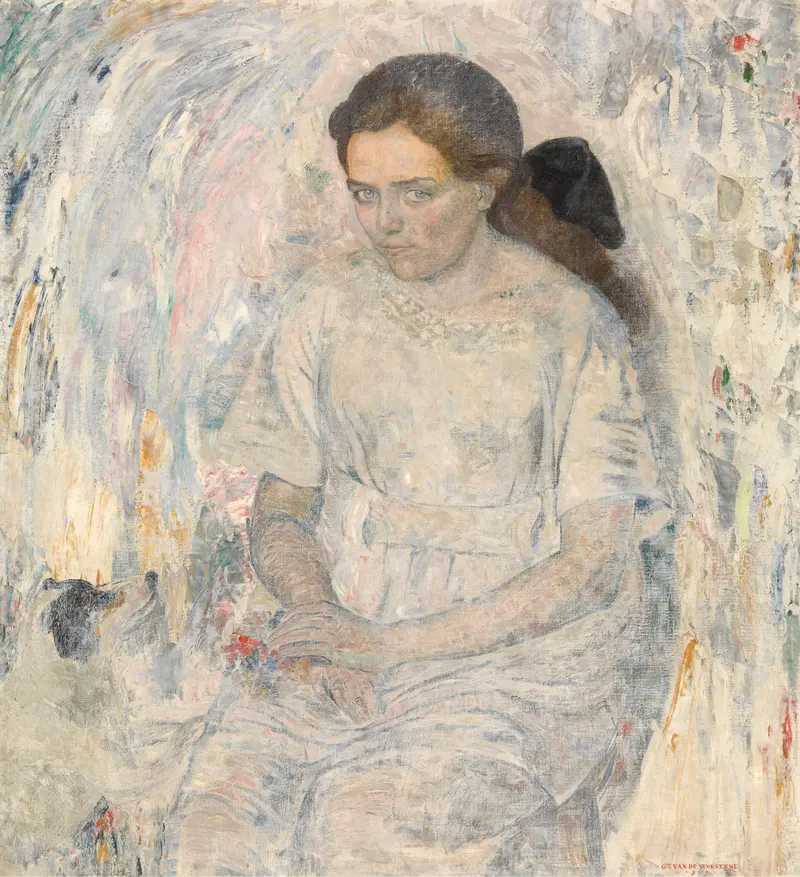
Adrienne
Gustave Van de Woestijne
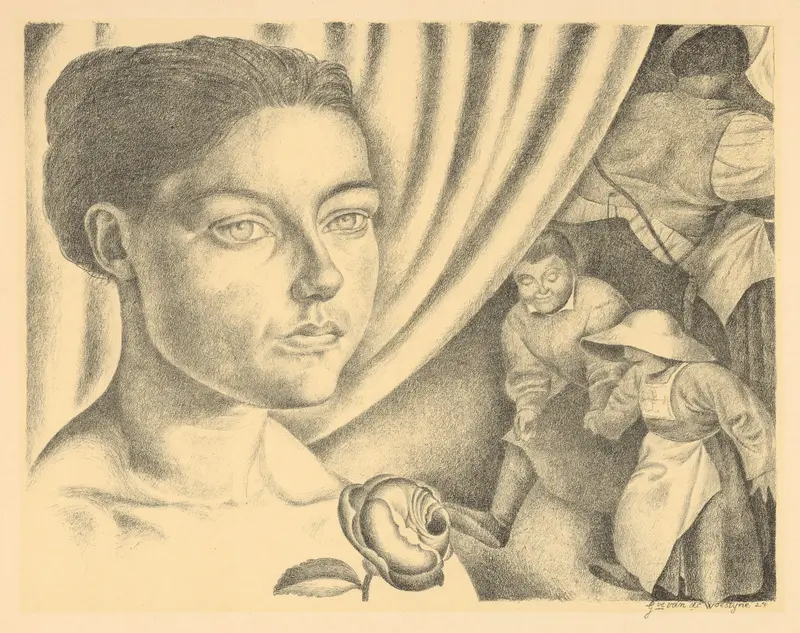
Jeune Femme
Gustave Van de Woestijne
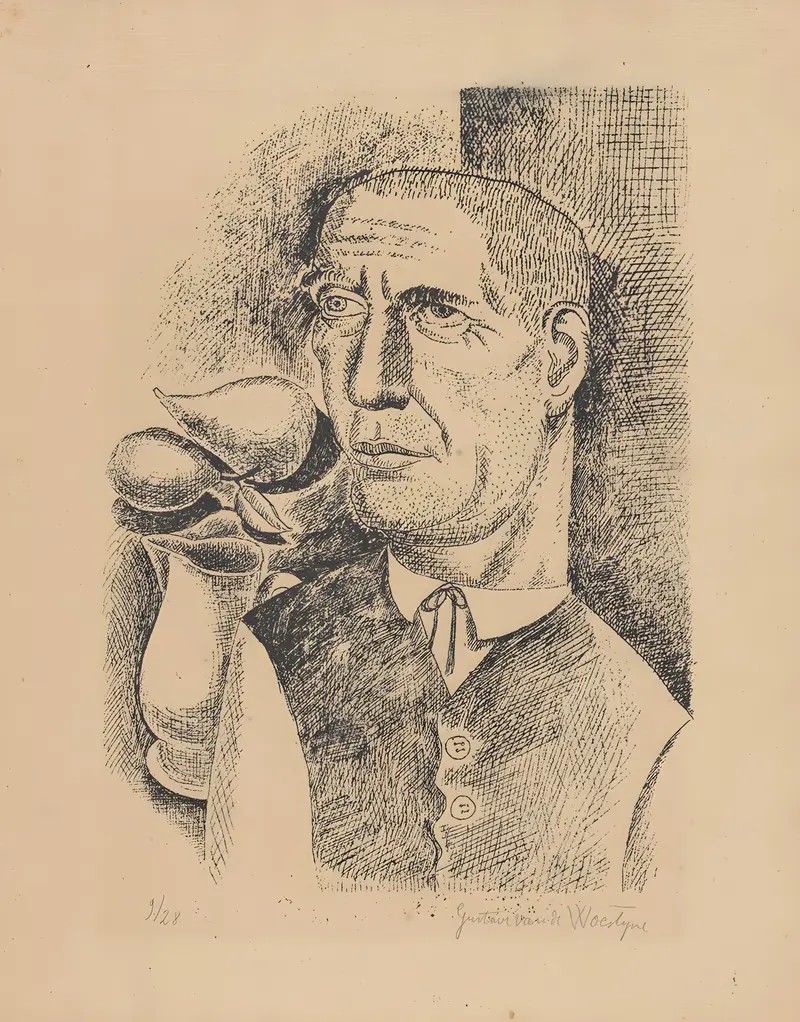
Boer op zijn zondags (Paysan endimanché)
Gustave Van de Woestijne
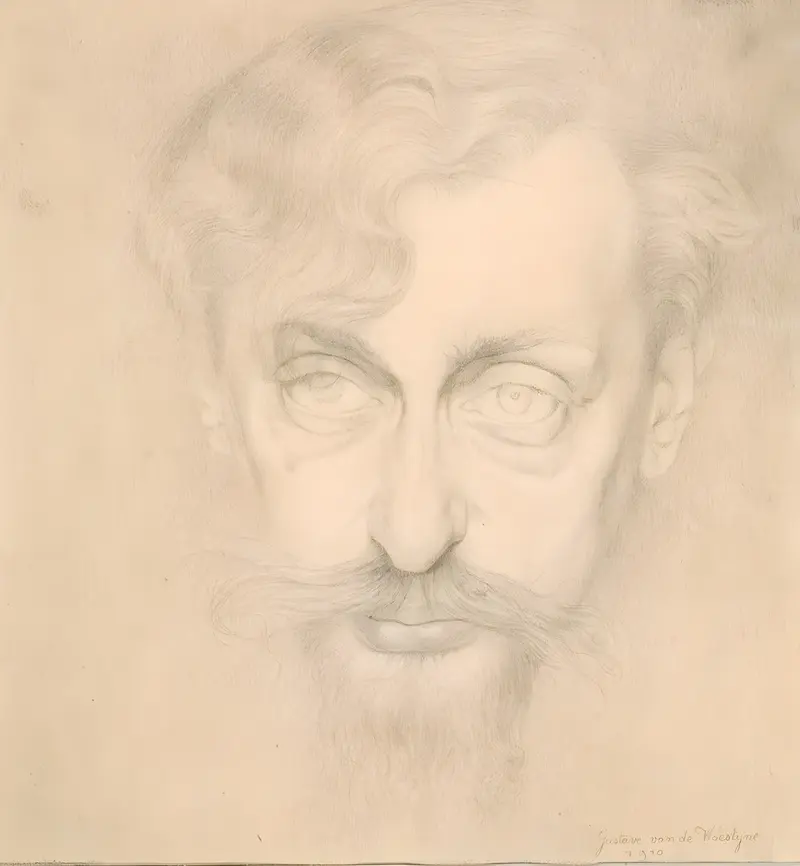
Portrait of the Writer Karel van de Woestijne
Gustave Van de Woestijne
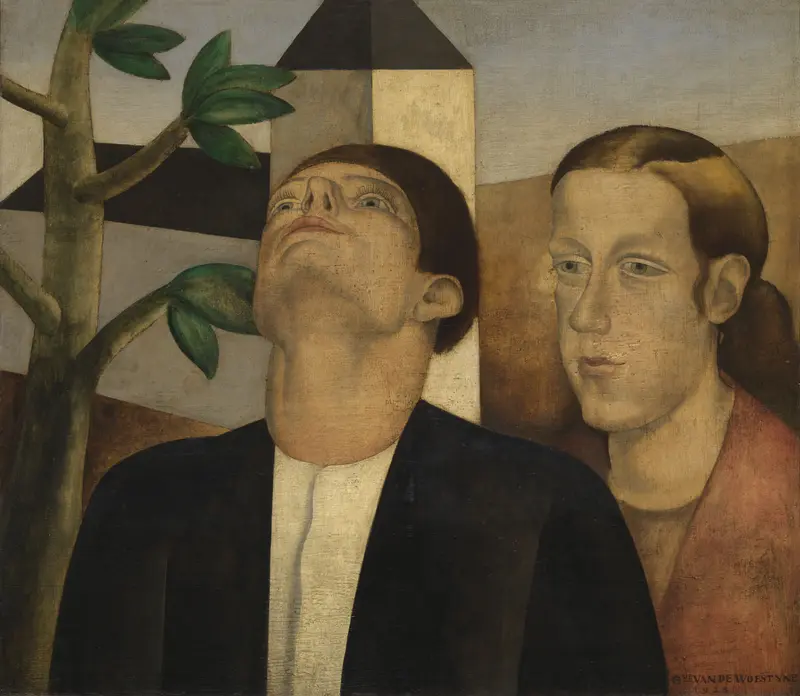
Azure
Gustave Van de Woestijne
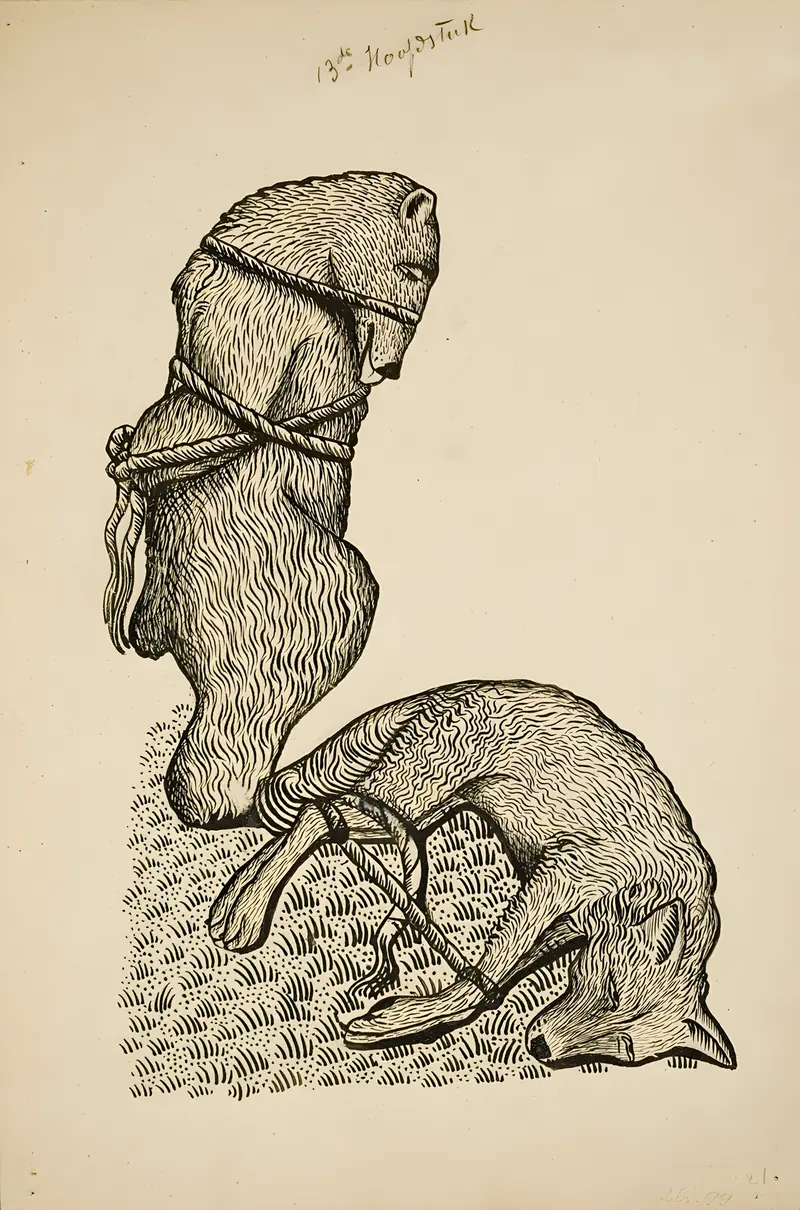
How Reinaert devises a new trick to get free and exterminate his enemies
Gustave Van de Woestijne
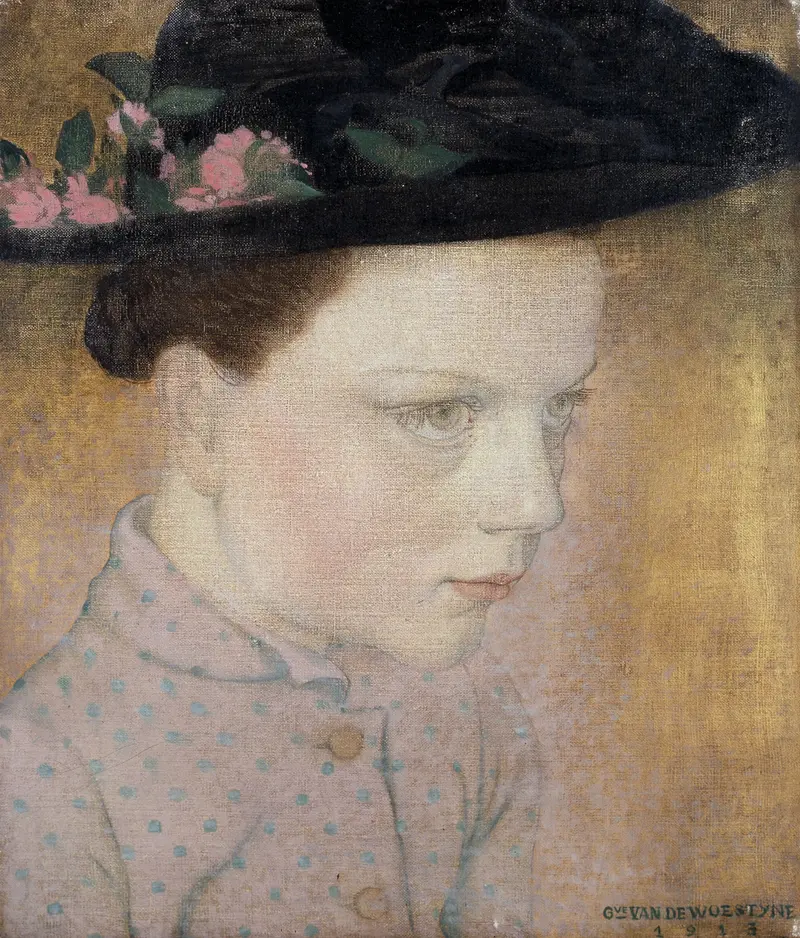
Country Girl
Gustave Van de Woestijne





