
Saint Stephen — History & Facts
When Giotto di Bondone painted Saint Stephen around 1320, he was among the first artists in Europe to give saints a sense of real, physical presence. The painting stands out because it is one of the earliest known depictions of Stephen, the first Christian martyr, by an Italian master. While many images of Stephen from this period are stiff and iconic, Giotto’s version radiates humanity—an approach that helped transform Western art.
The precise origins of the work are unclear, but it is often linked to the wave of devotion to early martyrs that swept Italy in the early 14th century. The moment Giotto chose is one of calm before violence: Stephen, robed as a deacon, stands with a serene expression, his gaze lifted slightly upward. In his left hand, he holds a palm frond, the symbol of martyrdom, while three stones rest on his head—a direct reference to the method of his execution by stoning, as described in the Acts of the Apostles. The golden background, typical of the period, sets the saint apart from earthly concerns, but the modeling of his face and the gentle fall of his robes suggest a living body beneath.
Compared to the more rigid, mosaic-like Saint Stephen by Cimabue, Giotto’s figure is softer, more individualized, and more approachable. The exact journey of Saint Stephen is lost to history, as is its original setting—possibly a chapel dedicated to the saint or a private devotional space. Like many of Giotto’s panel paintings, it has been separated from its original context, surviving as a fragment of a once larger altarpiece or polyptych. The medium remains uncertain, though tempera on panel was typical for the period.
Today, the painting is recognized as a key example of Giotto’s late style, marking a turning point in the portrayal of holy figures and influencing generations of artists who sought to bring sacred stories closer to the viewer’s world.
More Artworks by Giotto di Bondone
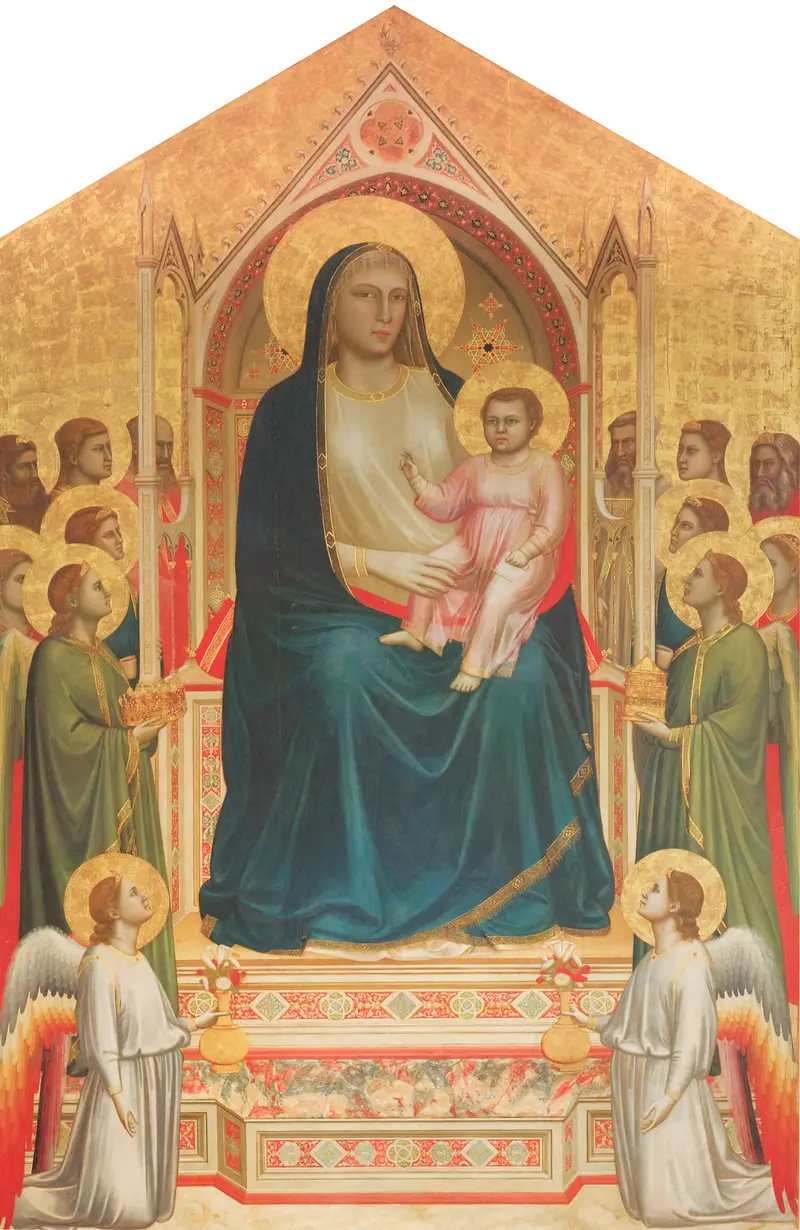
Ognissanti Madonna
Giotto di Bondone
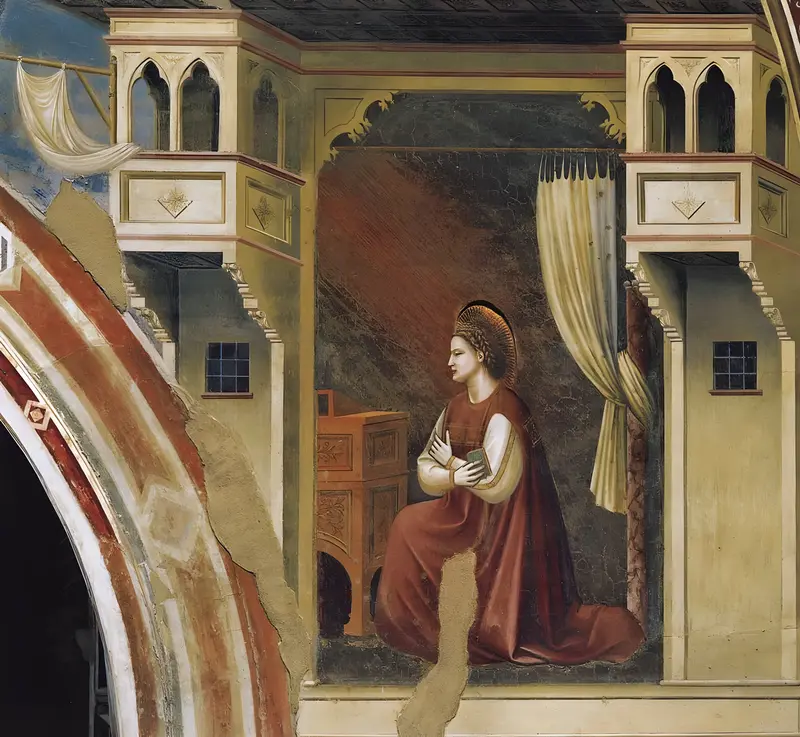
The Virgin of the Annunciation
Giotto di Bondone
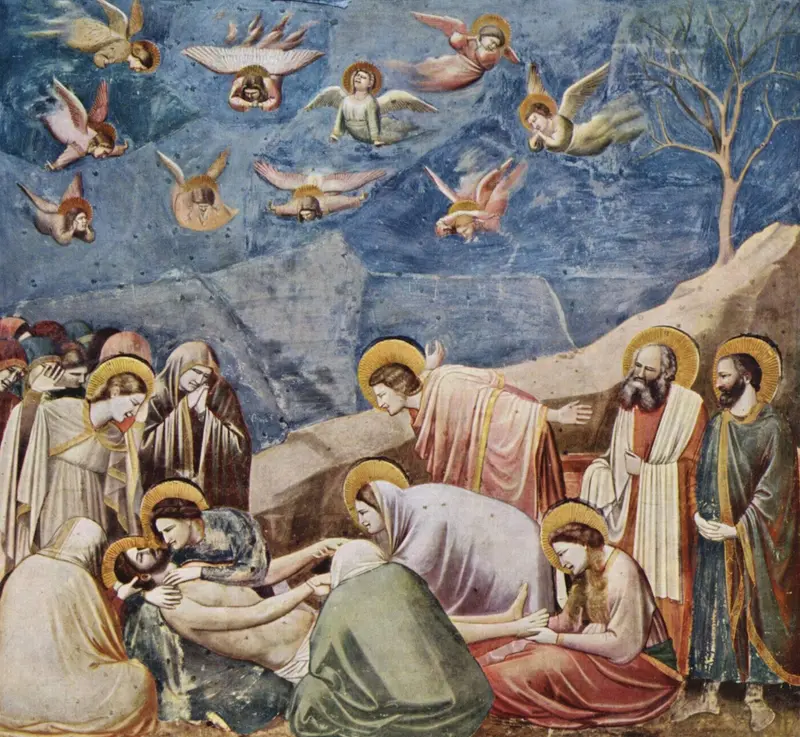
Lamentation (The Mourning of Christ)
Giotto di Bondone
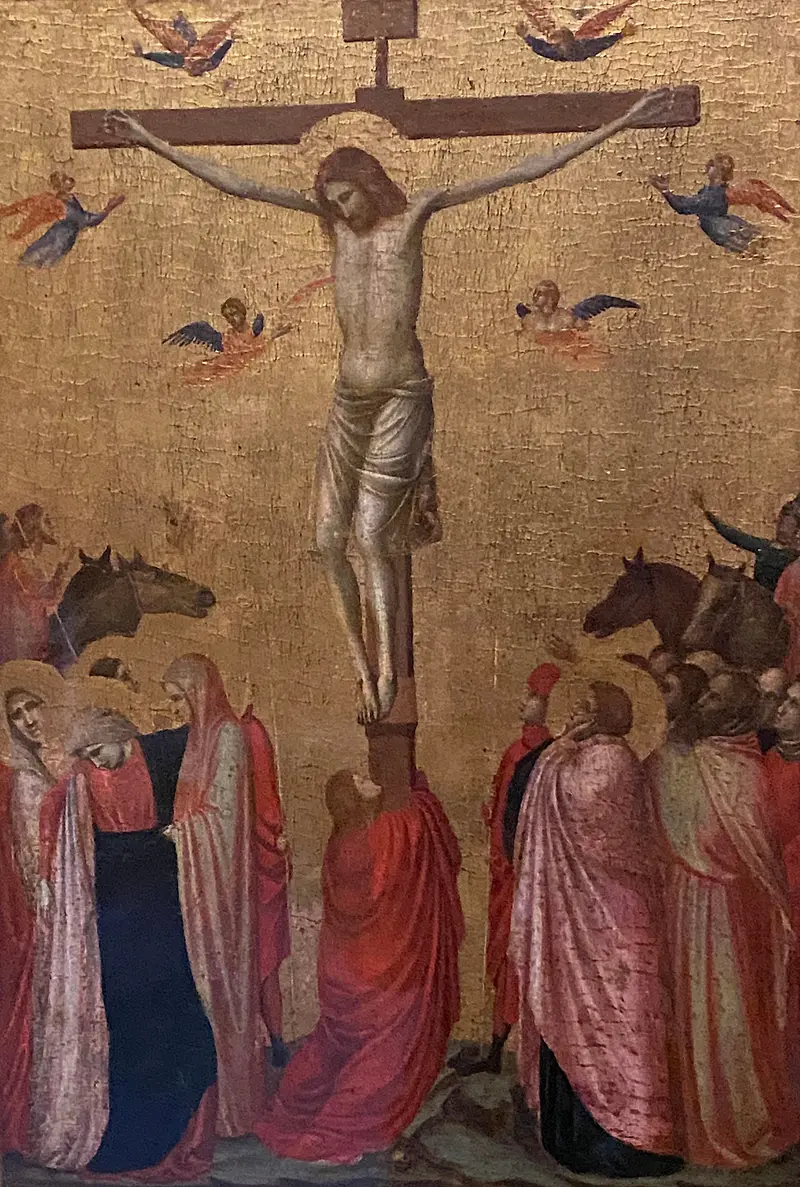
Crucifixion of Strasbourg
Giotto di Bondone
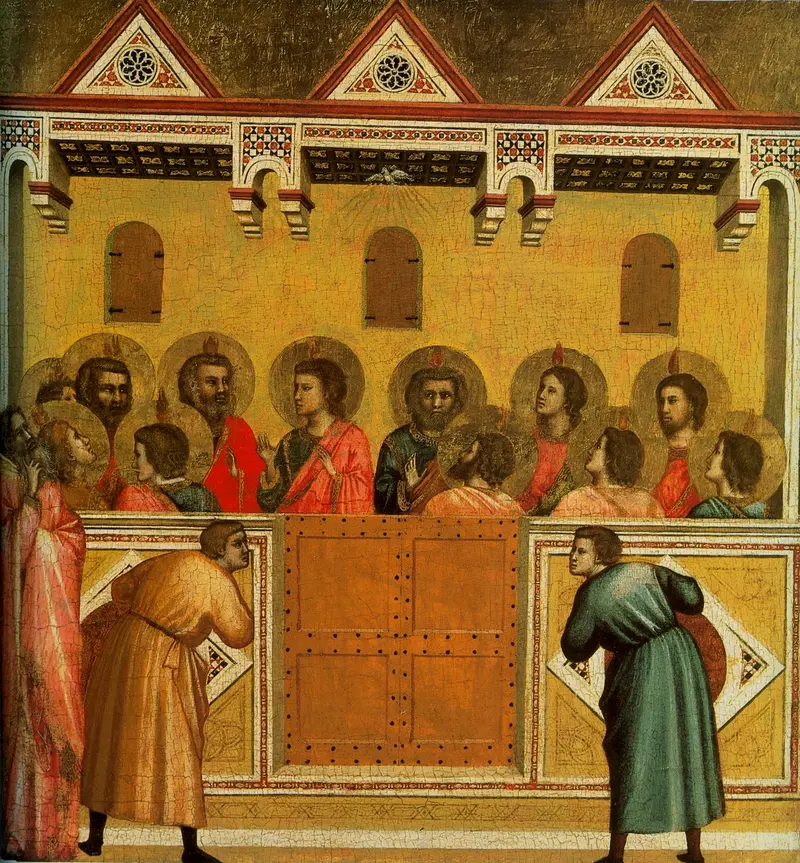
Pentecost
Giotto di Bondone
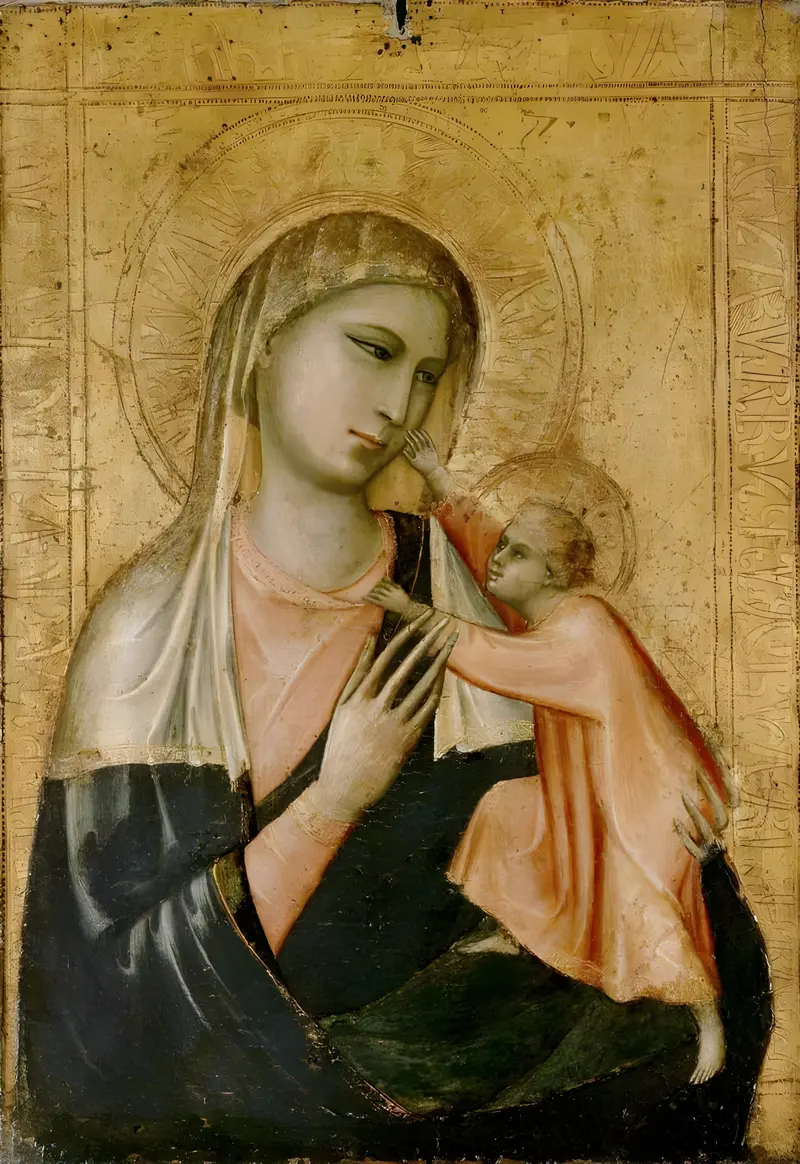
The Virgin and Child
Giotto di Bondone
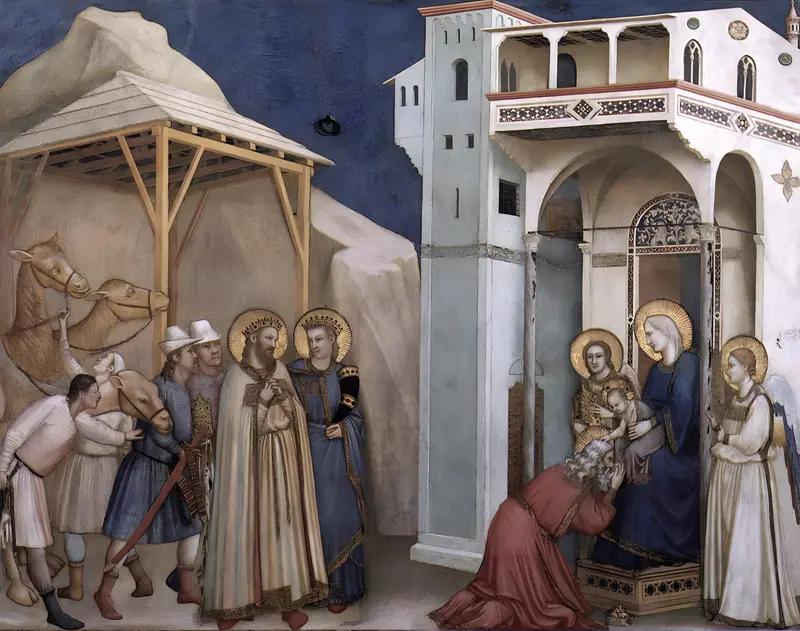
Anbetung der Könige
Giotto di Bondone
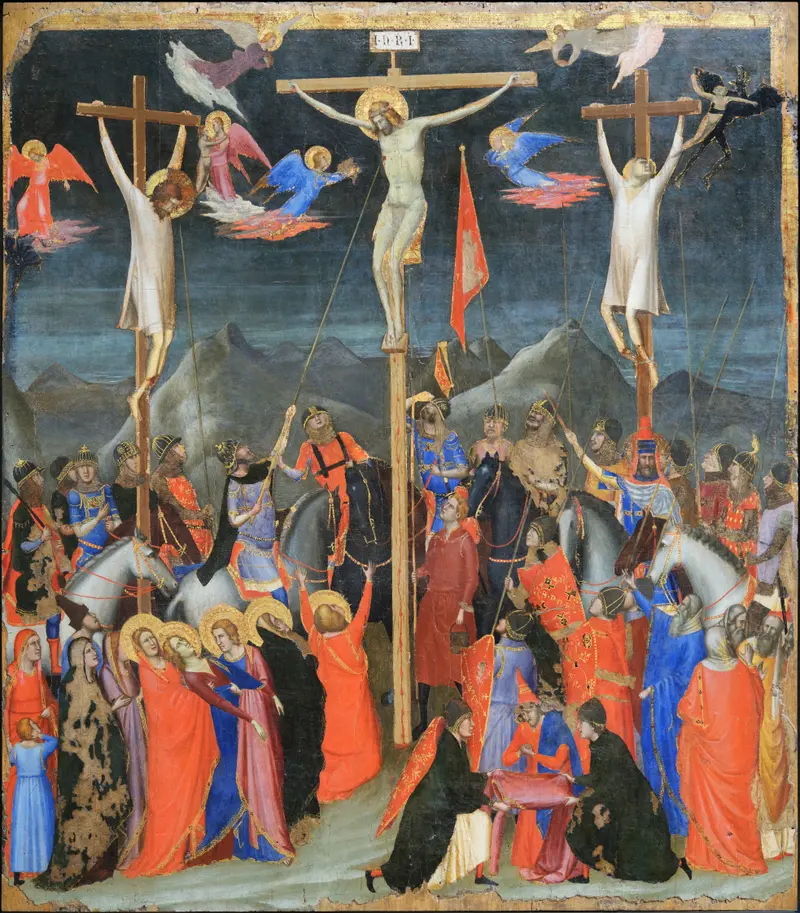
Crucifixion
Giotto di Bondone
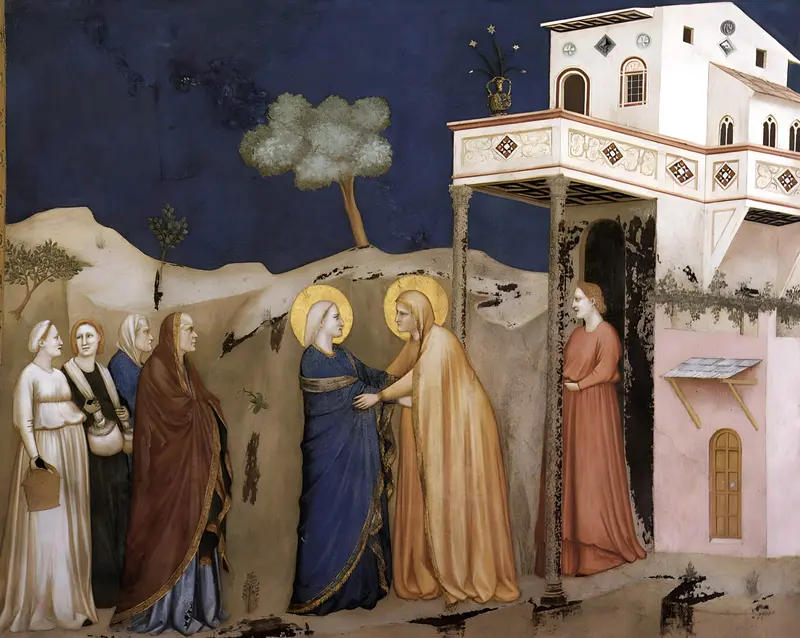
The Visitation
Giotto di Bondone
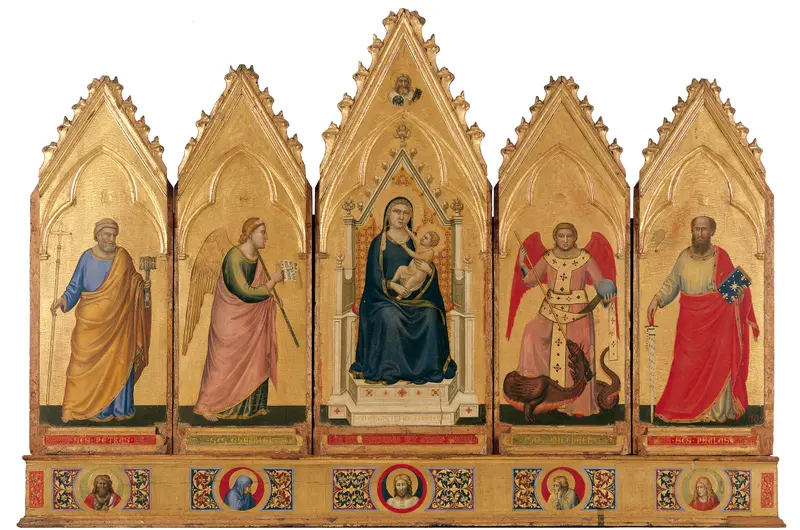
Bologna Polyptych
Giotto di Bondone





