
Samson and Delilah — History & Facts
In 1638, Artemisia Gentileschi painted her only known version of the story of Samson and Delilah, a subject more often tackled by male artists of the Baroque era. The painting stands out because it reverses the usual roles: Delilah is not a temptress in shadow, but a resolute woman, and Samson, the legendary strongman, is rendered vulnerable and asleep. This choice resonates with Artemisia's own life, marked by her struggle for recognition in a male-dominated art world and her personal history of violence and resilience.
While the medium of this work remains uncertain, it is clear that Artemisia brought her characteristic psychological insight to the biblical tale. The moment captured here is tense and intimate: Delilah, scissors in hand, prepares to cut Samson’s hair, the source of his supernatural strength. Her expression is determined, her gesture precise, while Samson lies exposed, his head cradled in her lap, oblivious to the betrayal. The dramatic lighting carves out Delilah’s figure, casting her as both executioner and victim of circumstance.
Unlike Rubens’s version, where Delilah is surrounded by accomplices and sensuality, Artemisia isolates her protagonist, focusing on the moral weight of the act. The scissors, the severed locks, and the careful composition all underscore the themes of trust, power, and vulnerability. The provenance of Samson and Delilah is not fully documented; its early history remains a subject of scholarly debate, and it is not known for certain who first commissioned the work. Today, it is recognized as an important example of Artemisia Gentileschi’s mature style, painted during her later years, possibly in Naples.
The painting’s attribution has never been seriously questioned, thanks to the distinctive handling of light and the psychological realism that mark her hand. It stands as a testament to her ability to reinterpret traditional stories through a new lens, and to her enduring place in the canon of Baroque painting.
More Artworks by Artemisia Gentileschi

Judith Beheading Holofernes
Artemisia Gentileschi
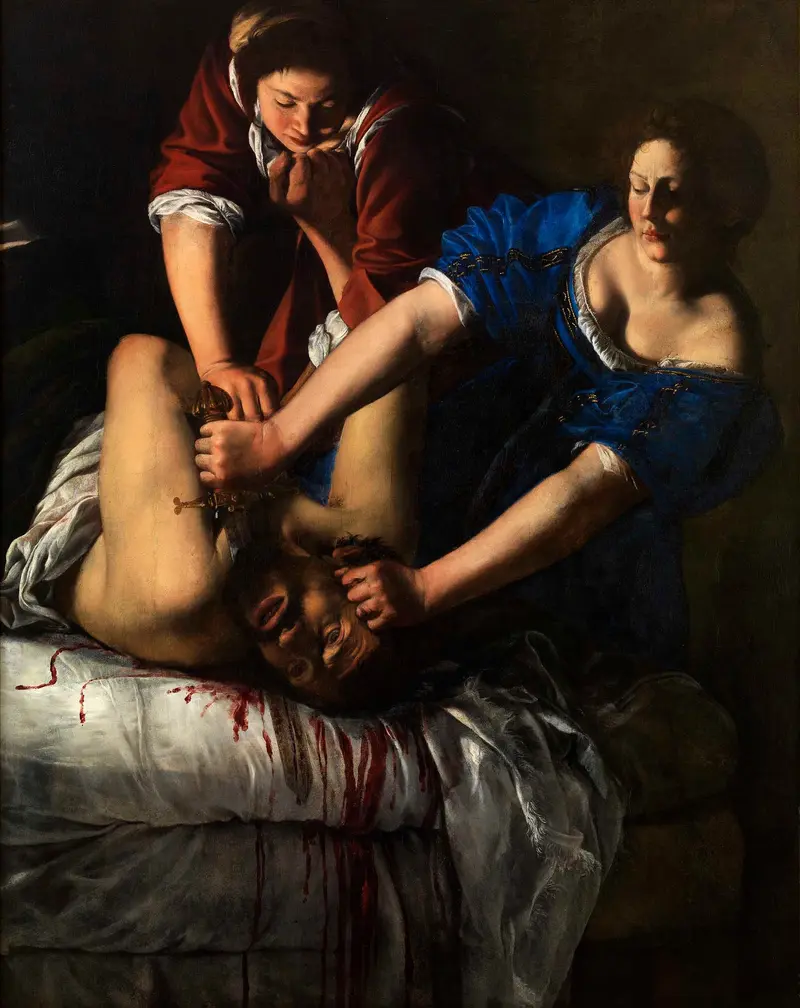
Judith Slaying Holofernes
Artemisia Gentileschi
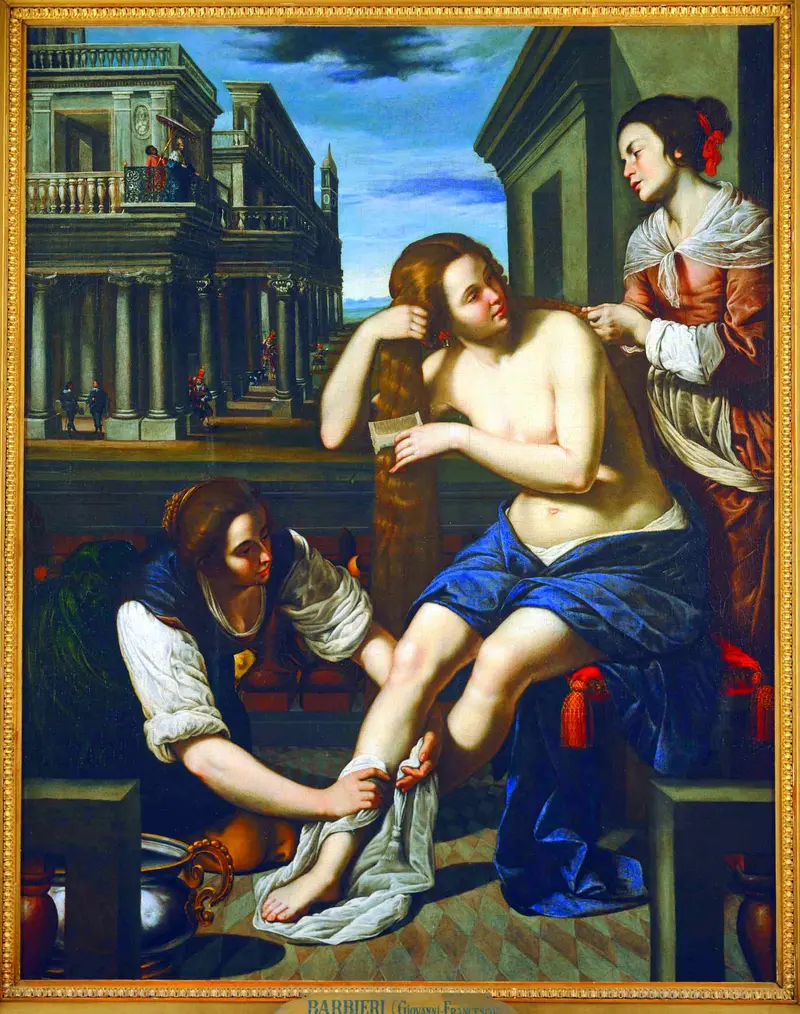
Bathsheba at Her Bath
Artemisia Gentileschi
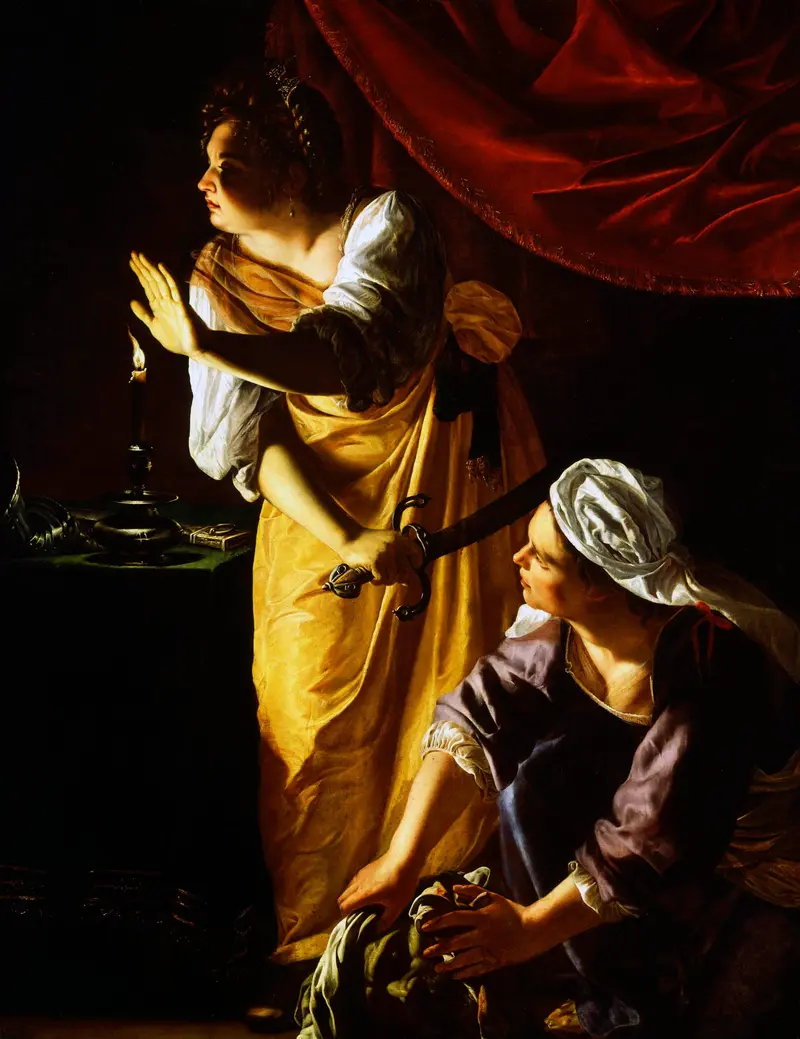
Judith and Maidservant with Head of Holofernes
Artemisia Gentileschi
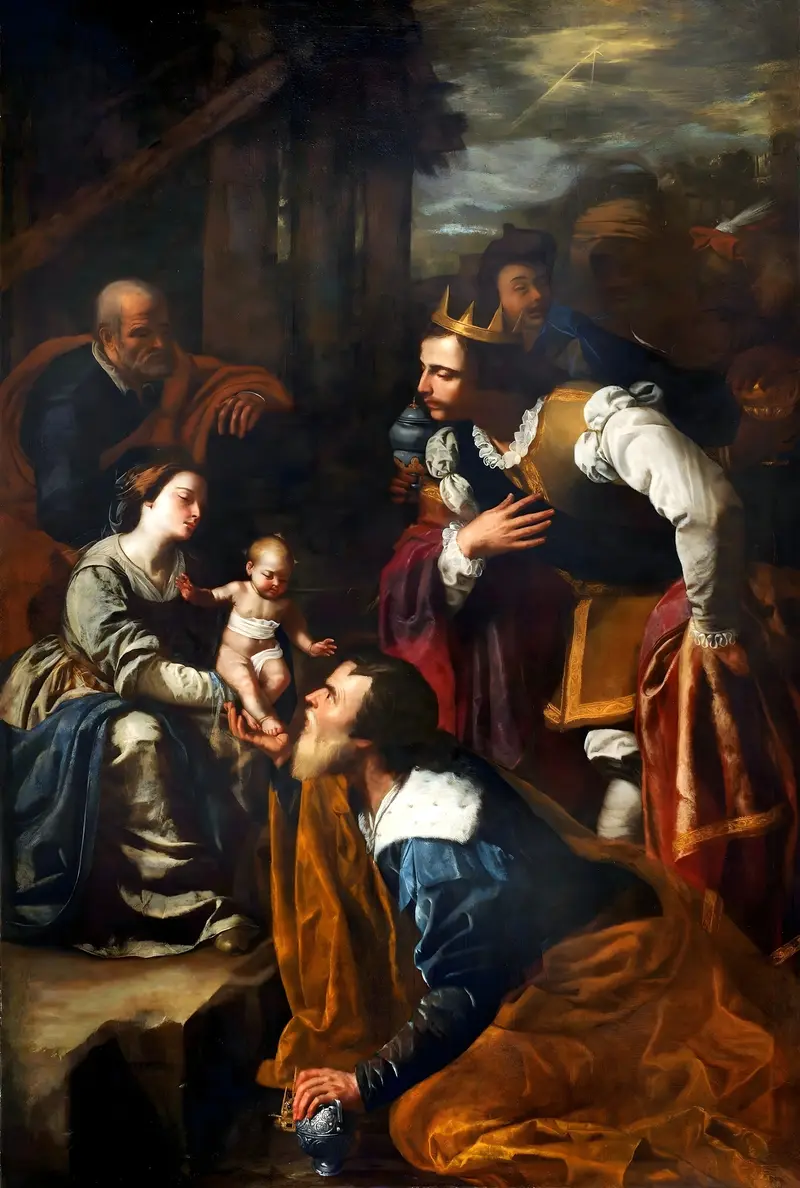
Adoration of the Magi
Artemisia Gentileschi
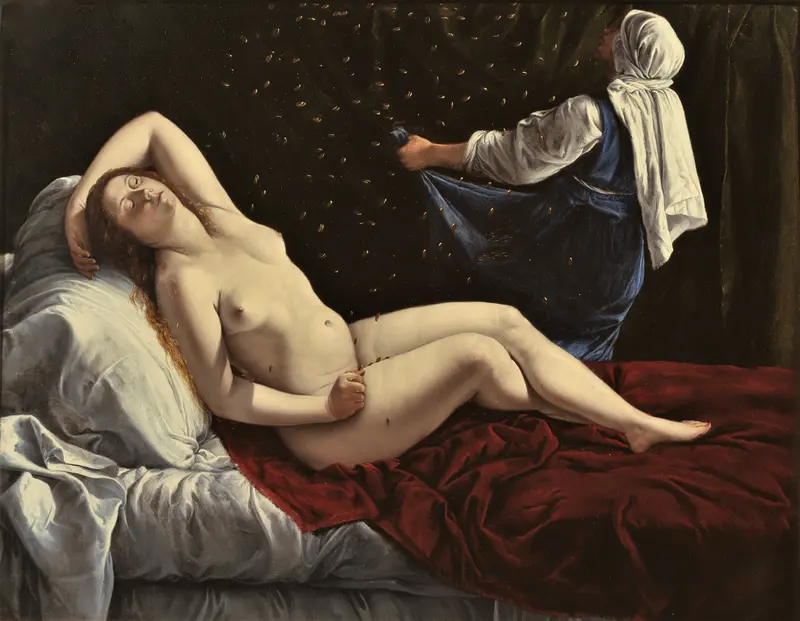
Danaë
Artemisia Gentileschi
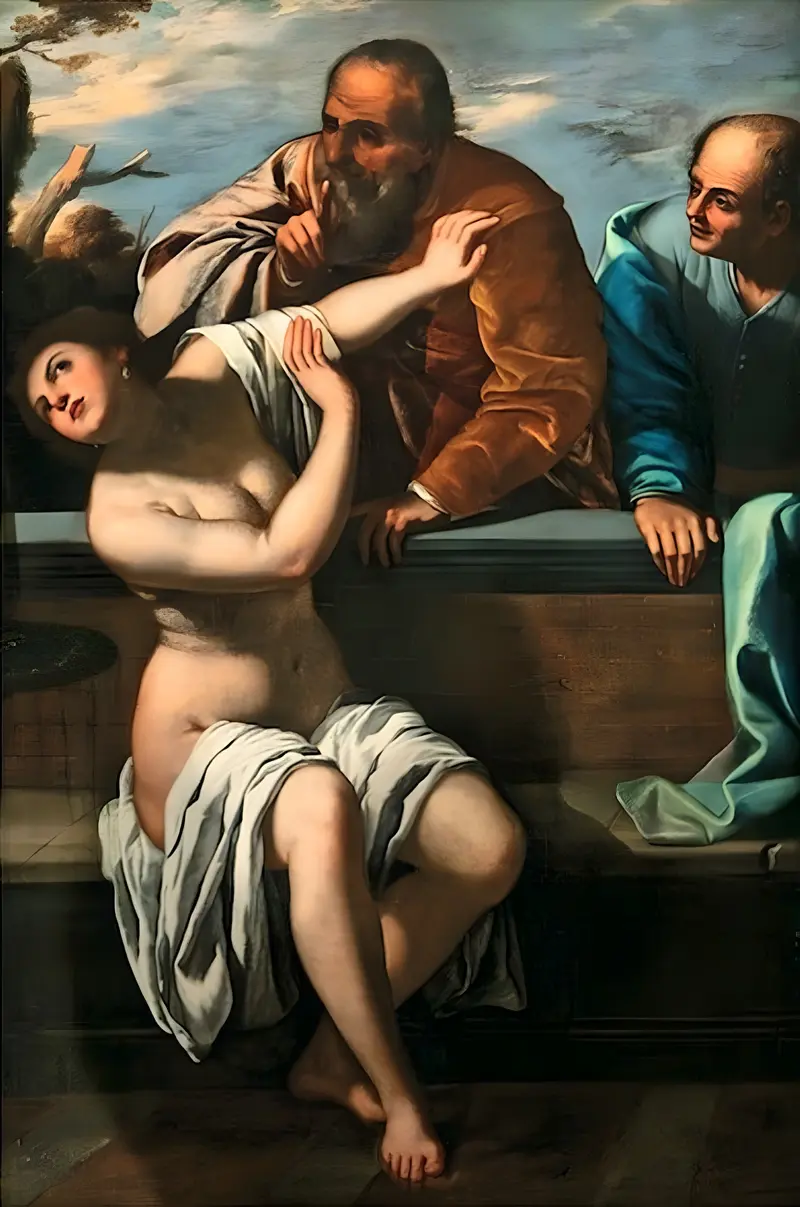
Susannah and the Elders
Artemisia Gentileschi

Judith and her Servant with the Head of Holofernes
Artemisia Gentileschi
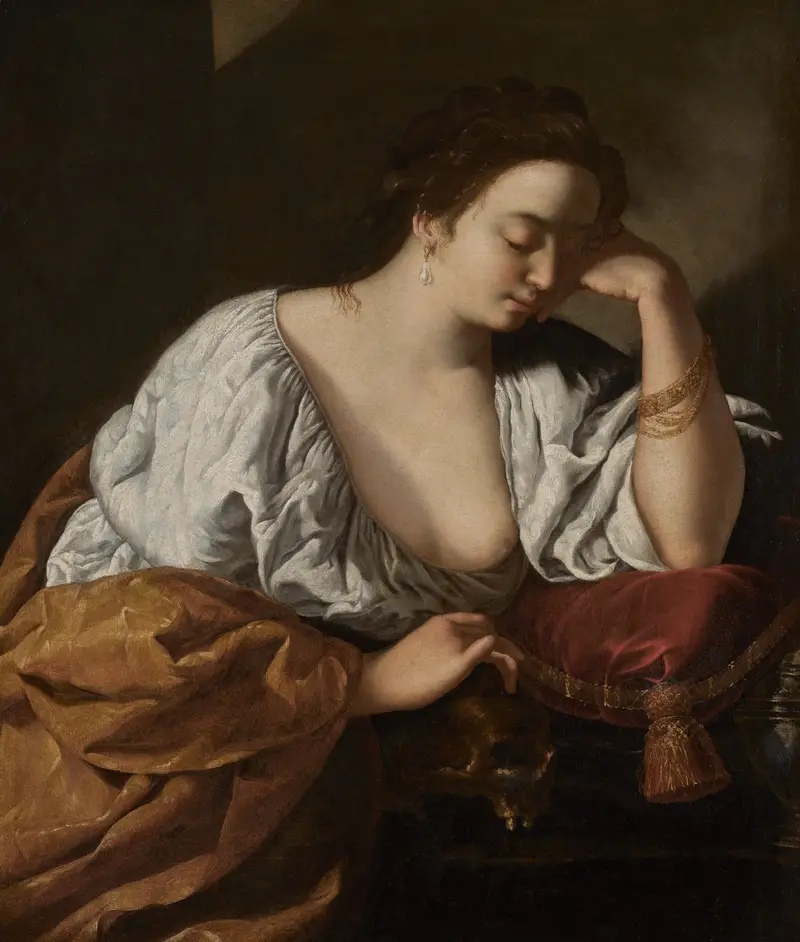
Madeleine pénitente, par
Artemisia Gentileschi
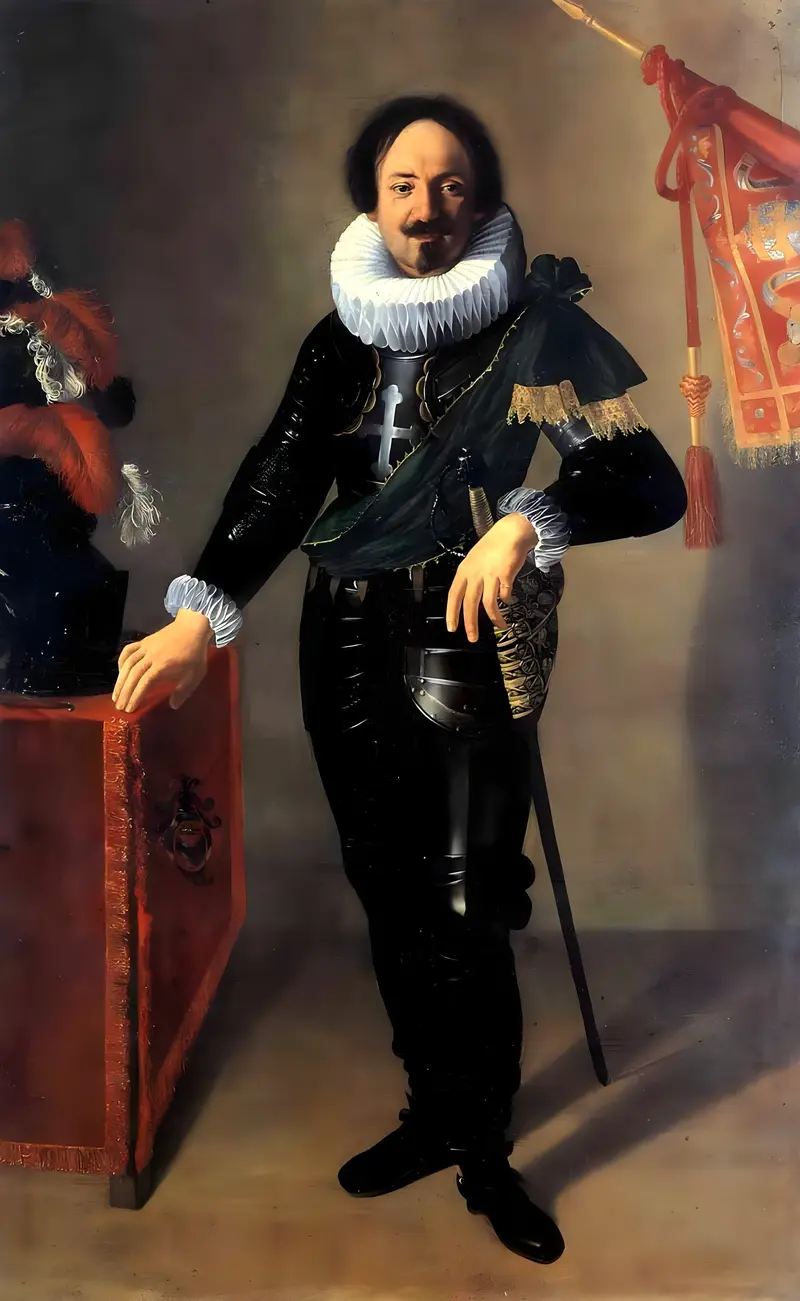
Portrait of a Gonfaloniere
Artemisia Gentileschi





