
Self-Portrait as a Lute Player — History & Facts
When Artemisia Gentileschi painted Self-Portrait as a Lute Player in 1616, she was already a rarity: a woman artist making her way in the fiercely competitive courts of Italy. This work is believed to have been painted during her stay in Florence, possibly for the influential Grand Duchess Christina of Lorraine, who was known for her patronage of women artists. The painting stands out because it may be the earliest known self-portrait of Gentileschi in a secular guise, a bold statement of her identity as both artist and cultivated woman.
Its impact was immediate—records show that Gentileschi was invited to join the prestigious Accademia delle Arti del Disegno in Florence soon after, the first woman ever admitted. The painting captures a moment of poised introspection: Gentileschi presents herself in rich, theatrical costume, fingers gently caressing the strings of a lute, her gaze turned away from the viewer as if listening to music only she can hear. The lute, a symbol of harmony and learning, becomes here an emblem of the artist’s own creative power. Unlike the more passive musical portraits of her male contemporaries, such as Caravaggio’s The Lute Player, Gentileschi’s self-portrait asserts agency—her hands are active, her expression alert, her presence commanding.
The dramatic play of light across her face and costume draws the eye to the instruments of her art, both musical and painterly, suggesting a parallel between painting and music as twin expressions of intellect and emotion. The precise early history of Self-Portrait as a Lute Player is somewhat obscure, as is often the case with Gentileschi’s works, which were sometimes misattributed to male artists. It is thought to have remained in Florence for some time, possibly within the Medici collections, before passing into private hands. Only in the twentieth century did scholars firmly reattribute the painting to Gentileschi, recognizing her distinctive touch in the confident brushwork and psychological intensity.
Today, the painting is celebrated as a landmark in her career, marking her emergence as an artist of international reputation and a figure who challenged the conventions of her time.
More Artworks by Artemisia Gentileschi

Judith Beheading Holofernes
Artemisia Gentileschi
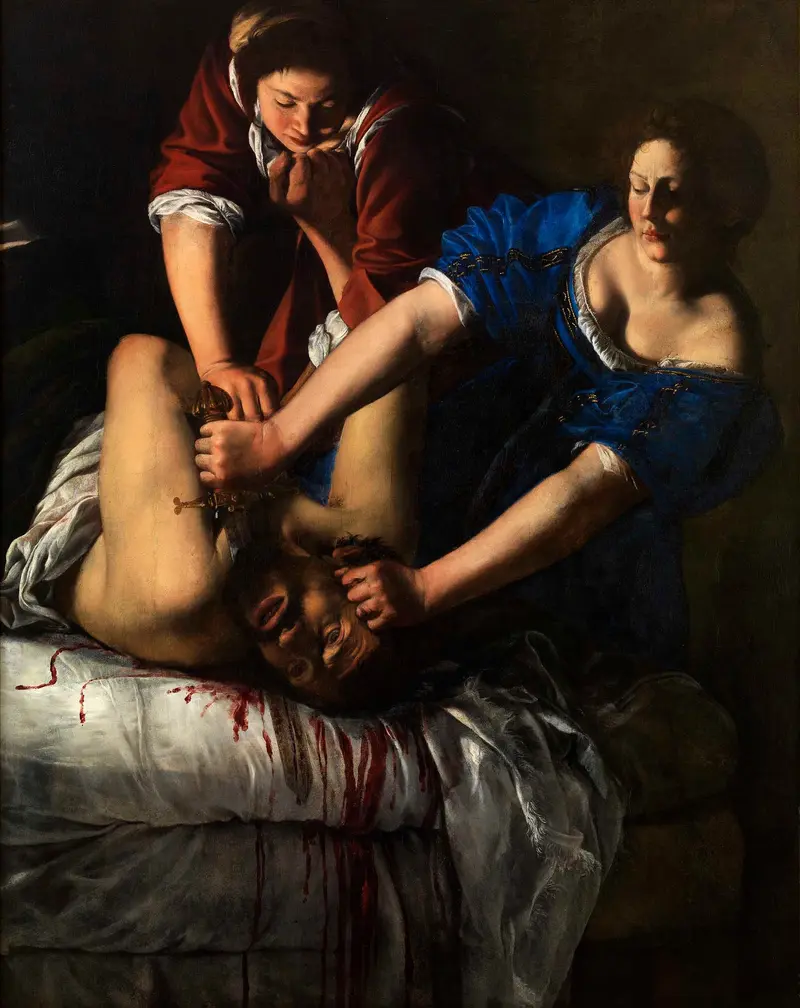
Judith Slaying Holofernes
Artemisia Gentileschi
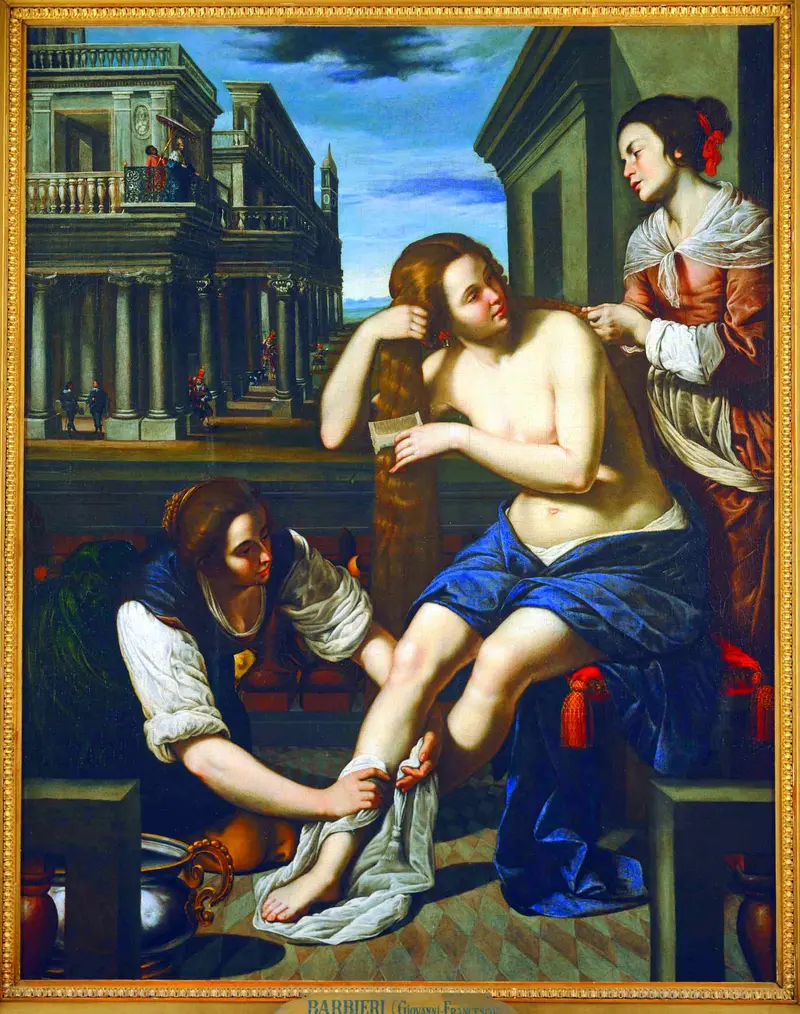
Bathsheba at Her Bath
Artemisia Gentileschi
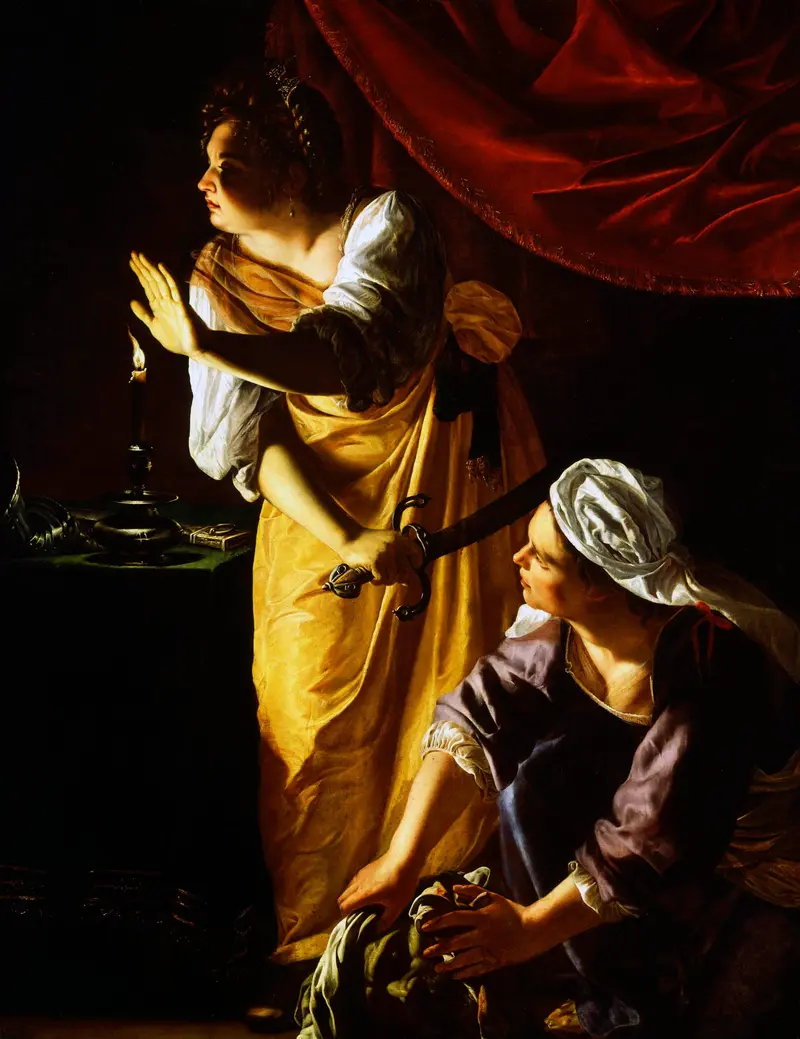
Judith and Maidservant with Head of Holofernes
Artemisia Gentileschi
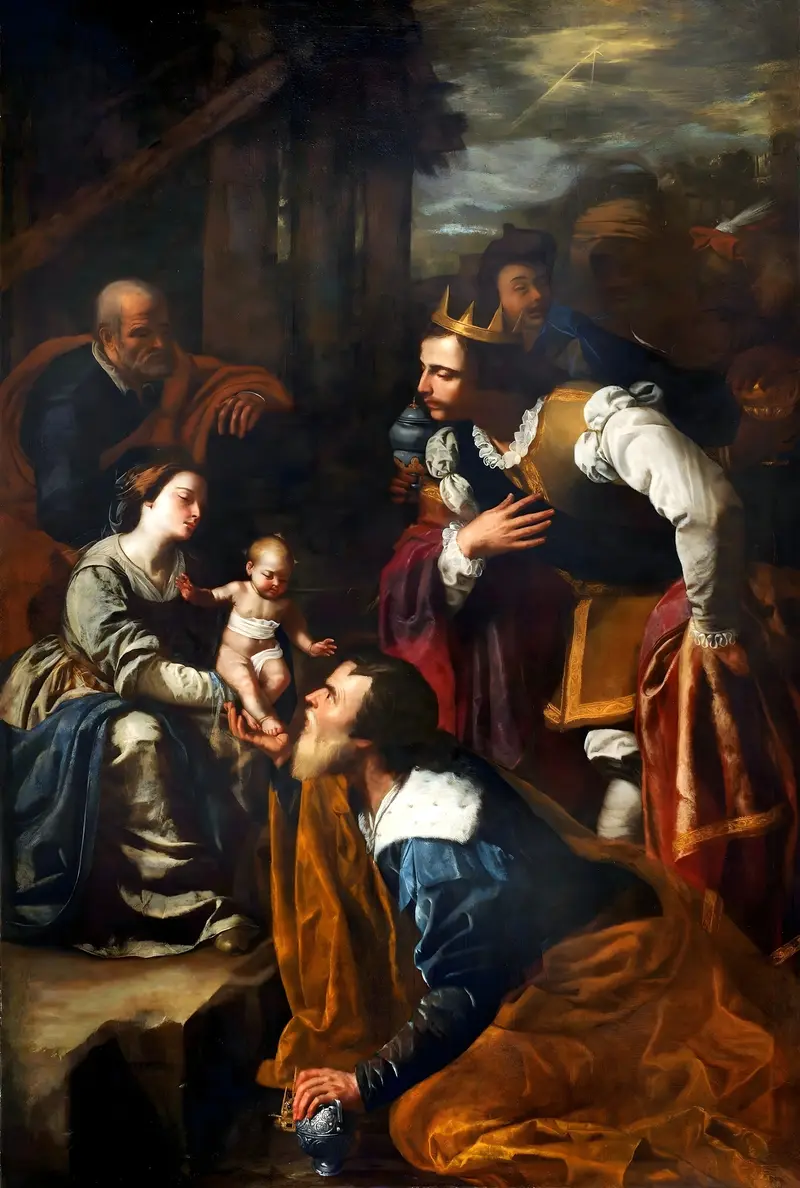
Adoration of the Magi
Artemisia Gentileschi
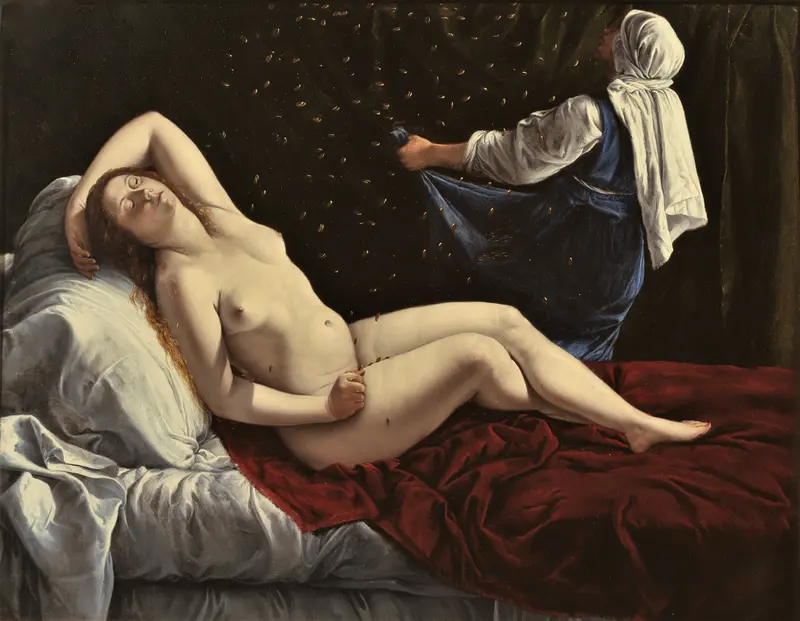
Danaë
Artemisia Gentileschi
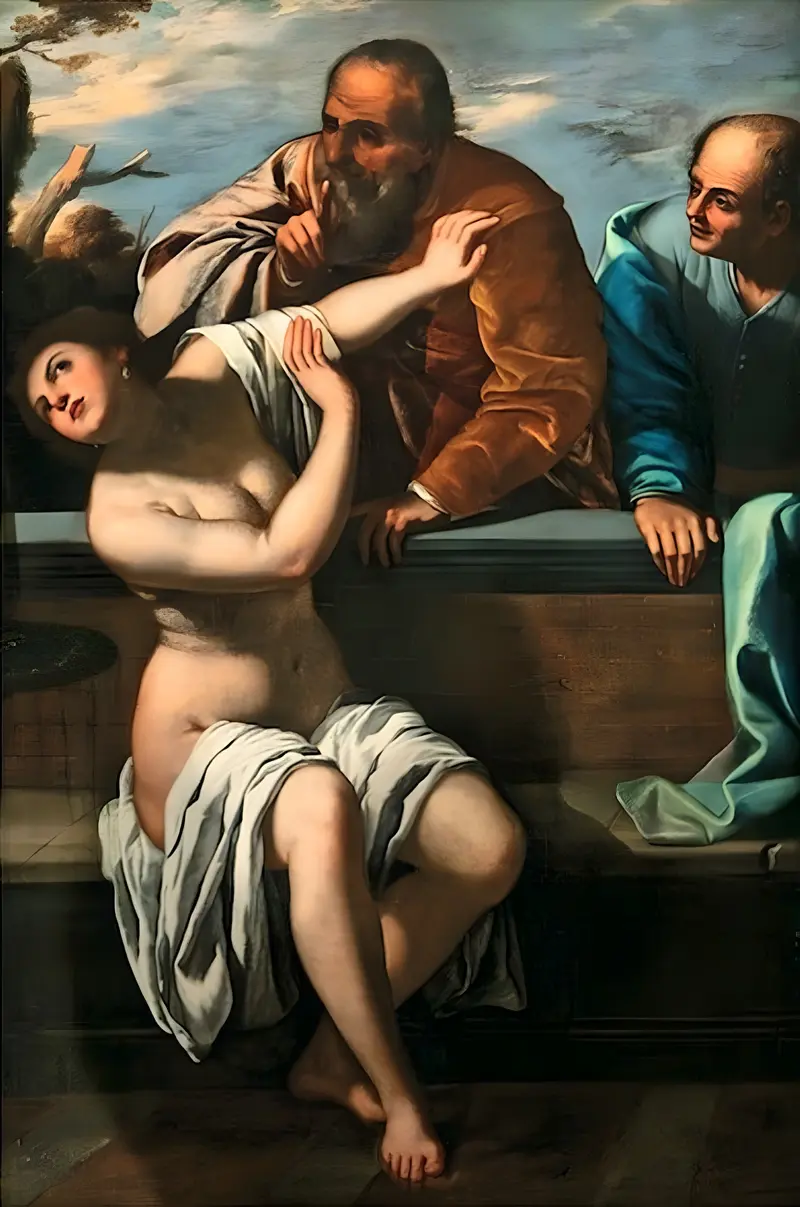
Susannah and the Elders
Artemisia Gentileschi

Judith and her Servant with the Head of Holofernes
Artemisia Gentileschi
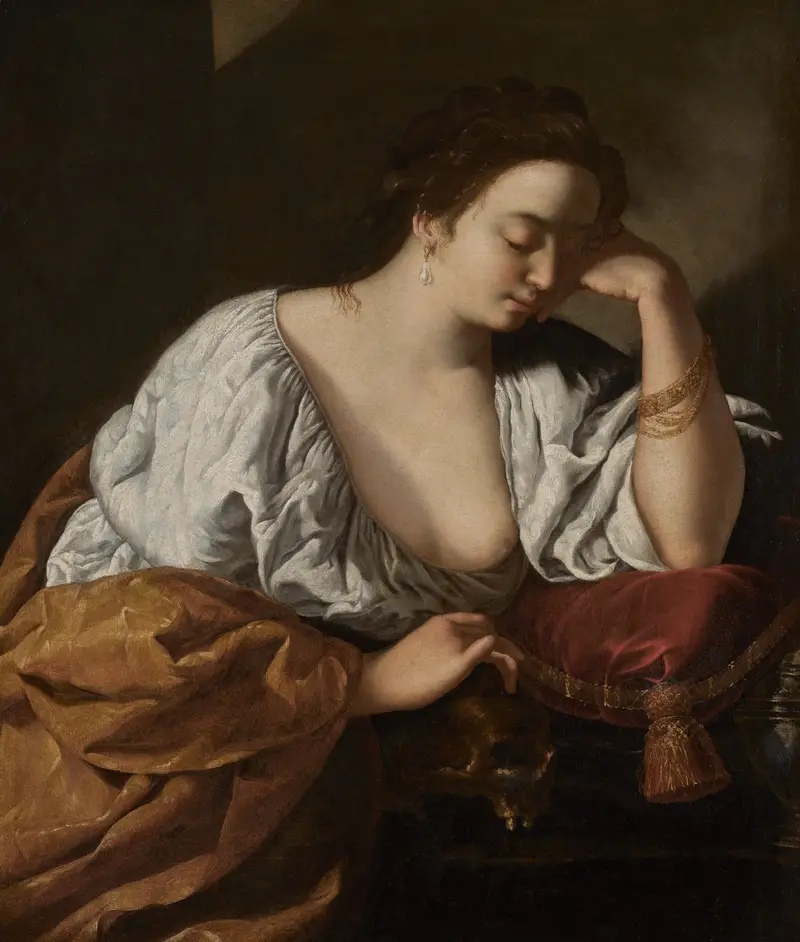
Madeleine pénitente, par
Artemisia Gentileschi
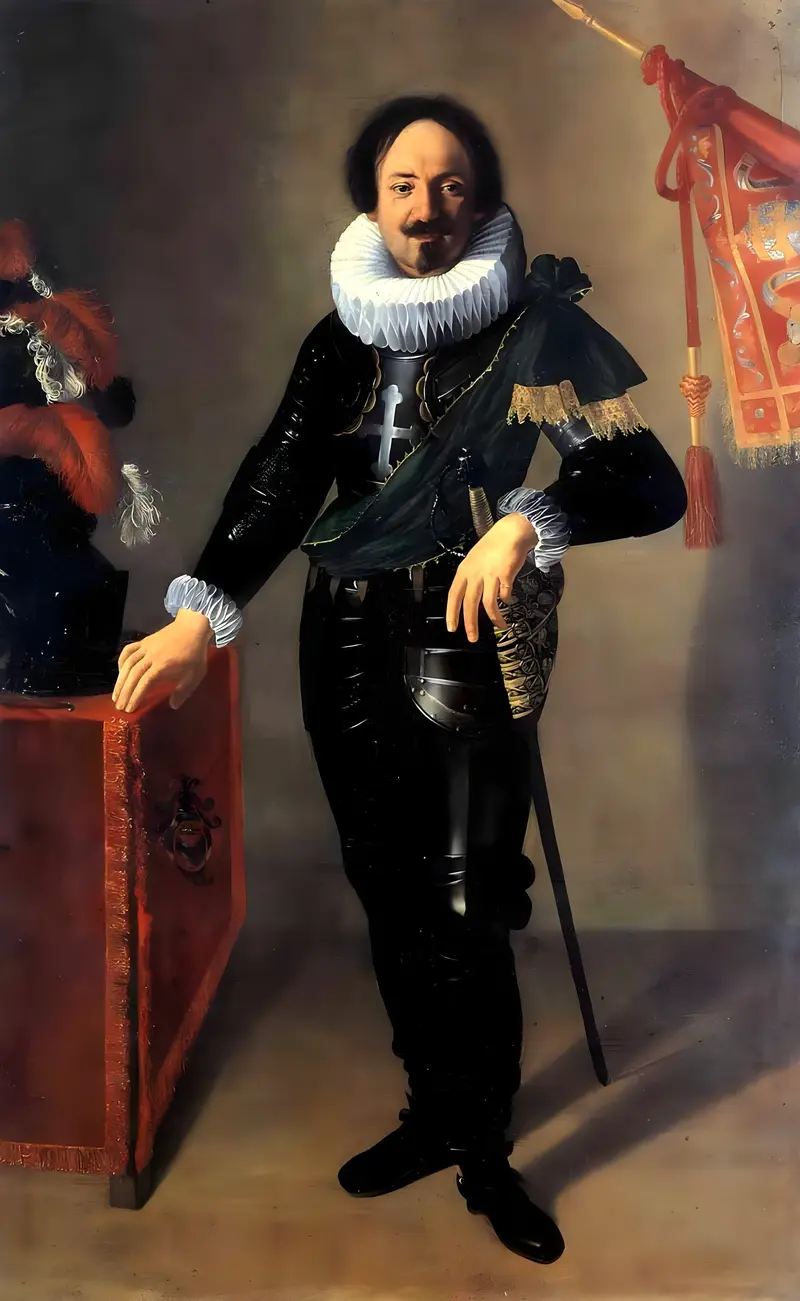
Portrait of a Gonfaloniere
Artemisia Gentileschi





