
Self Portrait — History & Facts
In 1650, while in Rome on a diplomatic mission for the Spanish court, Diego Velázquez painted this Self Portrait—one of the rare images he made of himself, and the only one believed to have been painted from life rather than memory or sketches. The work was likely created during the same period as his famed Portrait of Innocent X, and it is said that Velázquez gifted this self-portrait to the papal barber, an unusual gesture that hints at the artist’s personal connections and the informal networks of favor in Baroque Rome. Unlike most of his royal commissions, this painting was not destined for the Spanish king or a grand palace, but for private hands, adding a layer of intimacy and mystery to its origins. Caught in a moment of direct, almost searching gaze, Velázquez presents himself not as a courtier or a craftsman, but as an individual confronting his own image.
His head is turned slightly, the eyes alert and questioning, lips parted as if about to speak. The brushwork is loose and fluid, especially in the hair and collar, giving the face a sense of immediacy and presence. There are no grand attributes or painter’s tools—just the man, rendered with a realism and psychological depth that recalls Rembrandt’s self-portraits from the same era.
The subdued palette and gentle modeling of light draw the viewer in, inviting a private encounter with the artist himself. The precise journey of this painting after its creation remains uncertain, as does its original medium—oil on canvas is presumed, but not definitively documented. For many years, the portrait was kept in private collections in Italy before entering the collection of the Museo del Prado in Madrid, where it now hangs among other works by Velázquez. The painting marks a late moment in the artist’s career, just nine years before his death, and stands as a rare instance of self-examination in his oeuvre.
Its quiet intensity continues to fascinate scholars, who debate whether Velázquez intended it as a personal memento or a statement of artistic identity in the cosmopolitan world of seventeenth-century Rome.
More Artworks by Diego Velázquez

Las Meninas
Diego Velázquez
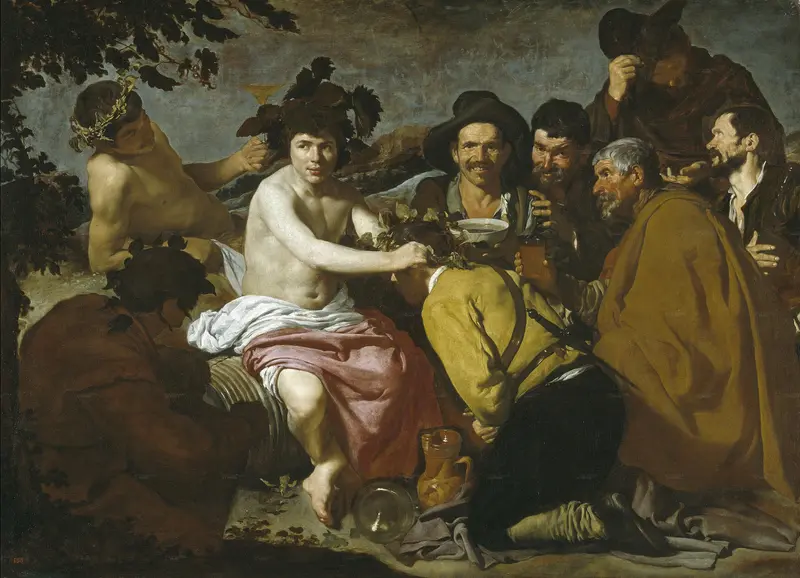
The Triumph of Bacchus
Diego Velázquez
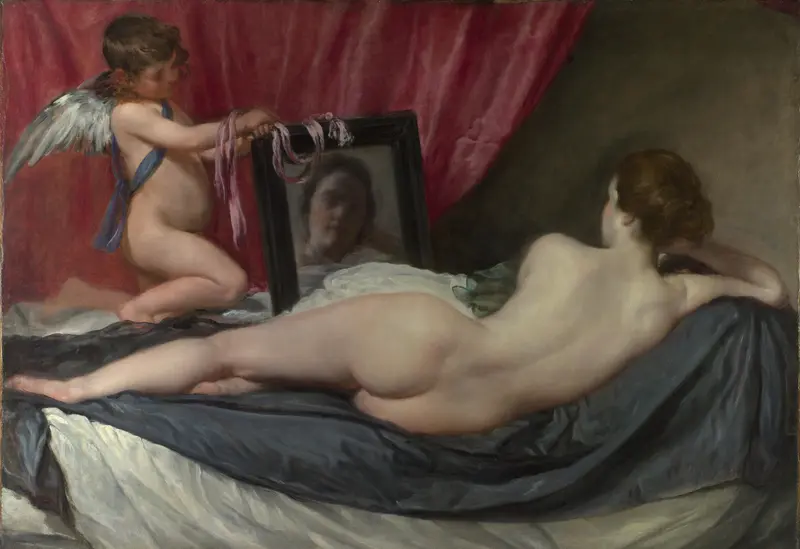
Rokeby Venus
Diego Velázquez
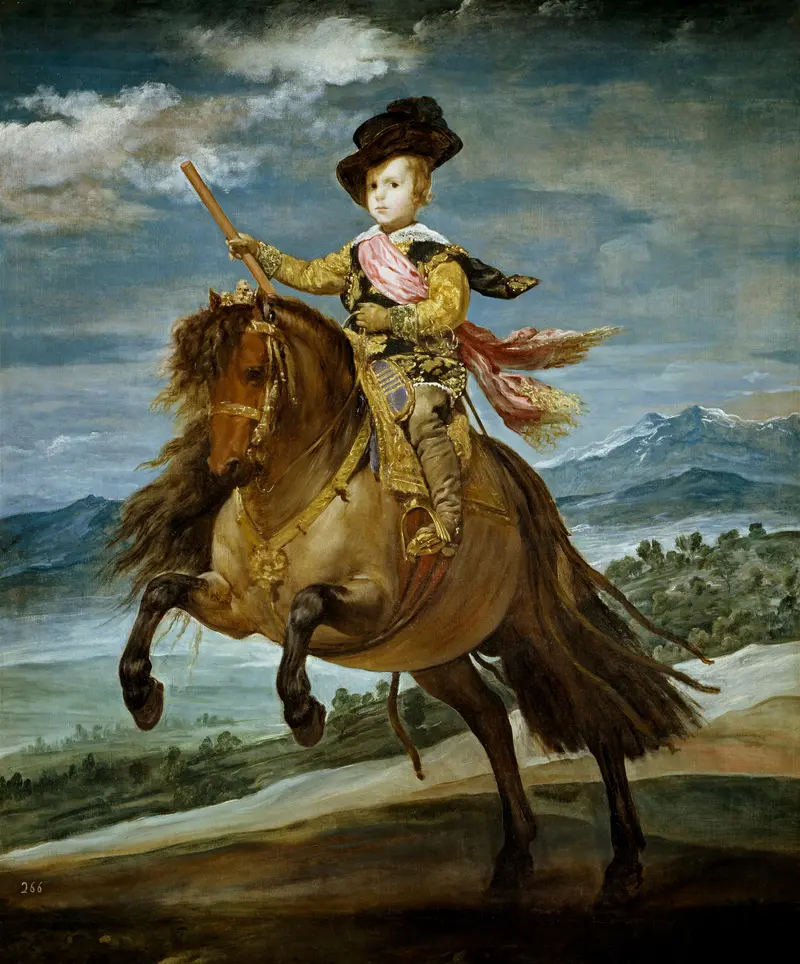
Equestrian Portrait of Prince Balthasar Charles
Diego Velázquez
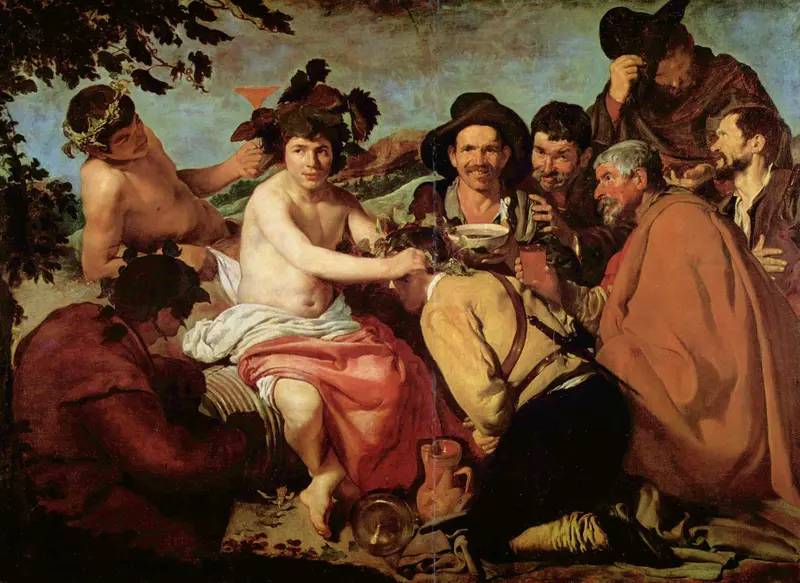
Bacchus
Diego Velázquez
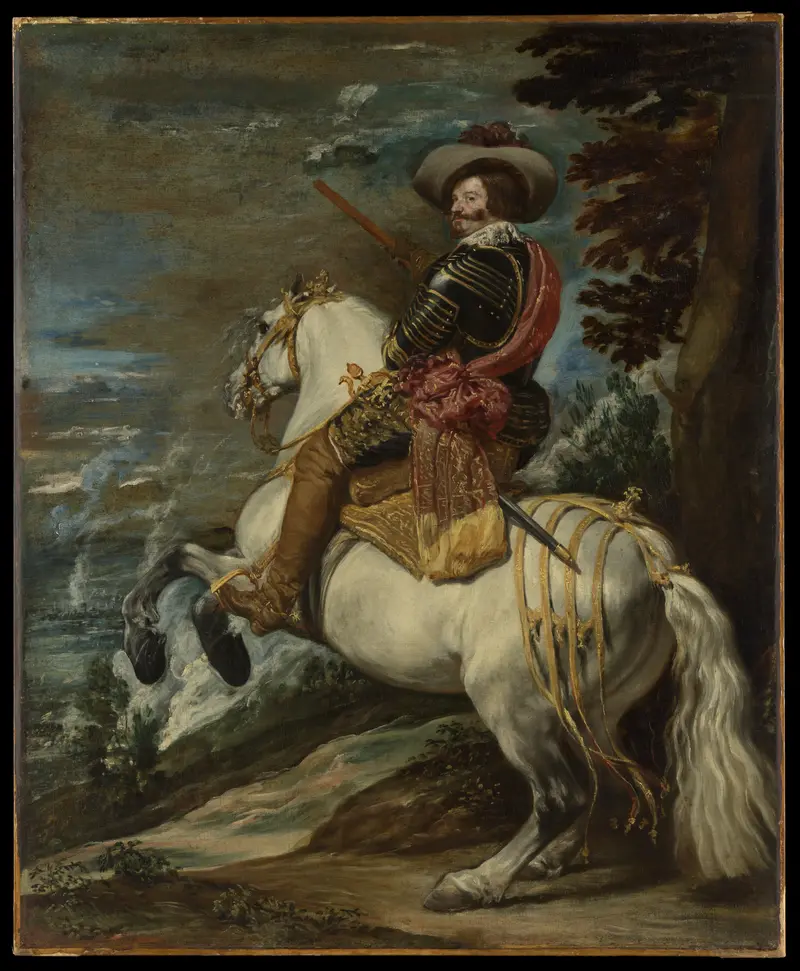
Don Gaspar de Guzmán (1587–1645), Count-Duke of Olivares
Diego Velázquez
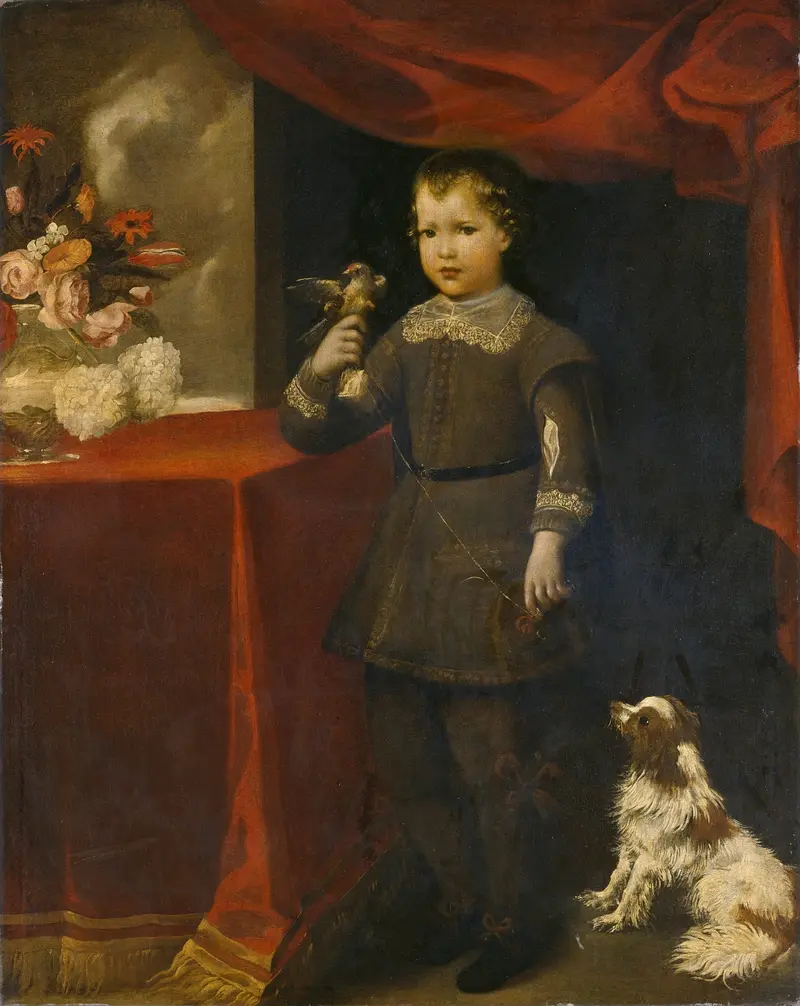
El príncipe Baltasar Carlos de Austria
Diego Velázquez
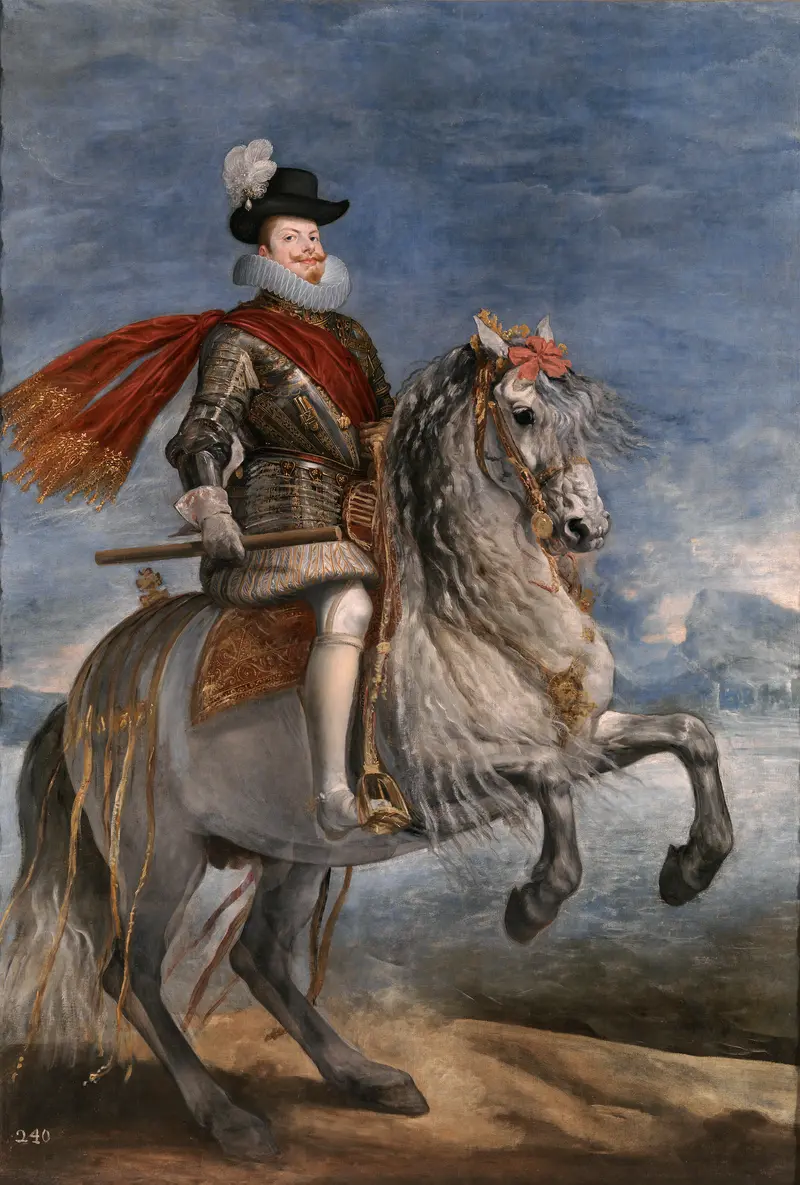
Equestrian Portrait of Philip III
Diego Velázquez
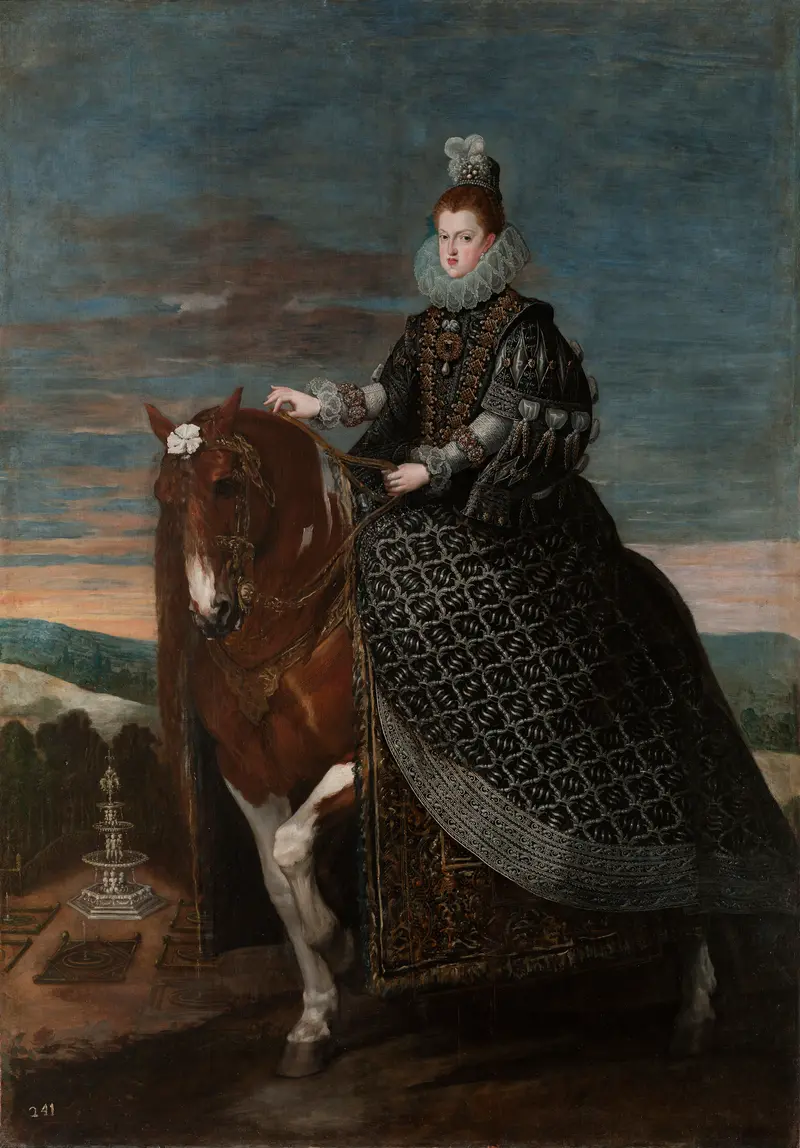
Equestrian Portrait of Margarita of Austria
Diego Velázquez
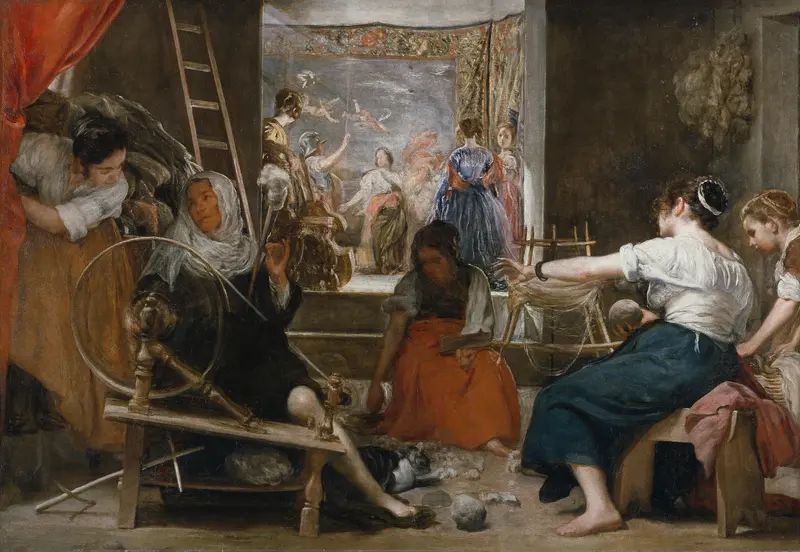
Las Hilanderas
Diego Velázquez




