
Simone in a Blue Bonnet (No. 1) — History & Facts
When Mary Cassatt painted Simone in a Blue Bonnet (No. 1) in 1903, she was already renowned for her intimate portraits of women and children, yet this work stands out as the first of at least two known depictions of the same sitter in the distinctive bonnet. The repetition of the subject, unusual for Cassatt, has led scholars to speculate about a personal connection—possibly a family friend or relative—though the true identity of Simone remains uncertain.
The painting is also notable for being created during the final decade of Cassatt’s career, a period marked by her struggle with failing eyesight and a deepening interest in the expressive possibilities of color and pattern. The blue bonnet itself became a motif she would revisit, suggesting its importance to the artist’s evolving vision. The canvas captures a quiet, contemplative moment: Simone, a young girl, sits turned slightly away, her gaze lowered, the oversized blue bonnet framing her face and casting a gentle shadow. The soft interplay of light on her cheeks and the crisp blue of the hat draw the viewer’s attention, while the loose, almost sketch-like brushwork on her dress and background evoke a sense of immediacy and intimacy.
The choice to obscure the girl's eyes invites the viewer to imagine her inner world, a device Cassatt often used to suggest childhood introspection. Unlike Renoir’s more exuberant portraits of children, Cassatt here favors restraint and subtlety, allowing the sitter’s quiet presence to fill the space. The precise provenance of Simone in a Blue Bonnet (No. 1) is not fully documented, reflecting the fate of many of Cassatt’s privately commissioned works from this period.
It is believed to have remained in a private collection for much of the twentieth century, surfacing at auction only in recent decades as interest in Cassatt’s late work has grown. Today, the painting is celebrated as an example of her mature style, characterized by bold color harmonies and a sensitive approach to portraiture. Its place within Cassatt’s oeuvre highlights her enduring fascination with the world of children and her ability to capture fleeting psychological nuance, even as her own health was in decline.
More Artworks by Mary Cassatt

The Child's Bath
Mary Cassatt
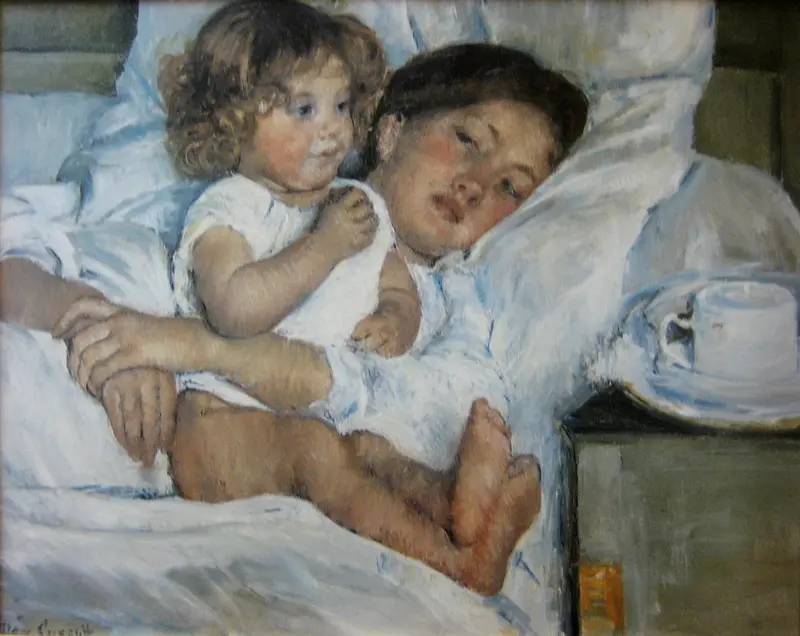
Breakfast in Bed
Mary Cassatt

Mother and Child (Baby Getting Up from His Nap)
Mary Cassatt
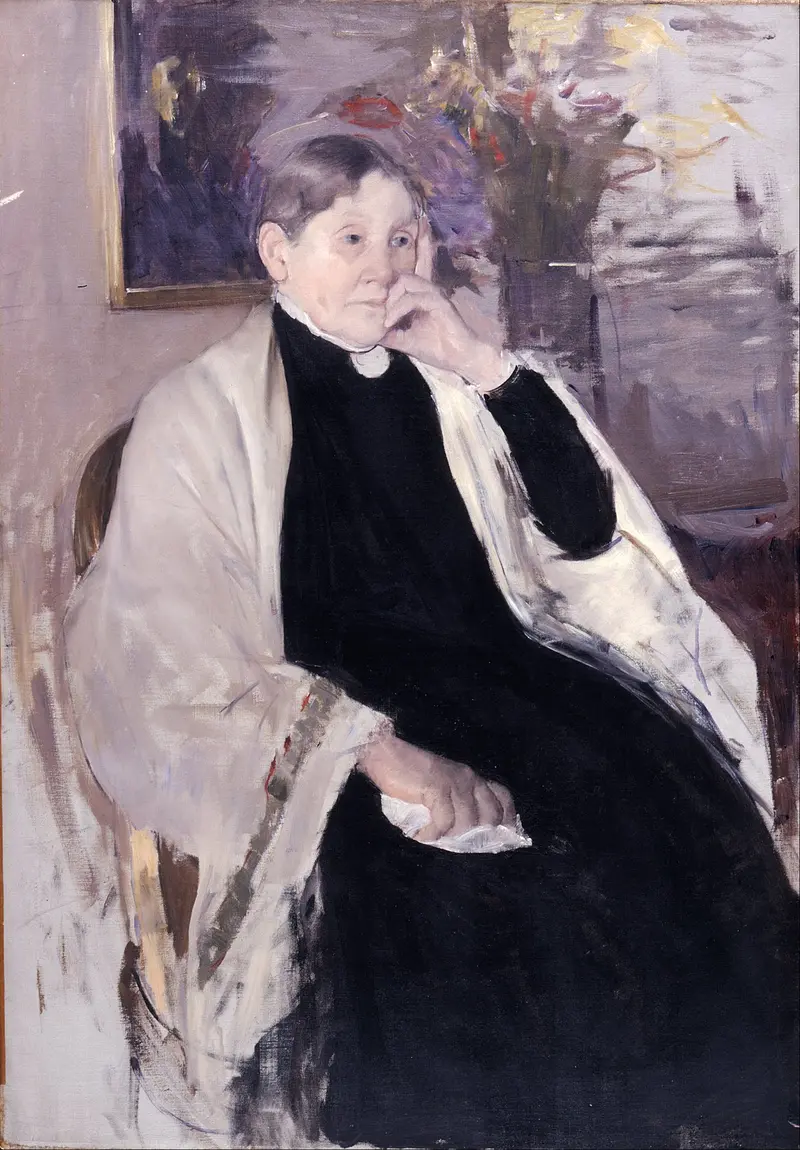
Mrs. Robert S. Cassatt, the Artist's Mother
Mary Cassatt
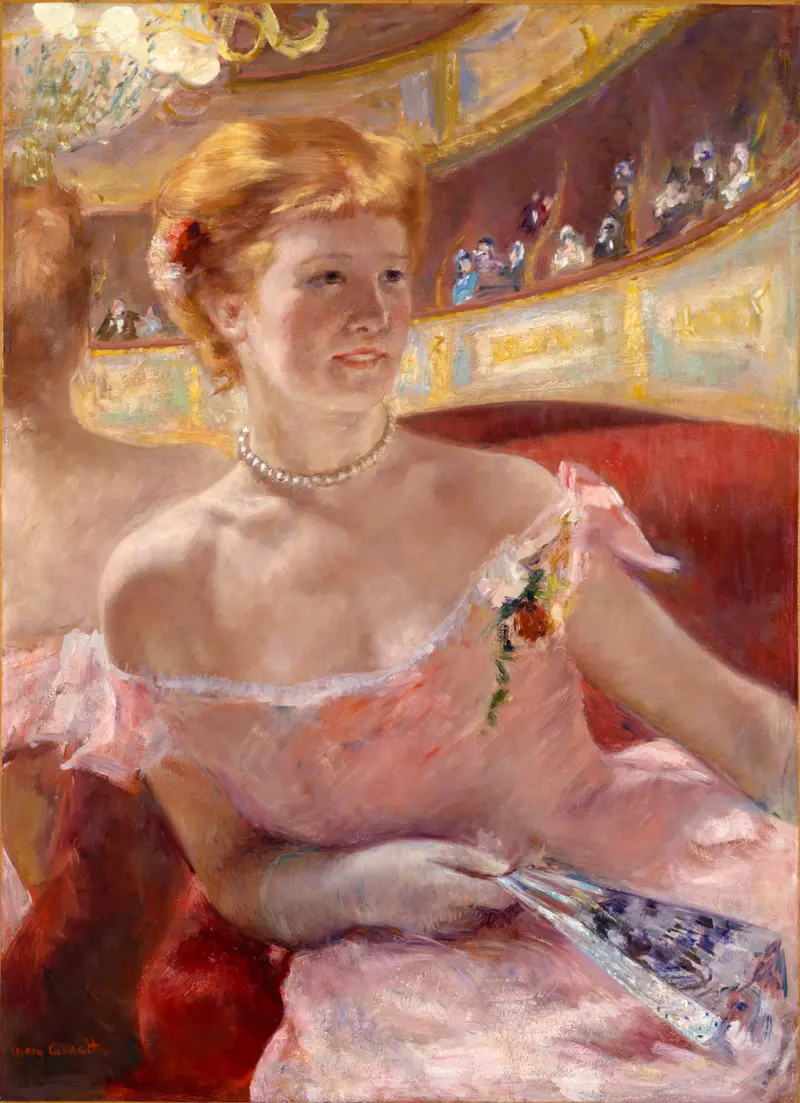
Woman with a Pearl Necklace in a Loge
Mary Cassatt
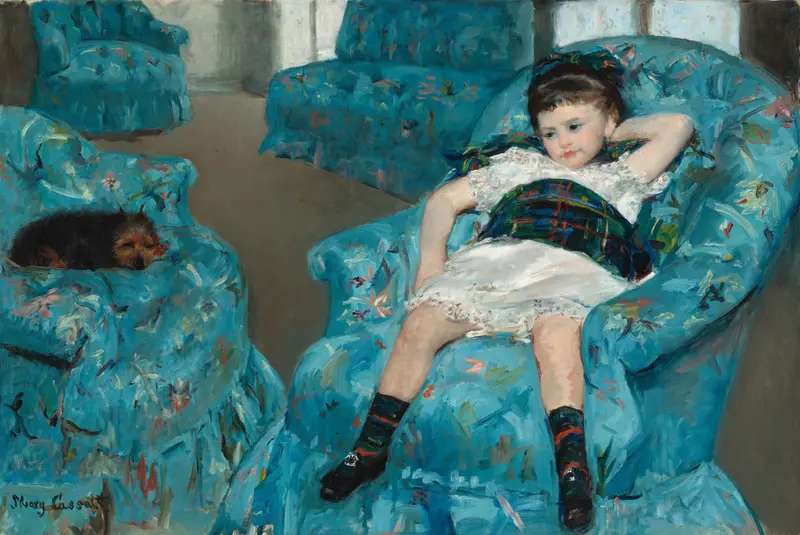
Little Girl in a Blue Armchair
Mary Cassatt
Mother and Child (The Oval Mirror)
Mary Cassatt
Mother and Child
Mary Cassatt
In The Loge
Mary Cassatt
On a Balcony
Mary Cassatt





