
Study for Cardinal Niccolò Albergati — History & Facts
In 1431, a diplomatic encounter between the papal legate Cardinal Niccolò Albergati and the Duke of Burgundy’s envoys set the stage for one of the most penetrating portraits of the early Northern Renaissance. The sitter, a key player in the complex negotiations that shaped European politics, sat for Jan van Eyck in Bruges, where the artist captured his likeness in a study that would later serve as the foundation for a finished oil painting. This preparatory work is remarkable for its precision and psychological depth—so much so that later scholars have debated whether the sitter is truly Albergati or another high-ranking churchman, given the subtle differences between this study and the final portrait. The drawing presents the cardinal in three-quarter view, his gaze focused yet inward, lips slightly parted as if caught mid-thought.
Van Eyck’s keen observation is evident in the careful rendering of the cardinal’s aged features: the fine wrinkles, the sagging skin under the eyes, the thin, fur-lined robe that signals both rank and ascetic restraint. The artist’s handling of light models the face with delicate transitions, giving the impression of flesh and bone beneath the surface. Unlike the more idealized depictions by Italian contemporaries such as Fra Angelico, van Eyck’s approach is unsparing and direct, inviting the viewer to contemplate the burdens of power and age. The precise medium of Study for Cardinal Niccolò Albergati remains uncertain—some suggest silverpoint, others chalk or ink—but its function as a preparatory drawing is clear.
Van Eyck would use this study to create the celebrated oil portrait now in Vienna’s Kunsthistorisches Museum, refining and altering details in the process. The drawing itself, preserved today in the Staatliche Kunstsammlungen Dresden, offers an intimate glimpse into van Eyck’s working method at a time when such studies were rarely kept. Its survival is a testament to the value placed on the artist’s process, and it stands as an early example of the Northern tradition of lifelike portraiture that would influence generations to come.
More Artworks by Jan van Eyck

Adam
Jan van Eyck
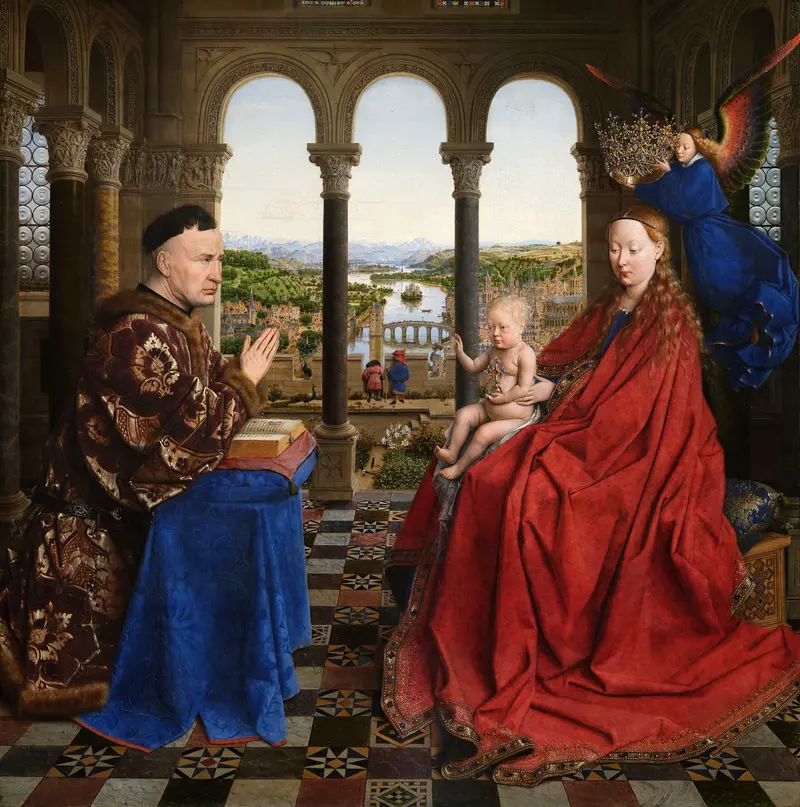
Madonna of Chancellor Rolin
Jan van Eyck
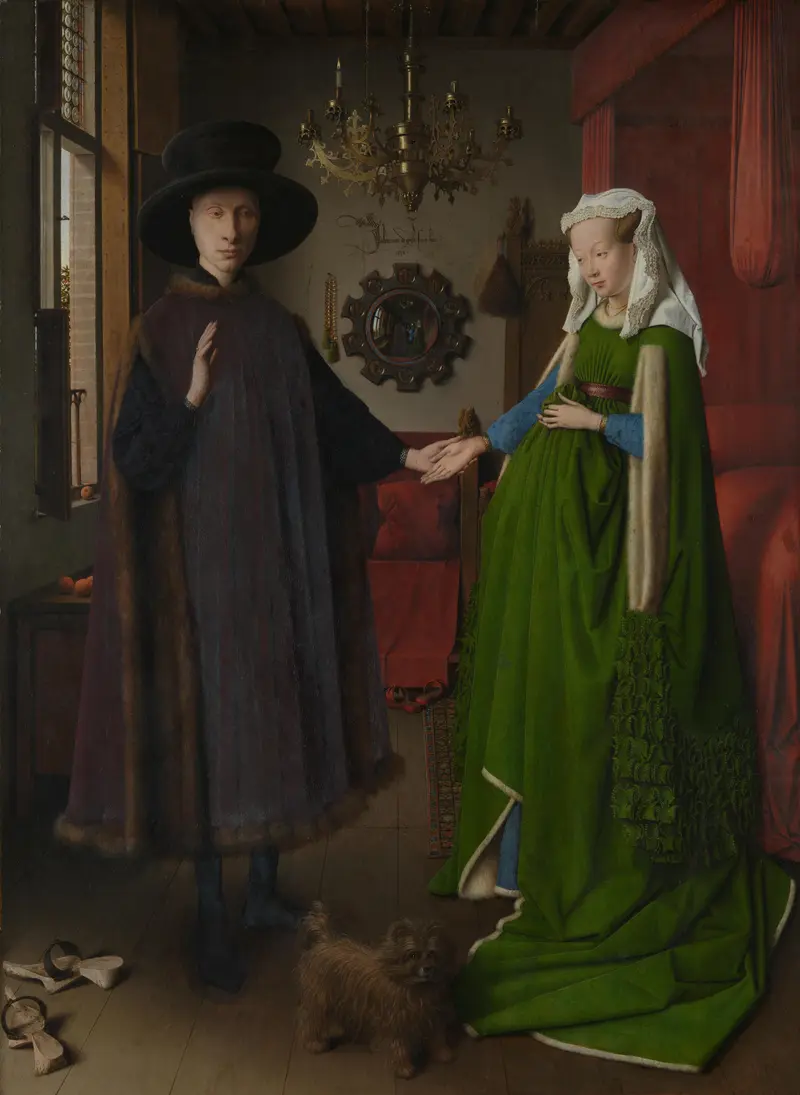
The Arnolfini Portrait
Jan van Eyck
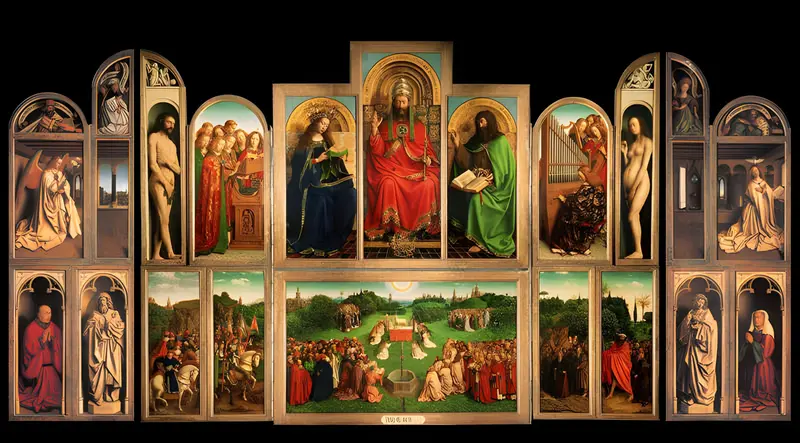
Ghent Altarpiece
Jan van Eyck

Dresden Triptych
Jan van Eyck
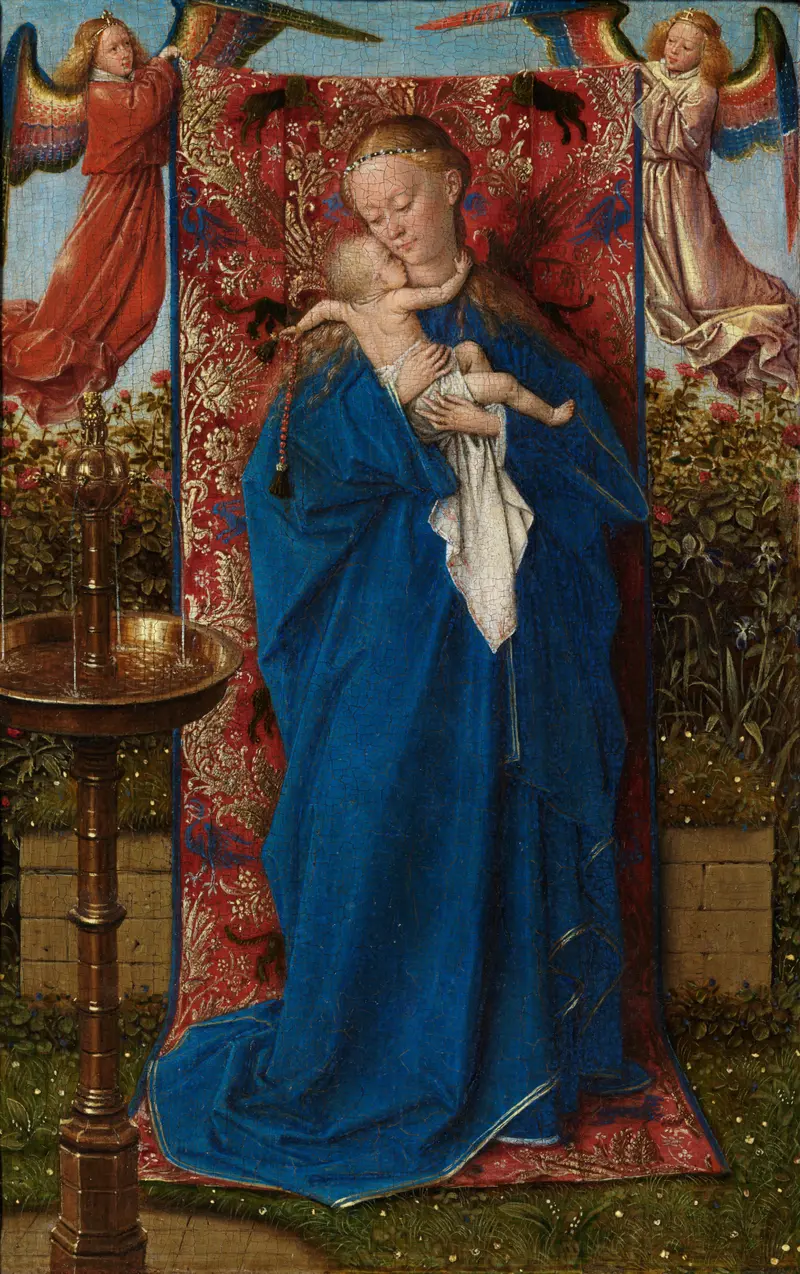
Madonna at the Fountain
Jan van Eyck

Madonna with Canon Joris van der Paele
Jan van Eyck

Prophet Zacharias; Angel of The Annunciation
Jan van Eyck
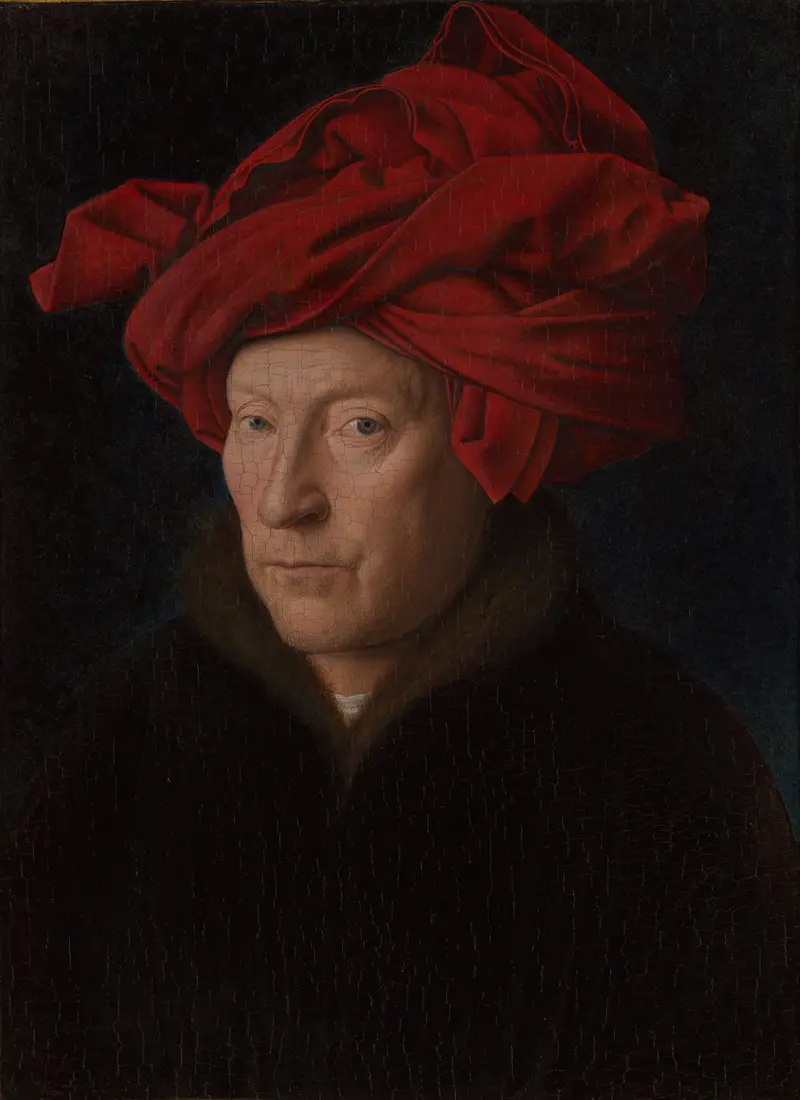
Portrait of a Man (Self Portrait?)
Jan van Eyck
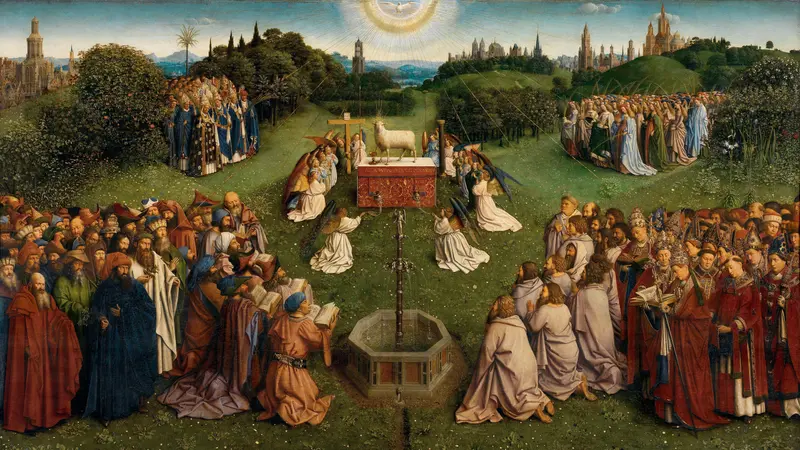
Adoration of the Lamb from the Ghent Altarpiece
Jan van Eyck





