
Study of a Dead Horse — History & Facts
No other artist of the early nineteenth century studied the dead as intently as Théodore Géricault, and nowhere is this more evident than in his Study of a Dead Horse. It is said that while preparing for his monumental The Raft of the Medusa, Géricault frequented Parisian morgues and veterinary schools, sketching corpses and dissected animals with the zeal of a scientist. This particular study, though undated and of uncertain medium, is widely believed to be one of several he produced during this obsessive research phase, when he sought to capture the raw reality of death for his ambitious historical canvases.
The painting stands as a testament to Géricault’s relentless pursuit of truth, even in its most unsettling forms. The subject is unflinching: a horse, lifeless and sprawled, its body rendered with a precision that betrays both compassion and clinical detachment. The moment Géricault chose is not one of drama or action, but of aftermath—the animal’s muscular form slackened, its head lolling, the sheen of its coat dulled by death. The composition is spare, focusing the viewer’s eye on the anatomy: the curve of the ribs, the slack jaw, the heavy, inert limbs.
Unlike George Stubbs’s elegant equine portraits, which celebrate the living animal’s grace, Géricault’s study confronts the viewer with mortality, inviting reflection on the fate of creatures so often pressed into human service and war. The light is cold and even, denying any romantic haze and instead insisting on the dignity of the physical form, even in death. The precise provenance of Study of a Dead Horse is uncertain; no record survives of a patron or public exhibition during Géricault’s lifetime. Works like this were likely intended as private studies, tools for the artist’s own improvement rather than for sale or display.
Many of Géricault’s anatomical sketches were dispersed after his death in 1824, and some have only recently been attributed to him through stylistic analysis and comparison with his known works. Today, this study is recognized as a crucial piece in understanding Géricault’s creative process and his impact on the development of Romanticism in France: a movement that prized emotional intensity and the confrontation with life’s darker realities.
More Artworks by Théodore Géricault
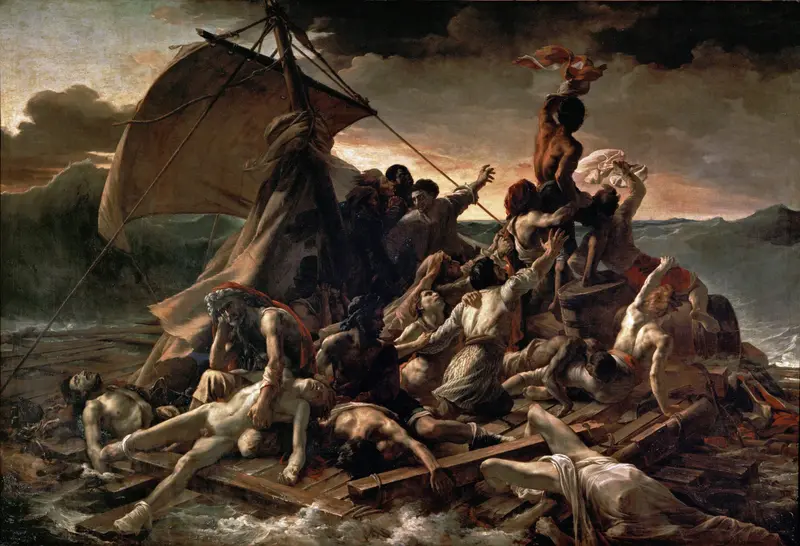
The Raft of the Medusa
Théodore Géricault

Géricault - Le naufrage du radeau de la Méduse, MBA 790
Théodore Géricault
Cattle Market
Théodore Géricault
Evening; Landscape with an Aqueduct
Théodore Géricault
Horse Race
Théodore Géricault

Horses Standing in a Mews
Théodore Géricault
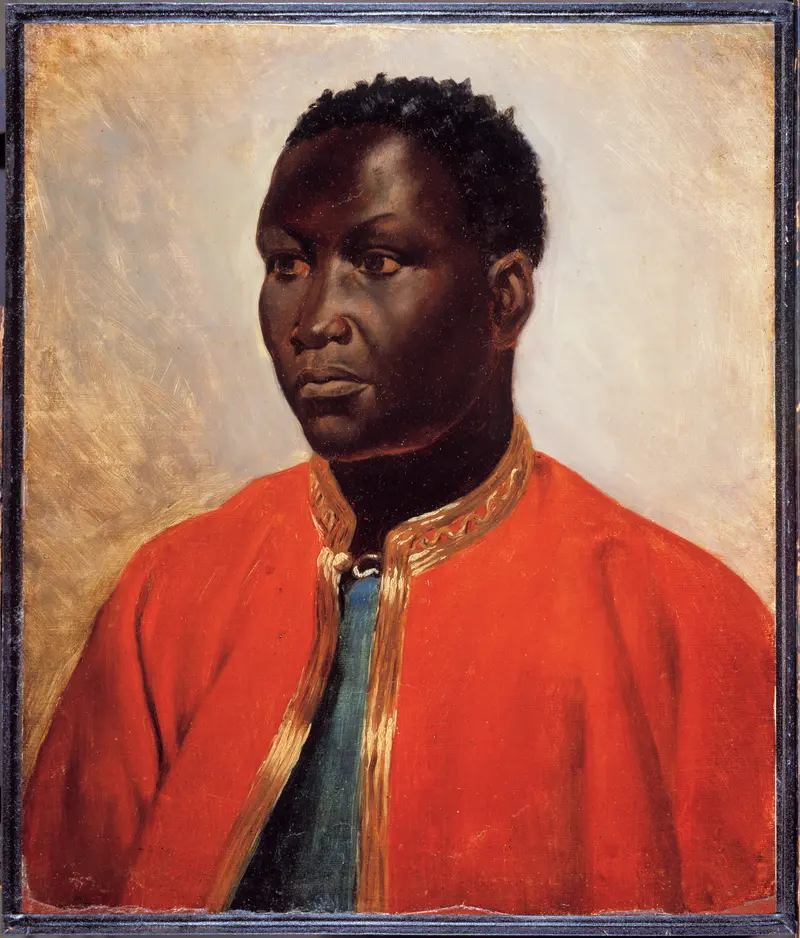
Portrait of a Negro
Théodore Géricault
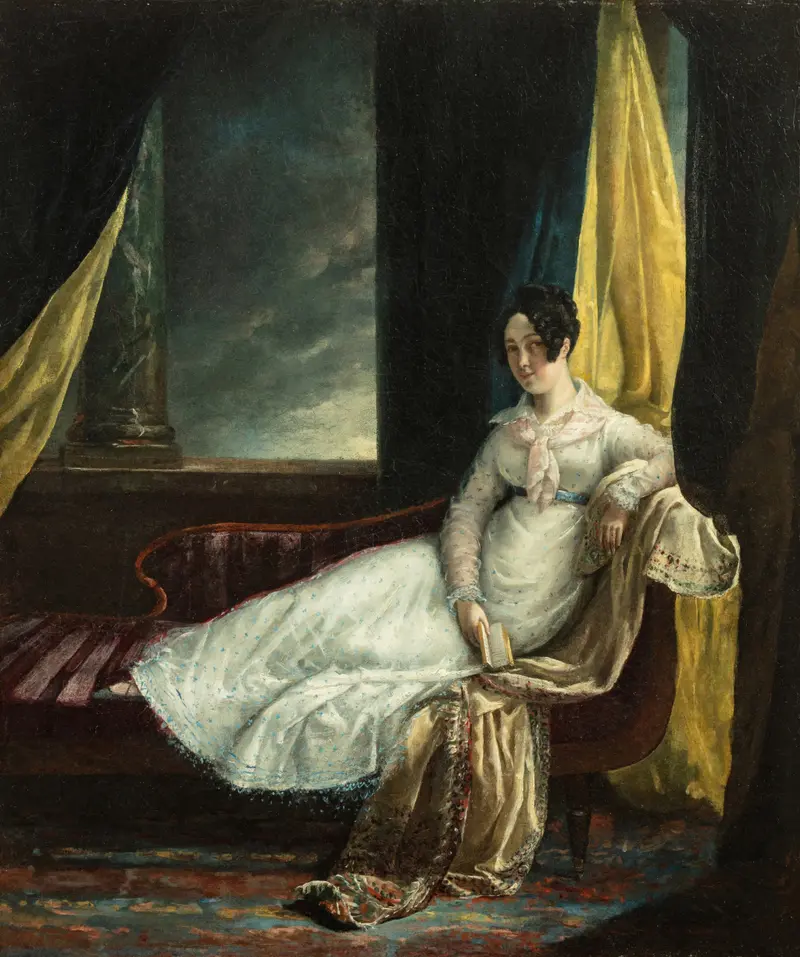
Portrait of Zoë Elmore
Théodore Géricault
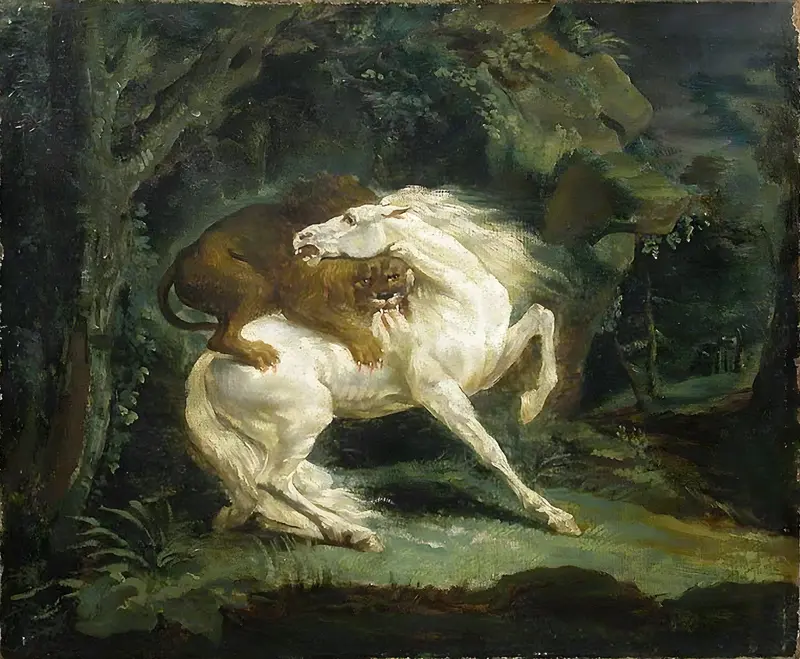
Cheval attaqué par un lion
Théodore Géricault
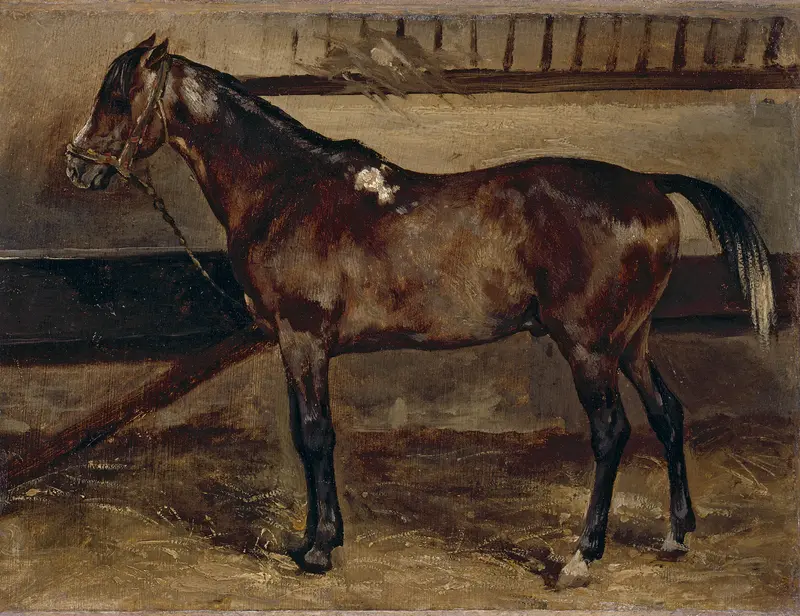
Cheval brun à l'écurie
Théodore Géricault





