
Susan Comforting the Baby — History & Facts
When Susan Comforting the Baby was first exhibited in 1881, it marked one of the earliest times Mary Cassatt turned her attention so fully to the intimate world of mothers and children—a theme that would soon define her reputation. This painting stands out among her early works for its direct, unsentimental portrayal of domestic tenderness, at a time when such subjects were rarely treated with seriousness in the Parisian art world. Cassatt, an American living in France, was then closely associated with the Impressionist circle, yet her focus on the private sphere set her apart.
The sitter, Susan, is believed to be Cassatt’s own sister, lending the scene a personal resonance that critics of the time noted for its "truthfulness to modern life." Cassatt captures a quiet moment: Susan, absorbed and calm, cradles a restless infant in her arms. The composition draws the viewer’s eye to the gentle arc of Susan’s body, forming a protective shelter around the baby. The light falls softly across their faces, highlighting the bond between them without resorting to sentimentality.
The baby’s small hand clutches at Susan’s dress, anchoring the scene in the everyday realities of care. Unlike Renoir’s more decorative mother-and-child portraits, Cassatt’s approach is restrained, focusing on the psychological connection rather than surface charm. The muted palette and loose brushwork echo her Impressionist peers, yet the mood is quieter, more contemplative. The precise provenance of Susan Comforting the Baby is not fully documented, a common fate for Cassatt’s early works.
It is thought to have remained in the artist’s family for several years before entering a private collection. The painting’s medium is uncertain—possibly oil or pastel, both favored by Cassatt during this period. Today, it is recognized as a key example of her commitment to portraying women’s lives with honesty and dignity, a commitment that would shape her later, more celebrated works.
While the painting’s whereabouts are not widely publicized, its reputation endures as an early testament to Cassatt’s unique voice within the Impressionist movement.
More Artworks by Mary Cassatt

The Child's Bath
Mary Cassatt
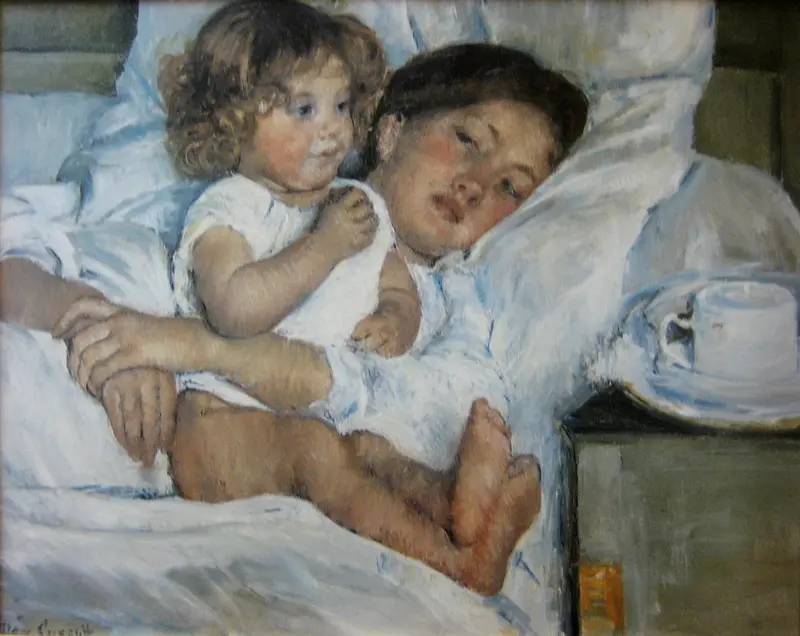
Breakfast in Bed
Mary Cassatt

Mother and Child (Baby Getting Up from His Nap)
Mary Cassatt
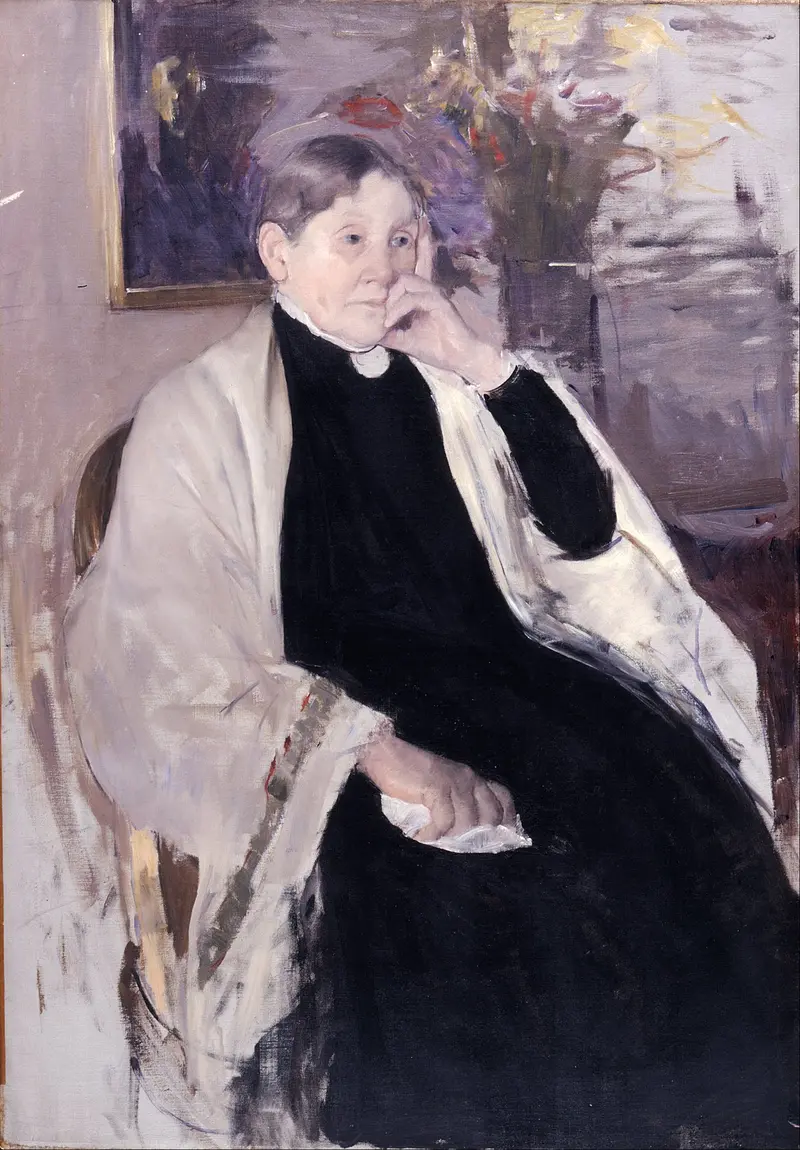
Mrs. Robert S. Cassatt, the Artist's Mother
Mary Cassatt
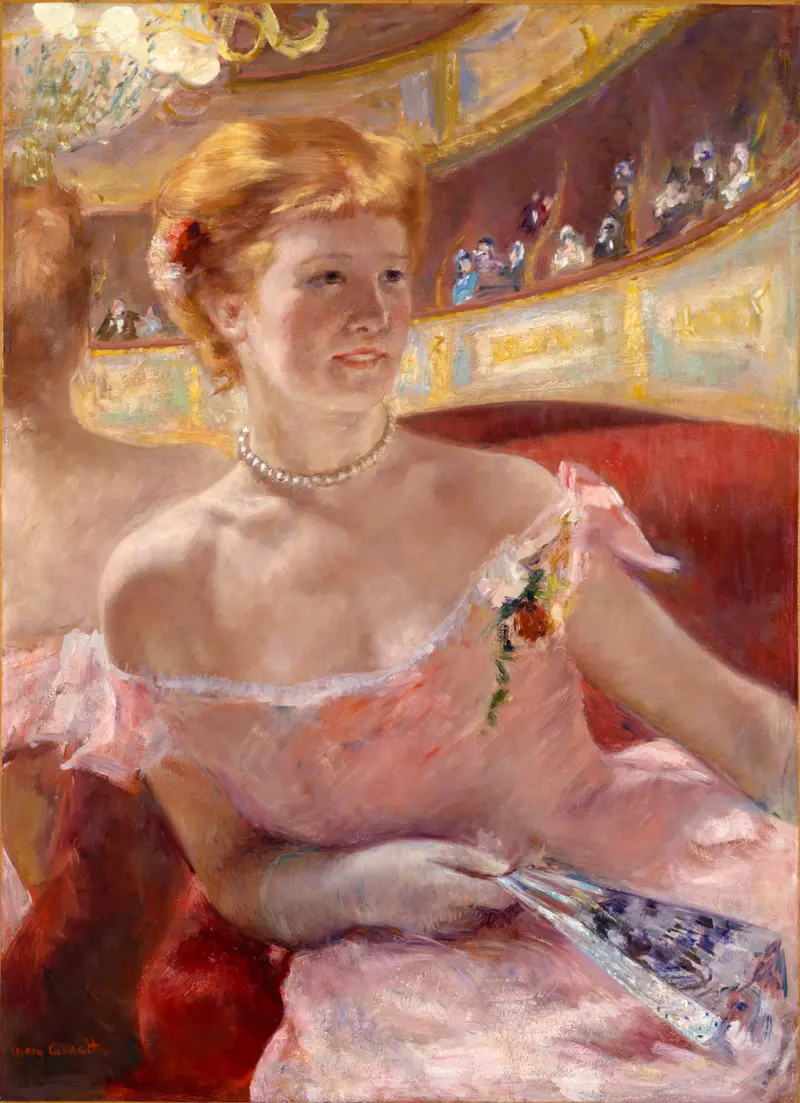
Woman with a Pearl Necklace in a Loge
Mary Cassatt
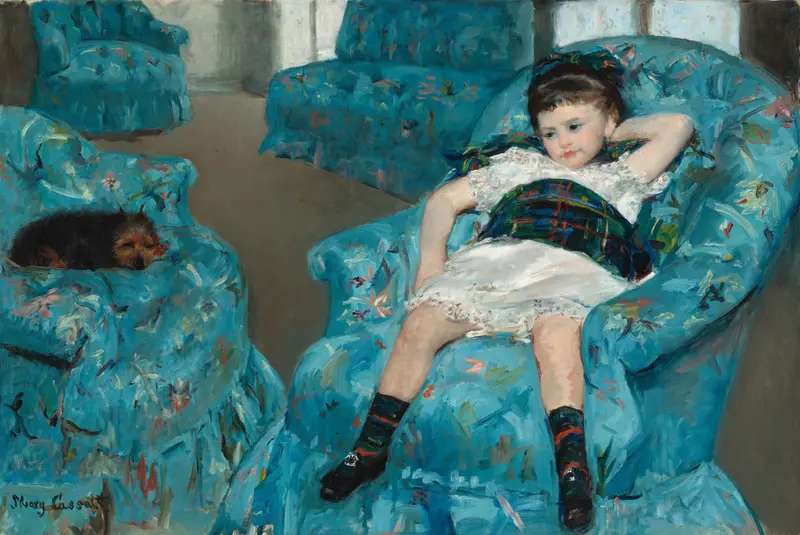
Little Girl in a Blue Armchair
Mary Cassatt
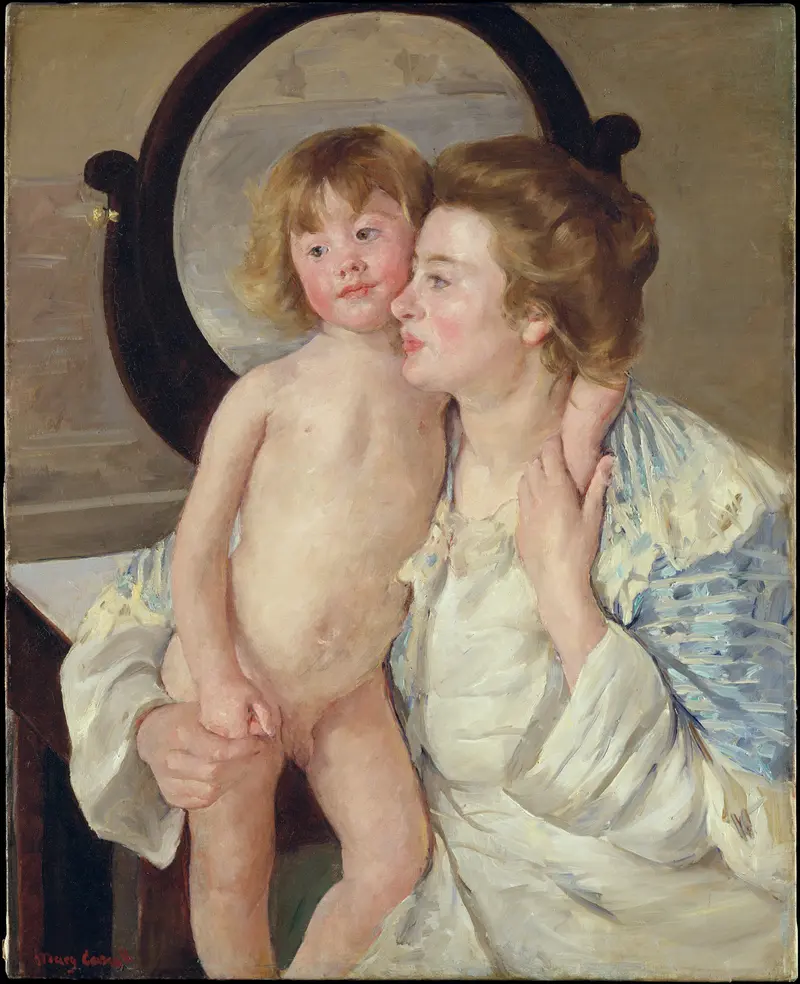
Mother and Child (The Oval Mirror)
Mary Cassatt
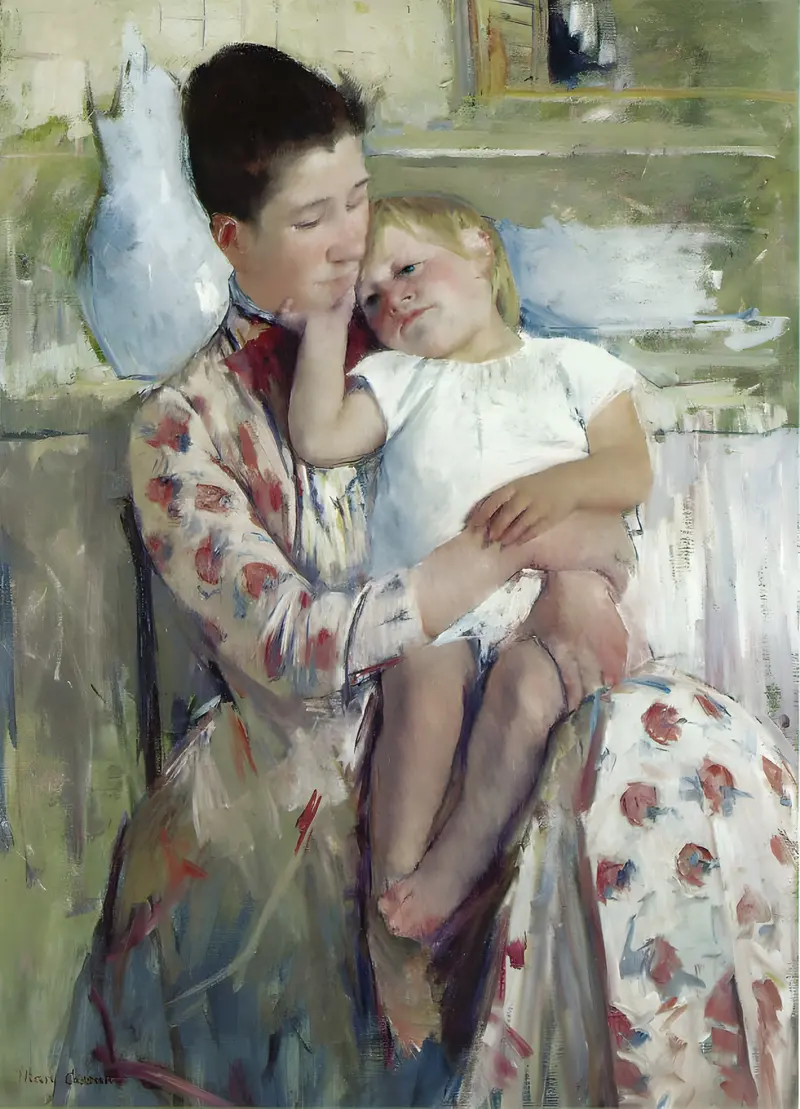
Mother and Child
Mary Cassatt
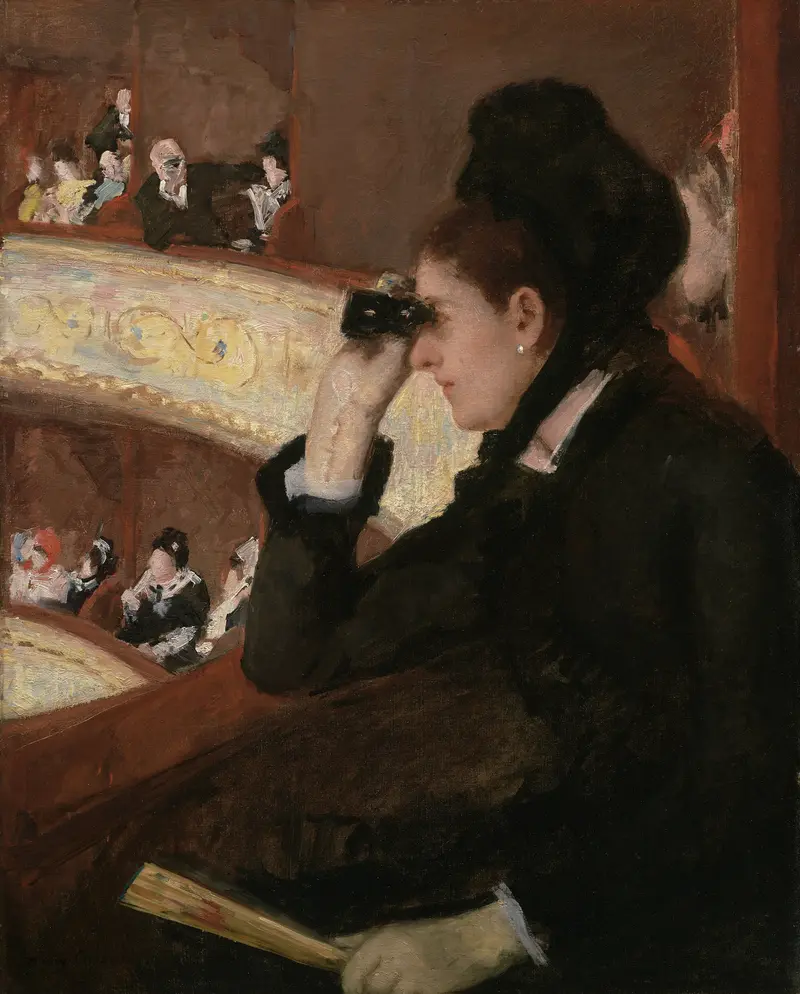
In The Loge
Mary Cassatt
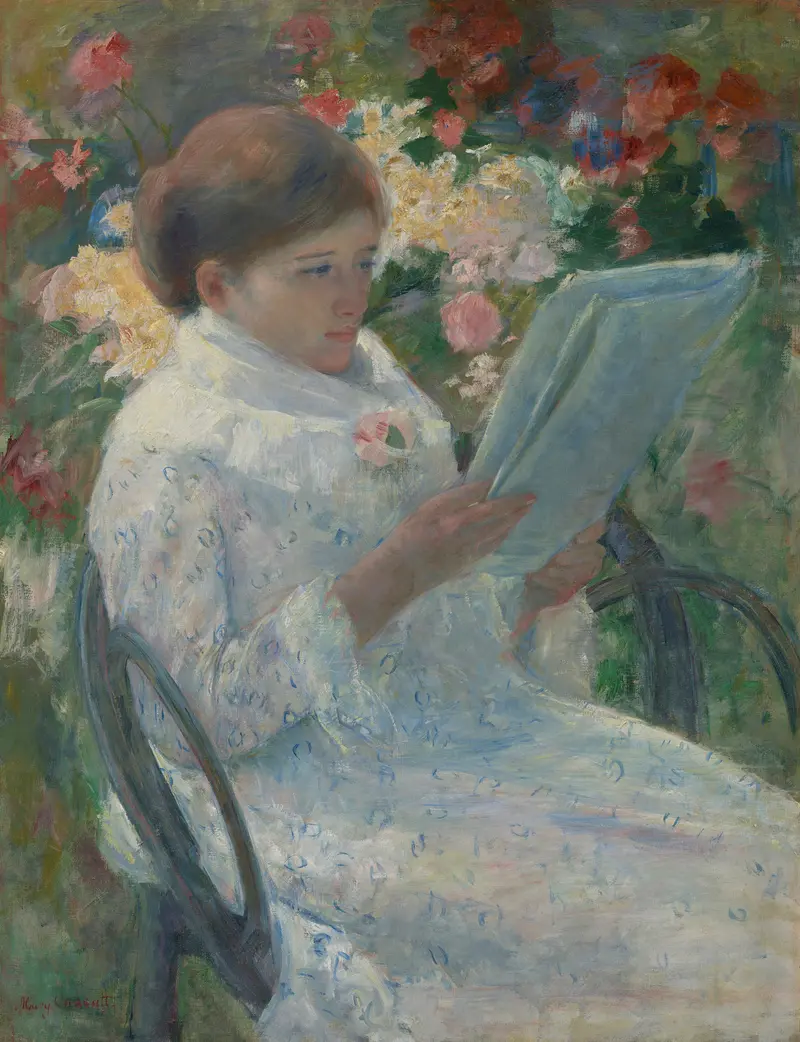
On a Balcony
Mary Cassatt
More Genre Scene Art

Banquet of the Officers of the St George Civic Guard
Frans Hals

Rembrandt and Saskia in the Scene of the Prodigal Son
Rembrandt van Rijn

Bal du moulin de la Galette
Pierre-Auguste Renoir

Quadrille at the Moulin Rouge
Henri de Toulouse-Lautrec

A Burial at Ornans
Gustave Courbet

When Will You Marry?
Paul Gauguin