
The Adoration of the Child — History & Facts
No one knows for certain when Filippino Lippi painted The Adoration of the Child, nor for whom it was made, but its authorship has never been in doubt: the delicate faces and intricate landscape are unmistakably his. The painting’s history is wrapped in the quiet mystery of many Renaissance devotional works, which often moved from private chapels to churches, then into collections as tastes and fortunes changed. What is clear is that Lippi’s vision of the Nativity, intimate and filled with gentle wonder, stands apart from the grander, more crowded scenes favored by his contemporaries. At the heart of the painting lies the moment after Christ’s birth, as Mary kneels in adoration before the newborn Jesus, laid upon a simple cloth on the ground.
Joseph lingers nearby, often depicted in Lippi’s work as a thoughtful, almost withdrawn presence. In this version, the landscape opens behind them, dotted with delicate plants and distant ruins—a reminder of the world outside this sacred event, and perhaps a nod to the passing of the old order. The angels hover close, their gestures drawing the viewer’s eye to the fragile child.
Unlike the bustling energy of Botticelli’s Mystic Nativity, Lippi’s scene is hushed, the figures bound together by a quiet reverence and the soft, luminous palette that became his hallmark. The journey of The Adoration of the Child as an object remains partly obscured, typical for many works from the late fifteenth century. Scholars suggest it was likely intended for private devotion, perhaps commissioned by a Florentine family seeking a personal connection to the sacred story. Its style places it in Lippi’s mature period, when he was deeply influenced by his father, Fra Filippo Lippi, and his teacher, Sandro Botticelli.
Today, the painting is recognized as a fine example of the Florentine Renaissance’s gentle spirituality, and it continues to invite viewers into its quiet, contemplative world, wherever it is displayed.
More Artworks by Filippino Lippi

Portrait of a Youth
Filippino Lippi
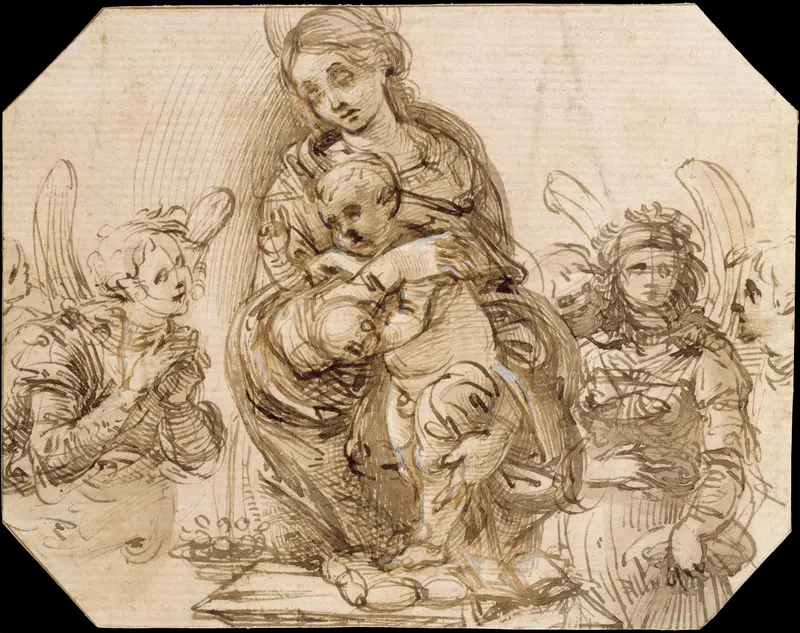
Virgin and Child Attended by Angels
Filippino Lippi

Christ on the Cross
Filippino Lippi
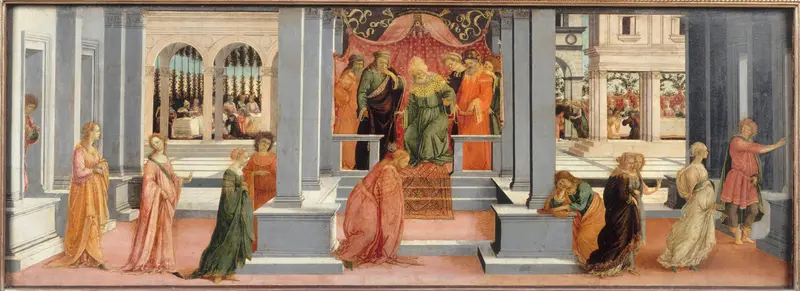
Esther choisie par Assuérus
Filippino Lippi
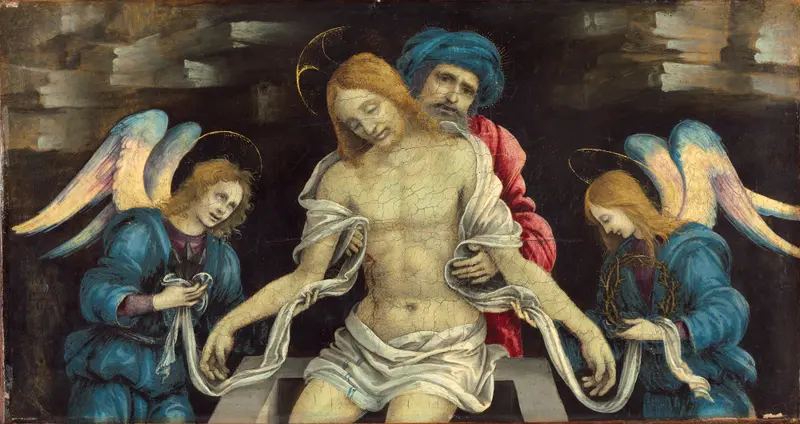
Pietà (The Dead Christ Mourned by Nicodemus and Two Angels)
Filippino Lippi
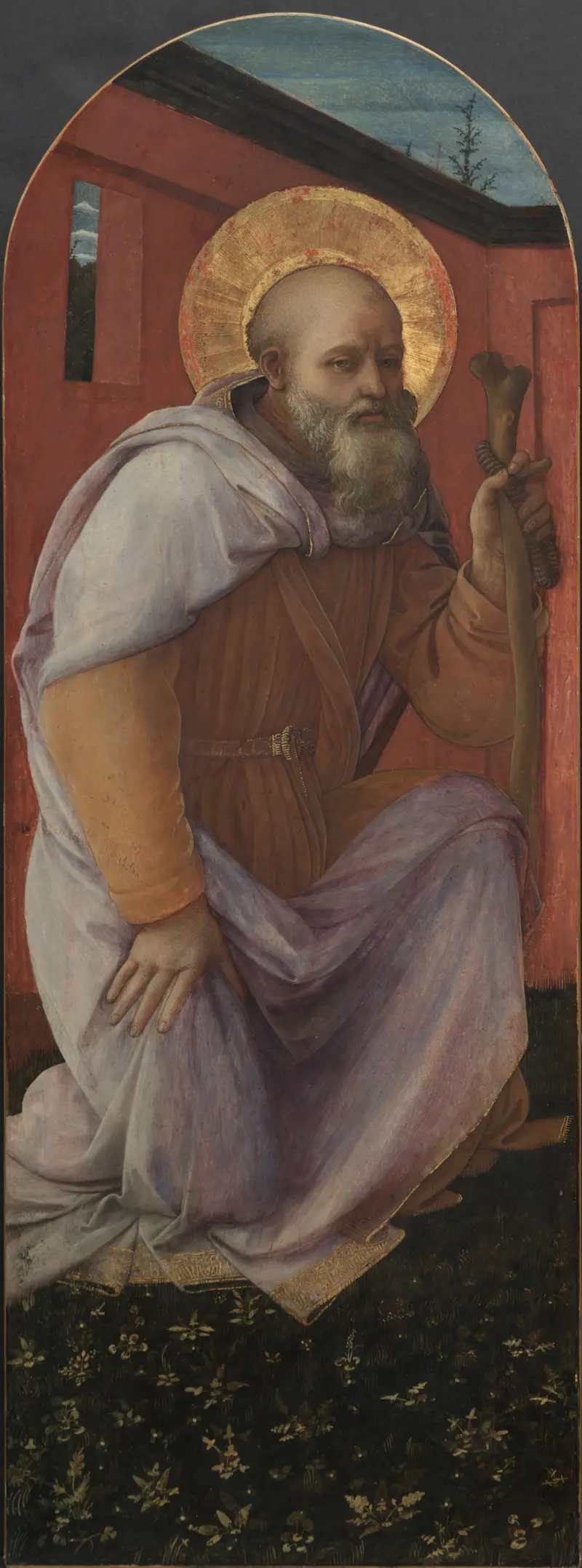
St. Anthony Abbot
Filippino Lippi
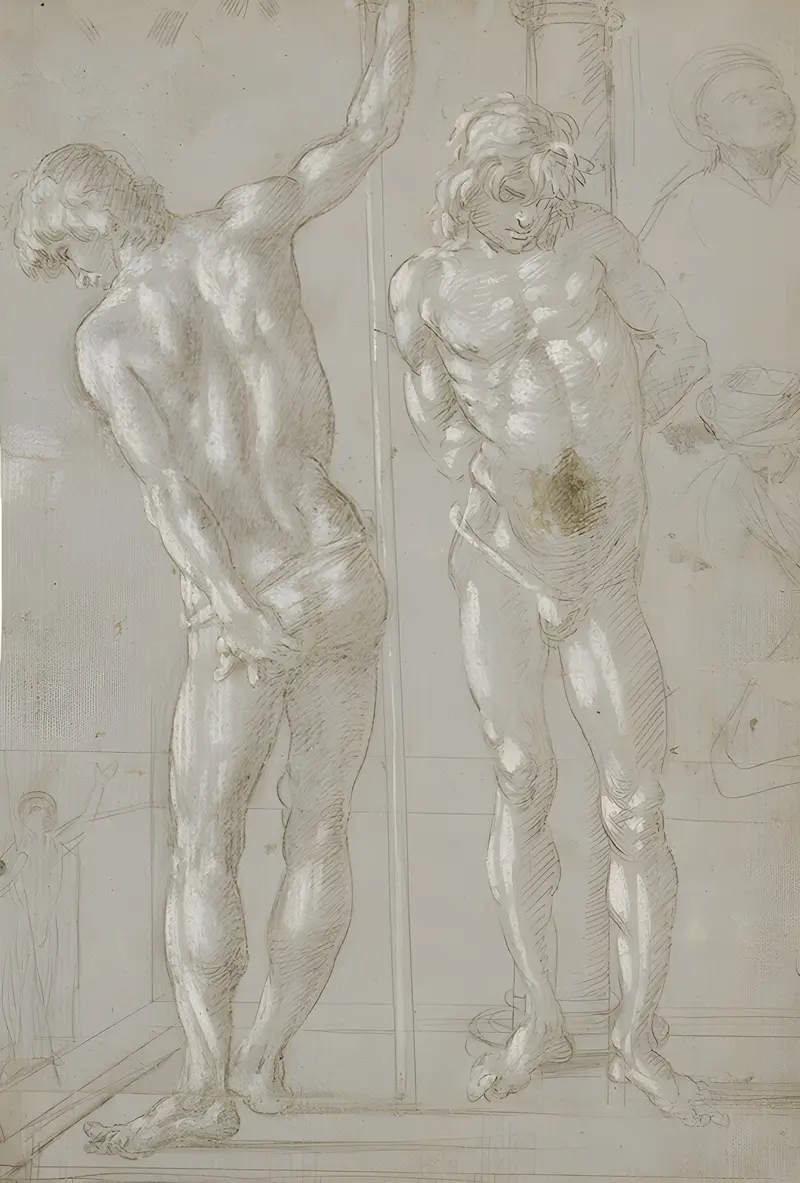
Studies of Christ at the Column, a Nude from Behind, and Various Figures
Filippino Lippi
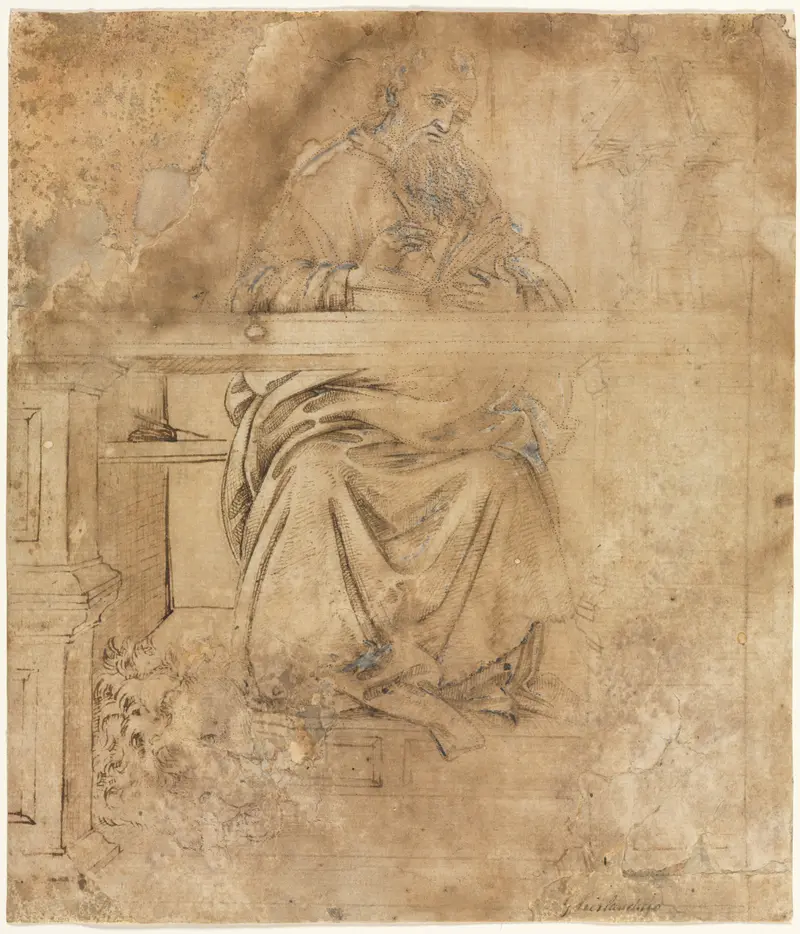
St. Jerome in His Study
Filippino Lippi
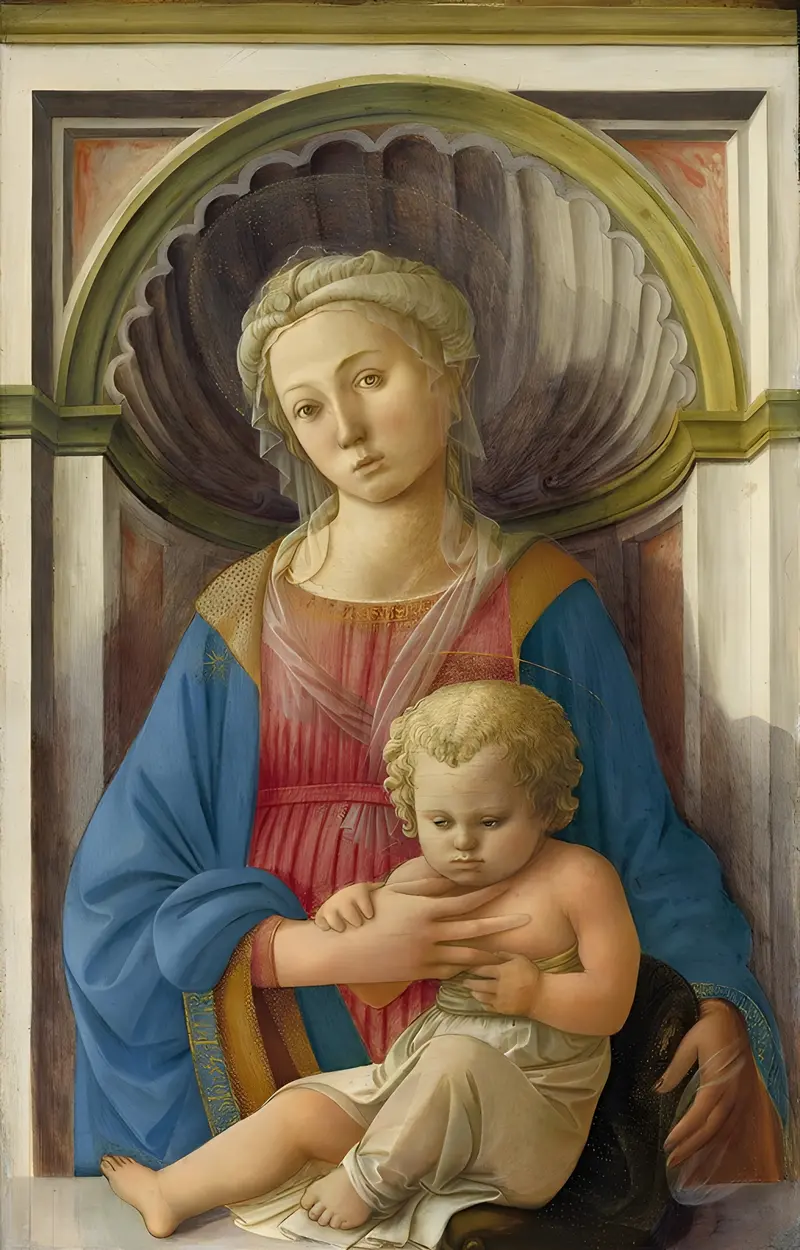
Madonna and Child
Filippino Lippi
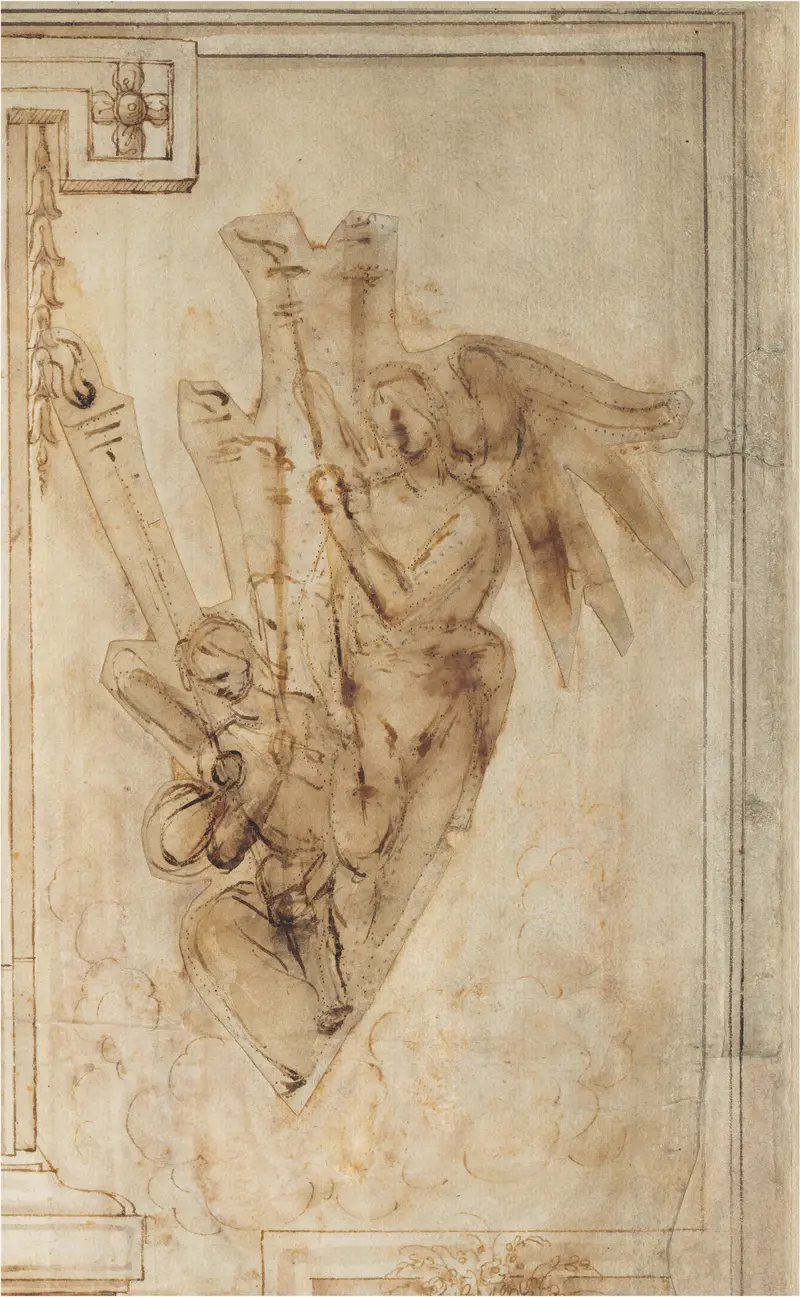
Two Angels Carrying Torches
Filippino Lippi





